
Analysis of Embryo Freezing and Thawing Success Rates in Hong Kong: Real Data and Influencing Factors

The success rate of embryo freezing and thawing in Hong Kong is generally above 95%, with vitrification being the key technology. Success rates are influenced by multiple factors including embryo quality, laboratory conditions, and embryologist experience. This article provides an objective medical analysis of the real situation of embryo freezing and thawing in Hong Kong to help you understand the actual level of this technology.
====== Body Start ====== Opening: Direct Answer (Mechanism 10)
Direct Answer After the adoption of vitrification technology, the overall thawing success rate for embryo freezing and thawing in Hong Kong can reach 95%–99%, with an intact survival rate exceeding 90% and a continued development rate of approximately 85%–95%. However, this is not a fixed value; the specific outcome is directly related to factors such as the embryo's developmental stage, pre-freeze morphological score, laboratory quality control system, and patient age.
Module I: Actual ProcessActual Process of Embryo Freezing and Thawing
Embryo freezing and thawing is not a simple "freeze-thaw" process, but a standardized, high-precision manual intervention procedure. Understanding this process helps to comprehend the technical foundation behind the success rate.
- Pre-freeze Assessment: The embryologist performs a morphological score for each embryo, recording indicators such as cell number, fragmentation rate, and symmetry, to determine its suitability for freezing.
- Cryoprotectant Treatment: The embryo is sequentially placed into equilibration solutions containing different concentrations of cryoprotectants (e.g., ethylene glycol, DMSO, sucrose) to gradually replace intracellular water and prevent ice crystal formation.
- Vitrification: The embryo, in a minimal volume of cryoprotectant, is plunged into liquid nitrogen (-196°C) at a rate of thousands of degrees per second, causing the liquid to instantly transform into a glassy state with no ice crystal structure.
- Liquid Nitrogen Storage: The embryo is transferred to a liquid nitrogen tank for long-term preservation, with the temperature constantly maintained below -196°C, equipped with 24-hour temperature monitoring and alarm systems.
- Thawing (Rewarming): The embryo is removed from liquid nitrogen and rapidly passed through gradient dilution solutions to wash away the cryoprotectants, restoring the embryo's normal osmotic pressure and assessing post-thaw survival status.
- Post-thaw Culture and Transfer: Surviving embryos are placed in culture medium for continued culture for 2–4 hours to observe their ability to continue developing, followed by transfer or re-freezing.
The entire process demands extremely high precision in timing, temperature, and operation. Reproductive medicine centers in Hong Kong generally adopt the internationally standardized vitrification protocol and have added internal quality control checkpoints based on this.
Module A: Direct Answer to the QuestionReal Situation of Embryo Freezing and Thawing Success Rates in Hong Kong
Based on clinical data from multiple reproductive medicine centers in Hong Kong, after adopting vitrification technology, the overall survival rate for embryo freezing and thawing is between 95%–99%, with an intact survival rate (no cell damage or damage ≤10%) exceeding 90%, and a post-thaw continued development rate of approximately 85%–95%.
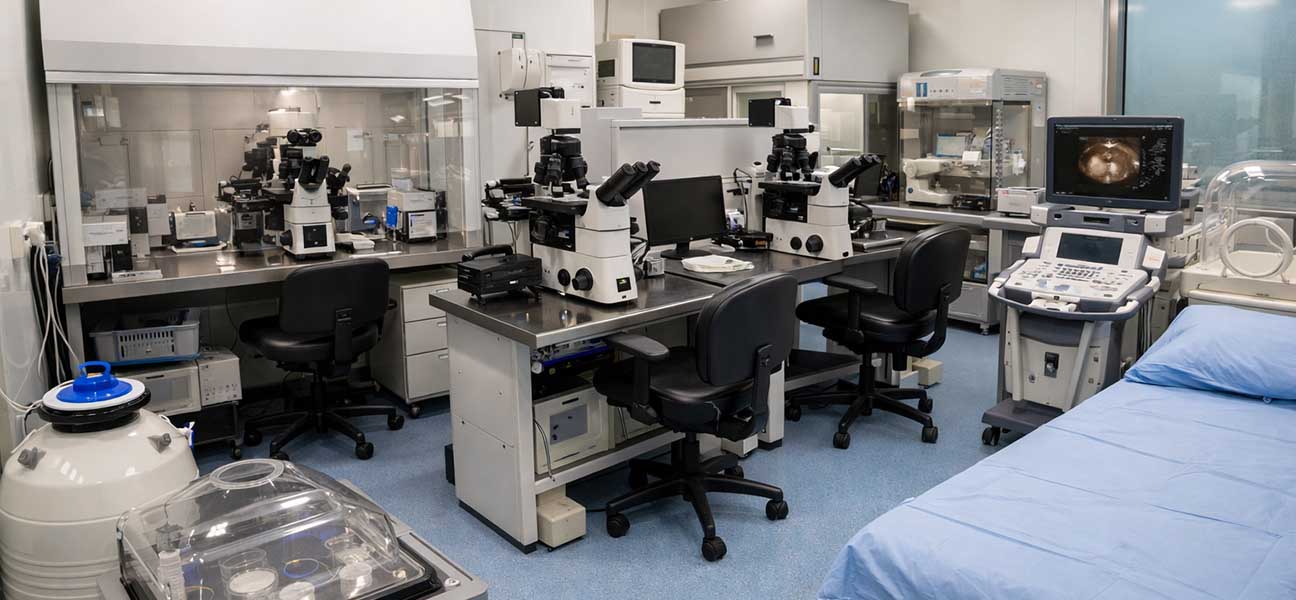
This level is comparable to data from top international reproductive centers. Embryo laboratories in Hong Kong are generally equipped with advanced air purification systems, temperature-controlled workstations, real-time liquid nitrogen monitoring systems, and regularly participate in international external quality assessments. These hardware and management investments form the foundation for maintaining high thawing rates.
It is important to clarify that survival after thawing does not equal successful transfer. The embryo needs to continue developing after thawing, and the implantation rate after transfer is also influenced by factors such as the uterine environment, endometrial receptivity, and immune status. Therefore, the final clinical pregnancy rate for frozen embryo transfers typically ranges from 40%–60% (varying by age and embryo grade), but the technical reliability of the embryo freezing and thawing process itself is already very high.
Most Easily Overlooked Details: Laboratory Quality Control and Operational Standards
When focusing on embryo freezing and thawing, many people only look at the single number "thawing rate," but the following details are crucial for determining success or failure:
- Cryoprotectant Formulation and Concentration Gradient: There are subtle differences in the cryoprotectant combinations, equilibration times, and temperature control used by different laboratories. These differences can directly affect the integrity of the embryo after thawing.
- Embryologist's Operational Proficiency: Vitrification requires extremely high operational speed; the process from cryoprotectant treatment to plunging into liquid nitrogen must be completed within tens of seconds. An experienced embryologist can minimize operational errors.
- Stability of Liquid Nitrogen Storage: Reproductive centers in Hong Kong commonly use dual liquid nitrogen supply + automatic refill systems, equipped with real-time temperature recording and alarms. Temperature fluctuations exceeding the threshold trigger emergency transfer procedures.
- Post-thaw Assessment Criteria: Some centers use "survival rate" as an indicator, while others use "intact survival rate" or "continued development rate." Different statistical methods can lead to numerical differences, which need attention when interpreting data.
- Pre-freeze Embryo Quality: This is the most easily overlooked fundamental factor. An embryo with a low morphological score has limited developmental potential after thawing, even with the best freezing technology.
These details fall within the routine quality control scope of Hong Kong's reproductive centers. However, for patients, they can serve as reference dimensions for evaluating a laboratory's level when choosing an institution.
Module C: The Doctor's PerspectiveHow Reproductive Doctors View Embryo Freezing and Thawing
From a clinical perspective, reproductive doctors are more concerned with the "cumulative live birth rate from frozen embryo transfers" rather than the single thawing rate. Embryo freezing and thawing is just one link in the entire treatment chain, but it is a "threshold link" – if thawing fails, subsequent steps are impossible.
In clinical decision-making, doctors assess the necessity and expectations of freezing and thawing based on the following:
- Embryo Developmental Stage: The freezing and thawing rate for blastocysts (day 5–6) is generally higher than for cleavage-stage embryos (day 3), because blastocysts have more cells and a more stable structure.
- Pre-freeze Embryo Score: Grade A or B embryos have significantly higher post-thaw survival and continued development rates than Grade C or D embryos.
- Patient Age and Ovarian Reserve: The older the patient, the higher the aneuploidy rate in embryos. Even if the morphology is normal after thawing, the pregnancy rate after transfer will decrease. However, the freezing and thawing process itself does not add to the risk of chromosomal abnormalities.
- Previous Frozen Transfer History: If a patient has had a successful pregnancy from a frozen embryo transfer in the past, it indicates that the laboratory's freezing system is effective for that patient's embryos.
Doctors usually explain to patients that freezing and thawing technology is already very mature, but the quality of the embryo itself is the fundamental factor determining the success of the transfer. It is not recommended to blindly extend culture time just to accumulate embryos, nor to repeatedly freeze and thaw embryos when their quality is not ideal.
Module D: Differences Across Age GroupsImpact of Different Age Groups on Embryo Freezing and Thawing
Age is one of the core factors affecting embryo quality, and embryo quality directly influences the outcome of freezing and thawing.
| Patient Age | Embryo Aneuploidy Rate | Freezing & Thawing Survival Rate | Post-thaw Continued Development Rate | Frozen Embryo Transfer Clinical Pregnancy Rate |
|---|---|---|---|---|
| < 35 years | Approx. 30%–40% | 96%–99% | 90%–95% | 50%–65% |
| 35–38 years | Approx. 40%–50% | 95%–98% | 85%–92% | 40%–55% |
| 39–42 years | Approx. 50%–70% | 92%–97% | 80%–88% | 30%–45% |
| > 42 years | > 70% | 90%–95% | 75%–85% | 15%–30% |
Note: The above data are range values based on industry literature and clinical statistics from multiple reproductive centers in Hong Kong. Individual differences exist. The freezing and thawing survival rate is influenced by the laboratory level, but the impact of age on embryo quality is a biological law that cannot be completely reversed by technology.
As can be seen from the table, age has a relatively small impact on the freezing and thawing survival rate itself (90%–99%), but it significantly affects the pregnancy rate after transfer. This means that for older patients, the success rate of the freezing and thawing step itself remains high, but expectations regarding the final pregnancy outcome need to be managed.
Module F: Differences Among Hong Kong HospitalsDifferences Among Reproductive Medicine Centers in Hong Kong
Assisted reproductive institutions in Hong Kong have certain differences in embryo freezing and thawing, mainly reflected in the following dimensions:
- Laboratory Equipment and Automation Level: Some centers have introduced automated liquid nitrogen filling systems, closed-loop temperature monitoring, and real-time imaging systems for embryo incubators. These hardware investments can improve the stability of freezing and thawing.
- Choice of Freezing Protocol: A few centers use modified cryoprotectant formulations or adjust equilibration times for specific embryos (e.g., those with high fragmentation rates). These personalized protocols may improve the thawing rate for borderline-quality embryos.
- Experience of the Embryologist Team: Senior embryologists in Hong Kong typically have over 10 years of experience and hold international certifications. However, the ratio of embryologists to patients and the caseload vary between centers; centers with higher caseloads have more accumulated experience.
- Quality Control System: Whether the center regularly participates in international external quality assessments (e.g., UK NEQAS) and whether it publishes laboratory quality control indicators are important criteria for evaluating a laboratory's level. Most centers in Hong Kong participate in international quality assessments, but transparency varies.
When choosing an institution, patients can look into whether the center publishes its freezing and thawing success rate data, whether it has an independent embryo laboratory, and the qualifications and background of the embryologist team. However, it is important to be cautious: overly specific success rate numbers (e.g., "thawing rate 99.5%") often lack standardized statistical definitions and should not be used as the sole basis for decision-making.
Module N: Special Situation ManagementSpecial Situation Management: Factors Affecting Thawing Results
In clinical practice, the following special situations require extra attention:
- Abnormal Zona Pellucida: Embryos with an excessively hard or thick zona pellucida may not be adequately penetrated by cryoprotectants, leading to a lower post-thaw survival rate. The laboratory may opt for laser-assisted hatching before freezing.
- Repeated Freeze-Thaw Cycles: When the same embryo undergoes multiple freeze-thaw cycles, cell damage accumulates, and the survival and continued development rates decrease progressively. It is generally not recommended to freeze the same embryo more than twice.
- Post-thaw Developmental Arrest: Even if morphologically alive, some embryos fail to continue dividing or begin to degenerate within 2–4 hours after thawing. This situation is related to the embryo's intrinsic potential and has little to do with the freezing technology.
- Liquid Nitrogen Storage Anomalies: In rare cases, temperature alarms in the liquid nitrogen tank, interruption of liquid nitrogen supply, or sample transfer errors can lead to embryo damage. Reproductive centers in Hong Kong are typically equipped with dual tank backups and 24-hour monitoring, reducing this risk to a very low level.
- Patient's Own Immune or Coagulation Abnormalities: Although they do not affect the thawing rate, they can impact implantation and pregnancy maintenance after transfer. Before a frozen embryo transfer, the doctor will assess the patient's endometrial receptivity and overall systemic condition.
For the above special situations, the doctor will formulate an individualized plan based on the specific cause. If a patient has a history of failed frozen transfers, it is recommended to thoroughly discuss the laboratory's freezing protocol and embryo assessment details with the doctor before starting the next cycle.
Ending: Doctor's AdviceDoctor's Advice
Embryo freezing and thawing technology in Hong Kong is already very mature. The widespread use of vitrification has stabilized the thawing success rate at a high level. However, patients should rationally recognize that freezing and thawing is just one technical step in assisted reproduction; it cannot change the embryo's own chromosomal or genetic status.
For patients considering frozen embryo transfer, it is recommended to prepare as follows:
- Confirm whether the laboratory's freezing protocol uses vitrification and whether it has a comprehensive liquid nitrogen monitoring system.
- Understand your embryo's pre-freeze score and developmental stage, and discuss the expected post-thaw continued development rate with your doctor.
- Do not directly equate the freezing and thawing success rate with the final pregnancy success rate. The gap between the two is mainly influenced by embryo quality and uterine factors.
- If you have surplus embryos requiring long-term storage, confirm the institution's liquid nitrogen storage management system and emergency response plan.
From a medical perspective, embryo freezing and thawing technology in Hong Kong can already provide reliable embryo preservation and thawing support for the vast majority of patients. However, everyone's embryo situation is different. It is recommended to have individualized communication with your reproductive doctor before specific treatment to develop a treatment plan that suits your own conditions.
0 comments