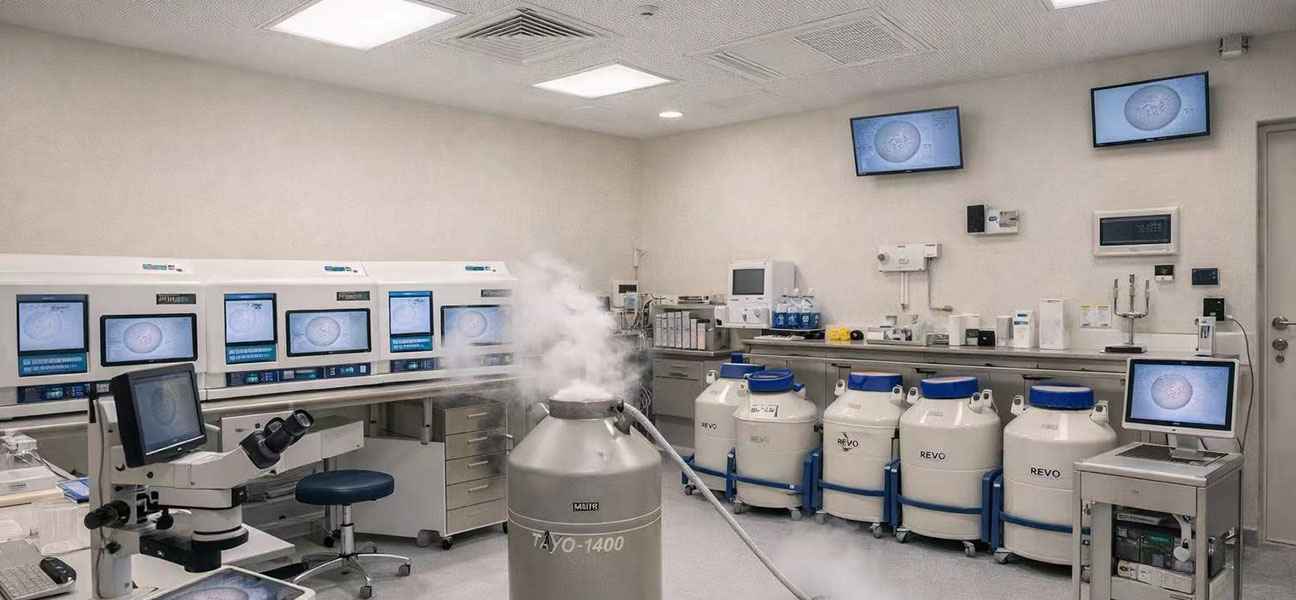
Which country is best for IVF in Europe depends on the patient's age, ovarian reserve, etiology, budget, and need for genetic screening. Spain, Greece, Czech Republic, Denmark, and Cyprus each have strengths in success rates, costs, and legal friendliness. This article compares major European IVF countries from a reproductive medicine perspective to help patients make informed decisions based on their circumstances.
- True sharing of frozen egg surrogacy costs in Hong Kong (latest version 2026)
- Hong Kong Twins IVF Surrogacy Official Website
- Contact number of First Fertility Reproductive Center in Thailand (latest in 2026)
- Complete Guide to Surrogacy for Unmarried Individuals in Hong Kong 2026 Latest Guide
- Real Sharing of Hong Kong Surrogacy Process (2026 Latest Version)
- Hong Kong Surrogacy Central District Guide 2026
- Gay surrogacy success rate in Hong Kong: Latest data in 2026 compared with popular regions
- Pacific Fertility Center IVF Process in the United States (2026 latest version)
- Hong Kong assisted pregnancy Tsim Sha Tsui surrogacy process
- Hong Kong 45-year-old surrogacy price budget: complete cost analysis and plan comparison in 2026
IVF
What are the IVF hospitals in Central Asia? Overview of Reproductive Centers in Kazakhstan and Uzbekistan
IVF hospitals in Central Asia are mainly located in Kazakhstan (Almaty, Nur-Sultan) and Uzbekistan (Tashkent). This article reviews ECOM, IRM, Astana Reproductive Center and other institutions, analyzing technical features, costs, suitable patients, and selection considerations.
Whether overseas IVF is reliable depends on multiple factors including medical technology, legal environment, institutional qualifications, and individual conditions. This article provides an objective analysis from dimensions such as success rate data, medical risks, hospital selection criteria, and legal protections, helping those in need make rational judgments without exaggerating advantages or avoiding risks.
Overseas IVF Success Rate Assessment: Core Variables and Data Interpretation from a Reproductive Doctor’s Perspective
Overseas IVF success rates are influenced by multiple factors including age, embryo chromosomal normality, uterine environment, and laboratory technology. Live birth rates vary significantly by age: approximately 40%-50% for women under 35, dropping to below 10% for those over 40. This article analyzes core variables, differences in statistical standards across countries, and common evaluation misconceptions from a reproductive doctor’s perspective, helping to scientifically understand the true meaning of success rates.
How to Choose Among Popular Overseas IVF Countries? 2025 National IVF Policies & Success Rate Analysis
Popular overseas IVF countries include the USA, Thailand, Malaysia, Japan, and Russia, with significant differences in policy restrictions, cost levels, technical features, and legal protections. This article analyzes the technical characteristics, suitable populations, and selection logic of each country from a medical and practical perspective to help understand the decision-making basis.
Based on real consultation scenarios from a decade-long consultant, analyze key factors for successful overseas IVF cases: age, embryo quality, PGT screening, hospital lab level, endometrial preparation, etc. Objective analysis of success conditions and common misconceptions, no marketing or exaggeration.
There is no unified official standard for international IVF hospital rankings. Choosing a fertility center requires comprehensive evaluation of factors such as laboratory grade, embryologist experience, and individualized protocol capabilities. This article analyzes the true meaning behind the rankings, helping patients build a scientific framework for hospital selection, covering differences between countries, frequently asked questions, and practitioner observations.
Which Country is Best for IVF Abroad? 2025 Overseas IVF Destination Selection & Comparison Guide
Which country is best for IVF abroad depends on age, ovarian function, fertility needs, budget, and legal restrictions. This article compares the differences in success rates, costs, legal policies, and technical conditions among the United States, Thailand, Georgia, Japan, Spain, and other countries from a medical perspective, helping patients make rational choices based on their own circumstances.
Azoospermia Overseas IVF Hospital Selection Guide - Obstructive & Non-Obstructive Treatment Options
How should azoospermia patients choose an overseas IVF hospital? Analysis of diagnostic pathways, treatment differences for obstructive and non-obstructive azoospermia, key factors in selecting overseas hospitals, including testicular sperm aspiration, ICSI success rates, donor sperm IVF legal policies, and more, to help patients make informed decisions.
Central Asia IVF Hospital Selection Guide: Comparative Analysis of Reproductive Centers in Kazakhstan and Uzbekistan
A systematic comparison of IVF hospitals in Kazakhstan, Uzbekistan, and other Central Asian countries, covering the qualifications, laboratory standards, costs, and legal environments of reproductive centers such as IRM and Eco Clinic. Helps patients objectively assess the real situation and selection logic of IVF in Central Asia.
Overseas IVF success rates are comprehensively influenced by age, ovarian function, embryo chromosomal normality, and laboratory conditions. This article analyzes key clinical links to improve success rates from a reproductive medicine perspective, including individualized ovulation induction protocols, PGT-A screening, endometrial preparation optimization, and transfer strategy adjustments, helping patients establish reasonable expectations and decision-making references.
How to Read International IVF Hospital Rankings: A Detailed Guide to Selection Criteria and Evaluation Methods
International IVF hospital rankings require a multi-dimensional assessment of success rates, laboratory standards, doctor qualifications, and legal policies. This article analyzes the logic, evaluation methods, and common misconceptions of selecting overseas IVF hospitals from the perspective of the assisted reproduction industry, helping patients establish a scientific decision-making path.
For a 42-year-old choosing an overseas IVF hospital, success depends first on ovarian reserve and embryo chromosomal normality. This article analyzes key tests for advanced maternal age, hospital technology evaluation points, medical differences across countries, and process timeline planning from a reproductive medicine perspective, helping 42-year-olds make rational decisions.
Recommendations for overseas IVF hospitals require a comprehensive evaluation of hospital qualifications, laboratory standards, physician experience, the legal policies of the country, and individual medical needs. This knowledge base provides an objective selection framework to help users make scientific decisions and avoid common pitfalls.
Can IVF abroad be done with high FSH? Analyze the feasibility, evaluation indicators, stimulation protocol differences, and precautions for overseas IVF when FSH is elevated from a reproductive medicine perspective, helping users make comprehensive judgments based on AMH, antral follicle count, etc.
Overseas third-generation IVF (PGT) is suitable for people with chromosomal abnormalities, single-gene genetic disorders, and recurrent implantation failure. This article provides real knowledge-base level reference information from dimensions including technical principles, applicable conditions, country differences, process timeline, and risk warnings.
Evaluating overseas IVF hospitals requires a comprehensive consideration of medical qualifications, laboratory standards, doctor teams, success rates, and patient matching. Different countries have varying legal policies and medical systems. There is no absolute best hospital, only the institution most suitable for an individual's situation. This article provides a systematic evaluation framework and decision-making reference.
Choosing a country for overseas IVF requires comprehensive consideration of success rates, legal policies, costs, language communication, and travel convenience. The USA, Thailand, Japan, and Georgia each have pros and cons, suiting different groups. This article provides a medical perspective on country differences, does not recommend specific clinics, and offers an objective decision-making framework.
Irregular Menstruation: How to Proceed with Overseas IVF – Evaluation, Ovulation Induction Protocol & Transfer Timing
For overseas IVF with irregular periods, endocrine assessment, AMH testing, and antral follicle count are essential. Doctors tailor ovulation induction protocols based on results. Examination focuses and procedures vary by age; conditions like PCOS affect protocol choice. This article explains the process, timeline, and precautions from a reproductive specialist’s perspective.
Older Couples Overseas IVF Hospital Recommendation Guide | Selection Criteria & Evaluation Advice for Advanced Maternal Age IVF Hospitals
How should older couples choose an overseas IVF hospital? This article provides objective evaluation criteria from dimensions such as medical qualifications, laboratory standards, age-specific protocols, and success rate data authenticity. It analyzes the characteristics of hospitals in the United States, Thailand, Japan, and other countries, offering selection advice for low AMH, advanced age, and other situations to help make rational decisions.
别让疑问等太久 留下您的联系方式,我们会第一时间联系您