IVF

Distribution of IVF in Hong Kong Public Hospitals: Service Scope Differences and Clinic Selection Guide

Distribution of IVF in Hong Kong Public Hospitals: Service Scope Differences and Clinic Selection Guide

Public hospitals in Hong Kong offering IVF services include Queen Mary Hospital, Prince of Wales Hospital, Kwong Wah Hospital, and Queen Elizabeth Hospital. Differences exist in service scope, waiting times, available technologies, and fees. Understanding the distribution of IVF in Hong Kong public hospitals helps in choosing the right institution based on age, diagnosis, and budget. This article outlines the characteristics of each hospital and the treatment process.

How to Choose a Hong Kong IVF Center? Asia-Pacific Obstetrics and Gynecology Specialist Evaluation Reference

How to Choose a Hong Kong IVF Center? Asia-Pacific Obstetrics and Gynecology Specialist Evaluation Reference

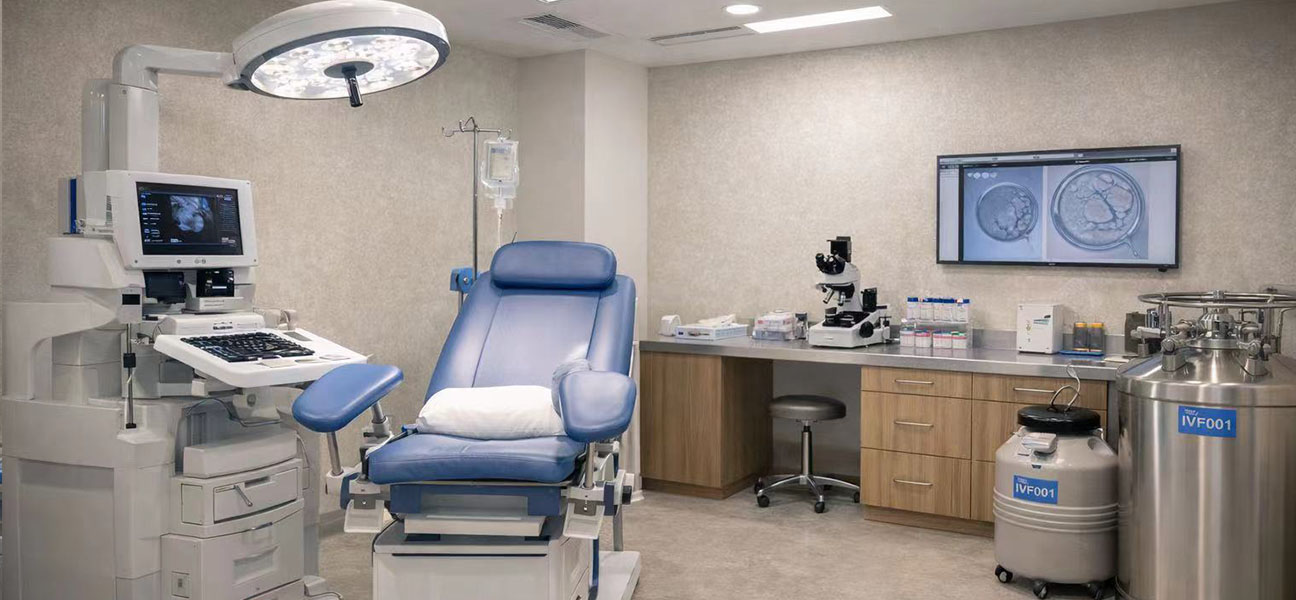
Evaluating a Hong Kong IVF center requires comprehensive consideration of medical qualifications, laboratory standards, doctor teams, success rates, and other multi-dimensional information. As a reference option in the assisted reproduction field, the service quality and medical technology of Asia-Pacific Obstetrics and Gynecology Specialists should be judged based on individual circumstances. This article provides objective evaluation criteria to help users make rational decisions.

Do You Need to Quit Your Job for IVF in Hong Kong? Complete Cycle Schedule & Workplace Guide

Do You Need to Quit Your Job for IVF in Hong Kong? Complete Cycle Schedule & Workplace Guide

Whether you need to quit your job for IVF in Hong Kong depends on the ovulation stimulation protocol, work flexibility, and place of residence. A short protocol takes about 8-12 days, a long protocol about 20-30 days. Most working people can use annual leave or compensatory time off without quitting. This article details the time arrangement for each stage, leave strategies, and workplace coping plans.

Hong Kong IVF Technology Advantage Analysis: Legal Regulation and Clinical Practice Characteristics

Hong Kong IVF Technology Advantage Analysis: Legal Regulation and Clinical Practice Characteristics

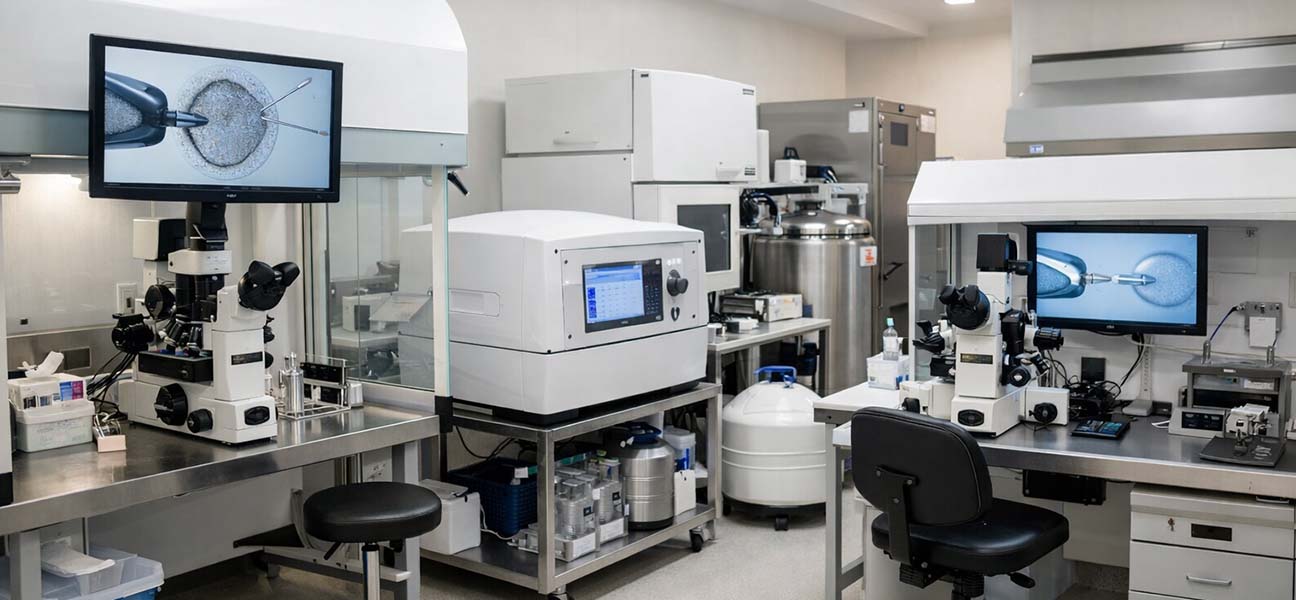
The advantages of Hong Kong IVF technology are mainly reflected in a comprehensive legal regulatory system, clear PGT genetic screening policies, advanced embryo laboratory technology, and strict medical quality control standards. This article objectively analyzes the characteristics and suitable populations of Hong Kong assisted reproduction from technical, legal, and medical process perspectives.

Key Considerations During IVF in Hong Kong: Critical Stages & Common Questions

Key Considerations During IVF in Hong Kong: Critical Stages & Common Questions

What should you pay attention to during IVF in Hong Kong? This article details medication protocols, dietary adjustments, activity restrictions, and follow-up schedules from ovulation induction, egg retrieval, embryo culture to transfer, covering age-related differences and frequently asked questions to help patients manage their treatment cycle scientifically.

Who is suitable for IVF in Hong Kong private hospitals? Comprehensive analysis of indications and conditions

Who is suitable for IVF in Hong Kong private hospitals? Comprehensive analysis of indications and conditions

IVF in Hong Kong private hospitals is suitable for older women, diminished ovarian reserve, blocked fallopian tubes, male infertility, and those at risk of genetic diseases. Assessments include AMH, FSH, antral follicle count, semen analysis, etc. It is not suitable for those with severe uterine abnormalities or uncontrolled underlying diseases. This article provides a comprehensive analysis from the perspectives of medical indications, age differences, procedural details, and more.

Voltage and Socket Precautions for IVF in Hong Kong: Pre-trip Checklist & FAQ

Voltage and Socket Precautions for IVF in Hong Kong: Pre-trip Checklist & FAQ

Planning for IVF in Hong Kong? Voltage and sockets are key pre-trip details. Hong Kong uses 220V, same as mainland China, so no transformer is needed. However, sockets are British standard three-pin square, different from the mainland, requiring an adapter. This article covers voltage standards, socket types, device compatibility, and common misconceptions to help patients prepare fully and avoid electrical issues affecting treatment convenience.

Does Scientific Exercise Before IVF in Hong Kong Help Success Rates? Reproductive Medicine Recommendations

Does Scientific Exercise Before IVF in Hong Kong Help Success Rates? Reproductive Medicine Recommendations

Scientific exercise before IVF in Hong Kong positively impacts success rates, but personalized plans based on individual physique, age, and reproductive health are essential. Moderate aerobic exercise can improve BMI, regulate endocrine function, and enhance egg and sperm quality, while excessive exercise may have negative effects. This article analyzes scientific recommendations and precautions for pre-IVF exercise from a reproductive medicine perspective.

Hong Kong Private Hospital IVF Selection Guide: Institutional Evaluation & Medical Decision Reference

Hong Kong Private Hospital IVF Selection Guide: Institutional Evaluation & Medical Decision Reference

Choosing a Hong Kong private hospital for IVF requires a comprehensive evaluation of laboratory qualifications, physician experience, cost structure, and personal medical circumstances. This article analyzes the differences among major private fertility centers in Hong Kong from a reproductive medicine perspective, helping patients establish a scientific decision-making framework, covering characteristics of institutions such as Hong Kong Sanatorium & Hospital, Union Hospital, Baptist Hospital, and others.

What Medications to Bring for IVF in Hong Kong - A Guide to Preparing IVF Medications for Hong Kong

What Medications to Bring for IVF in Hong Kong - A Guide to Preparing IVF Medications for Hong Kong

Medications to bring for IVF in Hong Kong include ovulation induction drugs, luteal support medications, and down-regulation drugs. The specific types and quantities depend on your individual protocol. Cross-border medication requires a bilingual prescription, medical summary, and compliance with customs declaration. Understand the full list and process to ensure a smooth cycle.