
How Much Does Embryo Freezing Cost in Hong Kong? | Breakdown & Annual Fees | Reproductive Doctor Explains

The cost of embryo freezing in Hong Kong consists of an initial freezing fee and an annual storage fee. A single freeze costs approximately HKD 8,000-15,000, with annual fees around HKD 4,000-8,000. Costs vary significantly based on the number of embryos, freezing method, and laboratory grade. This article breaks down the cost structure, influencing factors, and hidden costs from a reproductive doctor's perspective to help patients make a reasonable budget.
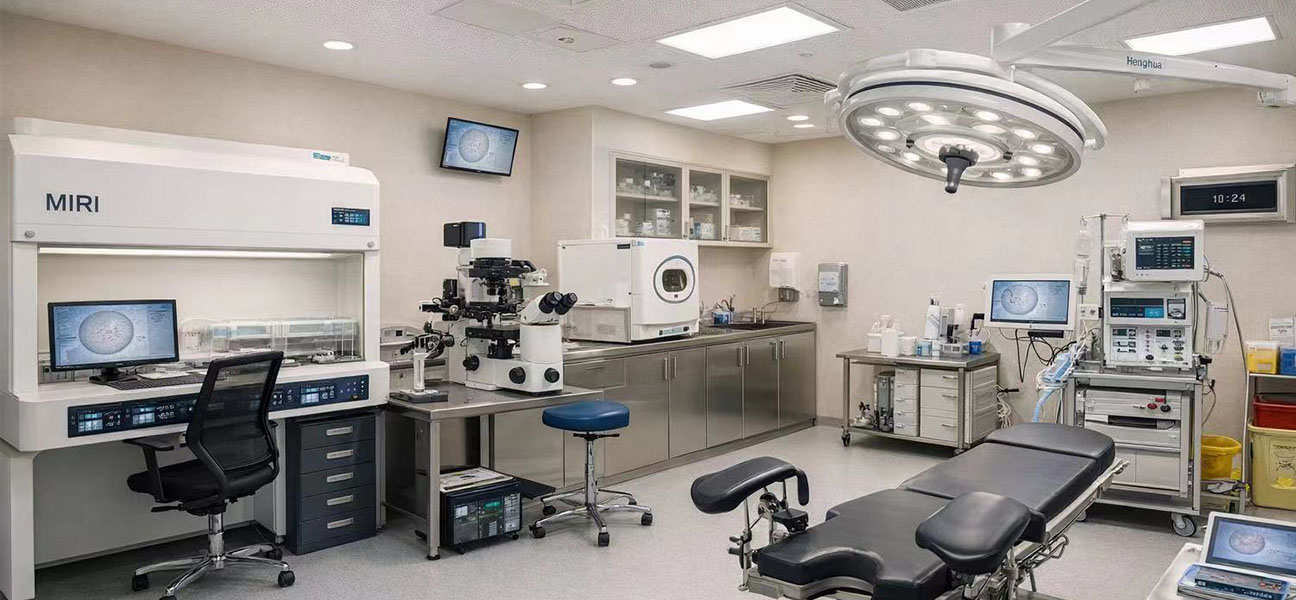
Direct Answer: How Much Does Embryo Freezing Actually Cost in Hong Kong?
Embryo freezing costs at Hong Kong fertility centers are typically divided into two parts: the initial freezing processing fee and the annual storage fee. The price range for a single freeze (including embryo vitrification, freezing carrier, and pre-processing) is HKD 8,000 – 15,000, depending on the number of embryos frozen (usually charged per straw/vial, each vial can hold 1-2 embryos). The annual storage fee (i.e., cryopreservation maintenance fee) is approximately HKD 4,000 – 8,000/year, with most centers requiring annual prepayment. If you choose blastocyst stage freezing, some laboratories may charge an additional 10%-20% due to the higher precision required.
A real case: Patient A froze 6 day-5 blastocysts (divided into 3 vials) at a large fertility center. The initial freezing fee was HKD 11,500, and the first year's annual fee was HKD 5,800, totaling HKD 17,300. Subsequent years only require paying the annual fee. If thawing and transfer are needed later, the thawing fee is approximately HKD 3,000-5,000 per cycle, which is not included in the freezing cost.
Key Conclusion: The comprehensive initial cost for embryo freezing in Hong Kong is around HKD 12,000-18,000 (freezing + first year storage), with subsequent annual fees of HKD 5,000-8,000. Price differences between centers mainly reflect laboratory standards, freezing technology, and additional services.
Doctor's Perspective: The Medical Logic Behind the Cost
From a reproductive endocrinologist's perspective, the cost of embryo freezing is not just a price tag; it is directly linked to three core indicators: laboratory quality, freezing technology, and embryo survival rate. All licensed fertility centers in Hong Kong must be accredited by the Hong Kong Council on Human Reproductive Technology (HFEA), and their laboratory environments meet international standards, which means the base cost cannot be too low.
Vitrification is the current mainstream technology, achieving survival rates of 95%-98% compared to slow freezing. Cost differences arise from consumables (cryoloops/straws), cryoprotectant brands, and the experience of embryologists. Some centers have different freezing strategies for blastocysts, cleavage-stage embryos, and even post-thaw embryos, and the fees reflect this technical complexity.
As a doctor, I usually advise patients evaluating freezing costs to prioritize the laboratory's survival rate data and embryo loss risk over simply comparing prices. For example, a center with an annual fee HKD 2,000 cheaper but a survival rate below 90% may result in a greater actual loss than the savings.
Easily Overlooked Details
- Number of Embryos vs. Number of Vials: Most centers charge per vial. The freezing fee for 2 embryos in one vial might be the same as for 3, but there is a "thaw all" risk during thawing—if you only need to transfer 1, you must thaw the entire vial. Some centers charge per embryo, so confirm this in advance.
- Does the Annual Fee Include "Value-Added Services"?: Some centers' annual fees cover routine viability testing (e.g., semi-annual embryo vitality monitoring), while others charge extra. It is advisable to ask if the annual fee includes remote embryo monitoring notifications or storage location reports.
- Special Costs for Cross-Border Patients: Non-Hong Kong residents need to provide an Embryo Transport Authorization Letter and blood type/infectious disease reports (valid within the validity period). If embryos need to be transported from Hong Kong to other regions, the transport company fees and customs document processing fees (approximately HKD 5,000-15,000) are not included in the freezing cost.
- Storage Duration and Embryo Disposal Terms: Hong Kong law allows embryo cryopreservation for a maximum of 10 years. Some centers require signing a "Storage Consent Form" annually. If the storage period expires without renewal or if the patient becomes unreachable, the embryos are considered "abandoned." Written notice is given before disposal, but the disposal fee (approximately HKD 2,000-4,000) is borne by the patient.
Detailed Breakdown of Cost Influencing Factors (Table)
| Influencing Factor | Cost Impact Range | Explanation |
|---|---|---|
| Embryo Developmental Stage | +10% ~ +20% | Blastocyst freezing requires more precise handling and higher consumable costs than cleavage-stage embryo freezing. |
| Number of Vials (Number of Embryos) | Charged per additional vial | Most centers charge the same for up to 3 vials; beyond that, each additional vial costs HKD 1,500-3,000. |
| Laboratory Grade (HFEA Rating) | ±15% ~ 30% | Top-rated centers (e.g., Hong Kong Sanatorium & Hospital, Union Hospital) charge higher prices but offer more stable survival rates. |
| PGT-A/PGT-M Required | +HKD 5,000 ~ +12,000 | Laser biopsy before freezing increases time and laboratory processing fees. |
| Storage Duration | Fixed annual fee | Some centers offer a 5%-10% discount for renewals after the second year. |
Common Pitfalls
- Mistaking "Freezing Fee" as "Including All Subsequent Procedures": Thawing fees, transfer operation fees, and assisted hatching fees (if needed) are usually charged separately. Always request a complete fee breakdown during consultation, not just the freezing cost.
- Ignoring Annual Fee Increase Clauses: Some contracts state "adjusted annually based on inflation," meaning the actual annual fee might increase by HKD 500-1,000 every two years. Before opting for long-term storage, confirm if a fixed annual fee agreement is available.
- Blindly Trusting "Package Deals": Some clinics bundle embryo freezing with ovulation induction, egg retrieval, and embryo culture into an "IVF package." The apparent freezing fee may be low, but the overall package price could hide markups on other items. Compare item by item.
- Forgetting to Ask About "Expired Embryo" Handling Responsibilities: If treatment is discontinued or embryos are abandoned, some centers charge a "disposal processing fee" of approximately HKD 2,000-5,000. This is often mentioned in the fine print of the contract.
Case Scenario Analysis: Cost Comparison for Two Typical Patient Types
| Patient Type | Embryo Situation | Initial Freezing Fee | First Year Annual Fee | Subsequent Annual Fee | Special Costs |
|---|---|---|---|---|---|
| Under 35, normal AMH, 15 eggs retrieved, 6 good-quality blastocysts formed | 6 blastocysts, frozen in 3 vials | HKD 11,200 | HKD 5,800 | HKD 5,800/year | None |
| 40 years old, diminished ovarian reserve, 4 eggs retrieved, 2 cleavage-stage embryos formed (day 3) | 2 cleavage-stage embryos, can be combined into 1 vial | HKD 8,500 | HKD 4,500 | HKD 4,500/year | Possible assisted hatching (+HKD 3,000) |
From the cases, even with a significant difference in the number of embryos, the annual fee gap is not large. However, for embryos undergoing PGT-A, the freezing fee is often more than double the standard cost. For older patients with fewer embryos, it is advisable to choose a center that charges per embryo rather than per vial to avoid waste.
Frequently Asked Questions
Q: What items are included in the Hong Kong embryo freezing cost?
Typically includes: embryo vitrification procedure fee, freezing media/cryoprotectants, freezing carriers (e.g., Cryotop, Cryolock), and first-year storage fee. Excludes: embryo biopsy fee (if PGT is needed), thawing fee, transfer procedure fee, embryo transport fee, and notarization fee for legal documents.
Q: Why is it more expensive in Hong Kong than in Mainland China?
Hong Kong laboratories are built to the highest international standards for infrastructure, air quality (HEPA filtration), liquid nitrogen tank monitoring systems, and backup emergency power. Additionally, medical staff salaries, rent, and insurance costs are higher in Hong Kong. However, frozen embryos in Hong Kong benefit from more robust legal protection (e.g., embryo ownership, donation/disposal terms regulated by the Human Reproductive Technology Ordinance), which is an implicit value included in the cost.
Q: Can frozen embryos be thawed in batches?
No. Embryos in the same vial must be thawed together. If you wish to keep some embryos reserved, you must inform the laboratory beforehand to separate them into different vials, which will affect the initial freezing fee (multiple vials incur higher charges).
Q: Can the annual fee be paid monthly?
The vast majority of fertility centers in Hong Kong require annual prepayment. A very small number allow semi-annual payments (with a 5% surcharge). Monthly payment is almost never offered.
Risk Reminders
⚠️ Frozen Embryos Are Not Permanently Risk-Free
- Risk of Liquid Nitrogen Shortage or Equipment Failure: Although centers in Hong Kong have dual power supplies and automatic liquid nitrogen filling alarm systems, extreme situations (e.g., typhoon disrupting logistics) could still cause storage temperature fluctuations. When choosing a center, confirm if it participates in an "International Biobank Emergency Response Network."
- Legal Risks for Embryos: If a couple divorces or one partner passes away, Hong Kong law stipulates that embryo ownership must be handled according to the agreement or court order. Without clear authorization, storage may be terminated, incurring additional legal costs.
- Risk of Embryo Thaw Failure: Even in top laboratories, the survival rate is not 100%. It is typically 92%-98%. For patients with only 1-2 embryos stored, clarify the center's failure compensation policy (some offer a discount on a subsequent fresh cycle rather than a refund).
- Cross-Border Medical Risks: Mainland Chinese patients traveling to Hong Kong must bring a recent infectious disease screening report (valid for 6 months). If the report expires, retesting adds time and cost. Check the validity before each visit to Hong Kong.
Practitioner's Observation (Reproductive Doctor's Perspective)
In my twelve years of clinical work, I have noticed that many patients focus on the "first-year price" of embryo freezing while overlooking long-term storage planning. For couples planning to use their embryos within 1-2 years, the annual fee difference is insignificant. However, for patients who need long-term storage (over 5 years) due to cancer treatment or temporary unsuitability for pregnancy, the inflation index in the annual fee and bulk storage discounts are crucial. Some centers in Hong Kong offer a "family plan" for patients storing embryos for more than 3 years—combining storage fees for the same couple, with a maximum discount of 10%. This is rarely mentioned in public promotions and requires proactive inquiry with the financial officer.
Furthermore, I strongly advise patients to keep all original freezing agreements and payment receipts. I have seen cases where a center's software system change led to the loss of patient storage records, and only the paper agreement and bank transfer records confirmed the storage status. Hong Kong law requires cryopreservation centers to back up data regularly, but human error cannot be completely eliminated.
Finally, regarding fee transparency: All licensed fertility centers in Hong Kong must display a "Price List for Major Treatment Services" (including embryo freezing fees) at the reception or on their official website. Since 2023, HFEA requires centers to list all hidden items in a standardized format. Patients have the right to request a complete price list before signing a contract and ask the doctor to explain each item. If a center refuses to provide one or gives vague answers, consider switching to another institution.
Doctor's Advice: Before making a final decision, list 3-5 Hong Kong fertility centers you are considering and obtain the following from each: ① Detailed freezing fee schedule (including thawing fee, annual fee, renewal method); ② Embryo survival rate data for the past 3 years (must be officially published by the center); ③ Clauses in the storage agreement regarding late payment and contract termination. Compare them in a table and choose the center with the highest survival rate and the most transparent hidden costs, rather than simply the lowest initial price.
0 comments