
How is the Assisted Reproduction Unit of the Chinese University of Hong Kong Medical Centre? Process and Real Experience

The Assisted Reproduction Unit of the Chinese University of Hong Kong Medical Centre offers assisted reproductive services such as IVF and artificial insemination. This article provides a detailed analysis of its treatment process, examinations, schedule, and cost structure from a real patient perspective, helping you objectively understand the centre's service features and suitable candidates.
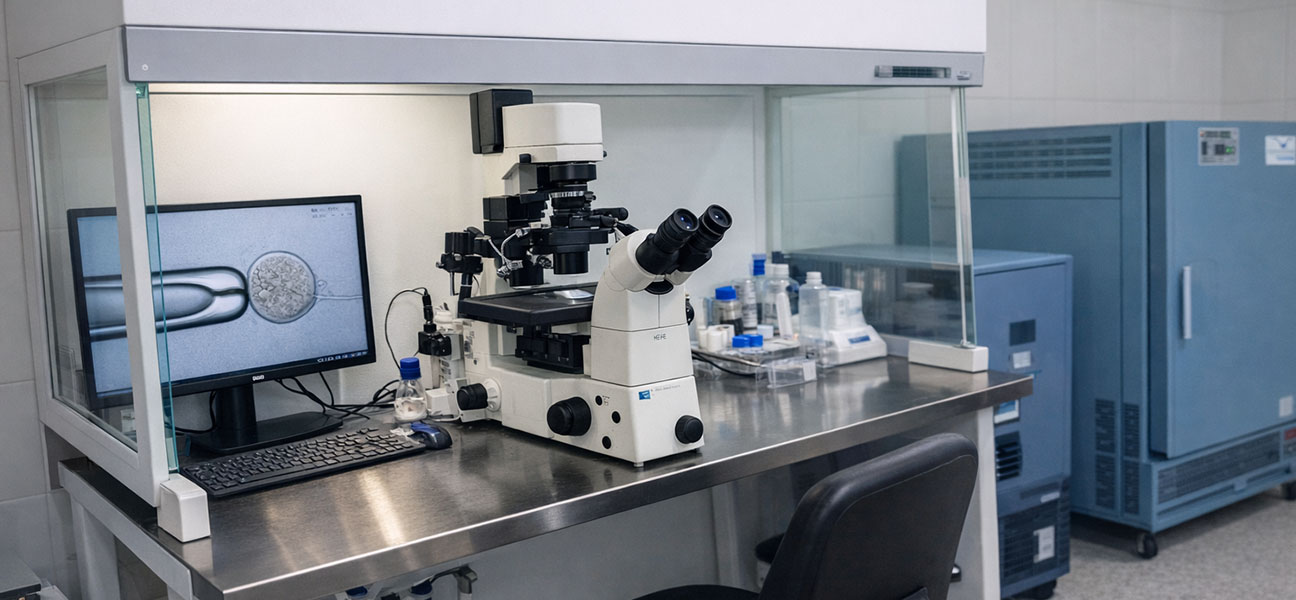
Opening: Real Consultation Scenario
Ms. Zhou, 39 years old, AMH 0.96 ng/mL, FSH 10.2 IU/L, 3 antral follicles in the left ovary and 4 in the right. She has been trying to conceive for five years and has had two failed artificial inseminations. She walked into the consultation room with a stack of mainland test reports and asked the same question: "Is the Assisted Reproduction Unit of the Chinese University of Hong Kong Medical Centre suitable for me? What is the difference compared to reproductive centres on the mainland?" This question is becoming increasingly common in reproductive medicine clinics — not simply "is it good," but "is it suitable for my situation."
Before answering this question, a premise needs to be clarified: no reproductive centre is "universal." Each centre has different target populations, technical focuses, operational procedures, and cost structures. Compatibility is often more important than reputation.
Core Positioning of the Assisted Reproduction Unit of the Chinese University of Hong Kong Medical Centre
The Assisted Reproduction Unit of the Chinese University of Hong Kong Medical Centre (CUHK Medical Centre Assisted Reproduction Unit) is a reproductive medicine centre based on a university teaching hospital platform. It offers a full range of assisted reproductive services from basic fertility assessment to preimplantation genetic testing (PGT). Its positioning can be summarised as: a refined reproductive centre with genetic screening capabilities, targeting middle-aged, older, and complex infertility patients, with an outpatient-focused approach.
When is it suitable to choose this centre?
- Age over 38, with diminished ovarian reserve (AMH 0.5-1.5 ng/mL), requiring a refined ovarian stimulation protocol
- Having a clear genetic history or chromosomal abnormality, requiring preimplantation genetic testing (PGT)
- Repeated implantation failure (RIF), wishing to investigate endometrial receptivity and embryonic factors
- High demand for time efficiency in medical visits, hoping to shorten the duration of each stay in Hong Kong
- Willing to accept standardised diagnostic and treatment pathways under a teaching hospital system
When is it not suitable?
- Complete ovarian failure (AMH below 0.1 ng/mL, FSH persistently above 25 IU/L); egg donation is not within the routine services of this centre
- Severe endometrial pathology (e.g., severe intrauterine adhesions, active endometrial tuberculosis) not yet treated
- Complete azoospermia (non-obstructive) in the male partner without prior arrangement for sperm donation channels
- Need for urgent egg or sperm freezing (the centre has a longer appointment cycle and is not suitable for emergencies)
- Very limited budget, seeking a low-cost plan under HKD 80,000
Simply put, this centre is more suitable for those who "need precise embryo selection" and "still have some ovarian reserve." If you have already reached the stage of ovarian failure or need egg or sperm donation, this centre is not the first choice.
Actual Treatment Process: From Initial Consultation to Pregnancy Test
The following process is based on the centre's standard operating pathway; individual differences will be adjusted after consultation with the doctor.
Phase 1: Initial Consultation and Fertility Assessment
- Appointment Method: By phone or online. Initial consultations usually need to be booked 2-4 weeks in advance. The centre operates on a full appointment system and does not accept walk-ins without an appointment.
- Initial Consultation Content: Reproductive doctor consultation + vaginal ultrasound (antral follicle count) + issuing test orders. The doctor will systematically review past medical history, including surgical history, miscarriage history, previous ovarian stimulation protocols and responses.
- Required Tests: Female — AMH, FSH, LH, E2, P4, thyroid function, infectious disease screening (Hepatitis B, Hepatitis C, HIV, Syphilis), complete blood count, coagulation function. Male — Semen analysis (must be done in Hong Kong), infectious disease screening. Chromosomal karyotype analysis (if not already done).
- Use of Mainland Reports: Some tests (e.g., AMH, chromosomes, infectious diseases) may accept reports from mainland tertiary hospitals within 6 months. However, semen analysis and vaginal ultrasound must be repeated in Hong Kong.
Phase 2: Protocol Formulation and Ovarian Stimulation
- The doctor formulates an ovarian stimulation protocol based on AMH, antral follicle count, age, and previous response. Common protocols: Antagonist protocol (suitable for AMH 0.5-1.5), Short-acting long protocol (suitable for AMH >1.5), PPOS protocol (suitable for AMH <0.5).
- The ovarian stimulation period lasts approximately 10-14 days, during which 4-6 monitoring visits (ultrasound + blood draw) are required. The centre requires patients to stay in Hong Kong or reside in Shenzhen and cross the border daily during the stimulation period.
- The trigger shot injection time is precise to the minute and is arranged uniformly by the nursing team.
Phase 3: Egg Retrieval and Sperm Collection
- Egg retrieval surgery is performed under intravenous sedation and takes about 15-20 minutes. Patients can be discharged after 2 hours of observation if no abnormalities occur.
- Sperm collection is done on the same day as egg retrieval. If the male partner has difficulty producing a sample, frozen sperm can be arranged in advance as a backup.
- The laboratory will perform fertilisation (IVF or ICSI) 4-6 hours after egg retrieval.
Phase 4: Embryo Culture and Transfer
- Embryos are cultured to day 3 (cleavage stage) or day 5-6 (blastocyst stage). The decision to culture to blastocyst depends on the number and quality of embryos.
- If PGT is performed, a biopsy is taken at the blastocyst stage, and results take approximately 2-4 weeks.
- Fresh transfer: Transfer occurs on day 3-5 after egg retrieval. Frozen embryo transfer: Requires endometrial preparation in the next cycle.
- Transfer procedure does not require anaesthesia and takes about 5-10 minutes.
Phase 5: Luteal Support and Pregnancy Test
- After transfer, progesterone gel or oral dydrogesterone is used for luteal support.
- A blood test for HCG is done 12-14 days after transfer. If positive, luteal support continues until 8-10 weeks of gestation, then gradually tapered.
Schedule: How Long Does a Complete Cycle Take
| Phase | Time Required | Number of Visits to Hong Kong |
|---|---|---|
| Initial Consultation & Assessment | 1 day (some test results take 3-5 days) | 1 visit |
| Ovarian Stimulation | 10-14 days | 4-6 visits (or stay in Hong Kong) |
| Egg Retrieval + Embryo Culture | 3-6 days | 1-2 visits |
| PGT Genetic Testing (if applicable) | 2-4 weeks (can leave Hong Kong during waiting period) | 0 visits |
| Frozen Embryo Transfer (if applicable) | Endometrial preparation 10-14 days + Transfer 1 day | 3-4 visits |
| Total Cycle (Fresh Transfer) | Approximately 6-8 weeks | 6-9 visits |
| Total Cycle (Frozen Embryo + PGT) | Approximately 10-14 weeks | 7-10 visits |
Compared to some reproductive centres on the mainland, the cycle duration at this centre is not significantly shorter, but the "effective density" of each visit to Hong Kong is higher — meaning each trip accomplishes key steps, reducing unnecessary waiting time.
Cost Breakdown: Which Factors Affect the Final Expense
The costs at the Assisted Reproduction Unit of the Chinese University of Hong Kong Medical Centre are in the mid-to-high range among similar institutions, but not the highest. The cost structure is transparent, but individual differences exist.
| Item | Cost Range (HKD) | Description |
|---|---|---|
| Initial Consultation Fee | 1,500-2,500 | Doctor consultation + basic ultrasound |
| Fertility Test Package | 5,000-8,000 | Includes AMH, hormones, semen analysis, infectious diseases, etc. |
| Ovarian Stimulation Medication | 18,000-38,000 | Domestic vs. imported, dosage varies per individual |
| Egg Retrieval Surgery + Anaesthesia | 42,000-55,000 | Includes operating room fees, consumables, anaesthesia fees |
| Embryo Culture + Transfer | 35,000-48,000 | Includes IVF/ICSI, culture fees, transfer surgery fees |
| PGT-A Genetic Screening | 28,000-42,000 | Charged per embryo, generally includes up to 8 embryos |
| Frozen Embryo Storage Fee | 4,000-6,000/year | Charged annually |
| Frozen Embryo Transfer Cycle | 22,000-32,000 | Includes endometrial preparation, transfer surgery, luteal support |
The three variables that most affect the cost:
- Type and dosage of ovarian stimulation medication: Imported recombinant FSH is about 40% more expensive than urinary-derived FSH, and high-dose protocols (over 300 IU per day) significantly increase costs.
- Whether PGT is performed: The cost difference between PGT-A and PGT-M is about HKD 10,000-20,000, and biopsy requires a frozen embryo transfer, adding the cost of an additional transfer cycle.
- Number of transfers: If the first transfer fails, each subsequent frozen embryo transfer requires an additional payment of HKD 22,000-32,000.
A fresh transfer cycle without PGT costs approximately HKD 120,000-160,000 in total. A frozen embryo transfer cycle with PGT costs approximately HKD 180,000-240,000 in total.
Doctor's Perspective: Three Core Assessment Dimensions for Reproductive Medicine Decisions
In actual clinical practice, reproductive doctors focus on three dimensions to determine whether treatment at this centre is suitable and which protocol to choose.
Dimension 1: Ovarian Reserve
AMH and antral follicle count are core indicators for assessing the ovaries' response to stimulation medication. When AMH is between 0.5-1.5 ng/mL, doctors tend to use a mild stimulation protocol (e.g., antagonist + letrozole), aiming for 3-6 mature follicles rather than maximising quantity. When AMH is below 0.5 ng/mL, doctors may recommend a "cumulative cycle" strategy — retrieving eggs over multiple cycles to accumulate embryos before transfer.
Dimension 2: Endometrial Receptivity
For patients with repeated implantation failure, doctors may recommend hysteroscopy + endometrial gene expression profiling (ERA). This centre routinely performs ERA testing, which can precisely determine the window of implantation, allowing transfer timing to be accurate to the hour. This is a highly valuable test that is often overlooked.
Dimension 3: Male Semen Quality
Sperm DNA fragmentation index (DFI) in semen analysis is a frequently overlooked indicator. When DFI is above 30%, even if morphology and density are normal, it can significantly affect blastocyst formation and implantation rates. Based on the DFI value, the doctor will decide whether to use IMSI (high-magnification sperm selection) or testicular sperm extraction.
"Many patients focus all their attention on the eggs, but in cases of repeated implantation failure or embryo developmental arrest, about 35% are related to male sperm quality. DFI is an indicator that should be routinely screened, especially in the advanced maternal age population." — Clinical observation from the Reproductive Medicine Centre
Easiest Details to Overlook: Five Key Points
- Semen analysis must be done in Hong Kong. The completeness and standardisation of semen analysis in most mainland hospitals differ from Hong Kong. This centre does not accept mainland semen reports; testing must be repeated in Hong Kong. This means the male partner needs to travel to Hong Kong at least once.
- Cross-border transportation of ovarian stimulation medication. Ovarian stimulation medications (e.g., Gonal-f, Puregon) must be stored at 2-8°C. Patients travelling from the mainland to Hong Kong for treatment who need to bring medication across the border must use a portable cooler bag and keep the prescription and invoice. For some medications purchased on the mainland and brought into Hong Kong for use, customs policies should be confirmed in advance.
- Visa arrangements for frozen embryo transfer. Frozen embryo transfer cycles require multiple visits to Hong Kong for endometrial monitoring, each stay lasting 1-2 days. If using a Mainland Travel Permit for Hong Kong and Macao, ensure the endorsement is valid and has sufficient entries. It is advisable to apply for a multiple-entry endorsement in advance.
- Validity period of chromosome reports. Chromosomal karyotype analysis reports are valid for life, but some centres require complete blood count and infectious disease reports from the last 6 months. It is best to bring all historical reports to the initial consultation to avoid repeat testing.
- Time cost of genetic counselling. If there is a family genetic history, genetic counselling + family verification + embryo testing protocol development must be completed before starting the cycle. This process usually takes 2-3 months. Do not wait until after egg retrieval to realise PGT is needed.
Frequently Asked Questions: The Five Most Common Questions from Patients
Question 1: What documents do mainlanders need to do IVF at the Chinese University of Hong Kong Medical Centre?
A valid Mainland Travel Permit for Hong Kong and Macao + a valid endorsement (either individual visit or family visit endorsement is acceptable). No additional medical visa is required. However, note that both "Individual Visit (G签)" and "Group Visit (L签)" endorsements are acceptable; L签 no longer requires joining a tour group and allows independent border crossing.
Question 2: Can I use test reports from mainland hospitals?
Partially. Specific requirements are as follows: AMH, infectious disease screening, chromosomal karyotype analysis, thyroid function, complete blood count — reports from mainland tertiary hospitals within 6 months are accepted. Semen analysis, vaginal ultrasound, hysteroscopy — must be repeated in Hong Kong. Hormone panel (six items) — if tested on day 2-4 of the menstrual cycle and the report is within 3 months, it can be used as a reference but not as the sole basis.
Question 3: How many times do I need to go to Hong Kong?
A complete fresh transfer cycle requires approximately 6-9 visits to Hong Kong. For a frozen embryo transfer + PGT cycle, approximately 7-10 visits are needed. Each stay ranges from 1 to 3 days. For patients from distant locations (e.g., Beijing, Chengdu), it is recommended to stay in Hong Kong or reside in Shenzhen during the ovarian stimulation period to reduce back-and-forth travel.
Question 4: What is the fastest time from initial consultation to transfer?
If all tests are complete and PGT is not needed, the fastest time is about 5-6 weeks. If PGT is required or abnormal test results need to be addressed (e.g., endometrial polyps, thyroid dysfunction), it will take 8-14 weeks.
Question 5: Does the centre offer traditional Chinese medicine (TCM) conditioning or adjunctive therapy?
This centre focuses on Western reproductive medicine and does not have a TCM clinic. However, doctors will advise patients on nutritional support and lifestyle adjustments before starting the cycle, including taking Coenzyme Q10, Vitamin D, Omega-3, as well as weight control and regular sleep patterns. Some patients may choose to incorporate TCM conditioning on their own, but they must inform the reproductive doctor of any TCM ingredients used to avoid drug interactions.
Practitioner's Observation: Three Characteristics of the Centre's Actual Operation
Based on long-term observation of the centre's operational model, the following three characteristics are worth noting for patients:
- Strict appointment system, difficult to get a walk-in appointment. Unlike some mainland hospitals where on-site registration is possible, all consultations at this centre require advance booking. The waiting time for an initial consultation appointment is about 2-4 weeks. Monitoring appointments during ovarian stimulation are relatively flexible. It is advisable to plan the entire cycle schedule in advance.
- High laboratory quality control standards. As a teaching hospital, its embryology laboratory regularly participates in international external quality assessment (EQA) schemes, with systematic procedures for culture media quality control, incubator monitoring, and standardised embryo assessment. This has a positive impact on embryo development to the blastocyst stage.
- High proportion of older patients and genetic counselling cases. Among the patients seen, approximately 45% are women over 38, 30% have genetic counselling or PGT needs, and the remainder have repeated implantation failure or tubal factors. This means the centre has relatively rich experience in handling complex cases, but it also indicates that the overall patient population is older. Do not use individual success rates to simply infer your own situation.
Risk Reminder:
There are clear individual differences in assisted reproductive treatment. Age is the most important factor affecting success rates; for women over 38, the live birth rate decreases progressively with each additional year. For those with diminished ovarian reserve (AMH below 0.5 ng/mL), the probability of obtaining a transferable embryo from a single egg retrieval is significantly reduced. It is recommended to complete a comprehensive fertility assessment before starting treatment and fully discuss expected outcomes and potential risks at each stage with your doctor. Do not rely solely on individual experiences or online sharing as the basis for treatment decisions. Each patient's combination of causes, physical response, and embryo development trajectory is unique, and reasonable treatment expectations should be established.
Suggestions for Next Steps:
If you are considering this centre, it is recommended to complete three things first: ① Organise all past test reports, especially AMH, chromosomes, semen analysis, and hysteroscopy records; ② Confirm the validity of your Mainland Travel Permit for Hong Kong and Macao and the number of available endorsements; ③ Call the centre's appointment hotline to confirm the waiting time for an initial consultation and the required documents. Completing these three steps before making an appointment can save at least 2 weeks of time.
0 comments