
How About Embryo Donation Technology in Hong Kong? Legal Conditions, Process, Suitable Candidates, and Risks – A Comprehensive Analysis

Embryo donation technology in Hong Kong is a special option in the field of assisted reproduction, suitable for families with surplus embryos or infertile patients in need of embryo donation. This article provides an objective analysis from four dimensions: legal conditions, procedural steps, suitable candidates, and potential risks, helping readers understand the practical application and considerations of embryo donation technology in Hong Kong.
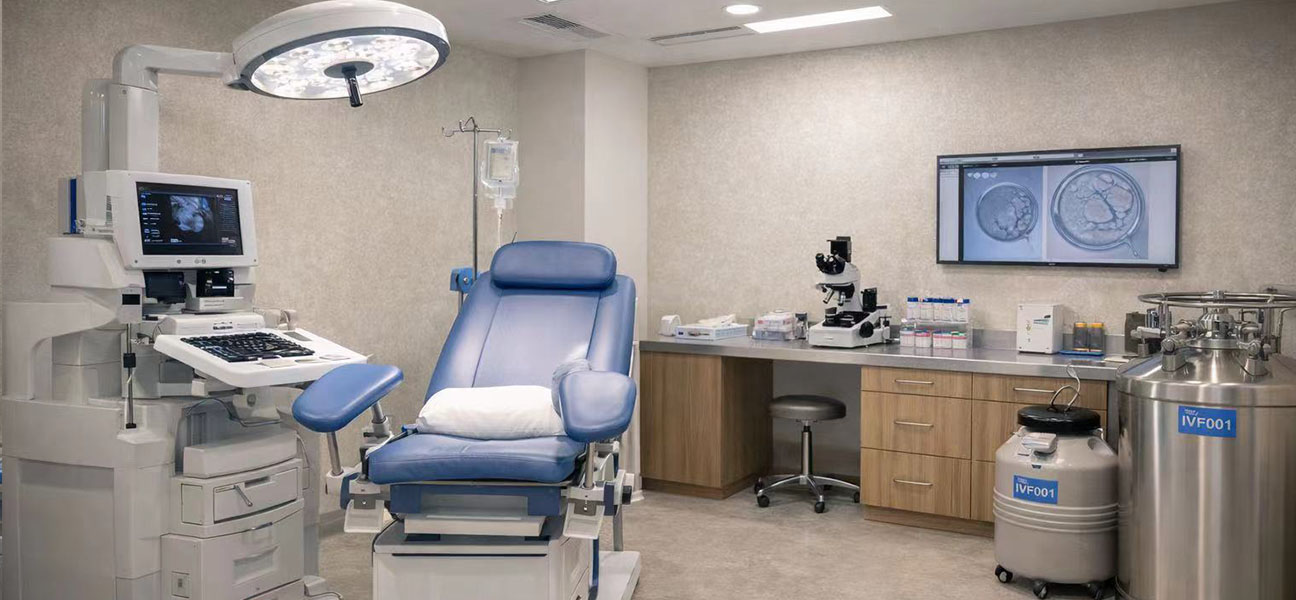
Opening with a real consultation scenario
▍Consultation Dialogue
A 43-year-old woman sat across from me, married for 12 years, having attempted IVF 6 times, with 4 egg retrievals yielding only 2 transferable embryos, both of which failed to implant. She asked directly: “I’ve looked into embryo donation. Is it possible in Hong Kong? Using someone else’s embryo, is it legally allowed? What is the success rate?” This was the seventh time in the past year I had been asked the exact same question.
1. Basic Definition and Legal Framework of Embryo Donation Technology in Hong Kong
1.1 What is Embryo Donation
Embryo donation refers to a process where a couple who has completed their own assisted reproductive treatment voluntarily relinquishes all rights to their surplus frozen embryos, after giving informed consent, and donates them to another infertile couple who cannot use their own gametes for medical reasons. The recipient uses embryo transfer technology to place the donated embryo into the uterus in hopes of achieving pregnancy. In Hong Kong, this practice is strictly regulated by the Human Reproductive Technology Ordinance (Cap. 561).
1.2 Key Legal Provisions in Hong Kong
- Donor Eligibility Restrictions: Donors must be a legally married couple who have completed their own IVF treatment, and the surplus embryos must have been lawfully produced during treatment. Single individuals or unmarried couples cannot act as donors.
- Informed Consent and Waiver of Rights: Donors must sign a written consent form explicitly waiving all rights to the embryos, including future parental rights, custody rights, and any decision-making power regarding the use of the embryos.
- Recipient Assessment Requirements: Recipients must undergo comprehensive medical, psychological, and legal counseling to ensure they understand the medical and legal implications of embryo donation.
- Prohibition of Commercialization: Hong Kong law strictly prohibits the buying and selling of embryos. Donation must be voluntary and involve no monetary transaction, though donors may be compensated for direct expenses incurred during storage and transfer.
- Traceability of Embryo Source: All donated embryos must be registered with the Council on Human Reproductive Technology to ensure traceability of origin, but the identity information of donors and recipients remains mutually anonymous.
▪ Core Conclusion: Embryo donation is permitted in Hong Kong, but the legal framework is very strict, with stringent conditions for both donors and recipients. Any intermediary claiming “guaranteed success” or “quick matching” does not comply with Hong Kong regulations.
2. Suitable and Unsuitable Candidates
2.1 Candidates Suitable for Considering Embryo Donation
| Situation | Specific Description |
|---|---|
| Ovarian Failure | Advanced age or premature ovarian insufficiency, unable to obtain own eggs, or repeated egg retrievals yield no usable embryos. |
| High Risk of Genetic Disease | One or both partners carry a serious genetic disorder, and PGT cannot screen out completely normal embryos. |
| Repeated IVF Failure | Experienced ≥3 transfers of good-quality embryos without pregnancy, and uterine or immune factors have been ruled out, suggesting egg or embryo factors. |
| Iatrogenic Absence of Germ Cells | Permanent loss of ovarian function due to cancer chemotherapy, radiotherapy, or ovarian surgery. |
| Advanced Age with Consistently Poor Embryo Quality | Female age ≥42 years, with embryo grading below BB level for two consecutive cycles and no trend of improvement. |
2.2 Situations Where Caution is Needed or Unsuitable
- Unresolved Uterine Factors: Severe intrauterine adhesions, endometrial tuberculosis, or Asherman’s syndrome untreated; embryo transfer success rates are extremely low. Uterine issues should be addressed first.
- Uncontrolled Systemic Diseases: Such as unstable diabetes, thyroid dysfunction, or active autoimmune diseases.
- Insufficient Psychological Preparation: Families with significant psychological conflict regarding the parent-child relationship with a donated embryo or future disclosure of the child’s origins should first complete professional psychological counseling.
- Unclear Legal Understanding: Those who do not understand the legal consequences of embryo donation, or who expect to establish contact with the donor or obtain additional information.
⚠ Doctor’s Reminder: Embryo donation is not a “last resort” but rather “another option.” Before considering it, be sure to complete a comprehensive reproductive assessment to rule out correctable factors. About 15% of candidates discover they still have a chance to use their own embryos after completing the evaluation.
3. Actual Process and Timeline
3.1 Recipient Process (From Initial Consultation to Transfer)
| Stage | Key Matters | Time Required |
|---|---|---|
| ① Initial Assessment | Reproductive specialist + psychologist + legal consultation; complete basic fertility assessment (hormone panel, AMH, antral follicle count), infectious disease screening, hysteroscopy. | 2~4 weeks |
| ② Matching Application | Submit an application for donated embryos to a licensed reproductive center and join the waiting list. Matching time varies depending on the embryo inventory and compatibility with recipient conditions. | 1~12 months |
| ③ Donated Embryo Confirmation | Review embryo grading and genetic screening records; sign recipient informed consent and legal agreements. | 1~2 weeks |
| ④ Endometrial Preparation | Prepare the endometrium using a hormone replacement cycle or natural cycle to achieve appropriate thickness (usually ≥7mm) and pattern. | 2~4 weeks |
| ⑤ Embryo Thawing and Transfer | Thaw the embryo on the day of ovulation or as specified in the hormone cycle, and perform the embryo transfer procedure (takes about 5~10 minutes). | 1 day |
| ⑥ Luteal Support and Pregnancy Test | Use progesterone medications for support after transfer; blood test for β-hCG on days 10~14. | 2 weeks |
The entire process takes approximately3~6 months (excluding the matching waiting period). The matching wait time varies significantly depending on embryo inventory, blood type, HLA matching requirements, and other factors.
3.2 Donor Process (Pathway for Surplus Embryos)
- Confirm Surplus Embryos: After completing their own treatment, donors have frozen embryos of acceptable quality that meet donation standards.
- Informed Consent Procedure: Sign the donation consent form under the guidance of the reproductive center’s ethics committee, explicitly waiving all ownership rights.
- Medical Screening: Donors must undergo repeat testing for infectious diseases (HIV, hepatitis B, hepatitis C, syphilis, etc.) to ensure the embryos pose no infectious risk.
- Legal Registration: The center submits the donation information to the Council on Human Reproductive Technology for registration, and the embryos enter the anonymous donation bank.
4. Most Easily Overlooked Details
4.1 Relationship Between Embryo Grading and Pregnancy Rate
The quality of donated embryos directly affects pregnancy outcomes. Hong Kong reproductive centers typically classify embryos into grades A, B, and C. The implantation rate for grade A (good-quality blastocysts) is about 40%~55%, for grade B 25%~40%, and for grade C below 20%. Recipients should proactively request to see the embryo grading records during matching, rather than relying solely on verbal descriptions. Many applicants overlook this, leading to lower-than-expected results after transfer.
4.2 Recipient Age Remains Crucial
Although the embryos come from younger donors, the recipient’s uterine receptivity, endometrial blood flow, and immune status are still age-related. Local data shows that for recipients aged <40, the live birth rate with donated embryos is about 38%~48%; for those ≥42, it drops to 28%~35%. The age factor does not disappear simply because donated embryos are used.
4.3 Detailed Clauses in Legal Agreements
Hong Kong legal agreements explicitly state: donors waive all rights; recipients gain full ownership and usage rights of the embryos; the future child has no legal relationship with the donor. However, agreements often include clauses about “what happens to the embryo if the recipient divorces or dies before transfer,” which are easily overlooked.
4.4 Psychological Assessment is Not a Mere Formality
Many applicants treat the psychological assessment as a “routine form-filling exercise,” but the evaluation explores core issues such as “whether to tell the child about their origins in the future” and “whether both partners have consistent attitudes toward donated embryos.” Cases of failing the assessment are not uncommon, often because one partner is not yet psychologically prepared.
▪ Practitioner’s Observation: The most common pitfall is thinking that “the pregnancy rate with donated embryos is unrelated to my age.” In reality, factors such as recipient age, endometrial condition, and the presence of adenomyosis can create a difference of up to 20 percentage points in pregnancy rates. Be sure to complete a comprehensive evaluation before matching, and do not skip any tests.
5. Common Risks and Considerations
5.1 Medical Risks
- Embryo Thawing Damage: Although vitrification technology is well-established, about 1%~3% of embryos may suffer damage or degeneration during thawing, making them untransferable.
- Multiple Pregnancy Risk: If two embryos are transferred, the twin pregnancy rate is about 25%~35%. Multiple pregnancies significantly increase the risk of preterm birth, gestational hypertension, diabetes, and other complications.
- Miscarriage Rate: The miscarriage rate for donated embryos is about 12%~18%, related to recipient age and embryo grading, and is slightly lower than with own eggs (due to lower rates of chromosomal abnormalities in embryos).
5.2 Psychological and Social Risks
- Parent-Child Bonding: Some recipient parents experience a sense of psychological detachment during the second trimester or after birth due to the lack of a genetic link. Pre-pregnancy psychological preparation is recommended.
- Decision to Tell the Child: Whether and when to inform the child about their embryo donation background is not legally regulated in Hong Kong, but most psychological experts recommend disclosing it at an appropriate age and in a suitable manner.
5.3 How to Evaluate and Choose
| Decision Dimension | Specific Considerations |
|---|---|
| Reliability of Embryo Source | Choose a licensed reproductive center holding a valid license from the Council on Human Reproductive Technology, ensuring legal embryo sources and complete records. |
| Transparency of Embryo Quality | Request objective data such as embryo grading, freezing duration, and thaw survival rate. Do not accept “verbal guarantees.” |
| Center Experience | Prioritize centers with an annual transfer volume >500 cycles and a dedicated embryo donation process. |
| Multidisciplinary Support | A team including reproductive doctors, psychologists, and legal advisors offers better assurance. |
6. Frequently Asked Questions
6.1 How long is the waiting time for embryo donation in Hong Kong?
The matching waiting time varies greatly. If the recipient has no special requirements for blood type or HLA and accepts embryos of grade C or above, the wait may be 1~3 months. If grade A embryos or specific blood types are required, the wait may extend to 6~12 months. It is advisable to clearly state your matching priorities during the initial consultation.
6.2 What is the pregnancy rate for donated embryos?
According to the 2022 report from the Hong Kong Council on Human Reproductive Technology, the clinical pregnancy rate for donated embryos is about 42%~50% (gestational sac visible on ultrasound at 4~5 weeks post-transfer), and the live birth rate is about 32%~40%. Data varies depending on embryo grading, recipient age, and center techniques. Any claim of “guaranteed success” is unreliable.
6.3 Can the donor know the recipient’s information?
No. Hong Kong law follows a double-blind principle, meaning donors and recipients remain mutually anonymous. However, medical information about the embryo (such as grading and genetic screening results) is provided to the recipient while protecting privacy.
6.4 Should one or two donated embryos be transferred?
Most Hong Kong reproductive centers recommend single embryo transfer, especially when the embryo is graded A or B. Double embryo transfer may increase the pregnancy rate per cycle, but it significantly raises obstetric risks associated with twin pregnancies. The final decision should be made through comprehensive discussion considering the recipient’s age, uterine condition, and patient preference.
7. Doctor’s Decision-Making Logic and Final Recommendations
From a reproductive doctor’s perspective, embryo donation is suitable for patients who have clearly determined that they cannot obtain usable embryos from their own gametes and who have good uterine conditions. The decision pathway is typically as follows:
- Step 1: Confirm no usable own embryos. After at least 2 egg retrieval cycles or a cumulative total of <3 transferable embryos, with embryo quality consistently at grade C or below.
- Step 2: Rule out uterine factors. Hysteroscopy + endometrial microbiome + immunohistochemistry to confirm normal endometrial receptivity.
- Step 3: Complete psychological and legal preparation. Both partners have a consistent understanding of embryo donation, accept the principle of anonymity, and have no unresolved psychological conflicts.
- Step 4: Matching and transfer. Complete matching at a正规 center, and do not trust “fast-track” or “special channels.”
⏰ Time Planning Reminder: From the initial consultation to completing matching takes an average of 2~3 months. Adding endometrial preparation and the transfer cycle, the overall time budget should be at least 4~6 months. For older recipients (≥40 years), it is advisable to enter the matching process as soon as possible after completing the evaluation, to avoid further loss of uterine receptivity due to waiting.
The content of this article is based on general knowledge in the Hong Kong assisted reproduction industry and is not intended as individual medical advice. Specific plans should be determined through in-person discussion with a licensed reproductive doctor.
0 comments