
Hong Kong IVF Knowledge: Process, Costs, Conditions, and Precautions Explained

Hong Kong IVF knowledge, detailed analysis of Hong Kong IVF process, cost structure, eligibility conditions, examination items, and legal policies. Helps users fully understand the actual situation, precautions, and decision-making points of assisted reproduction in Hong Kong.
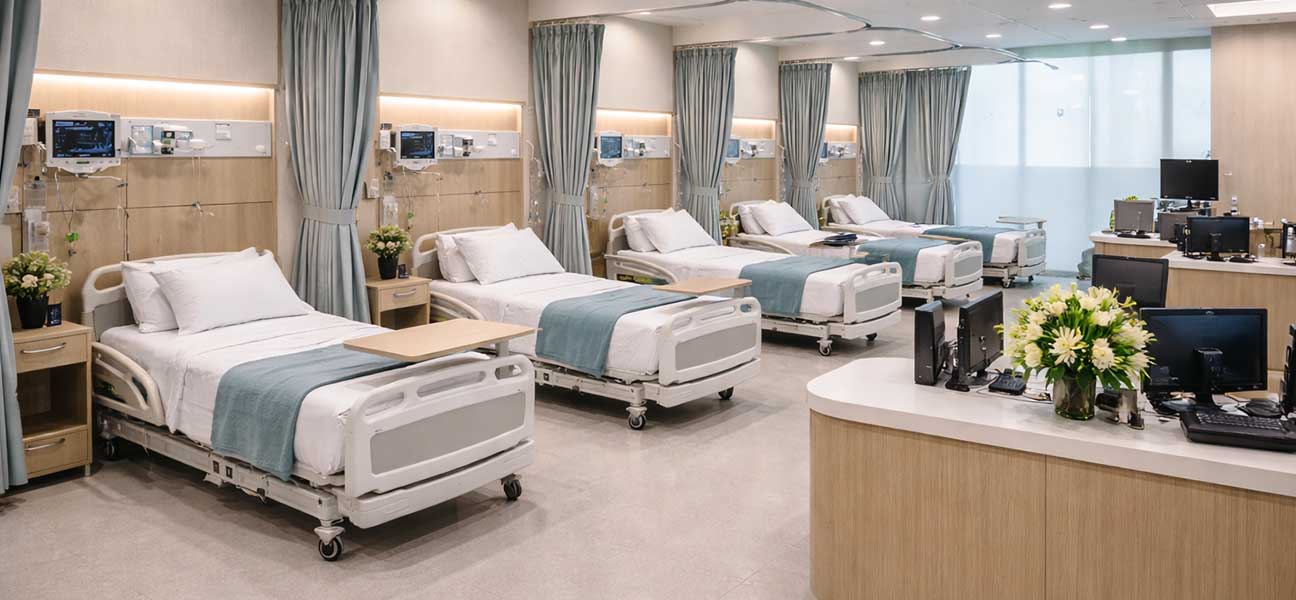
Opening: Real consultation scenario
"Doctor, we want to know how Hong Kong IVF is specifically done, how long it takes, and how much it costs?" In the reproductive medicine clinic, this is the most common question asked by couples planning to go to Hong Kong for assisted reproduction. Hong Kong has an international medical system and clear assisted reproduction regulations, attracting many families in need. This article systematically sorts out the core knowledge of Hong Kong IVF from a clinician's perspective, helping you build a comprehensive and objective understanding.
What is the basic process of Hong Kong IVF?
Hong Kong IVF (In Vitro Fertilization) is an assisted reproductive technology where eggs and sperm are combined outside the body to form embryos, which are then transferred back into the uterus. The standard process includes: Pre-examination and evaluation → Ovarian stimulation → Egg retrieval → Sperm processing → In vitro fertilization and embryo culture → Embryo transfer (fresh or frozen) → Luteal support and pregnancy test. Depending on the patient's specific situation, additional steps such as PGT (Preimplantation Genetic Testing) may be added. The entire cycle is usually completed within 2 to 3 months and requires the cooperation of both partners.
Module C: Doctor's PerspectiveHow do doctors view the impact of age and ovarian reserve on IVF?
In clinical decision-making, age is one of the most critical factors affecting IVF success rates. After the age of 35, both the quantity and quality of a woman's eggs decline significantly, and the rate of chromosomal abnormalities increases with age. AMH (Anti-Müllerian Hormone), FSH (Follicle-Stimulating Hormone), and Antral Follicle Count (AFC) are key indicators for assessing ovarian reserve.
When is IVF suitable? For women under 35 with normal ovarian reserve, infertility due to tubal factors or male factors, the IVF success rate is relatively high. When is it unsuitable? Severe systemic diseases that cannot tolerate pregnancy, uncontrolled endometrial pathology, or situations not permitted by law (e.g., not meeting Hong Kong's Assisted Reproduction Regulations) are unsuitable.
Why is age so important? Because the mitochondrial function and chromosome separation mechanisms of oocytes decline with age, which is currently irreversible by medicine. For older women or those with low ovarian reserve, it is recommended to start the cycle as early as possible and not to delay excessively.
Doctor's Opinion: When AMH is below 1.1 ng/mL or FSH is above 10 IU/L, ovarian response may be poor, requiring individualized adjustment of the ovarian stimulation protocol. However, low AMH does not mean there is no chance; the key is to combine it with the antral follicle count and medical history for a comprehensive assessment.
Specific steps of the Hong Kong IVF process
The following process is based on the routine operations of Hong Kong fertility centers. The actual arrangement may vary slightly depending on the hospital and individual circumstances.
Step 1: Initial Consultation and Evaluation
Both partners need to bring identification documents (Mainland Travel Permit for Hong Kong and Macau, Marriage Certificate) to the Hong Kong fertility center for an in-person consultation. The doctor will take a detailed history of both partners' medical history, fertility history, surgical history, etc., and perform a basic physical examination. It is advisable to understand in advance how to prepare the documents for Hong Kong IVF and ensure the documents are valid.
Step 2: Physical Examination
Examination items for women in Hong Kong IVF include: AMH, FSH, LH, Estradiol, Thyroid function, Infectious disease screening (Hepatitis B, Syphilis, HIV, etc.), Chromosomal karyotype analysis, Uterine cavity ultrasound, etc. Examination items for men in Hong Kong IVF include: Semen analysis, Sperm morphology examination, Infectious disease screening, Chromosomal karyotype analysis, etc. When should the examinations for Hong Kong IVF be done? It is recommended to complete them 1 to 2 months before the planned cycle start. Some tests (like chromosomal karyotype) only need to be done once in a lifetime, while results for infectious disease screening and semen analysis are usually valid for 6 months.
Step 3: File Creation and Protocol Formulation
After all examination results are ready, the hospital creates a file. The doctor formulates an individualized ovarian stimulation protocol based on the woman's age, ovarian reserve, medical history, and other factors. What materials are needed for creating a file for Hong Kong IVF? Usually, the marriage certificate, Mainland Travel Permit for Hong Kong and Macau, ID card, and original copies plus photocopies of all examination reports are required.
Step 4: Ovarian Stimulation
Usually takes 10 to 14 days. Follicle-stimulating hormone (FSH) medications are used to stimulate the development of multiple follicles. During this period, follicle growth is monitored regularly (via vaginal ultrasound and blood hormone tests).
Step 5: Egg Retrieval Surgery
When the follicles are mature, eggs are retrieved by needle aspiration under vaginal ultrasound guidance. The surgery takes about 15 to 20 minutes and is usually performed under intravenous sedation. After retrieval, you need to rest in the hospital for 1 to 2 hours.
Step 6: In Vitro Fertilization and Embryo Culture
In vitro fertilization (conventional IVF or ICSI) is performed 3 to 6 hours after egg retrieval. The fertilized eggs are cultured in the laboratory for 5 to 6 days until the blastocyst stage. Laboratory conditions directly affect the quality of embryo development.
Step 7: PGT (if needed)
If required due to genetic diseases or chromosomal abnormalities, preimplantation genetic testing can be performed on the blastocysts. Results take about 14 to 21 days. Hong Kong law has clear regulations on the application of PGT, which is only allowed for medical indications.
Step 8: Embryo Transfer
One or two high-quality embryos are selected and transferred into the uterine cavity. The procedure takes about 5 to 10 minutes and requires no anesthesia. Remaining embryos can be frozen for storage.
Step 9: Luteal Support and Pregnancy Test
After transfer, progesterone medications are used to support the endometrium. A blood pregnancy test is done approximately 12 to 14 days later.
Module J: Time ScheduleHow long does Hong Kong IVF take: Complete timeline
From the first consultation to completing the transfer, a complete Hong Kong IVF cycle usually takes 2 to 3 months. If a frozen embryo transfer is chosen, the transfer is performed after an interval of 1 to 2 menstrual cycles following the egg retrieval cycle.
| Stage | Time Required | Remarks |
|---|---|---|
| Preparation and Examinations | 1 to 2 months | Includes document processing, physical exams, etc. |
| Ovarian Stimulation | 10 to 14 days | Requires stay in Hong Kong |
| Egg Retrieval and Embryo Culture | 3 to 6 days | Rest 1 to 2 days after retrieval |
| PGT (if needed) | 14 to 21 days | Can leave Hong Kong while waiting for results |
| Embryo Transfer | 1 day | Rest recommended for 1 to 2 days after transfer |
| Luteal Support and Pregnancy Test | 12 to 14 days | Can be done locally or back in mainland China |
How far in advance should you prepare for Hong Kong IVF? It is recommended to start preparation at least 2 to 3 months in advance, including document processing, physical examinations, lifestyle adjustments, and cycle time planning.
Module K: Cost FactorsHong Kong IVF cost structure and influencing factors
The cost of Hong Kong IVF varies depending on the hospital, protocol, medication, and technology used. The overall cost ranges are as follows:
- Basic IVF cycle: Approximately HKD 80,000 to 120,000
- Cycle including PGT: Approximately HKD 120,000 to 180,000
- Ovarian stimulation medication cost: Approximately HKD 10,000 to 30,000 (varies per person)
- Embryo freezing and storage fee: Approximately HKD 5,000 to 10,000 per year
Main factors affecting cost:
- Hospital choice: Different fertility centers have different pricing strategies; costs differ between public and private hospitals.
- Medication protocol: Imported ovarian stimulation medications cost more than domestic ones, and dosage varies per person.
- Technical needs: Whether additional technologies like ICSI or PGT are required.
- Number of transfers: If multiple transfers are needed, each transfer costs approximately HKD 20,000 to 30,000.
- Embryo freezing: Frozen embryo transfer incurs additional freezing and thawing fees.
It is recommended to request a detailed cost list from the hospital during the consultation to understand whether it includes medication, monitoring, surgery, and laboratory fees, to avoid budget shortfalls.
Module L: Examination Indicators InterpretationKey examination indicators and their clinical significance
The following indicators are core bases for doctors to assess fertility and formulate protocols.
Key indicators for women
| Indicator | Reference Range | Clinical Significance |
|---|---|---|
| AMH | >1.1 ng/mL | Assesses ovarian reserve; below 1.1 indicates diminished reserve |
| FSH | <10 IU/L | Baseline endocrine level; above 10 suggests decreased ovarian response |
| LH | 2 to 10 IU/L | Assesses endocrine status, aids in evaluating ovulatory function |
| Antral Follicle Count (AFC) | Total for both ovaries >10 | Directly reflects the number of basal antral follicles |
| Thyroid-Stimulating Hormone (TSH) | <2.5 mIU/L | Thyroid function affects embryo implantation and development |
Key indicators for men
| Indicator | Reference Range | Clinical Significance |
|---|---|---|
| Sperm concentration | ≥15 × 10⁶/mL | Assesses sperm quantity |
| Progressive motility | ≥32% | Assesses sperm motility |
| Normal morphology | ≥4% | Assesses sperm shape |
Can I still do Hong Kong IVF with low AMH? Yes, but you need to fully understand the success rate. Low AMH does not mean no eggs can be obtained, but the number of eggs retrieved may be lower. It is recommended to discuss an individualized plan with your doctor. What preparations are needed for older women doing Hong Kong IVF? Women over 35 are advised to undergo a comprehensive fertility assessment in advance, including AMH, FSH, AFC, chromosomal karyotype analysis, etc., and also need to evaluate overall health conditions such as cardiovascular and endocrine systems.
Module E: Differences Between CountriesDifferences between Hong Kong and mainland China/overseas assisted reproduction
Hong Kong's assisted reproduction system is both international and standardized, with the following differences compared to mainland China and overseas:
Hong Kong vs. Mainland China
- Legal policies: Hong Kong allows PGT for chromosomal abnormalities and genetic disease screening; mainland China has stricter restrictions. Surrogacy is prohibited in Hong Kong, while it is allowed in some parts of mainland China.
- Document requirements: Hong Kong requires a marriage certificate + Mainland Travel Permit for Hong Kong and Macau; some parts of mainland China also require a fertility service certificate.
- Medication use: Hong Kong has access to a wider variety of ovarian stimulation medications, in line with international standards.
- Language environment: Hong Kong primarily uses Cantonese and English; some hospitals offer Mandarin services.
Hong Kong vs. Overseas
- Distance advantage: Hong Kong is close to mainland China, convenient for travel, and does not require long flights.
- Cultural adaptation: The food, language, and cultural environment in Hong Kong are less different from mainland China, resulting in relatively lower psychological stress.
- Legal differences: Hong Kong has stricter regulations on embryo selection compared to the US, Thailand, etc., prohibiting sex selection for non-medical reasons.
- Cost level: Hong Kong costs are lower than the US and comparable to Thailand and Malaysia.
Hong Kong fertility centers usually have genetic counselors who provide professional consultation for patients at risk of genetic diseases, which is consistent with international standards.
Module Q: Frequently Asked QuestionsFrequently asked questions about Hong Kong IVF
A valid marriage certificate and Mainland Travel Permit for Hong Kong and Macau (or passport) are required. Some hospitals may also require an ID card and proof of address. Documents must be valid; it is recommended to check and make photocopies in advance.
It is recommended to adjust your lifestyle 3 months before starting the cycle, including a balanced diet, regular作息, folic acid and multivitamin supplementation, weight control, and smoking and alcohol cessation. A good physical condition helps improve egg and sperm quality.
The success rate varies significantly depending on age, cause of infertility, hospital level, and other factors. The live birth rate is about 40% to 50% for women under 35, 30% to 40% for women aged 35 to 40, and 15% to 25% for women over 40. These figures are reference ranges; individual results vary greatly and cannot be used as a guarantee.
Hong Kong law clearly prohibits sex selection for non-medical reasons. Gender selection via PGT is only permitted when there is a risk of sex chromosome-related genetic diseases.
There is no fixed number. Some patients succeed in one cycle, while others may need 2 to 3 cycles. The doctor will adjust the protocol based on the previous cycle to improve the success rate of subsequent cycles.
Doctor's Advice and Risk Reminder
Hong Kong IVF is a mature assisted reproductive technology, but it is not suitable for everyone. Before deciding to start a cycle, it is recommended that both partners undergo a comprehensive fertility assessment to fully understand their own conditions and success rates. Age is the most important factor affecting success rates. For patients with clear indications, excessive delay is not recommended.
Risks to be aware of include: Ovarian Hyperstimulation Syndrome (OHSS) during ovarian stimulation, anesthesia and bleeding risks during egg retrieval, maternal and infant complications from multiple pregnancies, and psychological stress from failed embryo transfers. Choosing a正规 fertility center and building a trusting relationship with your doctor are the foundations for a good outcome.
At the same time, have reasonable expectations regarding the financial costs, time commitment, and psychological stress during treatment. Do not blindly choose unregulated institutions or protocols due to anxiety, to avoid irreversible losses.
0 comments