
Hong Kong Baptist Hospital Reproductive Center: Qualifications, Process & Costs Explained

Hong Kong Baptist Hospital Reproductive Center is a well-known assisted reproduction facility in Hong Kong, offering IVF, ICSI, PGT and other fertility services. Understanding its medical qualifications, consultation process, cost structure, and suitable candidates helps make informed decisions when seeking treatment in Hong Kong. This article provides objective reference information from a practical medical perspective.
Opening: Real Consultation Scenario
A 40-year-old consultant, with AMH 0.9 and low ovarian reserve, had previously undergone egg retrieval at two mainland centers, obtaining 3 eggs once and 2 eggs another time, neither resulting in a transferable blastocyst. She asked: "For my situation, does the Hong Kong Baptist Hospital Reproductive Center have a more refined protocol? Can the lab handle low egg counts?" This question is not an isolated case. Many people with similar backgrounds, when comparing different centers, focus on laboratory techniques and individualized stimulation capabilities. The following breaks down the actual characteristics of this center from multiple dimensions to aid decision-making.
1. Basic Evaluation of Hong Kong Baptist Hospital Reproductive Center
The Hong Kong Baptist Hospital Reproductive Center is a department under the Hong Kong Baptist Hospital, a long-established private hospital in Hong Kong. It holds a formal assisted reproduction license issued by the Hong Kong Council on Human Reproductive Technology (HFEA), legally permitting procedures such as In Vitro Fertilization (IVF), Intracytoplasmic Sperm Injection (ICSI), Preimplantation Genetic Testing (PGT), frozen embryo transfer, and sperm/egg freezing. It is not an agency or an affiliated clinic but a reproductive medicine unit directly operated by the hospital.
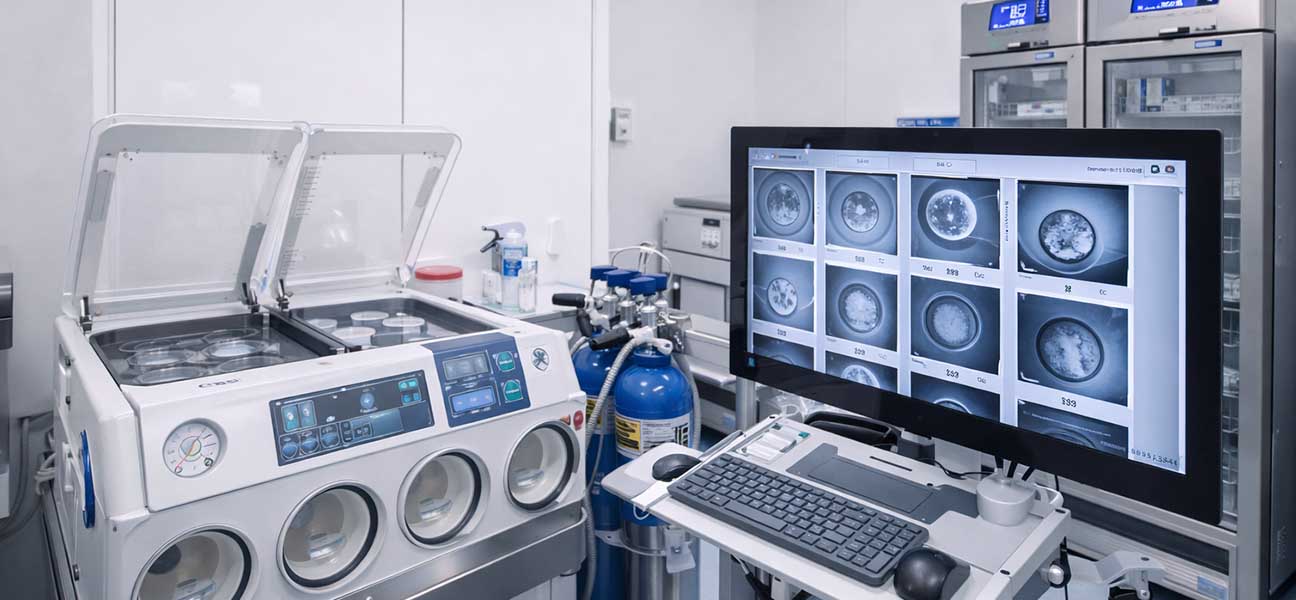
Functionally, this center is a reproductive specialty within a comprehensive hospital. Compared to standalone fertility clinics, its advantages include convenient multidisciplinary consultations (e.g., gynecology, endocrinology, urology, genetic counseling) and anesthesia and operating room conditions meeting high-standard hospital requirements. The laboratory is equipped with time-lapse imaging incubators, air purification systems, and a stable embryo culture environment, providing certain technical support for individuals with high embryo quality requirements or repeated failures.
Clinical pregnancy rate reference: Based on recent hospital data and industry exchange information, the clinical pregnancy rate per single transfer for patients under 35 is approximately 50-55%, for ages 35-38 about 40-48%, for ages 38-42 about 28-38%, and for those over 42, data fluctuates significantly and requires individual assessment. These rates are within the same range as other top-tier private centers in Hong Kong (such as Hong Kong Sanatorium & Hospital and Union Hospital), but specific cases still require a doctor's consultation for judgment.
2. Key Points Doctors Consider When Making Decisions
When a reproductive specialist faces the question of whether a patient is suitable for treatment at Baptist Hospital, they typically analyze from the following aspects:
- Ovarian Reserve Function: AMH, Antral Follicle Count (AFC), and basal FSH are core indicators. If AMH is below 1.0, the doctor will assess the risk of poor ovarian response and may consider a mild stimulation protocol or luteal phase stimulation instead of the standard long protocol.
- Previous Treatment History: If there is a history of ovulation induction, egg retrieval, or embryo transfer, the doctor will analyze the reasons for failure in detail—whether it was fertilization障碍, embryo developmental arrest, or endometrial receptivity issues. The Baptist Hospital laboratory supports techniques like ICSI and assisted hatching, but internally emphasizes that chromosomal abnormalities are the main cause of embryo failure in advanced maternal age.
- Uterine Environment: Hysteroscopy evaluation is necessary, especially for those with repeated implantation failure or a history of uterine procedures. Baptist Hospital can arrange hysteroscopy examination and treatment directly within the hospital without referral.
- Genetic Risk: For cases with a history of genetic diseases, recurrent miscarriage, or advanced maternal age (≥38 years), doctors may recommend PGT-A or PGT-M. However, they will clearly state that this technology does not improve the live birth rate but can only reduce the miscarriage rate caused by chromosomal abnormalities.
3. Applicability and Strategy Differences by Age Group
| Age Group | Core Concerns | Common Protocol / Suggestion |
|---|---|---|
| ≤34 years | Male factor / Tubal factor / Unexplained | Conventional IVF or ICSI, mainly fresh embryo transfer, higher success rate per cycle |
| 35-37 years | Decreased ovarian response / Increased risk of embryo chromosomal abnormalities | Consider PGT-A, frozen embryo transfer if embryo数量 permits |
| 38-40 years | Reduced egg retrieval number / Increased aneuploidy rate | Individualized stimulation (e.g., PPOS/mini-stimulation), transfer after PGT-A screening, manage pregnancy risks |
| ≥41 years | Very low ovarian reserve / High miscarriage rate | Full disclosure of success rates, consider egg/embryo donation options, or attempt low-dose stimulation |
It is important to clarify: Age is the most significant variable affecting success rates. The Baptist Hospital Reproductive Center does not make unrealistic promises to older individuals. During consultations, doctors will honestly inform estimated pregnancy rates and cycle cancellation rates.
4. Hong Kong Baptist Hospital vs. Other Private Reproductive Centers in Hong Kong
In Hong Kong, there are about a dozen reproductive centers holding HFEA licenses. Among them, reproductive centers under private hospitals mainly include Baptist, Hong Kong Sanatorium & Hospital, Union Hospital, and Gleneagles Hospital. Their differences are more evident in process experience, cost structure, and laboratory focus:
- Process & Appointment: The waiting time for an initial consultation at Baptist Hospital is usually 1-3 weeks, slightly shorter than some popular centers (e.g., Hong Kong Sanatorium & Hospital), but advance scheduling is still needed during peak periods.
- Language Communication: Some doctors and nurses at Baptist Hospital can speak Mandarin, but not all. It is advisable to confirm language support during the first consultation or bring an interpreter.
- Laboratory Features: Baptist Hospital's laboratory has a good reputation for embryo culture stability, especially for individuals with low egg counts or poor sperm quality. Hong Kong Sanatorium & Hospital invests more in PGT technology and genetic counseling.
- Cost Transparency: All private centers in Hong Kong provide written quotations. However, Baptist Hospital's package pricing (e.g., "IVF Standard Package") covers a comprehensive range of items but does not include PGT and special medications, so details need careful review.
5. 5 Most Easily Overlooked Details
- Document Requirements: A valid Mainland Travel Permit for Hong Kong and Macao (with valid endorsement) and a marriage certificate (notarized or translated by a center-recognized agency) are required. Some centers also require a copy of the spouse's ID.
- Recognition of Examination Reports: Sex hormone panel, AMH, and semen analysis from a top-tier mainland hospital within the last 6 months are usually accepted. However, chromosome karyotype analysis reports may need re-verification by the center. It is recommended to send reports to the center for review in advance to avoid redundant tests.
- Embryo Transport Policy: If there is a future need to transport embryos to another center or back to the mainland, be sure to inquire about the embryo transport agreement, costs, and storage terms for frozen embryos before treatment.
- Medication Carrying Regulations: If ovulation induction medications need to be brought from the mainland to Hong Kong, confirm the allowed quantity for personal use with customs and keep the doctor's prescription.
- Frozen Embryo Storage Fee: The first year's freezing fee is usually included in the package. Subsequent annual fees are approximately HKD 8,000-12,000, which should be factored into long-term costs.
6. Actual Medical Consultation Process (Step-by-Step)
Step 1: Initial Appointment & Remote Assessment
Schedule an appointment by phone or online form. The center will request medical history, examination reports, and basic information. Some doctors can arrange a remote video consultation (additional fee), but it does not serve as the basis for the final treatment plan.
Step 2: In-Person Consultation & Supplementary Tests
On the consultation day, the doctor will take a detailed history and order tests that can be completed that day (e.g., vaginal ultrasound, semen analysis, blood draw). If tests are incomplete, they must be completed before starting the cycle.
Step 3: Develop Stimulation Protocol & Start Cycle
Based on follicle monitoring results, the doctor decides the start date (usually day 2-5 of menstruation). The stimulation period varies per individual, averaging 9-14 days, requiring 2-4 monitoring visits to the center.
Step 4: Egg Retrieval Surgery
Performed under intravenous anesthesia, lasting about 20-30 minutes. Patients can be discharged after 1-2 hours of observation. The male partner provides a semen sample on the same day.
Step 5: Embryo Culture & Genetic Testing (if applicable)
Routine culture for 3-6 days. If PGT is performed, results take 4-6 weeks, and embryos need to be frozen for storage.
Step 6: Embryo Transfer
The transfer procedure requires no anesthesia and is completed in 5-10 minutes. Luteal phase support is given after transfer, and rest for 1-2 days is recommended.
Step 7: Pregnancy Test
A blood test for HCG is done 12-14 days after transfer. If pregnancy is successful, the patient is referred to obstetrics for follow-up. If not, the doctor will review the reasons with the patient and plan for the next cycle.
7. Cost Breakdown & General Range
Cost is a key variable in decision-making. The following are general industry reference ranges for 2025 (in HKD). Official quotes from Baptist Hospital may vary slightly; please refer to the actual consultation:
| Item | Cost Range (HKD) | Remarks |
|---|---|---|
| Initial Consultation Fee + Test Package | 8,000 - 15,000 | Includes sex hormones, AMH, ultrasound, semen analysis |
| Ovulation Induction Medications | 18,000 - 38,000 | Varies greatly by dosage and brand (imported/domestic) |
| Egg Retrieval + Embryo Culture + Transfer | 55,000 - 75,000 | Standard IVF/ICSI package price |
| PGT-A / PGT-M | 38,000 - 55,000 | Charged based on number of embryos and technical complexity |
| Frozen Embryo Storage (Annual Fee) | 8,000 - 12,000 | First year usually included in the package |
| Total Cost (Single Cycle, excluding PGT) | Approx. 100,000 - 140,000 | Actual cost varies per individual |
Influencing factors: medication costs, need for ICSI or PGT, duration of embryo culture, whether there are surplus embryos to freeze, and use of donor sperm/eggs.
8. Summary of Frequently Asked Questions
- Q: How many trips to Hong Kong are needed? A: At least 2-3 trips (initial consultation, egg retrieval, transfer). More trips may be needed if tests are incomplete or PGT is required. Some steps can be coordinated remotely.
- Q: Can mainland examination reports be used? A: Some can be used, but tests like chromosome analysis and hysteroscopy usually need re-verification by the center. It is recommended to coordinate in advance.
- Q: Does the hospital have Mandarin service? A: Some doctors and nurses speak Mandarin, but not all. If language assistance is needed, request it in advance or arrange an accompanying person.
- Q: Can Baptist Hospital handle very low ovarian reserve (AMH < 0.8)? A: The center has experience with low reserve, but the risk of cycle cancellation must be objectively assessed. Doctors will offer mild stimulation or natural cycle protocols.
- Q: What special methods does Baptist Hospital have for repeated implantation failure cases? A: Doctors will focus on investigating embryo factors (PGT), endometrial receptivity (ERA/hysteroscopy), and immune factors, but will not blindly recommend combination treatments.
9. Special Situations & Preparations Needed
1. Chromosomal Abnormalities / Genetic Disease Carriers
If a known chromosomal balanced translocation, Robertsonian translocation, or monogenic disease exists, genetic counseling must be completed before starting the cycle, and PGT-M or PGT-SR should be chosen. The external genetic testing company partnered with Baptist Hospital is an internationally recognized institution, but the testing period is longer, requiring 8-10 weeks to be reserved.
2. Male Azoospermia / Severe Oligoasthenoteratozoospermia
The center supports TESA/PESA surgical sperm retrieval, but a consultation with a male specialist is needed in advance. If usable sperm cannot be obtained, the option of donor sperm must be discussed (the center does not provide donor sperm sources; patients need to contact a compliant sperm bank themselves).
3. Previous Repeated IVF Failure
It is recommended to review detailed records of previous cycles (stimulation protocol, number of eggs retrieved, fertilization rate, embryo grading, number of transfers). The doctor may suggest tests like sperm DNA fragmentation index, endometrial microbiome analysis, or immunological evaluation. These are advanced tests, not standard items, and are self-funded.
0 comments