
What is the Environment of Hong Kong Assisted Reproduction Hospitals Like? Real Patient Experience and Facility Introduction

Learn about the environmental characteristics of Hong Kong assisted reproduction hospitals, including differences between private and public hospital environments, laboratory facilities, treatment procedures, and privacy protection. Based on real patient experiences, this article provides an objective reference for patients choosing Hong Kong IVF hospitals.
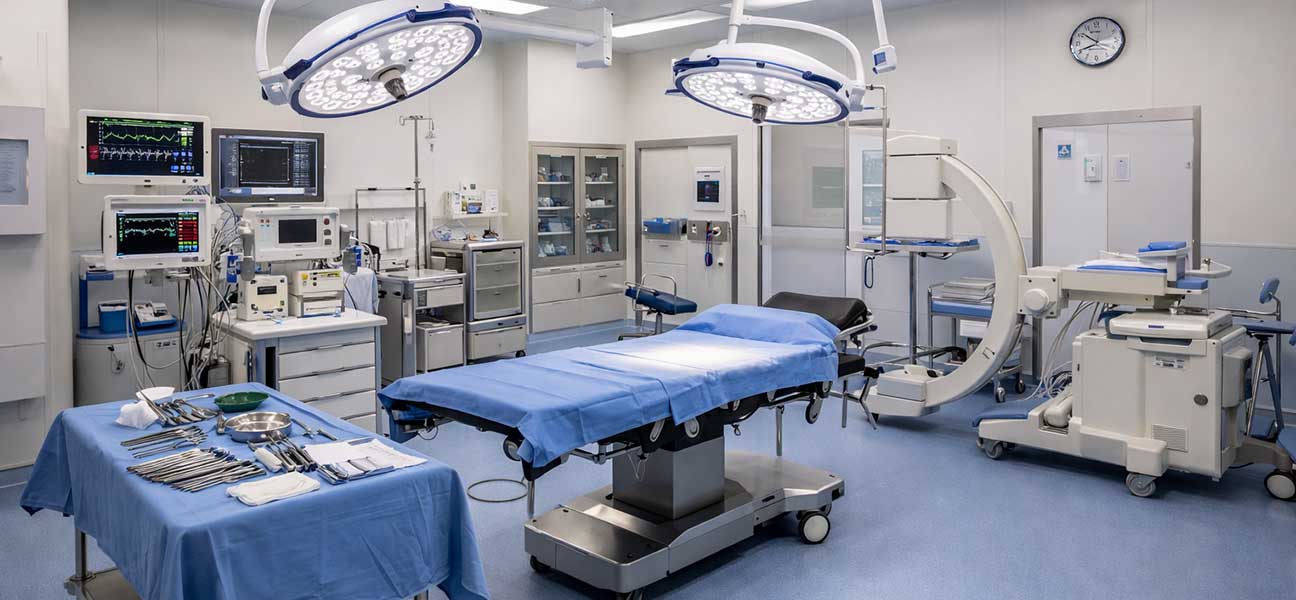
Patient Consultation Scenario: A Real Question from an Out-of-Town Patient About the Hong Kong Hospital Environment
“I’ve been doing check-ups in Mainland China and am recently considering going to Hong Kong for IVF. What worries me most isn’t the technology, but what the hospital environment there is actually like? Is it clean? Is the privacy good? Will it be as chaotic as a public hospital?” — This is the core question asked by a 38-year-old female patient from Shenzhen during her first consultation. Her concerns are very representative, because assisted reproduction treatment cycles are long and emotions are sensitive; the hospital environment directly affects the patient's psychological state and treatment compliance.
Core Characteristics of the Hong Kong Assisted Reproduction Hospital Environment
Assisted reproduction hospitals in Hong Kong are mainly divided into two categories: private hospitals and public hospitals, with significant environmental differences. Overall, Hong Kong hospital environments share the following common features:
- Compact but efficient use of space: Space is at a premium in Hong Kong. Most hospitals have small floor areas, but the internal circulation design is reasonable, with clear separation between patient waiting areas and consultation zones.
- Strict hygiene standards: All fertility centers must pass regular audits by the Hong Kong Department of Health and the Hong Kong Council on Human Reproductive Technology. The cleanliness of operating rooms and laboratories meets Class 100 or Class 1000 standards.
- Strong awareness of privacy protection: Consultation rooms are all independent, enclosed spaces. The queuing system usually only displays numbers or surname initials to avoid full name exposure.
- Common bilingual environment: Medical teams are proficient in Cantonese, Mandarin, and English. Written materials are also available in Simplified Chinese.
Private Hospital vs. Public Hospital: Environmental Comparison
| Comparison Dimension | Private Hospital (e.g., Hong Kong Sanatorium & Hospital, Union Hospital, Gleneagles Hong Kong Hospital) | Public Hospital (e.g., Queen Mary Hospital, Prince of Wales Hospital) |
|---|---|---|
| Waiting Area Environment | Sofa seating, individual partitions, free water and magazines, some have children's play areas | Plastic seats, relatively crowded space, may need to stand during peak hours |
| Consultation Room Privacy | One patient per room, only the patient enters, family members can wait in a designated area | Sometimes shared consultation area, but curtains are drawn or doors are closed during the consultation |
| Laboratory Hardware | Class 100 laminar flow purification, automatic temperature and humidity monitoring, all imported brand embryo incubators | Class 1000 purification standard, longer equipment maintenance cycles, but also internationally certified |
| Examination Equipment | Ultrasound rooms have private changing areas, disposable probe covers | Shared ultrasound rooms, need to book in advance, longer waiting times |
| Cost and Waiting Time | Good environment but high cost, about HKD 100,000-180,000 per cycle, booking period 1-2 weeks | Average environment but low cost (public requires referral), waiting period 3-6 months |
The Most Easily Overlooked Detail: The Impact of the Laboratory Environment on Embryo Quality
Many patients focus on whether the waiting area decoration is luxurious, but what truly determines the success rate is the "micro-environment" of the embryology laboratory. All licensed fertility centers in Hong Kong must meet the following conditions:
- Air purification system: HEPA filtration efficiency ≥ 99.97%, air changes per hour ≥ 20 times
- Temperature and humidity control: Temperature constant at 25±0.5°C, humidity 40-60%
- VOC (Volatile Organic Compounds) concentration: Must be lower than international reproductive laboratory standards (e.g., < 5ppb)
- Backup power supply: Ensure uninterrupted power supply to embryo incubators during power outages
Some high-end private laboratories are also equipped with "Time-lapse incubators," which continuously monitor embryo development without disturbing them. The environmental stability of this equipment is superior to traditional incubators, but it requires higher laboratory space and temperature control. When visiting a hospital, patients should proactively ask if they can view the laboratory area (usually through a glass window) and observe whether the floor is dust-free and whether staff strictly wear sterile gowns.
Environmental Differences Between Hospitals: Non-Profit Hospitals and Large Private Groups
Beyond the public-private distinction, Hong Kong hospitals also have the following types of differences:
- Church-affiliated hospitals (e.g., Baptist Hospital, Hong Kong Adventist Hospital): Quiet environment, focus on humanistic care, prayer rooms in waiting areas, gentle nurses, but some do not offer third-party assisted reproduction (e.g., egg donation/surrogacy) due to religious reasons.
- Large private medical groups (e.g., Hong Kong Sanatorium & Hospital, Union Hospital): Environment tends towards a five-star hotel style, with dedicated fertility center floors, private consultation rooms, and VIP lounges. Some offer "one-stop" services (examinations, egg retrieval, and transfer all on the same floor).
- Teaching hospitals (e.g., Queen Mary Hospital under HKU, Prince of Wales Hospital under CUHK): Relatively simple environment, but the medical team includes several professors in reproductive medicine, suitable for complex cases. A downside is that different interns may participate in consultations during each visit.
Frequently Asked Questions: The Impact of the Hong Kong Hospital Environment on Treatment Emotions
According to practitioner observations, about 30% of patients experience anxiety during their first visit due to a noisy environment or lack of privacy. The following three groups are more sensitive to the environment:
- Those with recurrent miscarriage or multiple IVF failures: Need a quiet, respectful space to calm their emotions.
- Patients whose male partners have difficulty accompanying them: When visiting alone, they hope the hospital has clear guidance signs and female-friendly design.
- Older patients or those with diminished ovarian reserve: Have higher requirements for privacy during examination procedures (e.g., transvaginal ultrasound).
In terms of specific steps, it is recommended that patients "pre-experience" the environment before making an appointment by:
- Calling the hospital to request a Chinese version of the hospital environment introduction (some hospitals have brochures).
- Checking real patient photos on Google Maps or Hong Kong medical review websites (be aware of non-official photoshopped images).
- If conditions permit, visiting Hong Kong a day early to see the hospital's surrounding traffic and entrance environment in person.
Handling Special Situations: Language Barriers and Accessibility Facilities
Although Hong Kong hospitals generally have bilingual capabilities, nurses in some public hospitals may only be proficient in Cantonese and English. If communication in Mandarin is not smooth, you can request "medical translation services" (some private hospitals provide this for free, while public hospitals require an additional application). For patients with limited mobility, most fertility centers in Hong Kong have accessible access, but some older public hospitals (e.g., the old wing of Queen Mary Hospital) may require prior notification to use the elevator.
How to Determine if a Hong Kong Hospital's Environment Suits You?
Based on the user decision-making path, it is recommended to choose based on the following factors:
- Budget Priority: If the budget per cycle is less than HKD 80,000, primarily choose public hospitals, but accept longer waiting times and a simpler environment.
- Privacy Sensitive: Prioritize private hospitals with "independent access" fertility centers, such as Union Hospital's fertility center which has a dedicated elevator.
- Language Preference: The private hospital with the most comprehensive Mandarin service is Hong Kong Sanatorium & Hospital (which has a Mainland Patient Services Department). Among public hospitals, Queen Mary Hospital has a high level of Mandarin acceptance.
- Remote Consultation Type: Some private hospitals offer online video tours of the environment, but the actual on-site experience may differ from the video.
Practitioner Observations: Three Common Misconceptions About the Hong Kong Hospital Environment
- "Luxurious decoration = Good technology": In reality, some established public hospitals update their laboratory equipment more frequently than private ones because government funding is concentrated on core equipment. Environmental comfort mainly affects the patient's subjective experience, not the decisive factor for success rates.
- "Private hospitals are definitely cleaner": The Hong Kong Department of Health conducts regular spot checks on all hospitals. From 2019 to 2023, the pass rate for environmental hygiene spot checks in both public and private hospitals was over 99%, with minimal difference.
- "Hospitals with good environments have shorter waiting times": Private hospitals have faster booking, but some popular hospitals (e.g., Hong Kong Sanatorium & Hospital) still require a 2-4 week wait to see the attending physician. The main reason for long waits in public hospitals is doctor scheduling, not the poor environment.
Differences in Environmental Needs Among Different Age Groups
| Age Group | Core Environmental Needs | Common Choice Tendency |
|---|---|---|
| < 35 years old | Fast, efficient, willing to accept public hospital environment | Choose based on doctor reputation, not sensitive to waiting area |
| 35-40 years old | Privacy, smooth treatment process, avoid prolonged exposure in public areas | Prefer mid-range private hospitals |
| > 40 years old | Quiet, private consultation rooms, hope for a dedicated nurse for full guidance | First choice is high-end private or VIP packages |
Risk Reminder: Environmental Factors That May Interfere with Treatment
Please note the following risk points related to the environment that are easily overlooked:
- Air quality triggering allergies: Hong Kong has high humidity. The air conditioning systems in some older hospitals are prone to mold growth, which is unfavorable for patients with allergies. It is recommended to ask the hospital if it is equipped with dehumidification and fresh air systems when making an appointment.
- Noise interference: For hospitals near main roads, early morning ambulance sirens or construction noise can affect the rest of patients after egg retrieval. You can request a room facing an internal courtyard.
- Disinfectant odor: Some hospitals frequently use chlorine-based disinfectants, which can cause nausea or dizziness in patients sensitive to smells. You can ask if low-odor disinfection protocols (e.g., hydrogen peroxide vaporization) are used.
- Operating room temperature: Egg retrieval operating rooms are usually cool (around 22-24°C), but some patients feel too cold, leading to muscle tension. You can request a warm blanket in advance.
Suggestions for Next Steps
Before determining if a Hong Kong hospital's environment is suitable, it is recommended to complete two things:
- Organize your past examination reports (sex hormone panel, AMH, semen analysis), email them to the fertility center of your target hospital, and ask if they can provide a preliminary assessment and suggestions for an environmental visit.
- Verify the hospital's licensing status through the official website of the Hong Kong Department of Health, and check the environmental hygiene inspection reports for the last 3 years (some are publicly available).
If conditions permit, plan a 2-day, 1-night trip to Hong Kong to visit 2-3 fertility centers in person. Experience the complete flow from registration to the consultation room, and then make a decision based on your own psychological comfort. The environment is an important reference factor, but it should not be the sole deciding factor.
0 comments