
Do Hong Kong IVF Hospitals Have Obstetrics Departments? Relationship Between Fertility Centers and Obstetric Services Explained

Answers whether Hong Kong IVF hospitals offer obstetric services, analyzes the relationship between fertility centers and obstetrics, and explains key information such as pregnancy management and delivery hospital selection during the Hong Kong IVF process, helping users understand how assisted reproduction and obstetric services connect in Hong Kong.
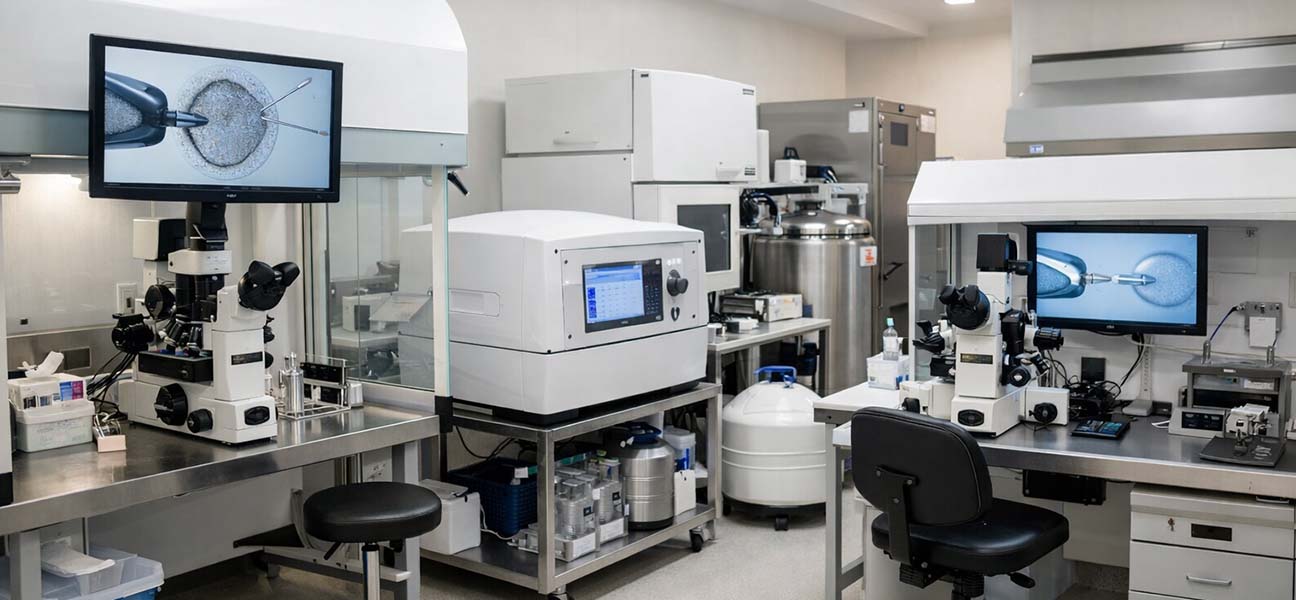
Opening: Real consultation scenario
“Doctor, I’ve successfully transferred and am pregnant. Will my prenatal check-ups and delivery all be done here?” — This is a question heard daily at the fertility center’s nurse station.
Do Hong Kong IVF Hospitals Have Obstetrics Departments: Direct Answer
Hong Kong IVF hospitals (reproductive medicine centers) generally do not have obstetric wards and do not provide delivery services. IVF treatment is managed entirely by the reproductive medicine department, including ovarian stimulation, egg retrieval, embryo culture, transfer, and early luteal phase support after transfer. Once clinical pregnancy is confirmed (fetal heartbeat and pole seen on ultrasound), the patient’s pregnancy management, prenatal check-ups, and delivery services must be transferred to a dedicated obstetric hospital or private obstetric clinic. Some large private hospitals have both a fertility center and an obstetrics department, but the two departments operate independently. Patients still need to “graduate” after pregnancy and be referred to the obstetrics department for registration.
Definitive Answer: Hong Kong IVF hospitals themselves do not have obstetrics departments. After pregnancy is confirmed, patients must leave the fertility center and transfer to a hospital with an obstetrics department for continued prenatal care and delivery. There is no “one-stop” model where a single hospital handles both IVF and childbirth.
Why Don’t IVF Hospitals Have Obstetrics Departments?
Reproductive medicine and obstetrics are two different medical specialties, with strict distinctions in hospital structure, licensing, equipment investment, and staffing.
- Different Core Services: The core of a fertility center is assisted reproductive technology, requiring an embryology lab, andrology lab, reproductive endocrinologists, and embryologists. The core of obstetrics is pregnancy monitoring, high-risk pregnancy management, delivery, and postpartum care, requiring delivery rooms, neonatal units, and maternity wards.
- Licensing and Regulation: The Hong Kong Department of Health has separate licensing requirements for fertility centers and obstetrics. Fertility centers must comply with the Human Reproductive Technology Ordinance, while obstetrics must meet hospital obstetric service standards. A single hospital can apply for both licenses, but they must be managed separately in terms of physical space and personnel.
- Resource Efficiency: For specialized fertility centers (e.g., private reproductive clinics), setting up an obstetric ward requires huge investment and has low utilization. Therefore, most IVF hospitals choose to establish referral networks with nearby obstetric hospitals rather than building their own obstetrics departments.
How Do Doctors View the Referral Process?
Once a patient’s pregnancy is confirmed as stable, the reproductive doctor conducts an early pregnancy assessment, including ultrasound to confirm the gestational sac location, number, fetal heartbeat, and crown-rump length. The assessment typically includes:
- Excluding ectopic pregnancy or heterotopic pregnancy
- Confirming singleton or multiple pregnancies
- Assessing the risk of Ovarian Hyperstimulation Syndrome (OHSS)
- Reviewing previous obstetric history and medical comorbidities
After the assessment is stable, the reproductive doctor issues a referral letter and provides a pregnancy summary report detailing important information from the IVF cycle (e.g., type of embryo transferred, transfer date, medication protocol, early ultrasound results). Doctors usually recommend several closely collaborating obstetric hospitals or private obstetricians and advise patients to book appointments as early as possible.
Practical Process from IVF Graduation to Obstetric Registration
The entire transition process can be divided into the following key steps. Patients are advised to understand them in advance to avoid missing critical windows.
| Timeline | Action | Responsible Party |
|---|---|---|
| 12–14 days after transfer | Blood test for β-hCG to confirm biochemical pregnancy | Fertility center |
| 6–8 weeks after transfer | Ultrasound to confirm clinical pregnancy (fetal heartbeat and pole) | Fertility center |
| Within 1 week of confirming clinical pregnancy | Fertility center issues referral letter + pregnancy report | Fertility center |
| Immediately after receiving referral letter | Contact obstetric hospital/private obstetrician to schedule first prenatal visit | Patient |
| First prenatal visit (around 8–10 weeks gestation) | Obstetric registration, comprehensive check-up, early Down syndrome screening, etc. | Obstetric hospital/doctor |
| Ongoing until delivery | Regular check-ups, delivery planning, postpartum care | Obstetric team |
Documents Needed
- Referral letter from the fertility center (in English or Chinese)
- Pregnancy summary report (including cycle details, medication, ultrasound reports)
- Identification documents (Hong Kong ID/Passport/Travel Permit)
- Previous prenatal records (if any)
- Registration forms required by the obstetric hospital (some hospitals support online submission)
Most Easily Overlooked Details
Urgency of Obstetric Appointments – Beds at popular private hospitals in Hong Kong are extremely limited.
Obstetric wards at private hospitals in Hong Kong (e.g., Hong Kong Sanatorium & Hospital, Union Hospital, Gleneagles Hong Kong Hospital, St. Paul’s Hospital) are often nearly full by the early first trimester. It is recommended to complete the appointment within 1 week of confirming clinical pregnancy. Some hospitals even require registration before 8 weeks of gestation. Missing the appointment window may result in being unable to secure a place, forcing you to choose another hospital or switch to a public hospital. While public hospitals cannot refuse you, they offer less flexibility in prenatal care and delivery, and waiting times are longer.
Common Pitfalls
- Assuming “One-Stop Service”: The most common misconception is that if you undergo IVF at a hospital, you can naturally have your prenatal check-ups and delivery there. In reality, even in hospitals with both a fertility center and an obstetrics department (e.g., Union Hospital), the two units operate independently. Patients must formally “graduate” and complete the referral process to enter the obstetric system.
- Ignoring the Importance of the Referral Letter: Public hospitals in Hong Kong require a doctor’s referral letter for obstetric registration. While some private hospitals accept direct appointments, the first prenatal visit usually still requires the fertility center’s report. Without a referral letter, you may be unable to register or your first check-up may be delayed.
- Unfamiliarity with Hong Kong’s Healthcare System: Patients from Mainland China may not be familiar with the division between public (government-funded) and private (self-funded) systems. Public hospital obstetrics are low-cost but have long waiting times and fixed procedures; private hospitals are expensive but offer flexible choices and personalized services. Not understanding these differences in advance can leave you in a passive position after pregnancy.
- Delaying Registration: Some patients think, “I can find an obstetrician in the second trimester,” but obstetric resources in Hong Kong (especially at popular private hospitals) are already strained in the early first trimester. Delaying may force you to choose a hospital far from home or one you are unfamiliar with, adding stress during pregnancy.
Differences Between Hospital Types
Hospitals offering obstetric services in Hong Kong fall into three main categories, with slightly different connections to fertility centers:
- Private Hospitals (with both fertility center and obstetrics): e.g., Hong Kong Sanatorium & Hospital, Union Hospital, Gleneagles Hong Kong Hospital. The fertility center and obstetrics department operate independently, but internal referrals are smoother, and medical records are easily shared. Patients still need to go through the “graduation + registration” process, but nurses often provide assistance and guidance.
- Private Hospitals (obstetrics only, no fertility center): e.g., St. Teresa’s Hospital (French Hospital), Hong Kong Baptist Hospital. These hospitals do not offer IVF treatment but accept patients referred from fertility centers. Patients need to contact them directly and ensure the referral letter and reports are complete.
- Public Hospitals (network referral): e.g., Queen Mary Hospital, Prince of Wales Hospital, Kwong Wah Hospital. Public hospital obstetrics accept all legal residents, but require a referral from a general outpatient clinic or private doctor. Waiting times are longer, and prenatal care and delivery plans are relatively standardized, suitable for low-risk pregnancies.
Observations from Practitioners
As a patient education specialist, we have noticed a common phenomenon: during the months-long IVF cycle, patients focus all their energy on “whether the transfer will succeed” and rarely think about “where to go after getting pregnant.” This “single-point focus” often leads to panic after a successful pregnancy.
We have started including “post-pregnancy planning” content in pre-transfer education, advising patients to learn about Hong Kong’s obstetric hospitals before embryo transfer, and even to prepare a shortlist of options. Because the competition for obstetric appointments is just as intense as the IVF cycle itself, preparing in advance is not “scaremongering” but necessary risk management.
Additionally, some patients from Mainland China are not accustomed to Hong Kong’s “referral culture” and find the procedures cumbersome. In reality, the referral letter and report ensure continuity of care, allowing the obstetrician to quickly understand the patient’s prior treatment information, avoiding redundant tests or missing details.
Handling Special Situations
Ectopic Pregnancy or Early Miscarriage
If an ultrasound after transfer confirms an ectopic pregnancy or embryonic arrest, the patient does not enter the obstetric referral process. Instead, the fertility center or gynecology department handles it. Ectopic pregnancy requires immediate hospitalization for surgery; early miscarriage is managed with medication or surgical evacuation depending on the gestational age. Neither situation involves obstetric registration.
Multifetal Pregnancy Reduction
If a transfer results in triplets or more, the fertility center will recommend fetal reduction. This procedure is usually performed at 11–13 weeks of gestation by a reproductive specialist or fetal medicine specialist. After reduction, once the remaining fetus(es) are confirmed stable, the patient is referred to obstetrics for ongoing care.
Advanced Maternal Age or High-Risk Pregnancy
Obstetric hospitals in Hong Kong have specialized high-risk pregnancy clinics for patients of advanced maternal age (≥35) or those with medical comorbidities (e.g., hypertension, diabetes, thyroid disorders). The fertility center will specifically note these risk factors in the referral and advise patients to book directly with an obstetrician or hospital experienced in high-risk pregnancy management.
Frequently Asked Questions
- Q: Can I directly register with the obstetrics department at the hospital where I had IVF?
A: If the hospital has both a fertility center and an obstetrics department (e.g., Union Hospital, Hong Kong Sanatorium & Hospital), you can book an appointment through the internal referral system, but you still need a referral letter from the fertility center and must complete the obstetric registration process. You cannot simply move from the fertility center to obstetrics. - Q: Does the referral letter have an expiry date?
A: Typically, a referral letter is valid for 1–3 months from the date of issue, but the obstetric hospital may require a recent ultrasound report (e.g., within 2 weeks). It is best to use the referral letter within 1 week of confirming pregnancy. - Q: Can I book a public hospital obstetrics appointment without a Hong Kong ID?
A: Public hospital obstetrics primarily serve Hong Kong residents. Non-residents can choose private hospital obstetrics, which are more expensive but have no residency restrictions. Some private hospitals accept appointments from Mainland patients, requiring a travel permit or passport. - Q: Is there any difference in obstetric management between IVF and natural pregnancies?
A: Obstetricians typically manage IVF pregnancies as “high-risk” because the rates of multiples, preterm birth, and pregnancy complications are slightly higher than in natural pregnancies. However, the overall principles of prenatal care are the same, though monitoring may be more frequent.
Ending: Risk Reminder
Risk Reminder: Obstetric resources in Hong Kong are limited, especially at large private hospitals with neonatal ICUs. Be sure to start the obstetric appointment process within 1 week of confirming clinical pregnancy. If delays prevent you from registering at your preferred hospital, your entire pregnancy experience and quality of care may be significantly affected. Additionally, the referral letter and pregnancy report are essential documents for obstetric intake; keep them safe and make copies in advance.
— Practical advice from a patient education specialist
Naturally integrated long-tail keywords and knowledge graph entities
IVF referral to obstetrics Hong Kong fertility center obstetric services Prenatal care after IVF pregnancy Hong Kong private hospital obstetric appointment Public hospital referral letter Fetal medicine High-risk pregnancy management Hong Kong Sanatorium & Hospital fertility center Union Hospital obstetrics
0 comments