Surrogacy Guide

Hong Kong Sanatorium & Hospital Assisted Reproduction Centre Founded in 1986 – History and Current Status of Assisted Reproduction

Hong Kong Sanatorium & Hospital Assisted Reproduction Centre Founded in 1986 – History and Current Status of Assisted Reproduction

The Assisted Reproduction Centre of Hong Kong Sanatorium & Hospital, established in 1986, is one of the earliest assisted reproduction centres in Hong Kong. This article introduces its development history, service process, suitable candidates, and related considerations, helping users understand this long-established fertility centre.

Hong Kong IVF Network Communication Guide | Cross-Border Communication Methods & Precautions

Hong Kong IVF Network Communication Guide | Cross-Border Communication Methods & Precautions

What to do about Hong Kong IVF network communication? This article details common communication methods with doctors and hospitals during Hong Kong IVF treatment, including WeChat, WhatsApp, video consultation, phone, and other tools, covering usage scenarios, precautions, and frequently asked questions, helping mainland patients efficiently solve cross-border communication barriers.

Hong Kong Hospital WhatsApp Customer Service? Reproductive Center Contact Information & Consultation Guide

Hong Kong Hospital WhatsApp Customer Service? Reproductive Center Contact Information & Consultation Guide

Some reproductive centers in Hong Kong offer WhatsApp customer service for medical consultations and appointments, but not all hospitals have an official WhatsApp channel. This article reviews the contact information, WhatsApp usage status, consultation process, and precautions for major reproductive hospitals in Hong Kong, helping those in need understand how to efficiently access Hong Kong's assisted reproductive medical services.

Do you need to quit smoking and drinking before IVF in Hong Kong? Reproductive doctors answer preparation tips

Do you need to quit smoking and drinking before IVF in Hong Kong? Reproductive doctors answer preparation tips

Do you need to quit smoking and drinking before IVF in Hong Kong? Reproductive medicine studies show that tobacco and alcohol directly affect sperm and egg quality, reducing embryo implantation rates. This article analyzes the necessity, time requirements, and specific recommendations for quitting smoking and drinking from a medical perspective, helping couples prepare scientifically for pregnancy.

Hong Kong IVF Hospital Awards: Real Certifications & Accreditation List with Credibility Analysis

Hong Kong IVF Hospital Awards: Real Certifications & Accreditation List with Credibility Analysis

A genuine overview of Hong Kong IVF hospital awards: JCI, CAP, EFI and other international accreditations and industry awards received by institutions such as Hong Kong Sanatorium & Hospital, Union Hospital, HKU Mary Hospital, etc. Interpret the evaluation criteria and credibility of different awards to help patients view hospital honors rationally and avoid being misled by marketing rhetoric. Includes comparison of laboratory certifications and answers to frequently asked questions.

Which District in Hong Kong Island Has the Highest Concentration of IVF Hospitals? Detailed Distribution in Central & Western District and Wan Chai District

Which District in Hong Kong Island Has the Highest Concentration of IVF Hospitals? Detailed Distribution in Central & Western District and Wan Chai District

IVF hospitals on Hong Kong Island are most concentrated in the Central & Western District (Central, Admiralty) and Wan Chai District (Causeway Bay, Happy Valley), where most of the territory's reproductive medicine centres are located. This article details the distribution of hospitals in each area, transport links, and consultation procedures for patients planning assisted reproductive treatment on Hong Kong Island.

Top 10 IVF Hospitals in Hong Kong | Reproductive Center Selection Guide 2025

Top 10 IVF Hospitals in Hong Kong | Reproductive Center Selection Guide 2025

There is no official unified ranking of IVF hospitals in Hong Kong. This article provides objective selection references based on dimensions such as medical qualifications, laboratory standards, doctor teams, and success rate calculation methods. It covers the characteristics, cost ranges, and suitable populations of public and private reproductive centers to help establish reasonable medical expectations.

Can Family Accompany You During IVF in Hong Kong? – Accompanying Policies & Practical Guide for Each Stage

Can Family Accompany You During IVF in Hong Kong? – Accompanying Policies & Practical Guide for Each Stage

Family members can accompany you during IVF treatment in Hong Kong, but policies vary by hospital and stage (initial consultation, examinations, egg retrieval, embryo transfer). This article details Hong Kong fertility center accompanying policies, preparation tips for companions, common misconceptions, and practical advice from practitioners to help patients plan their accompaniment arrangements in advance.

Can Hong Kong Test-Tube Babies Get a Hong Kong Passport? | Detailed Conditions for Identity and Nationality

Can Hong Kong Test-Tube Babies Get a Hong Kong Passport? | Detailed Conditions for Identity and Nationality

Whether a Hong Kong test-tube baby can obtain a Hong Kong passport depends on the parents' status: if one parent is a Hong Kong permanent resident, the baby is born a permanent resident and eligible for a passport; if both parents are Mainland residents, the baby does not automatically receive Hong Kong status. This article details conditions, procedures, common misconceptions, and legal basis.

Hong Kong Sanatorium & Hospital Assisted Reproductive Equipment Technical Configuration and Clinical Application Status

Hong Kong Sanatorium & Hospital Assisted Reproductive Equipment Technical Configuration and Clinical Application Status

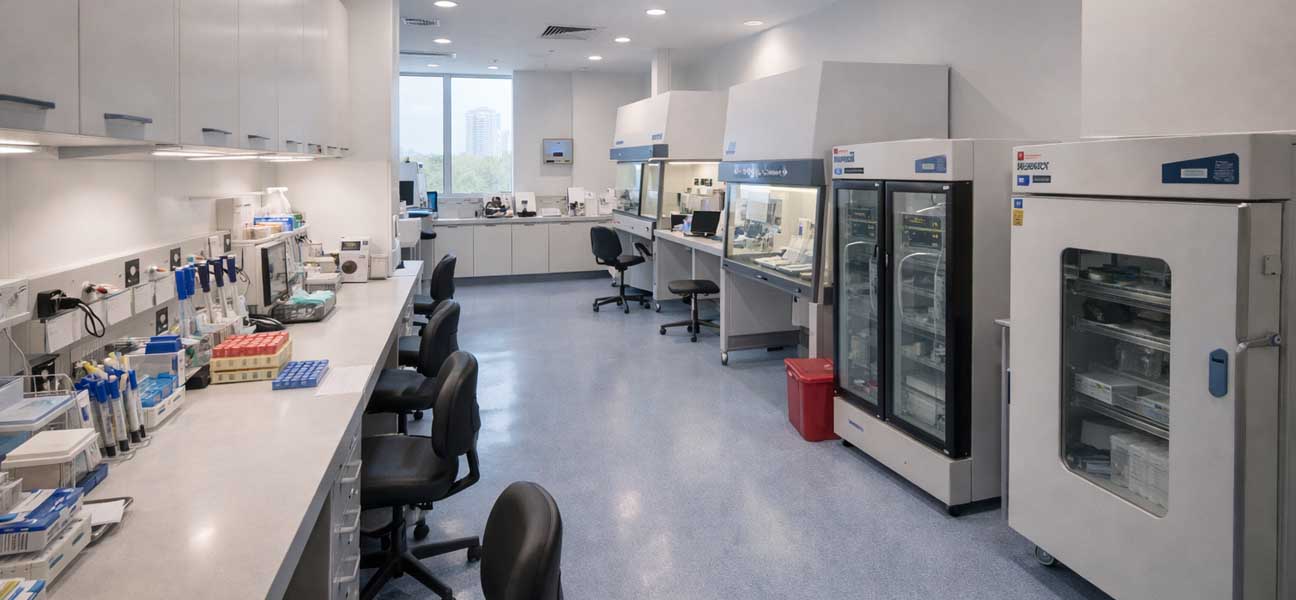
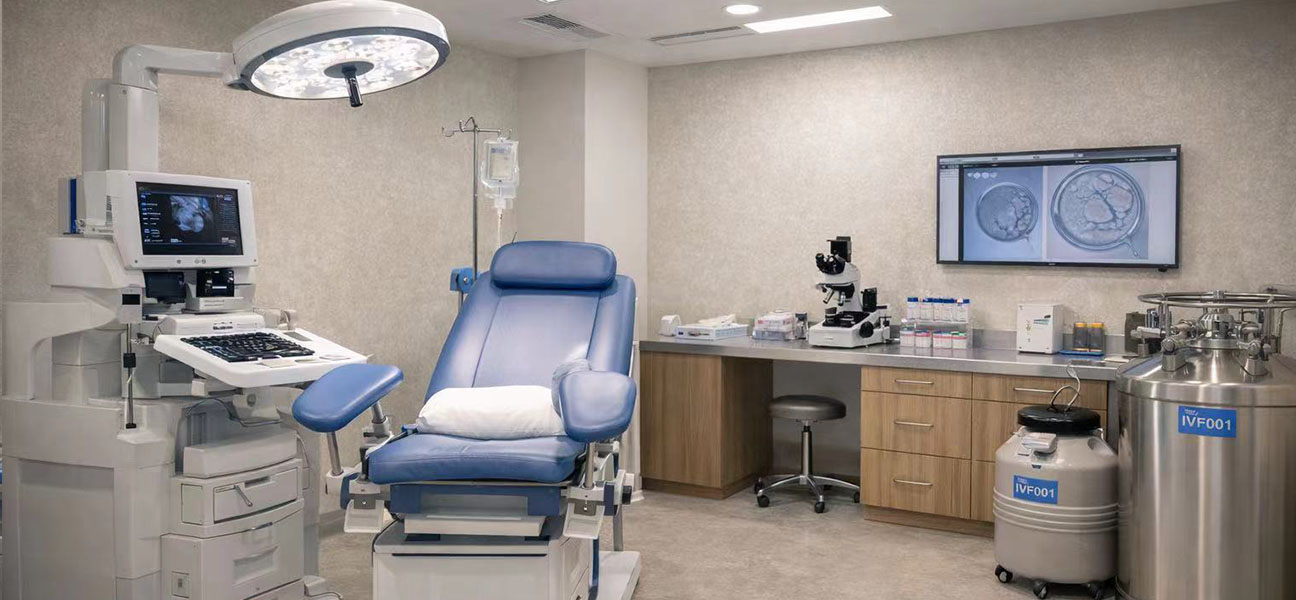
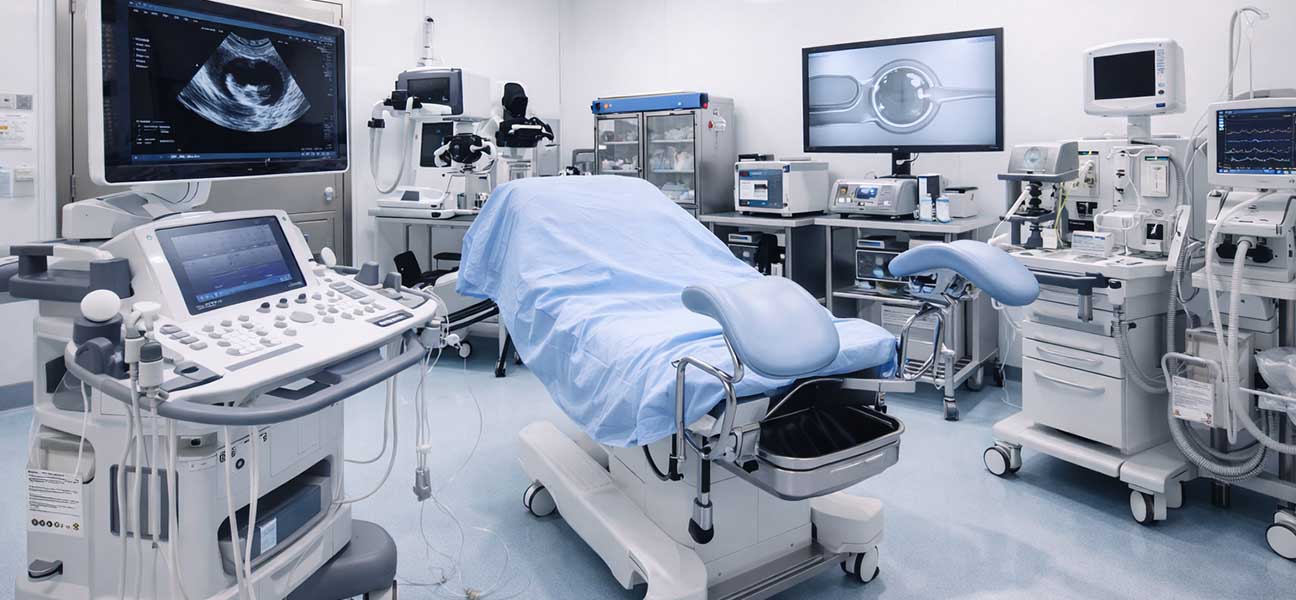
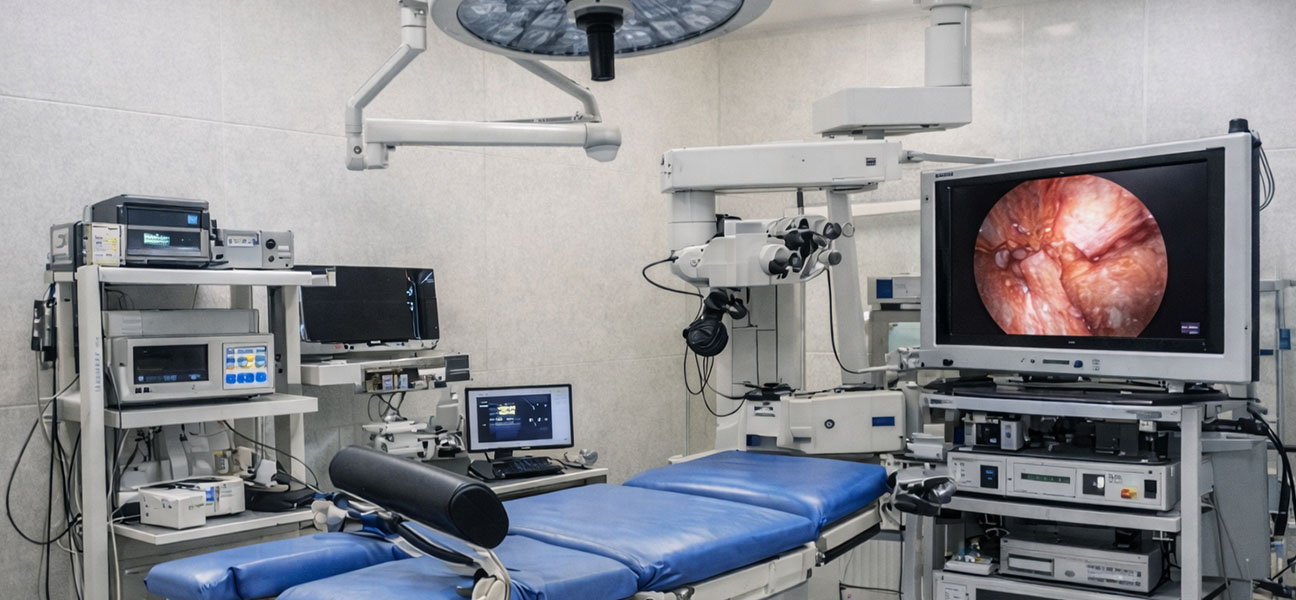
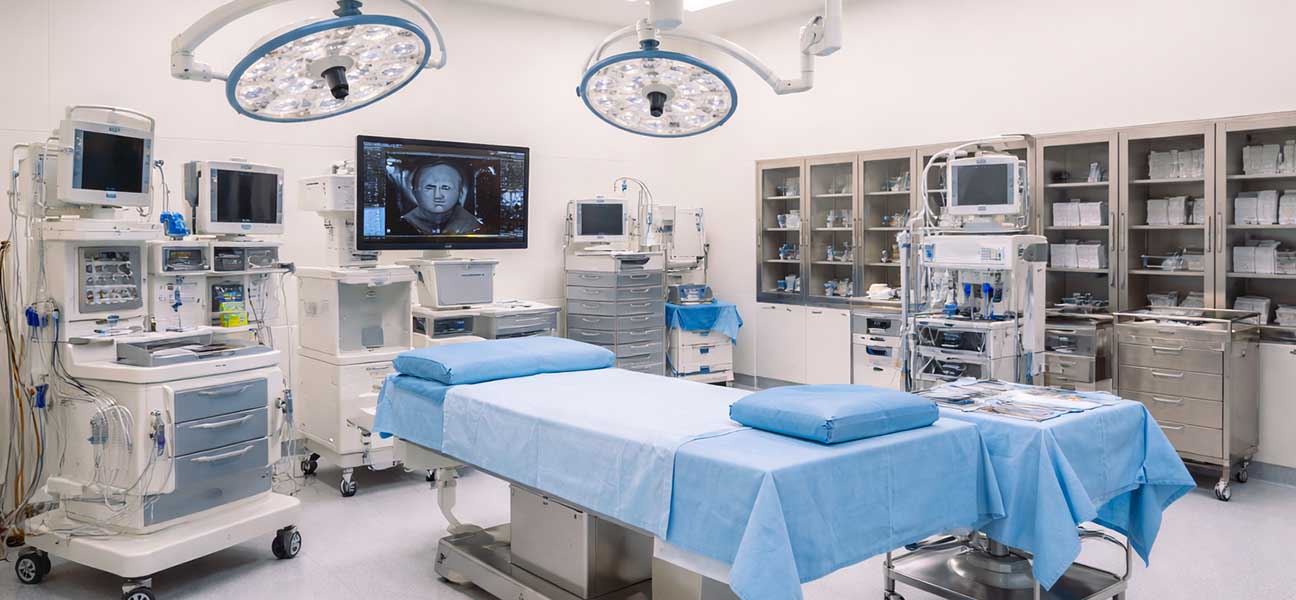
The Reproductive Medicine Centre of Hong Kong Sanatorium & Hospital is equipped with advanced equipment such as time-lapse embryo incubators, AI embryo assessment systems, and laser-assisted hatching. This article introduces the current equipment technology status of the hospital in the field of assisted reproduction from the perspectives of equipment configuration, technical principles, and clinical applications, helping patients understand the centre's equipment conditions and technical features.

What to Eat for Optimal Conditioning Before IVF in Hong Kong? Reproductive Medicine Diet Plan

What to Eat for Optimal Conditioning Before IVF in Hong Kong? Reproductive Medicine Diet Plan

What to eat for conditioning before IVF in Hong Kong is one of the most concerning issues for those preparing for pregnancy. This article systematically introduces key nutrients, food choices, adjustment plans for different constitutions, and common misconceptions regarding pre-IVF dietary conditioning from a reproductive medicine perspective, helping you optimize your physical condition through scientific diet before starting the cycle.

Hong Kong Embryologist Qualification Standards: Training System and Grade Requirements Explained

Hong Kong Embryologist Qualification Standards: Training System and Grade Requirements Explained

Hong Kong embryologist qualifications are regulated by the Hong Kong Academy of Medicine and the Hong Kong Society of Reproductive Medicine, requiring a master's or doctoral degree in biomedical sciences, over 3 years of laboratory training, and passing professional assessments. This article details the certification pathway, grade classification, differences from Mainland China qualifications, and international recognition.

Does Ovulation Induction in Hong Kong Lead to Ovarian Hyperstimulation? Risk Factors and Prevention Strategies

Does Ovulation Induction in Hong Kong Lead to Ovarian Hyperstimulation? Risk Factors and Prevention Strategies

Risk of Ovarian Hyperstimulation Syndrome (OHSS) during ovulation induction treatment in Hong Kong, identification of high-risk factors, preventive measures, and management options. Reproductive specialists analyze the mechanism of OHSS, individualized medication strategies, monitoring points, and patient self-management methods from a clinical decision-making perspective, helping to scientifically understand the safety of ovulation induction.