
Top 10 IVF Hospitals in Hong Kong | Reproductive Center Selection Guide 2025

There is no official unified ranking of IVF hospitals in Hong Kong. This article provides objective selection references based on dimensions such as medical qualifications, laboratory standards, doctor teams, and success rate calculation methods. It covers the characteristics, cost ranges, and suitable populations of public and private reproductive centers to help establish reasonable medical expectations.
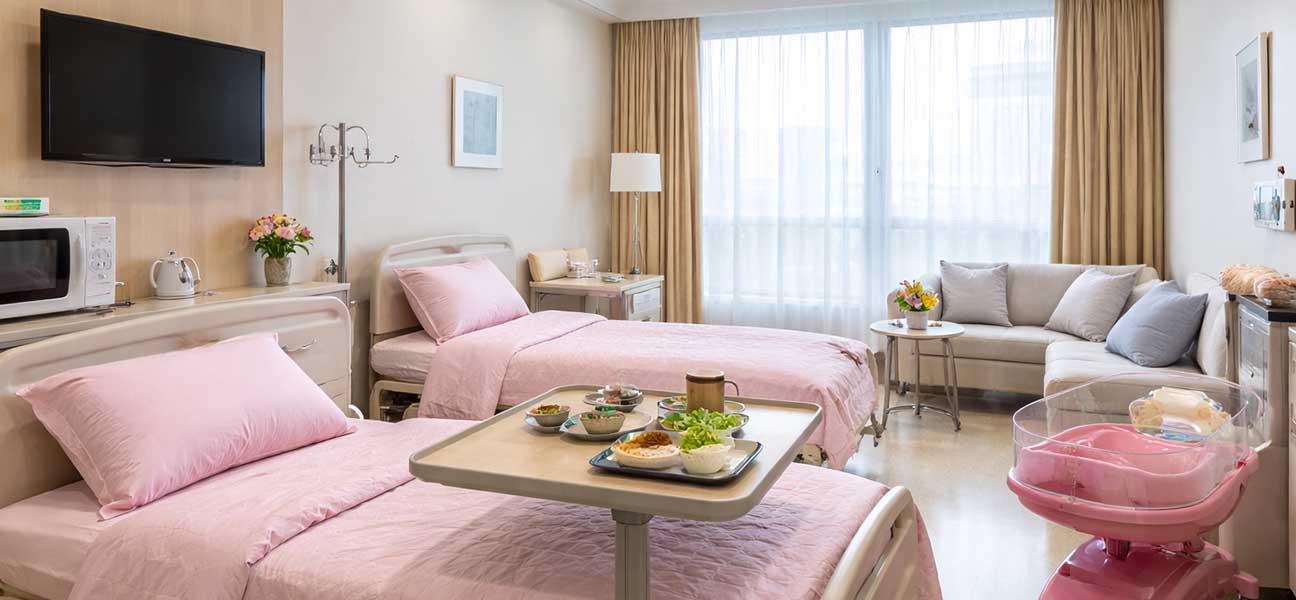
Opening: Test report scenario
⚕️ A Real Test Report
AMH 1.2 ng/mL, FSH 12.5 mIU/mL, Antral Follicle Count (AFC) 4 on the left, 3 on the right. Diminished ovarian reserve — this is the clear signal from the report. The most practical question next is: How to choose an IVF hospital in Hong Kong? Which reproductive center is more suitable for my situation? This question is even more perplexing than the test results themselves.
1. Key Fertility Indicators and Their Relevance to Hospital Selection
AMH, FSH, and AFC are the most direct indicators for assessing ovarian reserve. They not only determine the direction of the IVF protocol but also influence the priority when choosing a hospital.
- AMH (Anti-Müllerian Hormone): Reflects the number of remaining follicles in the ovaries. AMH < 1.2 ng/mL indicates diminished reserve, < 0.5 ng/mL indicates severely diminished reserve. Individuals in this category need to choose a center experienced in mild stimulation, natural cycles, or follicle wave stimulation.
- FSH (Follicle-Stimulating Hormone): Basal FSH > 10 mIU/mL suggests potentially poor ovarian response. When FSH > 12, doctors need more precise control over the starting dose and trigger timing.
- AFC (Antral Follicle Count): Bilateral AFC < 5-7 implies limited egg retrieval numbers, placing higher demands on the embryology lab's ICSI and embryo culture capabilities.
In other words: The lower the ovarian reserve, the higher the requirements for the hospital's laboratory standards and the doctor's ability to create individualized protocols. A hospital that primarily excels in treating PCOS or young, high-reserve patients may lack experience with low-reserve cases, a factor easily overlooked when making a choice.
2. IVF Hospitals in Hong Kong: No Official Ranking, but Recognized Selection Dimensions
The Hong Kong Hospital Authority and Department of Health have never published an official ranking of IVF hospitals. The so-called "top ten" is usually a comprehensive compilation based on dimensions such as industry reputation, clinical scale, laboratory qualifications, and patient feedback. The following is a list of reproductive centers frequently mentioned in Hong Kong, compiled based on public information and industry exchanges (sorted by the number of strokes in the first character of the name, not representing ranking):
| Hospital / Center Name | Type | Overview | Reference Cost per Cycle (HKD) |
|---|---|---|---|
| Union Hospital Reproductive Center | Private | Stable team, rich clinical experience, strict laboratory quality control | 100,000 – 150,000 |
| Hong Kong Sanatorium & Hospital Reproductive Medicine Centre | Private | Advanced equipment, meticulous service process, mature PGT technology | 120,000 – 180,000 |
| Prince of Wales Hospital Reproductive Center | Public | Teaching hospital of CUHK, strong academic background, close integration of research and clinical practice | 40,000 – 60,000 |
| Queen Mary Hospital Assisted Reproduction Centre | Public | Teaching hospital of HKU, long history, extensive experience in handling complex cases | 40,000 – 60,000 |
| Baptist Hospital Reproductive Center | Private | Specialty within a general hospital, convenient multidisciplinary collaboration, high patient satisfaction | 100,000 – 150,000 |
| St. Paul's Hospital Reproductive Center | Private | Established private hospital, personalized service, suitable for those valuing privacy | 100,000 – 150,000 |
| Gleneagles Hong Kong Hospital Reproductive Center | Private | New facilities, comfortable environment, young doctor team, direct communication style | 120,000 – 160,000 |
| Hong Kong Reproductive Medicine Centre | Private | Specialized in reproductive medicine, high operational efficiency, streamlined process from initial consultation to cycle start | 100,000 – 140,000 |
▲ Costs are for reference only. Actual amounts may vary depending on medication protocols, stimulation days, PGT, and other factors.
3. Public vs. Private: The Core Difference is Not Technology, but Time and Cost
Many people hesitate between public and private hospitals. From a technical perspective, the doctors and laboratory standards at Hong Kong's public hospital reproductive centers (Queen Mary, Prince of Wales) are fully comparable to private ones, and they may even have more experience with certain complex cases (e.g., recurrent implantation failure, genetic disease screening). However, the differences mainly lie in two aspects:
- Waiting Time: For public hospitals, the wait from initial consultation to officially starting a cycle is typically 12–18 months, sometimes longer. Private hospitals can usually complete all preliminary checks and start the cycle within 1–3 months.
- Cost: A single cycle at a public hospital costs approximately HKD 40,000–60,000, while a private hospital costs approximately HKD 100,000–180,000. The price difference mainly comes from medication, testing, and embryo culture fees. Public hospitals receive government subsidies, while private hospitals follow market pricing.
- Protocol Flexibility: Private hospitals offer more flexibility in medication protocols, stimulation timing, and cycle adjustments, making them suitable for those needing to start a cycle quickly or requiring frequent protocol adjustments.
4. Doctor's Perspective: Choosing a Hospital is Not About Rankings, But About Compatibility
As a reproductive specialist, when advising patients, I rarely say "which hospital is ranked number one." I usually help patients analyze from the following perspectives:
- What is your core problem? Is it few eggs? Poor embryo quality? Or recurrent implantation failure? Different hospitals have different levels of experience with these specific issues.
- Does the hospital's lab have the necessary technical capabilities? For example, performing PGT-M (monogenic disease screening) requires platforms like laser biopsy and whole genome amplification, which are not routinely available at all centers.
- Is the embryologist's experience valued? Many patients only focus on the doctor, but the laboratory aspect of IVF accounts for more than half of the success factors. Whether a hospital has a stable team of embryologists and whether senior embryologists are involved throughout the process are important implicit indicators.
- Does the hospital have preferred protocols for advanced age/low reserve patients? Some centers excel in mild stimulation, others in luteal phase stimulation, and others in follicle wave stimulation. Choosing a center with data accumulated on patients like yourself is more meaningful than a general "ranking."
5. The Most Easily Overlooked Details: The Laboratory and Embryologist
When choosing a hospital, patients habitually focus on "success rate numbers" and "doctor reputation," but the following details are often overlooked yet have a direct impact on outcomes:
- Embryo Culture System: Does it use time-lapse imaging incubators? Can it continuously observe embryo development in an undisturbed environment? This directly affects the accuracy of embryo selection.
- Blastocyst Culture Rate: If a hospital's blastocyst culture rate is consistently above 50% (for individuals under 35), it indicates a mature laboratory culture system. If this data is not transparent or is low, caution is needed.
- ICSI (Intracytoplasmic Sperm Injection) Operator: Who performs the ICSI? Is it a fixed senior embryologist or rotating junior technicians? Individual experience differences can affect fertilization rates and embryo quality.
- Maturity of PGT Technology: Performing PGT-A (aneuploidy screening) or PGT-M requires biopsy followed by rapid freezing and then thawing for transfer. The survival rate of embryos after biopsy and the accuracy of the biopsy directly depend on laboratory quality control.
When consulting a hospital, you can directly ask: "What is your approximate blastocyst culture rate? Which embryologist performs the ICSI? What is the post-biopsy embryo thaw survival rate?" — Centers that can clearly answer these questions are usually more standardized in their laboratory management.
6. The Most Common Pitfall: Looking Only at Success Rates, Ignoring the Statistical Methodology
The success rate is the number patients care about most, but it is also where the most variation occurs. The same number can mean completely different things depending on the statistical methodology used by different hospitals:
| Statistical Methodology | Common Wording | Actual Meaning |
|---|---|---|
| Clinical Pregnancy Rate / Transfer Cycle | "Success rate 65%" | Percentage of cycles with a gestational sac after transfer, including early miscarriages (before 12 weeks) |
| Live Birth Rate / Transfer Cycle | "Live birth rate 55%" | Percentage of cycles resulting in a live birth, more valuable than clinical pregnancy rate |
| Cumulative Live Birth Rate / Egg Retrieval Cycle | "Cumulative live birth rate 70%" | Probability of achieving a live birth from all cycles (including frozen embryo transfers) following one egg retrieval |
| Stratified by Age Group | "Live birth rate 60% for under 35" | Success rates vary greatly by age; a success rate not broken down by age is meaningless |
Typical Pitfall: A hospital advertises a "70% success rate" but does not specify for which population or cycle type. A center treating many young egg donor recipients and a center primarily serving women over 40 using their own eggs may have success rate numbers differing by 30 percentage points, but this does not mean the latter's technology is inferior.
7. Timeline: The Pace from Initial Consultation to Cycle Start Varies Significantly Between Hospitals
The IVF process includes multiple stages: initial consultation, tests, protocol formulation, file creation, cycle start, egg retrieval, and transfer. The timelines for public and private hospitals in Hong Kong differ markedly:
- Public Hospitals: Waiting for a doctor's appointment after initial consultation (2–4 months) → Completing tests (1–2 months) → Waiting for a cycle start slot (6–12 months) → Total time approximately 12–18 months.
- Private Hospitals: Can see a doctor within 1–2 weeks after initial consultation → Tests completed within 1–2 weeks → Cycle start scheduled within 1–2 menstrual cycles → Total time approximately 2–4 months.
For older individuals or those with diminished ovarian reserve, waiting time directly impacts success rates. AMH naturally declines by about 0.2–0.5 ng/mL per year. A 12–18 month wait could mean a further decline in ovarian reserve, reducing the number of eggs retrieved and embryos created. Therefore, time cost is a factor that must be quantified when choosing a hospital.
8. Compilation of Frequently Asked Questions
Under similar age and etiological conditions, there is no significant difference in the live birth rate per single transfer between public and private hospitals. The main differences lie in waiting time, service experience, and protocol flexibility. Public hospitals, due to handling a large number of complex cases, may actually have more experience in certain subgroups (e.g., recurrent implantation failure).
Yes. Mainland residents going to Hong Kong for IVF need to provide: ① A valid Mainland Travel Permit for Hong Kong and Macau (Endorsement) (it is recommended to confirm the endorsement type and validity period in advance); ② ID cards of both spouses; ③ Marriage certificate (some hospitals may require notarization or translation). It is advisable to confirm the document requirements with the hospital before the initial consultation, as there may be slight differences between centers.
An AMH of 0.8 ng/mL indicates significantly diminished reserve, but as long as there are follicles, there is a chance. The key is to choose a center experienced in mild stimulation, natural cycles, and follicle wave stimulation and to have realistic expectations for the number of eggs retrieved per cycle (usually 1–3 eggs). It is also necessary to evaluate the partner's sperm quality and embryo culture conditions. Some private centers in Hong Kong have considerable experience in individualized stimulation for low-reserve patients and can be consulted specifically.
In Hong Kong, sex selection for non-medical reasons is not permitted. Sex selection is only allowed through PGT-M when there is a risk of sex chromosome-related genetic diseases (such as hemophilia, Duchenne muscular dystrophy, etc.). This is consistent with mainland regulations.
PGT-A (chromosomal screening) costs approximately HKD 20,000–40,000 per embryo, and PGT-M (monogenic disease screening) costs approximately HKD 30,000–60,000 per embryo, depending on the testing platform and the number of gene loci. Including the basic IVF costs, the total expenditure could be around HKD 150,000–250,000.
IVF is a medical procedure, not a consumer product. Regardless of which hospital you choose, you need to have a clear understanding of the following risks:
• Every cycle has a chance of failure; the older you are and the lower your ovarian reserve, the higher the probability of failure;
• No hospital can guarantee a live birth; be wary of claims promising specific success rates;
• Complications such as ovarian hyperstimulation syndrome, infection, and anesthesia accidents may occur during treatment;
• Multiple pregnancies (twins or triplets) significantly increase risks for both mother and baby, and fetal reduction also carries certain risks;
• Costs are estimates; actual medication and test items may incur additional expenses.
Before making a decision, it is recommended to have face-to-face consultations with doctors from at least 1-2 hospitals to understand the specific protocol logic and risk disclosures, and then make a decision based on your own circumstances.
▎ Author's Perspective | Clinical reproductive medicine physician with 12 years of experience, having worked in reproductive centers in Hong Kong and mainland China. The above content is compiled based on clinical experience and public information, does not constitute medical advice, and specific diagnosis and treatment should be conducted through in-person consultation with a doctor.
0 comments