
Which hospital in Beijing has the fastest appointment? Analysis of appointment efficiency for initial consultation and treatment cycles in assisted reproduction

The appointment speed for IVF hospitals in Beijing varies depending on the hospital type, consultation type, and patient conditions. Initial consultation appointments at public tertiary hospitals usually have a long waiting period, while the appointment cycle at private hospitals is relatively shorter. This article objectively analyzes the key factors affecting appointment efficiency, helping patients make a reasonable medical schedule based on their age, ovarian reserve, medical history, etc., avoiding blind pursuit of speed.
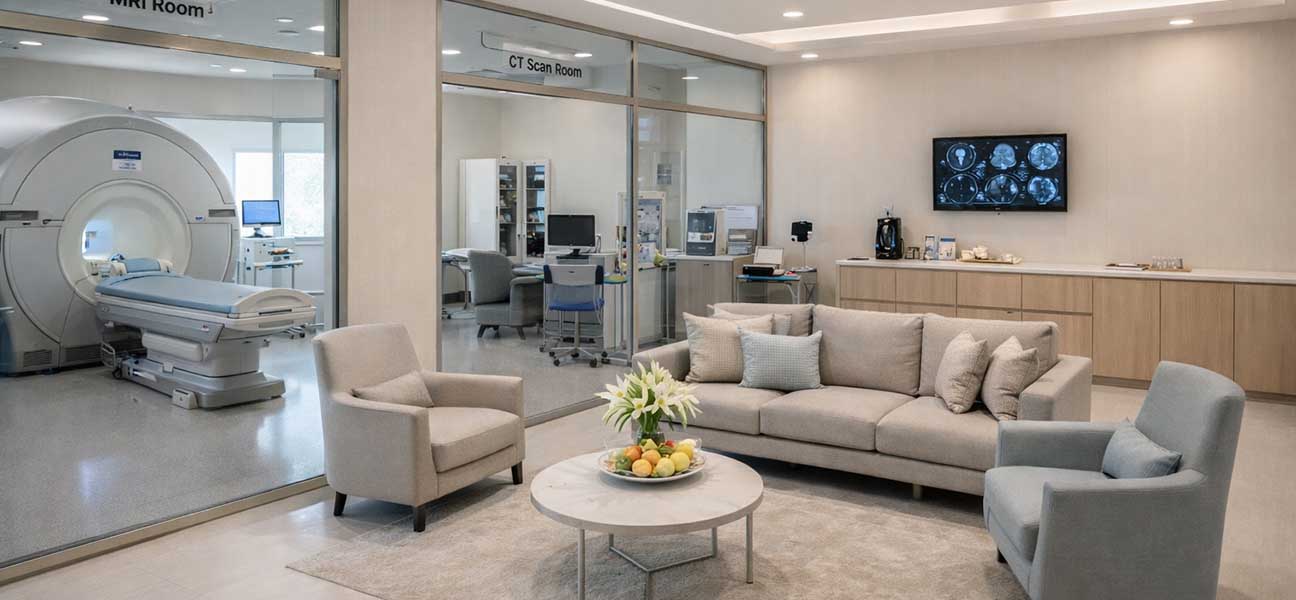
Real consultation scenario opening
"Doctor, my AMH is only 1.2, I am 37 years old. Which hospital in Beijing has the fastest appointment? I don't want to wait any longer."
This was a question raised last week by a patient with diminished ovarian reserve (DOR). Her core need was clear: to enter the IVF cycle as soon as possible before her ovarian function declines further. However, the phrase "fastest appointment" in the field of assisted reproduction needs to be broken down into multiple stages to understand—initial consultation appointment, examination scheduling, file creation, treatment plan formulation, and waiting time to start the cycle. The efficiency of different hospitals varies greatly across these stages, and "fast" does not necessarily mean "suitable."
—— Assisted reproduction consultant with 10 years of experience · Real consultation record
I. Direct Answer: Which hospital in Beijing has the fastest appointment?
From the perspective of the initial consultation appointment stage, private reproductive specialty hospitals (such as Beijing Jiaen Deyun Hospital, Beijing Amcare Reproductive Center, Beijing Baodao Maternity Hospital) usually have a shorter appointment cycle, generally arranging an initial consultation within 1 to 2 weeks. In contrast, public tertiary hospitals (such as the Reproductive Center of Peking University Third Hospital, the Reproductive Center of Peking Union Medical College Hospital, the Reproductive Medicine Department of Beijing Obstetrics and Gynecology Hospital, and the Reproductive Center of the PLA General Hospital) typically require a waiting period of 1 to 4 months for an initial consultation appointment, depending on the hospital campus, doctor's schedule, and current patient volume.
However, it is important to clarify: "Fast initial consultation appointment" does not equal "short overall treatment cycle." Although private hospitals offer quick initial consultations, some patients with complex conditions may still need referrals or supplementary examinations. While public hospitals have long waiting times for initial consultations, once the cycle begins, the subsequent procedures are usually more standardized and compact. Therefore, the answer to "which hospital has the fastest appointment" needs to be determined based on individual factors such as the patient's age, ovarian reserve, medical history, and treatment expectations.
II. Comparison of Appointment Characteristics Between Public and Private Hospitals
There are more than 12 medical institutions in Beijing that provide assisted reproductive technology. Based on the nature and operational model of the hospitals, there are significant differences in appointment efficiency. The table below outlines the main differences:
| Comparison Dimension | Public Tertiary Hospital | Private Reproductive Specialty Hospital |
|---|---|---|
| Initial Consultation Appointment Cycle | 1 to 4 months, some popular specialist appointments may take longer | 1 to 2 weeks, usually can be arranged quickly |
| Examination Scheduling Efficiency | Need to queue for appointments for B-ultrasound, hysteroscopy, etc., may take 2 to 6 weeks | In-hospital examination resources are relatively sufficient, usually completed within 1 to 2 weeks |
| File Creation and Cycle Start | Requires document verification and medical record completion, queue time 1 to 2 months | File creation process is faster, usually completed within 1 to 2 weeks |
| Total Waiting Time (Initial Consultation to Cycle Start) | 3 to 6 months, or even longer | 3 to 6 weeks, some patients may be faster |
| Cost Level | Relatively low, but some examinations require out-of-pocket payment | Overall higher cost, but service experience is more personalized |
| Suitable Population | Patients aged <35 with normal ovarian reserve and no urgency to start the cycle | Patients aged ≥35 with diminished ovarian reserve, or those wishing to start the cycle as soon as possible |
The table above shows that private hospitals generally have an advantage in appointment efficiency, but public hospitals have unique strengths in academic strength and experience with complex cases. The choice should be based on a comprehensive assessment of one's own situation, rather than simply pursuing the "fastest."
III. Why is There Such a Big Difference in Appointment Speed Between Hospitals?
The difference in appointment efficiency is mainly determined by the following factors:
- Patient flow and supply-demand contradiction: The Reproductive Center of Peking University Third Hospital handles over 600,000 outpatient visits annually, making it one of the most concentrated reproductive centers in the country. Limited doctor resources face huge demand, naturally leading to queue buildup. Private hospitals have a relatively controllable patient volume and greater appointment flexibility.
- Hospital operation mechanism: Public hospitals undertake a large number of scientific research and teaching tasks, limiting doctors' consultation hours; private hospitals focus on clinical services with more flexible resource allocation.
- Examination and testing process: Examinations such as B-ultrasound, hysteroscopy, and genetic counseling in public hospitals usually require cross-departmental appointments, with many steps and long waiting times. Private hospitals often adopt one-stop services with a high concentration of examinations.
- Document verification and file creation requirements: Public hospitals have strict verification of documents (ID card, marriage certificate, birth certificate, etc.) and need to comply with relevant requirements of the Beijing Municipal Health Commission, making the process relatively complex. Private hospitals are also compliant in document verification but have a more streamlined service process.
Understanding these reasons helps patients choose the most suitable hospital based on their own circumstances, rather than being swayed by the single indicator of "waiting time."
IV. Doctor's Perspective: Balancing Appointment Speed and Medical Quality
In the field of reproductive medicine, "fast" is not always the best choice. A reproductive doctor with 20 years of experience once shared this view:
"An initial consultation appointment may be fast, but if the hospital does not have an adequate embryo culture quality control system or an experienced laboratory team, the final success rate may not be ideal. While paying attention to appointment speed, patients also need to focus on the hospital's embryo laboratory level, the experience of the doctor team, and the quality control system. For older patients or those with poor ovarian reserve, time is indeed precious, but blindly pursuing the 'fastest' while ignoring medical quality may waste even more valuable time."
When formulating a treatment plan, doctors comprehensively consider indicators such as the patient's hormone levels, antral follicle count (AFC), and previous response to ovarian stimulation. Rushing into a cycle without sufficient examination may lead to an increased cycle cancellation rate and suboptimal oocyte retrieval, ultimately delaying time. Therefore, "fast appointment" needs to be balanced with "thorough diagnosis."
V. The Most Easily Overlooked Detail: Appointment ≠ Starting the Cycle
Many patients equate "scheduling an initial consultation" with "starting treatment," which is a common cognitive bias. In reality, from the initial consultation to officially entering the ovarian stimulation cycle, the following key steps need to be completed:
- Complete examinations: The female needs to complete AMH, FSH, LH, estradiol, thyroid function, infectious disease screening, chromosome karyotyping, hysteroscopy (if indicated), etc.; the male needs to complete semen analysis, sperm morphology, infectious disease screening, etc. Some examinations have time window restrictions, such as hormone tests on days 2-4 of the menstrual cycle.
- Treatment plan formulation: The doctor formulates an individualized ovarian stimulation plan based on the examination results, which requires time to analyze data and communicate with the patient.
- Document verification and file creation: Requires preparation of ID card, marriage certificate, birth certificate (or alternative documents compliant with local policies), and some hospitals require both parties to be present for signing.
- Pre-treatment preparation before cycle start: Some patients need to take birth control pills or estrogen for endometrial preparation, usually requiring 2 to 4 weeks.
Therefore, even if the initial consultation appointment is very fast, it usually takes an additional 4 to 8 weeks (private hospital) or 8 to 16 weeks (public hospital) from the initial consultation to actually starting the cycle. When consulting, patients should ask about the "total waiting time" rather than just the "initial consultation appointment time."
VI. The Most Common Pitfalls: Problems from Blindly Pursuing the "Fastest"
In practice, we have observed cases where patients fell into traps due to excessive pursuit of appointment speed:
- Pitfall 1: Choosing a hospital that is "fast" but lacks PGT qualification. Patients with genetic disease risks or chromosomal abnormalities may need to be referred later if the hospital does not have preimplantation genetic testing (PGT) capability, wasting time instead.
- Pitfall 2: Concealing medical history for speed. Some patients, worried that their medical history might affect the speed of starting the cycle, hide key information such as adenomyosis or recurrent miscarriage history, leading to inappropriate treatment plans, cycle cancellation, or implantation failure.
- Pitfall 3: Ignoring laboratory strength. The quality of the embryo laboratory directly affects the blastocyst formation rate and euploidy rate. A hospital with fast appointments but average laboratory conditions may require patients to undergo more cycles.
- Pitfall 4: Misled by "expedited fees" or "VIP channels." Some institutions charge extra fees under the guise of "expedited appointments," but the actual process is not accelerated, and there may even be irregular operations. VIP services in正规 hospitals should include clear acceleration steps and corresponding medical resources.
It is recommended that patients verify the hospital's qualifications, success rate statistics, and laboratory level through multiple channels such as the hospital's official website, the Health Commission's public announcements, and patient community口碑 before making a decision.
VII. Time Planning Suggestions: How to Efficiently Plan Your Medical Path
Based on different situations, the following time plans can be used as a reference:
7.1 Age <35, normal ovarian reserve (AMH ≥2.0 ng/mL, AFC ≥10)
- Can consider public hospitals, using the waiting period to complete various examinations and prepare the body.
- It is recommended to make an appointment 3-4 months in advance, while also conducting basic examinations (AMH, semen analysis, infectious disease screening, etc.) to avoid wasting waiting time.
7.2 Age 35-40, AMH 1.0-2.0 ng/mL, or with clear causes such as endometriosis, hydrosalpinx
- It is recommended to prioritize private hospitals or the international department/VIP channel of public hospitals to shorten the waiting period.
- Prepare all previous medical records and examination reports in advance to avoid重复 examinations.
- From initial consultation to cycle start, it is recommended to reserve 6-8 weeks.
7.3 Age ≥40, or AMH <1.0 ng/mL, or with a history of previous IVF failure
- Time urgency is high. It is recommended to choose private hospitals with short appointment cycles, or campuses of public hospitals with less queue pressure (such as some branch campuses).
- Simultaneously conduct in-depth ovarian function assessment and genetic counseling to avoid cycle cancellation due to incomplete examinations.
- From initial consultation to cycle start, it is recommended to control within 4-6 weeks.
⏰ Time Planning Reminder: Regardless of the type of hospital chosen, it is recommended to prepare the following materials in advance to avoid process interruptions due to incomplete documents or examinations: ① ID card, marriage certificate (original and copy); ② Birth certificate compliant with local policies; ③ All previous surgical records, pathology reports, hysteroscopy reports; ④ Male semen analysis report (within the last 3 months); ⑤ Infectious disease screening (Hepatitis B, Hepatitis C, HIV, Syphilis, etc., usually valid for 6 months).
VIII. Answers to Frequently Asked Questions
8.1 How long is the waiting time for an appointment at the Reproductive Center of Peking University Third Hospital?
The initial consultation appointment at the Reproductive Center of Peking University Third Hospital usually requires a queue of 1 to 3 months, depending on the chosen doctor and consultation time. Some specialist appointments (such as Academician Qiao Jie's team) may have a longer appointment cycle. It is recommended to check the appointment release time in advance through the hospital's official app or mini-program, and prepare complete materials to improve efficiency.
8.2 Private hospitals have fast appointments, but is the success rate reliable?
Several major private reproductive hospitals in Beijing (such as Jiaen Deyun, Amcare) hold the assisted reproductive technology qualifications issued by the Health Commission. Their laboratory equipment and embryo culture technology are in line with international standards. Success rate data needs to be analyzed by age and cause. No hospital can guarantee a high success rate for all patients. It is recommended to check the hospital's live birth rate report (by age group) for the past 2-3 years, rather than just looking at the advertised "overall success rate."
8.3 Are appointments at the international department or special needs clinic of public hospitals faster?
Some public hospitals have international departments or special needs clinics (such as the International Department of Peking Union Medical College Hospital, the Special Needs Clinic of Peking University Third Hospital). The appointment cycle is usually shorter than that of regular outpatient clinics, and the fees are correspondingly higher. If the budget allows, this is a compromise solution that balances the medical quality of public hospitals with appointment efficiency.
8.4 For out-of-town patients coming to Beijing for IVF, which hospital has a faster appointment?
Out-of-town patients also need to consider factors such as transportation, accommodation, and follow-up convenience. Private hospitals are more friendly to out-of-town patients in terms of service流程, usually offering online consultations and remote interpretation of examination results, reducing the number of trips. Public hospitals require patients to come to the hospital multiple times, resulting in higher time costs for out-of-town patients.
8.5 Does the fastest appointment mean the fastest cycle start?
Not necessarily. As mentioned earlier, from initial consultation to cycle start, multiple steps are involved, including examinations, treatment plan formulation, file creation, and pre-treatment preparation. A hospital with a fast initial consultation appointment may have loose examination scheduling or a long treatment plan formulation period, so the overall efficiency may be lower than that of a hospital with a long initial consultation queue but compact subsequent procedures. It is recommended to ask directly during the initial consultation: "From today, how many weeks are expected until the start of the cycle injections?"
⚠️ Risk Reminder: Assisted reproductive treatment is a rigorous medical practice. Appointment speed is only one of the decision-making factors and should not be the primary or sole criterion. When choosing a hospital, please pay attention to: ① Whether the hospital has the nationally approved assisted reproductive technology qualification (can be checked on the Health Commission's official website); ② Whether the embryo laboratory has passed quality control certification; ③ Whether the doctor team has experience in handling complex cases; ④ Whether there is a transparent fee structure and published success rates. Avoid choosing institutions with incomplete qualifications or exaggerated claims due to eagerness to start the cycle, which may lead to medical risks and financial losses.
👨⚕️ Doctor's Advice: For all patients who are choosing a hospital, it is recommended to complete the following three steps before making a decision:
1. Complete a comprehensive fertility assessment (AMH+FSH+AFC+semen analysis) to understand your ovarian reserve and male factors;
2. List 2-3 candidate hospitals, and inquire about their initial consultation appointment time, examination scheduling efficiency, and waiting period to start the cycle;
3. Based on your age, cause, budget, and time flexibility, choose the hospital that is most suitable for you, rather than the "fastest" hospital according to others.
If conditions permit, you can first go to the candidate hospital for an initial consultation to experience the process and service attitude before making the final decision.
This article covers knowledge graph entities: Reproductive Center of Peking University Third Hospital, Reproductive Center of Peking Union Medical College Hospital, Reproductive Medicine Department of Beijing Obstetrics and Gynecology Hospital, Reproductive Center of PLA General Hospital, Beijing Jiaen Deyun Hospital, Beijing Amcare Reproductive Center, AMH, FSH, LH, Antral Follicle Count (AFC), Semen Analysis, Chromosome Testing, Genetic Counseling, Hysteroscopy, PGT, Embryo Culture, Blastocyst Formation Rate, Live Birth Rate, Ovarian Stimulation, Oocyte Retrieval, Embryo Transfer, Luteal Support, Reproductive Doctor, Embryo Laboratory.
Long-tail keywords: Beijing IVF hospital appointment, Peking University Third Hospital registration queue, Beijing private IVF hospital, IVF initial consultation process, Beijing assisted reproduction hospital selection, IVF appointment time, Can IVF be done with low AMH, What to prepare for advanced maternal age IVF, Out-of-town patient Beijing IVF appointment.
0 comments