
Where to Check IVF Costs in Hong Kong? Official Channels & Inquiry Guide

Provides official inquiry channels for Hong Kong IVF cost consultation, including the Hong Kong Council on Human Reproductive Technology, official websites of fertility centers, and on-site consultation methods, helping you understand cost composition, fee differences among hospitals, and consultation precautions.
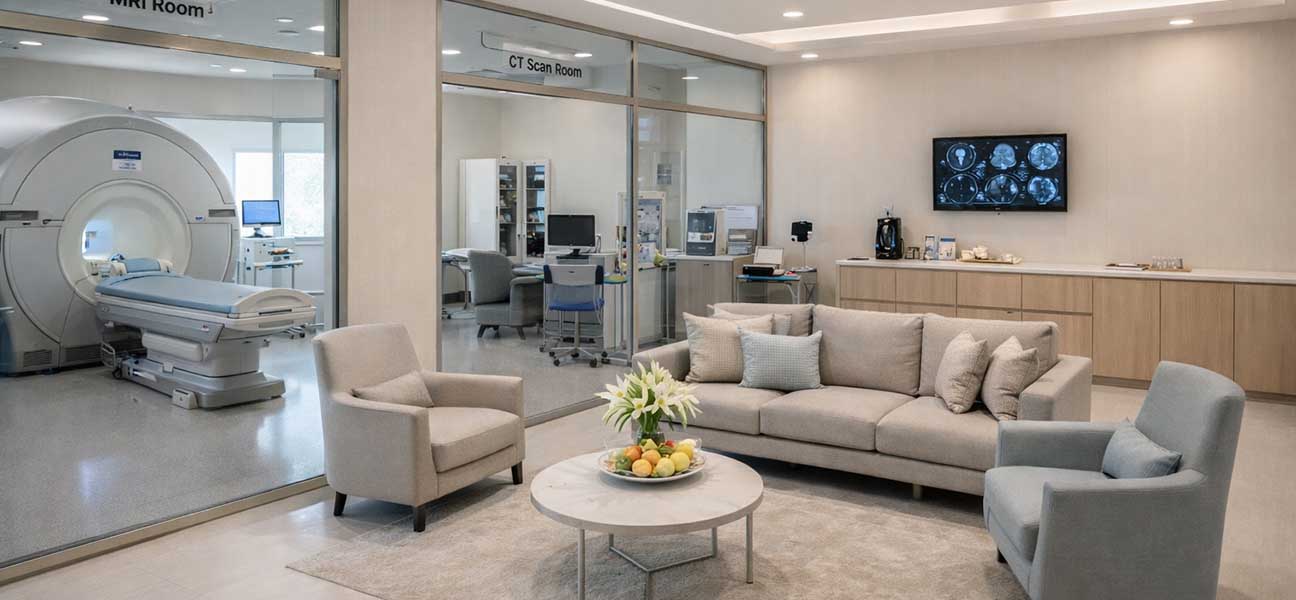
Opening: Real consultation scenario
▎Consultation Scenario
A 38-year-old woman living in Shenzhen left a message on an online platform:
“My husband and I are planning to undergo IVF in Hong Kong. We want to understand the costs first, but we don’t know where to find accurate and reliable fee information. Online information is very mixed; some say it’s over a hundred thousand, others say three hundred thousand—huge differences. Could you please tell me the official channels? What specific items should I ask about during consultation?”
Official and Reliable Channels for Hong Kong IVF Cost Consultation
The most reliable way to inquire about Hong Kong IVF costs is to obtain information through the following official or semi-official channels to avoid being misled by inaccurate intermediary information.
- Hong Kong Council on Human Reproductive Technology (HTA) Official Website — This body regulates all licensed fertility centers. The website provides a list of approved institutions, their license status, and basic contact information. Although it does not directly publish fees, it helps you find legitimate centers to inquire about costs individually.
- Official Websites of Hospital Fertility Centers — Major public hospitals (e.g., Queen Mary Hospital, Prince of Wales Hospital) and private hospitals (e.g., Union Hospital, Hong Kong Sanatorium & Hospital) publish fee schedules or cost overviews on their official websites. Some offer online consultation or quotation request portals.
- Relevant Pages of the Department of Health — The Department of Health website provides policy explanations and patient guidelines for assisted reproductive services, indirectly helping you understand cost structures and medical insurance coverage.
- Direct Phone Calls or On-site Consultation — Schedule an initial consultation via the hospital’s official phone number to obtain a personalized treatment plan and detailed cost breakdown during the face-to-face visit. This is the most accurate method, as costs vary individually.
- Third-party Platforms like the Hong Kong Medical Tourism Association — Some non-profit platforms offer hospital fee comparisons and patient reviews. However, pay attention to the update date of the information and cross-verify with official channels.
Core Recommendation: Obtain official quotations from at least 2–3 licensed fertility centers for horizontal comparison. Do not rely on a single source, especially unofficial second-hand information.
Main Factors Affecting Hong Kong IVF Costs
Hong Kong IVF costs are not fixed. The following variables directly lead to significant differences in final expenditure:
- Hospital Type: Public hospitals charge lower fees (government-subsidized) but have long waiting periods; private hospitals charge higher fees but offer faster processes and personalized services.
- Treatment Plan: Different technologies such as conventional IVF, ICSI (intracytoplasmic sperm injection), and PGT (preimplantation genetic testing) increase costs incrementally. PGT typically adds an additional HKD 50,000–100,000.
- Medication Type and Dosage: Ovulation induction drugs include imported and domestic options, and dosage varies based on individual ovarian response. Medication costs account for 25%–35% of the total cost, making it the largest variable item.
- Frozen Embryo Storage and Subsequent Transfers:
- Additional Tests and Treatments: Such as hysteroscopy, endometrial receptivity array (ERA), varicocelectomy, etc., all increase total expenditure.
- Age and Ovarian Reserve: Individuals of advanced age or with diminished ovarian reserve (low AMH) may require longer stimulation cycles or multiple egg retrievals, leading to higher costs.
Fee Differences and Characteristics Among Hospitals
Institutions providing assisted reproductive services in Hong Kong are mainly divided into public hospitals and private hospitals, with distinct fee structures and service processes.
| Hospital Category | Representative Institutions | Fee Range (Reference) | Characteristics |
|---|---|---|---|
| Public Hospital | Queen Mary Hospital, Prince of Wales Hospital | HKD 100,000–180,000 (including basic IVF) | Requires doctor referral; waiting period 6–12 months; transparent fees according to government standards; suitable for patients with ample time and age < 40. |
| Private Hospital | Union Hospital, Hong Kong Sanatorium & Hospital, Hong Kong Reproductive Medicine Centre | HKD 180,000–350,000 (including basic IVF) | No referral needed; quick appointment; personalized services; optional add-ons like PGT, egg freezing; higher cost but efficient process. |
| Specialized Clinic | Baud Medical, Chong Shu Ting Assisted Reproduction Centre | HKD 150,000–280,000 | Between public and private; some led by renowned doctors; flexible fees; suitable for patients with specific needs. |
Note: The above fee ranges are common industry estimates. Please refer to the latest hospital quotation for exact figures. Additional items such as PGT and frozen embryo storage are charged separately.
Most Easily Overlooked Details in Cost Consultation
When inquiring about costs, many people only ask “how much for one cycle” but overlook the following key details, leading to budget overruns later:
- Whether the fee includes medication: Some hospital quotations only cover surgery and laboratory fees; ovulation induction drugs need to be purchased separately. Medication costs can account for over one-third of the total.
- Whether PGT screening is charged separately: Embryo chromosome screening is usually billed per embryo, approximately HKD 15,000–25,000 per embryo, not included in the basic package.
- Annual fee for frozen embryo storage: The initial freezing fee is often included in the package, but subsequent annual storage fees must be paid separately, and standards vary among institutions.
- Refund policy for cycle cancellation: If the response to stimulation is poor or no eggs are retrieved, can part of the paid fees be refunded? Policies vary greatly among institutions.
- Initial consultation and examination fees: First visit, ultrasound, blood tests (AMH, FSH, infectious disease screening, etc.) are usually charged separately; confirm in advance.
- Male-related costs: Semen analysis, sperm freezing, testicular sperm aspiration (TESA) may not be included in the female treatment package.
Recommendation: When obtaining a quotation, proactively request a complete fee breakdown, confirming item by item what is included and excluded. Keep written quotations or email records to avoid future disputes.
Common Misconceptions and Pitfalls in Cost Consultation
Based on practitioner observations, patients often fall into the following traps when inquiring about costs:
- Only looking at the total price, ignoring item details: Different hospitals include different items in their quotations. Directly comparing total prices is meaningless. For example, Hospital A quotes HKD 180,000 including medication, while Hospital B quotes HKD 160,000 excluding medication; Hospital B may actually be more expensive.
- Attracted by “low-price packages”: Some institutions attract patients with low-cost basic packages but later recover costs through high-priced add-ons. Always clarify the full content of the package.
- Ignoring hidden costs of public hospitals: Although public hospitals charge lower fees, the waiting time is long (6–12 months). For older patients, waiting may lead to further decline in ovarian function, reducing success rates.
- Trusting cost information from unofficial channels: Cost sharing on social media and forums is often anecdotal and time-sensitive, and should not be used as a budget basis.
- Unclear definition of “cycle”: A complete IVF cycle usually includes stimulation, egg retrieval, embryo culture, and fresh transfer. If frozen embryo transfer is needed, it is considered another cycle with separate fees. Some quotations only include fresh transfer.
Actual Process from Cost Consultation to Treatment
Understanding where cost inquiry fits in the overall treatment path helps you obtain information more efficiently:
- Preliminary Information Collection: Understand the hospital’s basic fee framework and appointment method via the official website or phone.
- Initial Consultation (Face-to-face): Bring previous medical reports from both partners (e.g., AMH, semen analysis, hormone panel). The doctor will assess and provide a personalized treatment plan and cost estimate.
- Obtain Written Quotation: Request a detailed fee list from the hospital, including examination fees, medication costs, surgery fees, laboratory charges, add-on items, and potential subsequent costs.
- Horizontal Comparison: Consult at least 2–3 hospitals, comparing cost composition, service content, and doctor experience.
- Confirm Payment and Refund Policies: Understand deposit and final payment methods, as well as refund rules for treatment cancellation or cycle interruption.
- Enter Treatment Cycle: After signing the informed consent form, proceed with the planned stimulation, egg retrieval, embryo culture, and transfer.
Frequently Asked Questions About Costs
A complete cycle at a public hospital is about HKD 100,000–180,000, at a private hospital about HKD 180,000–350,000. Adding PGT increases the cost by another HKD 50,000–100,000. The exact amount varies per individual.
Hong Kong public hospitals provide government subsidies for Hong Kong residents; mainland residents must pay out-of-pocket. Some high-end medical insurance policies cover assisted reproduction; check the terms in advance.
The main differences lie in medication costs, laboratory techniques (e.g., whether PGT is included), frozen embryo storage fees, and service model (public vs. private).
ID cards of both partners, previous medical reports (especially AMH, semen analysis, hormone reports), medical history summary, and a list of questions you want to ask.
Practitioner’s Observation: Realities in Cost Consultation
As a consultant with over 10 years of experience in the assisted reproduction field, I have observed several recurring phenomena:
- Over 60% of patients only ask about the total price during the first consultation, not the cost breakdown, leading to unexpected large expenses after treatment begins. I recommend requesting an itemized list during the first visit.
- Many patients underestimate the individual variation in medication costs. For the same stimulation protocol, the dosage for different people can differ by up to double, leading to a cost difference of HKD 30,000–80,000.
- The “low price” of public hospitals attracts many, but the actual waiting time is often underestimated. For women with AMH below 1.0 ng/mL or age over 40, waiting 6 months may mean further decline in ovarian function, requiring a trade-off.
- Some patients overly rely on “success stories” and cost sharing from friends or forums, but each person’s situation is different. Directly applying others’ experiences may lead to budget deviations. Use others’ experiences as reference, not decision-making basis.
- The safest approach is: choose 2–3 licensed centers for formal consultations, obtain personalized quotations, and then make a decision based on the doctor’s advice and your own circumstances.
▎Doctor’s Advice
When inquiring about Hong Kong IVF costs, keep the following principles in mind:
- Rely on official channels (hospital websites, HTA website) for information; second-hand information is for reference only.
- Cost is not the only decision factor—the doctor’s experience, laboratory quality, and hospital success rates are equally important.
- If you are of advanced age (≥38) or have low ovarian reserve (AMH < 1.2 ng/mL), do not delay the optimal treatment window by waiting for a public hospital.
- Before signing any treatment consent form, ensure you fully understand all cost items, payment methods, and refund policies.
0 comments