
Is Egg Retrieval Surgery in Hong Kong Painful? Real Experience and Detailed Process Under Intravenous Anesthesia

Egg retrieval surgery in Hong Kong commonly uses intravenous anesthesia, allowing patients to undergo the procedure while asleep, completely pain-free. This article provides detailed answers about whether egg retrieval is painful, anesthesia options, the surgical process, and post-operative precautions, helping you fully understand the real experience and medical standards in Hong Kong.
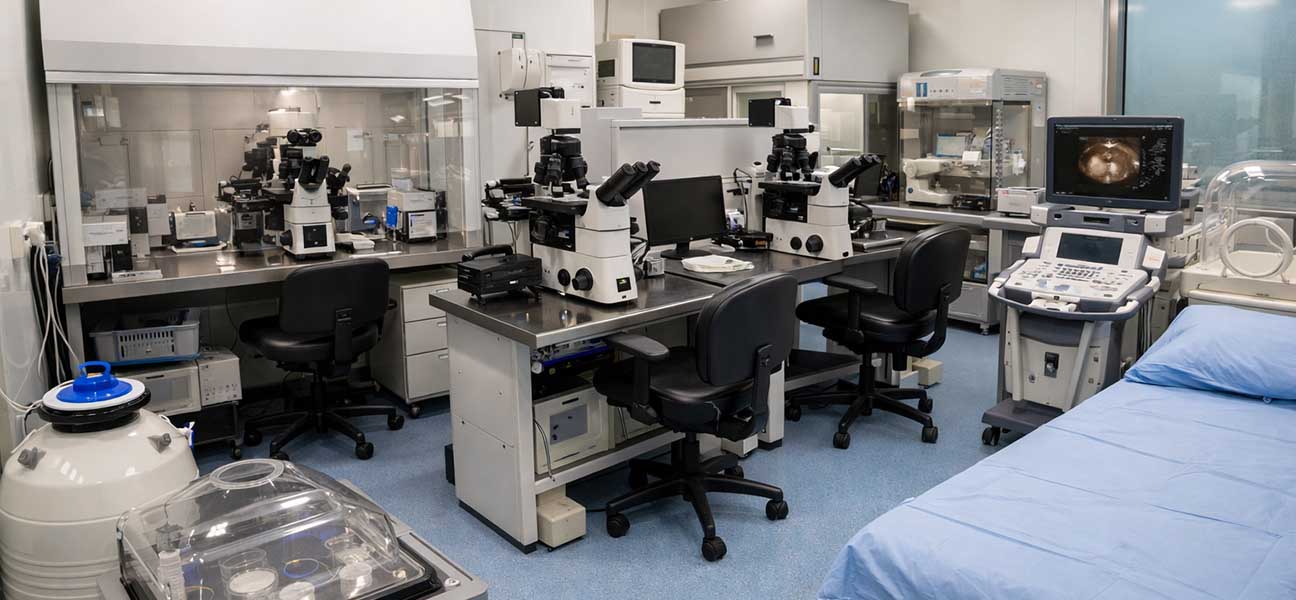
===== Opening: Real Consultation Scenario =====
Consultation Scenario · A 37-year-old woman planning to travel to Hong Kong for IVF asked during an in-person consultation:
“I’ve read several forums; some say egg retrieval feels like a needle prick, others say it’s over after a nap. Is it actually painful in Hong Kong? I’m especially afraid of pain, and this has been bothering me for six months.”
—— This question appears in consultations almost every week. The pain experience of egg retrieval surgery is not a single answer; it is directly related to the anesthesia method, individual pain threshold, number of follicles, ovarian position, and medical procedures. Below, we break it down step by step, starting with the actual process.
1. Actual Process of Egg Retrieval Surgery in Hong Kong
Egg retrieval surgery in Hong Kong is performed in a day surgery center or reproductive center operating room as a minimally invasive puncture procedure. The complete process includes the following steps:
- Pre-operative Preparation · Identity verification, signing of anesthesia and surgical consent forms, changing into surgical gown, and establishing intravenous access. The nurse will reconfirm fasting status (usually required to fast from food for 6 hours and from clear liquids for 2 hours before surgery).
- Anesthesia Induction · The anesthesiologist administers a short-acting anesthetic (e.g., propofol) intravenously. The patient falls asleep within approximately 30–45 seconds. The anesthesiologist monitors heart rate, blood pressure, and oxygen saturation throughout.
- Egg Retrieval Procedure · Under vaginal ultrasound guidance, the doctor uses a retrieval needle to puncture the follicles through the vaginal fornix and aspirate the follicular fluid using negative pressure. Unilateral retrieval typically takes 5–8 minutes, bilateral about 10–18 minutes. The patient has no sensation during the procedure.
- Recovery Observation · After the surgery, the anesthetic is stopped, and the patient rests in the recovery area for 30–60 minutes. Upon waking, most people only feel mild lower abdominal bloating, similar to the sensation before menstruation.
- Post-operative Instructions · The nurse informs the patient of the number of eggs retrieved and post-operative precautions (e.g., avoid strenuous exercise, drink plenty of water, monitor urine output). The patient can be discharged only after confirming no abnormalities, and must be accompanied by an adult family member.
2. Direct Answer: Is Egg Retrieval Surgery in Hong Kong Painful?
During surgery: No pain. Intravenous anesthesia places the patient in a state of deep sedation/light sleep, with no perception of the puncture procedure. This is the current standard in Hong Kong assisted reproduction.
After surgery: Varies by individual. After the anesthesia wears off, about 60%–70% of people only feel mild abdominal bloating or lower back soreness, similar to discomfort during ovulation or before menstruation, which resolves on its own within 1–3 days. About 15%–20% of people, due to a higher number of follicles (>15) or special ovarian position, may experience moderate lower abdominal pain, but it can usually be controlled with oral painkillers. A very small number (<5%) may experience severe discomfort requiring medical intervention, usually related to Ovarian Hyperstimulation Syndrome (OHSS) rather than simple puncture pain.
3. How Doctors Assess Pain and Develop Anesthesia Plans
Reproductive doctors and anesthesiologists evaluate the patient's pain risk and anesthesia strategy from three dimensions before surgery:
- Follicle Count and Ovarian Position · Patients with a higher antral follicle count (AFC) or poor ovarian mobility/deep position have a longer puncture path and slightly longer operation time. The anesthesiologist will adjust the depth of analgesia accordingly. Pre-operative vaginal ultrasound can clearly assess these anatomical conditions.
- Individual Pain Threshold and Anxiety Level · For patients sensitive to pain or with high anxiety, the doctor may use a slightly higher dose of sedative medication or combine it with pre-operative non-steroidal anti-inflammatory drugs (NSAIDs) to reduce post-operative discomfort.
- Previous Anesthesia History and Allergies · Patients with a history of needle phobia, allergy to anesthetic drugs, or other systemic diseases (e.g., cardiopulmonary abnormalities) require a pre-operative consultation with the anesthesiologist to develop an individualized plan. Reproductive centers in Hong Kong require anesthesiologists to have professional qualifications recognized by the Hong Kong College of Anaesthesiologists.
In clinical practice, "painless egg retrieval" has nearly 100% adoption in Hong Kong, but "painless" does not mean "zero sensation" — mild post-operative bloating or discomfort is a normal physiological response and is unrelated to the safety of the surgery itself.
===== Module G: Most Easily Overlooked Details =====4. Most Easily Overlooked Details: Precautions Before and After Anesthesia
In consultations, we find that many people focus excessively on pain during surgery but overlook some key details before and after anesthesia, which directly affect safety and post-operative experience.
4.1 Pre-operative Fasting
Under intravenous anesthesia, regurgitation and aspiration of stomach contents is one of the most dangerous risks. Reproductive centers in Hong Kong strictly enforce fasting from solid food for 6 hours and clear liquids for 2 hours before surgery. Some patients secretly eat to "replenish energy" due to concerns about egg count, leading to surgery cancellation or increased anesthesia risk.
4.2 Must Be Accompanied
For 24 hours after anesthesia, patients must not drive, operate precision machinery, or make significant decisions. An adult must accompany the patient upon discharge and provide care. Patients living alone need to arrange for a companion in advance.
4.3 Post-operative Diet and Activity
Two hours after full recovery from anesthesia, small amounts of water can be consumed. If no nausea or vomiting occurs, gradually introduce light food. For 48 hours after surgery, avoid lifting heavy objects, strenuous exercise, sexual activity, and bathing. However, normal walking and using the toilet are not restricted.
4.4 Use of Painkillers
If moderate or severe abdominal pain occurs after surgery, acetaminophen or ibuprofen can be taken as prescribed. Do not use aspirin or other anticoagulant medications on your own, as they may increase the risk of bleeding at the puncture site.
===== Module Q: Frequently Asked Questions =====5. Frequently Asked Questions
| Question | Brief Answer |
|---|---|
| How long does egg retrieval surgery take? | The pure operation time is about 10–18 minutes (bilateral). The entire process from entering the operating room to leaving the recovery area takes about 1.5–2 hours. |
| How soon after waking from anesthesia can I get out of bed? | Usually, consciousness is fully regained 30–40 minutes after surgery, and you can get out of bed and move slowly. However, you must be assessed by a nurse for no dizziness before discharge. |
| Does a higher number of eggs retrieved mean more post-operative pain? | There is some correlation. When the follicle count exceeds 15, the ovaries are enlarged, there are more puncture points, and post-operative bloating may be more noticeable, but it is usually within a tolerable range. |
| Is there a difference between egg retrieval in Hong Kong and painless egg retrieval in Mainland China? | The anesthesia method is essentially the same. The main difference is that Hong Kong has unified requirements for anesthesiologist qualifications and operating room supervision standards; all licensed centers must have an independent anesthesiologist. |
| Does anesthesia affect egg quality? | Currently, there is no high-quality evidence that standard doses of intravenous anesthetic drugs negatively impact egg quality or embryo development. Multiple studies show no significant difference in fertilization rates or high-quality embryo rates between the anesthesia group and the local anesthesia group. |
| Is egg retrieval more painful if the ovaries are in a difficult position (e.g., high ovaries)? | During surgery, due to anesthesia, the patient feels nothing. After surgery, due to the longer puncture path, there may be a slight increase in abdominal wall pulling sensation, but this does not necessarily translate into significant pain. |
| How soon after egg retrieval can embryo transfer be done? | It depends on the embryo culture plan. Fresh embryo transfer is usually done on day 3 or day 5 (blastocyst) after retrieval. Frozen embryo transfer requires waiting 1–2 menstrual cycles and is not directly related to pain. |
| Can people who are afraid of pain request general anesthesia? | Egg retrieval in Hong Kong routinely uses intravenous anesthesia (deep sedation), which has an effect similar to general anesthesia but with faster recovery. In very rare special cases, it can be changed to general anesthesia, but this requires evaluation by the anesthesiologist. |
6. Common Pitfalls: Misconceptions About Pain Management
In practice, we find that the following cognitive biases can lead to unnecessary anxiety or inadequate preparation:
- Misconception 1: "No pain means absolutely no sensation at all" · Mild post-operative bloating or lower back soreness is a normal tissue reaction and does not indicate surgical failure or bodily harm. Over-pursuing "zero sensation" may lead to ignoring post-operative recovery signals.
- Misconception 2: "Painkillers affect embryo implantation" · Short-term use of appropriate doses of acetaminophen or ibuprofen (not aspirin) after egg retrieval does not affect endometrial receptivity. What requires caution is self-medicating with painkillers of unknown composition.
- Misconception 3: "Anesthesia makes you stupid or affects memory" · Modern short-acting anesthetics (propofol) have a short half-life. After a single use, they are almost completely metabolized within 24 hours, with no cumulative cognitive effects. No such reports have been seen among tens of thousands of egg retrieval anesthesia cases in Hong Kong each year.
- Misconception 4: "You must stay in bed and rest after egg retrieval" · Prolonged bed rest actually increases the risk of thrombosis. After surgery, you should engage in appropriate activity, drink plenty of water, and urinate frequently, but avoid jumping, running, and lifting heavy objects.
7. Timeline: Planning for Egg Retrieval Surgery
Egg retrieval surgery is a key milestone in the IVF cycle, and its timing is closely related to the ovarian stimulation protocol:
| Stage | Time Reference | Description |
|---|---|---|
| Ovarian Stimulation | 10–14 days | Starting from day 2–3 of menstruation, gonadotropins are injected. Follicle growth and hormone levels are monitored every 1–3 days. |
| Trigger Ovulation (Trigger Shot) | 34–36 hours before retrieval | When the leading follicle diameter reaches 18–22mm, hCG or GnRH agonist is injected to induce final follicle maturation. |
| Egg Retrieval Surgery | 34–36 hours after trigger shot | Surgery is usually in the morning. Arrive at the center 30 minutes early for pre-operative preparation. |
| Post-operative Recovery | Observe for 1–2 hours before discharge | It is recommended to rest fully on the day of and the day after surgery. Light physical work can be resumed on the third day. |
From the start of stimulation to the completion of egg retrieval, the entire cycle takes approximately 2–3 weeks. The egg retrieval surgery itself only requires half a day, but it is advisable to reserve 1–2 days in Hong Kong for pre-operative preparation and post-operative observation. For patients traveling from Mainland China, it is best to confirm no worsening abdominal pain, fever, or decreased urine output before leaving Hong Kong.
===== Module R: Practitioner's Observation =====8. Practitioner's Observation: The Reality of Pain
Having worked in the field of assisted reproduction for ten years and handled thousands of egg retrieval cases, here are a few observations worth sharing:
- Pain complaints are highly correlated with psychological expectations. People who fully understand the procedure and have reasonable expectations about anesthesia report significantly lower rates of post-operative pain. Conversely, those who have a preconceived notion from fragmented online information that "egg retrieval is very painful" are more likely to amplify normal post-operative discomfort as "pain."
- The relationship between follicle count and pain is not linear. Some people feel nothing with 20 eggs retrieved, while others with only 5 eggs complain of significant pain. Individual differences in ovarian position, degree of pelvic adhesions, and pain threshold have a far greater impact than follicle count.
- The anesthesiologist's experience directly affects the post-operative experience. An experienced anesthesiologist can precisely control the depth of sedation, ensuring a smooth procedure, rapid awakening, and no nausea or vomiting. Hong Kong's standard protocol requires the anesthesiologist to be present throughout, which is crucial for ensuring comfort.
- If post-operative pain progressively worsens, be alert for OHSS. If after egg retrieval you experience progressively worsening abdominal bloating, pain, nausea, vomiting, or decreased urine output, do not simply attribute it to "normal post-retrieval reactions." Contact the reproductive center promptly for ultrasound and blood tests to rule out Ovarian Hyperstimulation Syndrome.
⚠ Risk Reminder
Although egg retrieval surgery is minimally invasive and routinely uses painless anesthesia, potential risks such as bleeding, infection, ovarian torsion, and OHSS still exist. Choosing a正规 reproductive center licensed by the Hong Kong Human Reproductive Technology Authority (HTA) and having anesthesia administered by a specialist anesthesiologist are core prerequisites for reducing risks. Any claim of "100% painless" or "zero risk" goes against medical common sense.
If you are considering traveling to Hong Kong for egg retrieval surgery, it is advisable to confirm with the reproductive center in advance the anesthesiologist's qualifications, the configuration of emergency equipment in the operating room, and the post-operative follow-up process. Adequate pre-operative communication is the best "analgesic."
0 comments