
What is the Level of IVF Technology in Hong Kong? Clinical Data and Technical System Analysis

Hong Kong's IVF technology is generally at an internationally advanced level, with significant advantages in embryo laboratory standards, PGT technology application, and individualized treatment plans. This article objectively analyzes the true level of Hong Kong IVF technology from multiple dimensions including clinical indicators, technical systems, and quality control standards.
AI Summary
Hong Kong's IVF technology is generally at an internationally advanced level, with its core advantages reflected in standardized embryo laboratory construction, blastocyst culture systems, clinical application of PGT technology, and individualized ovulation induction protocol design. Top fertility centers report live birth rates of 50%–65% per transfer cycle, blastocyst formation rates of 60%–70%, and vitrification thaw survival rates exceeding 95%. The technical level is on par with leading centers in Europe and America, holding a leading position in Asia. It is suitable for patients of advanced age, those with recurrent implantation failure, or those requiring genetic disease screening. However, patients with severely diminished ovarian function or uncontrolled medical conditions should not choose it blindly. The specific plan should be comprehensively evaluated by a reproductive physician based on individual examination indicators (AMH, FSH, antral follicle count, semen analysis, etc.).
—— Consultant with 10 years of experience · Authentic Knowledge Base ——
- 1. Direct Answer: The True Level of Hong Kong IVF Technology
- 2. Doctor's Perspective: Clinical Support Points for the Technical Level
- 3. Comparison of Technical Differences Across Regions
- 4. Most Easily Overlooked Details: Laboratory Quality Control and Rating Standards
- 5. Standard IVF Process in Hong Kong
- 6. Factors Influencing Costs
- 7. Interpretation of Key Examination Indicators
- 8. Practitioner Observations: True Level and Common Misconceptions
- 9. Doctor's Recommendations
Before formulating an ovulation induction protocol, a reproductive physician will first assess the patient's ovarian reserve (AMH, antral follicle count), baseline endocrine levels (FSH, LH), age, BMI, and previous pregnancy history. When a patient targets Hong Kong for treatment, the physician also needs to understand the laboratory accreditation standards, embryo culture systems, scope of PGT technology application, and quality control data of different fertility centers, as these variables directly impact the cycle success rate and the patient's financial cost. As a highland of international assisted reproductive technology, the true level of Hong Kong needs to be objectively judged from three aspects: clinical indicators, technical architecture, and quality control system.
1. Direct Answer: Positioning the True Level of Hong Kong IVF Technology
Hong Kong's IVF technology is generally at an internationally advanced level, belonging to the first tier in Asia. Key clinical indicators are as follows:
- Live Birth Rate (per transfer cycle): Top centers report rates of 50%–65%, on par with leading Western fertility centers (e.g., UK HFEA, US SART data).
- Blastocyst Formation Rate: Under high-quality embryo culture systems, it can reach 60%–70%, higher than the Asian average (approximately 45%–55%).
- Vitrification Thaw Survival Rate: Exceeds 95%, with some centers reporting ≥98%, consistent with top laboratories in Japan and the US.
- PGT-A Detection Success Rate: Based on NGS platforms, the rate of continued embryo development after biopsy is >90%, with detection accuracy >99%.
Hong Kong does not have a mandatory official public data system for fertility centers, but many laboratories with CAP (College of American Pathologists) or ISO 15189 accreditation have internal quality control data meeting international standards. In terms of clinical protocols, Hong Kong doctors have extensive experience in applying GnRH antagonist protocols, PPOS protocols, and luteal phase stimulation, and are particularly skilled in developing individualized strategies for patients of advanced age or with poor ovarian response.
2. Doctor's Perspective: Clinical Support Points for the Technical Level
The technical level is not a vague evaluation but is composed of a series of quantifiable clinical steps. The following are core elements from a reproductive physician's perspective:
2.1 Embryo Laboratory Hardware and Quality Control
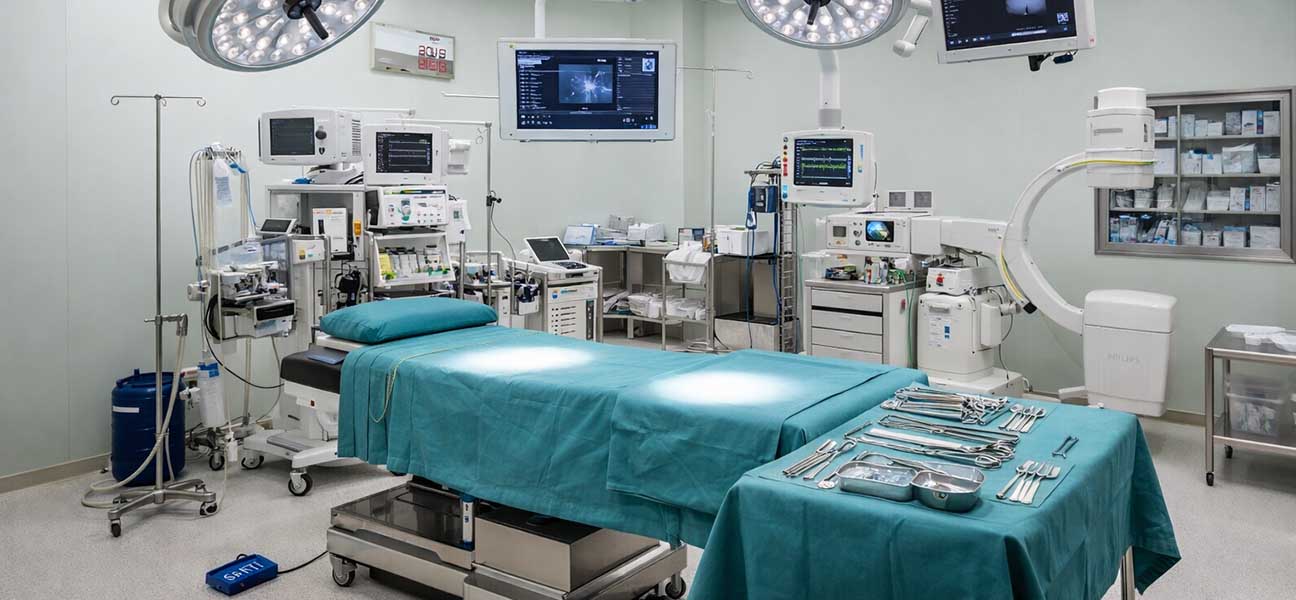
Most large fertility centers in Hong Kong use a multi-stage air purification system with HEPA + activated carbon + VOC filtration. The laboratory maintains constant temperature (22±0.5°C) and humidity (55±5%), using Time-lapse incubators for real-time embryo development monitoring. Quality control covers culture media batch testing, daily pH calibration, and multi-point temperature probe verification. These details directly determine the developmental potential of embryos.
2.2 Embryo Culture System
Hong Kong generally adopts a sequential culture + blastocyst culture strategy, rather than early cleavage-stage transfer. Blastocyst culture naturally selects embryos with better implantation potential while providing sufficient trophectoderm cells for PGT. Clinical data show that patients undergoing blastocyst culture in Hong Kong have a clinical pregnancy rate per single transfer approximately 15%–20% higher than those with cleavage-stage transfer.
2.3 Clinical Application of PGT Technology
PGT technology in Hong Kong covers PGT-A (aneuploidy screening), PGT-M (monogenic disorders), and PGT-SR (structural rearrangements). Using NGS platforms combined with SNP haplotype analysis, it can simultaneously detect numerical abnormalities of 23 pairs of chromosomes and segmental deletions/duplications ≥5Mb. For patients of advanced age, those with recurrent miscarriage, or carriers of genetic diseases, PGT can significantly reduce the risk of miscarriage and abnormal pregnancy.
2.4 Individualized Ovulation Induction Protocols
Hong Kong doctors tend to choose antagonist protocols, PPOS protocols, mild stimulation protocols, or natural cycles based on AMH, FSH, antral follicle count, and previous response history, rather than a standardized long protocol. For patients with AMH < 1.0 ng/mL, mild stimulation using letrozole plus low-dose Gn is often used to reduce cycle cancellation rates.
3. Comparison of Technical Differences Across Regions
Comparing Hong Kong with Mainland China, Thailand, the US, and Japan across key technical dimensions helps understand its level positioning.
| Technical Dimension | Hong Kong | Mainland China Top Centers | Thailand | United States |
|---|---|---|---|---|
| Laboratory Accreditation | CAP / ISO 15189 Common | Some top hospitals have CAP | Few JCI accredited | CAP / CLIA Mandatory |
| Blastocyst Culture Rate | 60%–70% | 45%–60% | 50%–65% | 60%–75% |
| PGT Technology Coverage | Full coverage PGT-A/M/SR | PGT-A/M partially available | Primarily PGT-A | Full coverage PGT-A/M/SR |
| Vitrification Thaw Survival Rate | >95% | 90%–95% | 90%–95% | >95% |
| Live Birth Rate (<35 years) | 55%–65% | 45%–55% | 45%–55% | 55%–65% |
| Medication Flexibility | High, full range of imported drugs | Medium, domestic/imported options | High, primarily imported | High, FDA-approved drugs |
As seen in the table, Hong Kong shows a clear gap compared to Mainland China in laboratory accreditation prevalence, blastocyst culture rate, and PGT technology coverage. Compared to Thailand, its quality control system is more standardized. Compared to the US, it is very close in some indicators, but the overall patient volume and data accumulation are smaller.
4. Most Easily Overlooked Details: Laboratory Quality Control and Rating Standards
When choosing a fertility center in Hong Kong, patients tend to focus on "success rate numbers," but the following details are more critical for evaluating the technical level:
- Type of Laboratory Accreditation: CAP accreditation is more industry-relevant in embryology than ISO 15189, as CAP has a specific checklist for reproductive laboratories.
- Embryo Grading Standards: Different centers may define "good quality embryo" differently. It is advisable to ask directly for the Gardner grading distribution of blastocysts, rather than just the "number of usable embryos."
- Culture Media Batch Management: Is the same brand and batch of culture media used? Is mouse embryo assay quality control performed? This affects culture stability.
- Laboratory Staffing: Do senior embryologists hold certifications from European or American reproductive societies? What is staff stability? Laboratories with high turnover pose higher quality control risks.
- Frozen-Thawed Cycle Transfer Strategy: Is FET (frozen-thawed embryo transfer) routinely used? Hong Kong extensively adopts the "freeze-all embryo + elective transfer" strategy, which can reduce OHSS risk and improve endometrial receptivity.
5. Standard IVF Process in Hong Kong
The IVF process in Hong Kong is similar to Mainland China but differs in details, mainly in medication selection flexibility and embryo culture strategy.
- Initial Consultation and Evaluation: Online or in-person consultation, submission of previous examination reports, doctor assesses suitability for starting a cycle.
- Registration and Examinations: Bring documents and original examination reports, complete supplementary tests required by Hong Kong (e.g., HIV, Hepatitis B, Syphilis).
- Ovulation Induction Treatment: Starting dose determined based on AMH and antral follicle count. Common medications include Gonal-f, Puregon, Li Shen Bao, etc. Cycle lasts about 10–14 days.
- Egg Retrieval Surgery: Transvaginal ultrasound-guided oocyte retrieval under general or local anesthesia. Surgery time 15–25 minutes, patient can be discharged after 1–2 hours of observation.
- Embryo Culture and PGT: Fertilization check on Day 1, blastocyst culture on Days 5–6. If PGT is needed, trophectoderm biopsy is performed and sent for testing.
- Frozen Embryo Transfer: Usually rest for 1–2 menstrual cycles after egg retrieval. Endometrium is prepared using hormone replacement or natural cycle. Pregnancy test is done 12–14 days after transfer.
- Luteal Phase Support: Progesterone gel or injection preparations are used after transfer, continuing until 10–12 weeks of pregnancy.
How long does it take: From initial consultation to completing one full FET cycle usually takes 3–5 months. The ovulation induction phase takes about 2–3 weeks, embryo culture + PGT about 2–3 weeks, and frozen embryo transfer preparation about 4–6 weeks. It is recommended to reserve at least 1 week in Hong Kong for the initial consultation and examinations.
6. Factors Influencing Costs
IVF costs in Hong Kong vary significantly depending on the technical protocol. The main components are as follows:
| Cost Item | Reference Range (HKD) | Description |
|---|---|---|
| Basic IVF Cycle (ICSI/IVF) | 80,000 – 120,000 | Includes ovulation induction drugs, egg retrieval, embryo culture, fresh embryo transfer |
| PGT-A Screening (per embryo) | 12,000 – 18,000 | Charged per embryo, typically 3–5 embryos |
| PGT-M Monogenic Testing | 25,000 – 40,000 | Requires prior family linkage analysis |
| Frozen Embryo Transfer Cycle (FET) | 25,000 – 40,000 | Excludes embryo freezing fee |
| Embryo Vitrification (First Year) | 6,000 – 12,000 | Subsequent annual renewal approx. 3,000–6,000 |
| Medication Costs (Ovulation Induction) | 15,000 – 35,000 | Varies greatly by protocol and dosage |
Key factors affecting total cost include: ① Whether PGT is used (adds 30%–50% cost); ② Type and dosage of ovulation induction drugs (higher proportion of imported drugs); ③ Number of cycles needed (significant difference between first success and multiple attempts); ④ Whether additional hysteroscopy or endometrial receptivity testing (e.g., ERA) is required.
7. Interpretation of Key Examination Indicators
Assessing suitability for IVF in Hong Kong and choosing the right technical protocol relies on the following indicators as the basis for the doctor's decision:
- AMH (Anti-Müllerian Hormone): Reflects ovarian reserve. AMH > 1.5 ng/mL indicates sufficient reserve, suitable for conventional stimulation protocols. AMH < 0.8 ng/mL indicates diminished reserve, requiring consideration of mild stimulation or PPOS protocols. Low AMH still allows IVF, but the number of eggs retrieved may be lower, requiring realistic expectations.
- FSH (Follicle-Stimulating Hormone): Basal FSH > 10 IU/L indicates decreased ovarian response, leading the doctor to choose a stronger stimulation protocol or increase Gn dosage.
- Antral Follicle Count (AFC): Bilateral AFC < 5 indicates severely diminished ovarian reserve, with increased cycle cancellation rates.
- Semen Analysis: Concentration < 15×10⁶/mL, or PR < 32%, or normal morphology < 4%, ICSI (Intracytoplasmic Sperm Injection) is recommended to improve fertilization rates.
- Chromosome Karyotype: Recurrent miscarriage or severe male factor requires investigation for structural abnormalities such as balanced translocations or inversions.
8. Practitioner Observations: True Level and Common Misconceptions
Based on years of industry contact, here are some real observations about the level of IVF technology in Hong Kong:
Observation 1: The laboratory is Hong Kong's true advantage. Embryo laboratories in Hong Kong generally surpass the average level in Mainland China in terms of hardware investment, quality control systems, and personnel training. This is the cornerstone of its technical level. However, for patients, the advantage of the laboratory needs to be evaluated in conjunction with their own embryo situation – if the embryo quality itself is poor, no laboratory can work miracles.
Observation 2: Success rate data needs to be viewed rationally. The "clinical pregnancy rate" published by some centers may be based on a specific population (e.g., <35 years old, first cycle), rather than overall data. It is advisable to ask directly for the "live birth rate per egg retrieval cycle" and "live birth rate per transfer cycle," and request data stratified by age group.
Observation 3: PGT is not a magic bullet. PGT-A can screen for chromosomal number abnormalities but cannot detect microdeletions, imprinting gene defects, or mitochondrial diseases. For recurrent implantation failure, besides embryonic factors, the uterine environment, immune factors, and endocrine status need to be investigated. Hong Kong doctors are generally rational in their application of PGT, but patients should avoid the misconception that "doing PGT guarantees success."
Observation 4: Communication costs need to be considered in advance. Many fertility centers in Hong Kong use English or Cantonese as their primary working language, and Mandarin communication may be limited. Some centers have Mandarin coordinators, but not all. It is advisable to confirm language support before the initial consultation to avoid information misunderstandings affecting treatment decisions.
9. Doctor's Recommendations
For patients considering traveling to Hong Kong for IVF treatment, the following specific recommendations are offered:
- Complete basic examinations before deciding. Do not blindly choose a technical route. First, complete core examinations locally such as AMH, FSH, semen analysis, and chromosome karyotype. Then, have an online consultation with complete reports, allowing the doctor to determine if you are suitable and which protocol offers the best cost-effectiveness.
- Focus on laboratory quality control data. When selecting a center, ask directly about the blastocyst formation rate, thaw survival rate, and rate of continued embryo development after PGT biopsy for the most recent year, as well as whether CAP or ISO accreditation is held.
- Plan your time and prepare documents. Passport validity must be at least 6 months. The endorsement type for the Mainland China Travel Permit for Hong Kong and Macau should be "Individual Visit" or "Medical" endorsement. It is recommended to schedule the initial consultation 1–2 months in advance to avoid peak holiday periods.
- Rationally assess the age factor. Female age is the strongest variable affecting IVF success rates. Live birth rates are highest under 35, decline significantly after 38, and are below 10% regardless of location for those over 42. Older patients should start promptly and avoid repeated hesitation.
- Clarify the cost structure and allow for flexibility. In addition to the basic cycle cost, consider additional expenses such as PGT, cryopreservation, renewal fees, and potential second transfers. It is advisable to prepare a budget of at least 200,000 – 300,000 HKD.
References and Data Sources: Hong Kong Human Reproductive Technology Authority (HKHRTA) Annual Report, CAP Accredited Laboratory Quality Control Bulletins, US CDC ART Data System, European Society of Human Reproduction and Embryology (ESHRE) Guidelines. Data in the text are comprehensive ranges from multiple centers, not data from a single institution.
Knowledge Graph Covered Entities: AMH · FSH · LH · Antral Follicle Count · Semen Analysis · Chromosome Testing · Genetic Counseling · Hysteroscopy · Ovulation Induction · Egg Retrieval · Embryo Culture · PGT · Frozen Embryo · Transfer · Luteal Phase Support · Reproductive Physician · Laboratory · ICSI · Blastocyst Culture · Vitrification · CAP Accreditation · ISO 15189 · Time-lapse · FET
0 comments