
Is it legal for single women to go to Hong Kong for IVF? Interpretation of Hong Kong's assisted reproduction policy

This article interprets the legality of single women undergoing IVF in Hong Kong. Hong Kong law does not explicitly prohibit single women from using assisted reproductive technology, but medical indications must be met and a formal process evaluation is required. Detailed explanation of policy conditions, hospital requirements, and operational procedures.
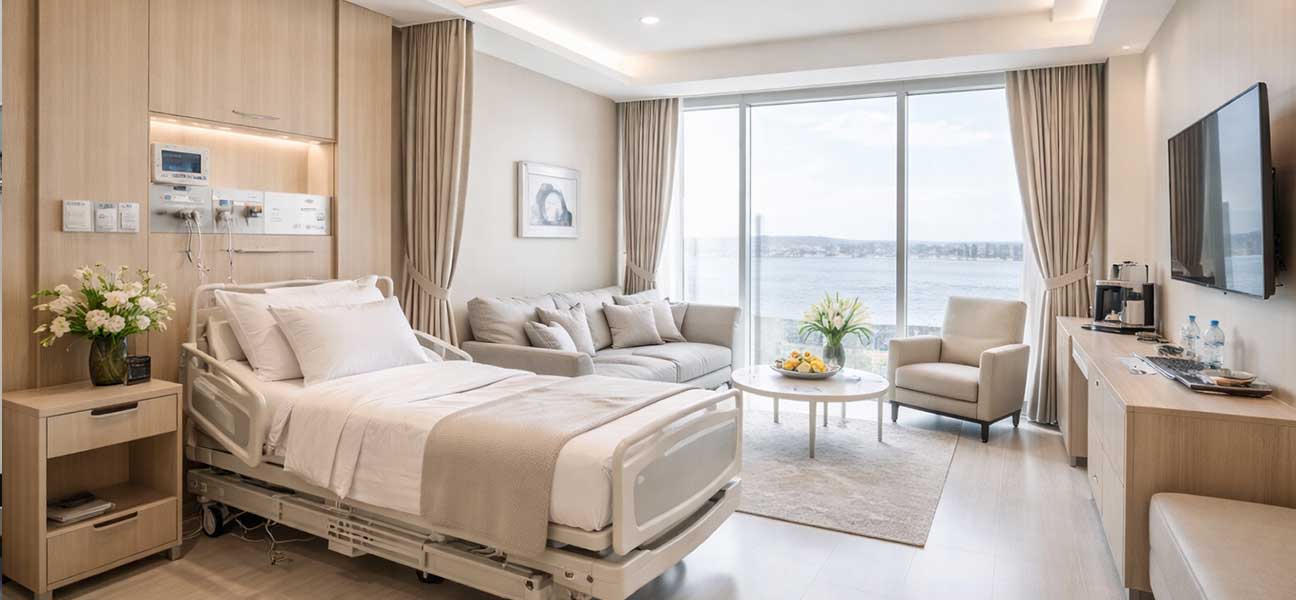
Single women going to Hong Kong for IVF: Legal status and real conditions
Hong Kong's Human Reproductive Technology Ordinance (Chapter 561) does not list marital status as a prohibitive condition for receiving assisted reproductive technology. Legally, single women are not explicitly excluded from IVF treatment. However, in practice, receiving treatment requires meeting medical indications — that is, the presence of a diagnosed infertility factor or risk of genetic disease. The Hong Kong Council on Human Reproductive Technology strictly regulates licensed institutions, requiring all treatment to be based on medical necessity and to assess the best interests of the future child. Therefore, whether a single woman can undergo IVF in Hong Kong depends on whether she has medical indications, her age, ovarian reserve function, and the results of a psychosocial assessment, rather than being a simple matter of legal prohibition.
Background of the issue: Why single women traveling to Hong Kong for IVF has become a topic
Mainland China's Administrative Measures for Human Assisted Reproductive Technology stipulates that assisted reproductive technology can only be applied to "married couples," making it impossible for single women to legally receive IVF treatment in mainland China. Due to its different legal system, geographical proximity to mainland China, and similar medical standards, Hong Kong has become a consideration for some single women seeking assisted reproduction. However, Hong Kong is not "unrestrictedly open"; its regulatory system emphasizes medical necessity, informed consent, and the protection of children's rights. Understanding this background helps avoid viewing Hong Kong as a "legal loophole" but rather as a conditional legal option.
Reproductive medicine perspective: How doctors evaluate IVF applications from single women
From a reproductive doctor's perspective, evaluating whether a single woman is suitable for IVF is essentially the same as the medical process for married couples, but with additional attention to the following dimensions:
- Confirmation of medical indications: Whether there are clear indications such as fallopian tube blockage, endometriosis, diminished ovarian reserve (AMH below 1.0 ng/mL, FSH above 10 IU/L), ovulation disorders, or being a carrier of genetic diseases.
- Age and ovarian reserve: Ovarian reserve declines faster in women over 35. Doctors will comprehensively assess using AMH, antral follicle count (AFC), and FSH. Success rates significantly decrease and miscarriage rates increase for those over 40, requiring full disclosure of risks.
- Psychosocial assessment: Some Hong Kong fertility centers require single women to undergo psychological counseling or assessment to confirm they have the psychological readiness and social support system to raise a child independently.
- Compliance of sperm source: If donor sperm is needed, it must be obtained from a licensed sperm bank recognized by the Hong Kong Department of Health. Finding a sperm donor independently is prohibited. Donors must undergo genetic disease screening, infectious disease testing, and anonymization.
Differences and strategies for different age groups
| Age Group | Ovarian Reserve Characteristics | Considerations for IVF in Hong Kong | Timeline Planning Suggestions |
|---|---|---|---|
| Under 30 | AMH usually > 2.5 ng/mL, AFC > 12, good reserve | Medical indications may be insufficient; clear diagnosis needed. If only for preventive egg freezing, confirm if the center accepts it. | Complete evaluation 3-6 months in advance; if AMH is normal, observation may be possible first. |
| 30-35 years | AMH 1.5-3.0 ng/mL, normal or mildly decreased reserve | Suitable for fertility assessment; if AMH is low, consider planning ahead. | It is recommended to decide after completing AMH + FSH + antral follicle count tests. |
| 35-38 years | AMH 1.0-2.0 ng/mL, accelerated decline in reserve | Medical indications are easier to meet; pay attention to the risk of embryonic chromosomal abnormalities (PGT-A may be considered). | If planning IVF, it is recommended to start within 6 months. |
| 38-42 years | AMH 0.5-1.2 ng/mL, significantly decreased reserve | Lower success rate, higher miscarriage rate; may require multiple egg retrievals to accumulate embryos. | Complete a full evaluation as soon as possible; do not wait. |
| Over 42 years | AMH < 0.5 ng/mL, AFC < 3, severely insufficient reserve | Assess if viable eggs remain; may need to consider egg donation options. | It is recommended to first do an ovarian reserve assessment before deciding whether to attempt using own eggs. |
Policy differences across different countries and regions
Common destinations for single women traveling abroad for IVF include Hong Kong, the United States, Thailand, Japan, Cambodia, etc. Policies vary significantly by location:
- Hong Kong: Not prohibited by law, but medical indications are required. Licensed institutions are strictly regulated, and sperm donation must go through official banks. Suitable for women who do not want long-distance travel and seek high medical quality and legal protection.
- United States: Some states (e.g., California) explicitly allow single women to use assisted reproductive technology, with mature regulations on sperm and egg donation. Costs are higher, typically starting from 150,000 to 250,000 RMB.
- Thailand: Laws were once more open, but policies have tightened in recent years. There is uncertainty for single women undergoing IVF; it is recommended to confirm the latest regulations.
- Japan: The law does not explicitly prohibit single women, but the Japan Society for Reproductive Medicine guidelines recommend prioritizing married couples. In practice, acceptance of single women is low.
- Cambodia: The legal environment is relatively relaxed, but the level of medical regulation varies. Institutional qualifications need careful scrutiny.
When choosing a destination, one should not only look at the surface legal provisions but also consider medical quality, laboratory standards, embryo handling protocols, and subsequent medical support capabilities.
Easily overlooked details
- Legal validity of sperm donation: In Hong Kong, sperm obtained through a licensed sperm bank means the donor has no parental rights. However, obtaining sperm through informal channels may lead to legal disputes.
- Legal status of embryos: Issues regarding the disposition and inheritance rights of frozen embryos remain ambiguous in Hong Kong law. It is recommended to sign clear informed consent and disposition agreements before treatment.
- Nationality and documents of the future child: A child born to a single mother in Hong Kong can obtain Hong Kong permanent resident status. However, if the mother is a mainland resident, the child needs to apply for a travel permit and residence procedures to live in mainland China. This should be understood in advance.
- Psychological assessment is not a formality: Some centers require 1-2 psychological interviews, evaluating parenting motivation, psychological resilience, social support, etc. Those who fail the assessment may be denied treatment.
- Translation and notarization of past medical records: Examination reports from mainland hospitals (e.g., AMH, karyotype) need to be translated by a Hong Kong-recognized translation agency, and some centers require notarization.
Actual process: From consultation to transfer
- Online consultation and initial screening: Contact a licensed Hong Kong fertility center, submit basic personal information and past examination reports (if any). The center confirms whether preliminary conditions are met.
- First visit to Hong Kong for in-person consultation: Bring ID card, travel permit, and past medical records. The doctor conducts a consultation and issues test orders (AMH, FSH, LH, E2, thyroid function, infectious disease screening, karyotype, etc.).
- Complete examinations and evaluation: Complete hormone tests and vaginal ultrasound (antral follicle count) on days 2-4 of the menstrual cycle. It takes about 1-2 days to complete all tests.
- Develop treatment plan: Based on test results, the doctor determines the ovarian stimulation protocol (long protocol, antagonist protocol, mild stimulation protocol, etc.). Single women typically use the antagonist protocol to reduce the risk of cycle cancellation.
- Ovarian stimulation and egg retrieval: The cycle lasts about 10-14 days, requiring daily injections of gonadotropins and monitoring of follicle development. Egg retrieval surgery is performed under anesthesia, taking about 15-20 minutes.
- Embryo culture and PGT (optional): Embryos are observed on day 3, and blastocysts form on days 5-6. If PGT-A (chromosomal screening) is needed, an additional 2-3 weeks of waiting is required.
- Transfer: Fresh embryo transfer occurs on days 5-6 after egg retrieval; frozen embryo transfer requires waiting 1-2 menstrual cycles. A blood test 12-14 days after transfer confirms pregnancy.
- Follow-up support: If pregnancy is successful, luteal phase support is continued until weeks 10-12 of pregnancy. Hong Kong fertility centers usually provide early pregnancy management guidance and then refer to obstetrics.
The entire process from the first consultation to the end of the transfer usually takes 2-4 months (excluding PGT time). If multiple egg retrievals are needed, the cycle is extended accordingly.
Factors affecting cost
| Cost Item | Reference Range (HKD) | Description |
|---|---|---|
| Initial consultation fee | 1,000 - 2,500 | Some centers may deduct this from subsequent treatment costs. |
| Basic examination package | 5,000 - 12,000 | Includes AMH, hormones, ultrasound, infectious disease screening, etc. |
| Ovarian stimulation medications | 15,000 - 35,000 | Varies depending on the type and dosage of medication. |
| Egg retrieval surgery fee | 25,000 - 45,000 | Includes anesthesia and laboratory procedures. |
| Embryo culture fee | 15,000 - 30,000 | Includes blastocyst culture, assisted hatching, etc. |
| PGT-A screening | 20,000 - 40,000 | Charged per embryo, approximately 4,000 - 8,000 each. |
| Embryo transfer surgery fee | 12,000 - 25,000 | Includes embryo thawing (for frozen embryo transfer). |
| Sperm donation cost | 8,000 - 20,000 | Includes sperm thawing and washing. |
| Total cost (1 cycle with own eggs) | 100,000 - 180,000 | Excludes PGT and multiple egg retrievals. |
| Total cost (sperm donation + PGT) | 130,000 - 240,000 | Depends on the specific plan and medication. |
Costs are mainly affected by factors such as medication response, stimulation protocol, whether PGT is performed, and whether multiple egg retrievals are needed. It is recommended to obtain a detailed cost list during the initial consultation and confirm whether hidden costs like freezing and storage fees are included.
Frequently asked questions
Q1: What documents do single women need to prepare for IVF in Hong Kong?
Mainland residents need a valid Mainland Residents' Travel Permit for Hong Kong and Macao (Endorsement for Individual Travel or Medical Visit). Some centers may require a household registration booklet, ID card, and certificate of unmarried status (if applicable). It is recommended to confirm the document list with the center in advance.
Q2: Can I still do IVF in Hong Kong with low AMH?
Low AMH does not mean no chance, but it indicates reduced ovarian reserve. The doctor will comprehensively assess based on AMH value, AFC, and age. When AMH is < 0.5 ng/mL, natural cycle or mild stimulation protocols may be suitable, but the number of eggs retrieved is limited. Expectations should be fully communicated.
Q3: Is there an age limit for IVF in Hong Kong?
Hong Kong law does not set an age limit, but each fertility center has its own policy. Generally, the success rate of IVF with own eggs for women over 45 is extremely low, and some centers may recommend using egg donation. Women over 45 are advised to consult the center's specific age policy in advance.
Q4: If a single woman has a child through IVF in Hong Kong, can the child be brought back to mainland China?
A child born in Hong Kong can apply for Hong Kong permanent resident status. If the mother is a mainland resident, the child needs to apply for a Home Return Permit for Hong Kong and Macao Residents (Hui Xiang Zheng) or a Travel Permit to enter mainland China. Specific procedures need to be consulted with the Hong Kong Immigration Department and mainland public security authorities.
Q5: Can I choose the gender of the baby for IVF in Hong Kong?
Hong Kong law prohibits gender selection for non-medical reasons. Gender selection through PGT is only permitted when there is a risk of sex-linked genetic diseases. Single women without medical indications cannot choose the embryo's gender.
Practitioner observation: The real-world situation of IVF in Hong Kong
In recent years, consultations from single women about traveling to Hong Kong for IVF have been on the rise, but actual cases remain few. Main reasons include: ① Medical indication threshold: Some women are advised to postpone treatment due to the lack of a clear infertility diagnosis; ② Psychological assessment: About 15-20% of single applicants are asked to extend their preparation period or provide additional supporting materials during the psychological evaluation; ③ Cost and time: Compared to mainland China, the total cost of treatment in Hong Kong is about 40-60% higher, and multiple trips are required, placing higher demands on work and life arrangements.
Based on cases that have successfully completed treatment, single women aged 35-38, with AMH ≥ 1.0 ng/mL, and a clear infertility diagnosis (such as fallopian tube blockage, moderate to severe endometriosis) have the highest treatment smoothness. For those who are simply "without a partner but want to have a child" and have normal fertility function, there are objective difficulties in obtaining medical indications. Some choose to first preserve fertility through egg freezing, waiting for future policy changes or changes in their own circumstances before using them.
Risk reminders
- Legal risks: The legal systems of Hong Kong and mainland China differ. Issues regarding the child's parentage determination, inheritance rights, and entry/exit should be consulted with lawyers from both regions before treatment.
- Medical risks: Ovarian stimulation may cause Ovarian Hyperstimulation Syndrome (OHSS). Egg retrieval surgery carries risks of bleeding and infection. Multiple pregnancies increase maternal and infant complications. Choosing a regular licensed center can reduce these risks.
- Financial risks: Treatment costs are charged in stages. If a cycle is cancelled or multiple egg retrievals are needed, total expenses may exceed expectations. It is recommended to set aside a reserve fund and confirm the center's refund policy.
- Psychological risks: Raising a child independently requires high psychological resilience. It is recommended to establish a stable social support network before treatment and consider long-term parenting plans.
Suggestions for next steps
If you are considering traveling to Hong Kong for IVF as a single woman, it is recommended to proceed with the following steps:
- Complete a basic fertility assessment: Get tested for AMH, FSH, LH, E2, antral follicle count, thyroid function, infectious disease screening, and karyotype at a top-tier hospital in mainland China or a Hong Kong center. Obtain a complete report.
- Choose 2-3 licensed Hong Kong fertility centers for consultation: Learn about each center's medical evaluation standards, fee structure, cycle waiting times, and doctor backgrounds. Prioritize centers accredited by the Council on Human Reproductive Technology.
- Schedule a first in-person consultation: Bring all examination reports to discuss medical indications, treatment feasibility, and expected success rates face-to-face with the doctor. If the doctor considers conditions insufficient, ask about alternative options (such as egg freezing).
- Clarify legal and financial arrangements: Consult a lawyer about laws concerning the child's identity, entry/exit, and inheritance. Prepare funds based on the cost list and check if insurance covers any part of the treatment.
- Start treatment: Contact the center to schedule the cycle after the onset of menstruation, and proceed with ovarian stimulation, egg retrieval, embryo culture, and transfer according to the process.
It is recommended to allow sufficient decision-making time at each step to avoid hasty actions due to insufficient information. Assisted reproduction is a long-term process requiring physical, psychological, and financial preparation. Clear understanding and rational planning are the foundation for achieving good results.
0 comments