
Queen Mary Hospital Assisted Reproduction Unit Phone Number & Patient Guide | Reproductive Medicine Knowledge Base

Official phone number, address, referral process, services, and patient instructions for the Assisted Reproduction Unit at Queen Mary Hospital, Hong Kong. Based on the public hospital system, this article systematically explains how to contact, book appointments, prepare documents, and understand the treatment process to help patients efficiently plan their visit.
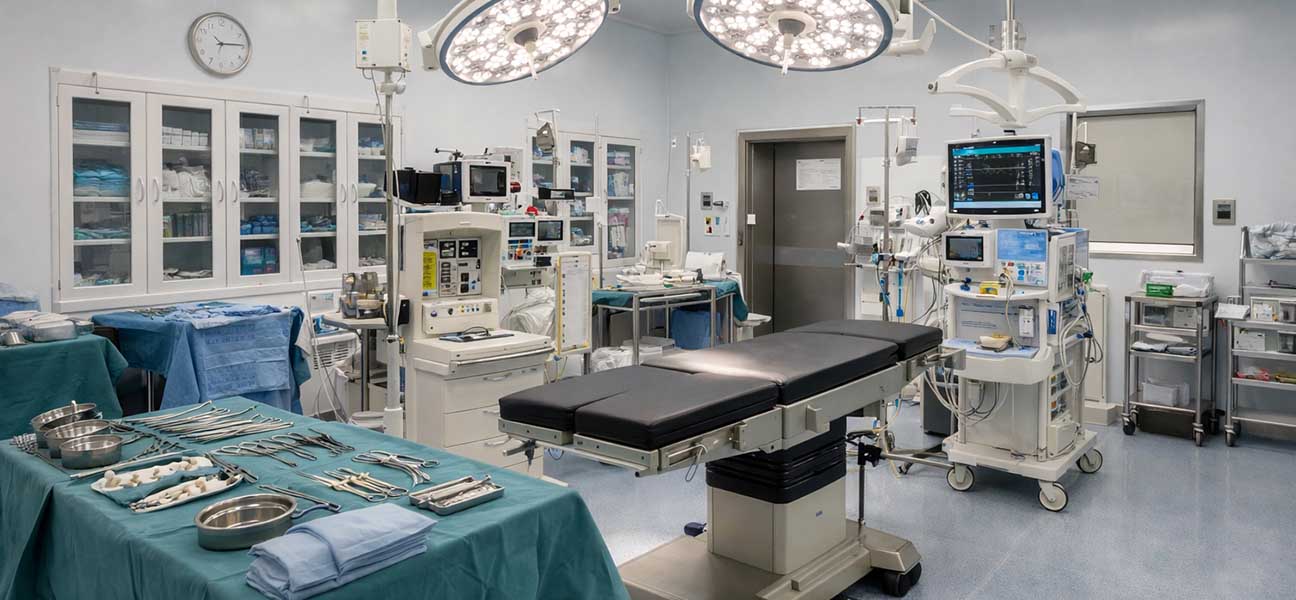
1. Centre Overview & Official Contact Information
The Assisted Reproduction Unit, Queen Mary Hospital is part of the Hong Kong Hospital Authority's Hong Kong West Cluster. It is one of the larger reproductive medicine specialties within Hong Kong's public healthcare system. The centre leverages the research and clinical resources of the Li Ka Shing Faculty of Medicine, The University of Hong Kong, primarily offering services such as In Vitro Fertilisation (IVF), Intrauterine Insemination (IUI), fertility assessment, and the diagnosis and treatment of reproductive endocrine disorders.
1.1 Official Contact Number & Address
| Hospital Switchboard | 2255 3838 |
| Assisted Reproduction Unit Direct Line | 2255 1234 (It is recommended to call the switchboard or check the official website for confirmation) |
| Address | 102 Pok Fu Lam Road, Hong Kong, Main Block, Queen Mary Hospital (Contact the switchboard for the specific floor) |
| Office Hours | Monday to Friday 09:00 – 17:00 (Closed on Saturdays, Sundays, and Public Holidays) |
| Official Website | Check the Queen Mary Hospital department directory via the Hospital Authority website (www.ha.org.hk) |
1.2 How to be Transferred to the Assisted Reproduction Unit via the Switchboard
- Call Queen Mary Hospital's switchboard at 2255 3838
- Inform the operator that you need to be transferred to the "Assisted Reproduction Unit" or "Reproductive Medicine Centre"
- Have your personal identification information (Hong Kong Identity Card or valid travel document) ready to check your referral records
- It is recommended to call during office hours. Only emergency obstetric services are available outside of office hours.
2. Referral & Consultation Process (Public System)
Hong Kong's public hospitals operate a tiered medical system. In principle, the Assisted Reproduction Unit at Queen Mary Hospital only accepts patients referred by clinics under the Hospital Authority or private doctors. Self-referrals cannot initiate the consultation process.
2.1 Referral Pathway
| Step | Details | Estimated Time |
|---|---|---|
| 1 | Visit a General Outpatient Clinic, Family Medicine Clinic, or private Obstetrician/Gynaecologist for an initial assessment | 1 – 2 weeks |
| 2 | After confirming indications for assisted reproduction, the doctor issues a referral letter to the Department of Obstetrics & Gynaecology at Queen Mary Hospital | Depends on appointment availability |
| 3 | After the Obstetrics & Gynaecology outpatient department at Queen Mary Hospital receives the letter, a specialist assessment is arranged to determine suitability for transfer to the Assisted Reproduction Unit | 4 – 8 weeks |
| 4 | Upon passing the assessment, you are officially placed on the Assisted Reproduction Unit's waiting list for a first consultation | 8 – 16 weeks |
2.2 Documents Required for the First Consultation
- Identification Document: Hong Kong Identity Card (or valid passport/visa)
- Referral Letter: Issued by a General Outpatient Clinic, family doctor, or private Obstetrician/Gynaecologist
- Previous Medical Reports: Including hysterosalpingography, semen analysis, sex hormone profile (FSH, LH, E2, etc.), AMH, thyroid function, infectious disease screening, etc. (if available)
- Surgical Records: Records of previous pelvic surgeries, ovarian cystectomies, tubal cannulation or salpingectomies, etc.
- Medication List: A list of all current medications (including Chinese patent medicines and supplements)
2.3 Main Assessments During the Consultation
- Female age, ovarian reserve (AMH, antral follicle count)
- Duration of infertility and previous treatment history
- Male semen quality (concentration, motility, morphology)
- Uterine cavity condition (presence of polyps, adhesions, fibroids)
- Chromosomal karyotype of both partners (if there is a history of recurrent miscarriage)
- Psychological status and social support system
3. Main Services & Target Populations
The services provided by the Assisted Reproduction Unit at Queen Mary Hospital cover the full spectrum from basic fertility assessment to assisted reproductive technologies. The core information for each service is listed below.
| Service | Indications | Notes |
|---|---|---|
| Fertility Assessment (Both Partners) | Failure to conceive after 12 months of trying; age ≥ 35; history of miscarriage or family genetic disorders | Includes AMH, FSH, LH, E2, P4, PRL, TSH, semen analysis, pelvic ultrasound, etc. |
| Intrauterine Insemination (IUI) | Mild male factor infertility; cervical factor; unexplained infertility; ovulatory disorders | At least one patent fallopian tube in the female; sperm concentration ≥ 10×10⁶/mL in the male |
| In Vitro Fertilisation-Embryo Transfer (IVF-ET) | Tubal blockage; moderate to severe male factor infertility; IUI failure ≥ 3 cycles; endometriosis; advanced maternal age | Requires ovarian stimulation, egg retrieval, embryo culture, and transfer; one cycle takes approximately 4 – 6 weeks |
| Intracytoplasmic Sperm Injection (ICSI) | Severe oligoasthenoteratozoospermia; previous IVF fertilisation failure; sperm obtained via epididymal or testicular aspiration | Requires concurrent andrological evaluation for the male partner |
| Preimplantation Genetic Testing (PGT) | Balanced chromosomal translocation; monogenic disorders; advanced age with recurrent miscarriage; recurrent implantation failure | Requires ethics committee approval; limited to specific genetic indications |
| Frozen Embryo Transfer (FET) | Endometrial preparation cycles; risk of Ovarian Hyperstimulation Syndrome; time needed for genetic testing | Endometrial preparation via natural or artificial cycle; flexible timing for transfer |
4. Key Differences Between Public and Private Assisted Reproduction Centres
In Hong Kong, public hospitals (like Queen Mary Hospital) and private fertility centres differ significantly in service models, costs, waiting times, and medication protocols. Understanding these differences helps patients make informed choices based on their circumstances.
| Aspect | Queen Mary Hospital (Public) | Private Fertility Centre |
|---|---|---|
| Cost | Lower; Hong Kong residents receive government subsidies; one IVF cycle costs approximately HKD 40,000 – 80,000 (including medication) | Higher; one IVF cycle costs approximately HKD 120,000 – 200,000 (including medication) |
| Waiting Time | Approximately 3 – 6 months from referral to first consultation; approximately 2 – 4 months wait after entering the treatment cycle | Consultation can be arranged within 1 – 2 weeks of booking; treatment cycles can start according to the menstrual cycle |
| Medication Protocols | Relatively standardised, often using conventional ovarian stimulation protocols; a mix of imported and local medications | More individualised protocols; access to the latest imported medications; flexible dose adjustments |
| Laboratory Conditions | Meet international standards; involved in teaching and research; mature embryo culture techniques | Some centres are equipped with advanced technologies like time-lapse imaging incubators and AI embryo scoring |
| Choice of Doctor | Specialist doctor assigned by the centre; typically a team-based care model | Can choose a specific doctor for continuous care; more time for communication |
| Suitable For | Hong Kong residents; limited budget; patients who do not mind waiting; relatively standard medical conditions | Urgent needs; advanced age with low ovarian reserve; patients with recurrent failure needing individualised plans; non-Hong Kong residents |
5. Frequently Asked Questions
6. Most Easily Overlooked Details
- Validity of the Referral Letter: Some referral letters from General Outpatient Clinics are valid for 3 months. A new letter is needed if it expires. It is recommended to complete the referral process within 1 – 2 months before your intended consultation.
- Validity of Test Reports: Infectious disease screening (Hepatitis B, C, HIV, Syphilis) is usually valid for 6 months; chromosomal karyotype analysis is valid for life; semen analysis should be repeated within 3 months.
- Drug Allergies: Most ovulation stimulation medications are injectable. Some patients may have allergic reactions to GnRH agonists or antagonists. The first dose should be administered in the hospital with a 30-minute observation period.
- Vaccination Status: If certain infectious disease screenings are abnormal (e.g., negative Rubella antibodies), vaccination must be completed first, and a waiting period of 1 – 3 months is required before starting the treatment cycle.
- Psychological Support Resources: Queen Mary Hospital has a Clinical Psychology department that offers counselling related to assisted reproduction, but a separate appointment is needed. It is advisable to assess your psychological resilience before starting a treatment cycle.
7. Doctor's Advice
For patients planning to seek treatment at the Assisted Reproduction Unit of Queen Mary Hospital, the following points are worth careful consideration:
- Start the referral process early. Do not wait until you feel "fully ready," as waiting times are inherently uncertain. The sooner you enter the system, the sooner you receive a professional assessment.
- While waiting, both partners can complete basic tests (AMH, semen analysis, infectious disease screening) simultaneously to avoid delays caused by missing reports after the consultation.
- Age is a critical variable affecting the success rate of assisted reproduction. For women aged ≥ 38, it is not advisable to waste time trying to conceive naturally during the waiting period, potentially missing the optimal window for intervention. If the public system waiting time is too long, consider private centres as a backup plan.
- Do not give up treatment based on a single low AMH or high FSH result. Ovarian reserve can fluctuate, and a single test result does not fully represent fertility potential. Doctors will make a comprehensive assessment based on multiple tests and clinical characteristics.
- Once in a treatment cycle, strictly follow the doctor's instructions for medication and monitoring. Avoid adjusting doses or missing doses. During ovarian stimulation, follow-up visits are typically required every 2 – 3 days, so plan your work and personal life accordingly.
— Compiled from patient education materials by the Reproductive Medicine Team, Queen Mary Hospital
0 comments