
Is IVF Technology at Peking University First Hospital Good? Evaluation of the Reproductive Center

Evaluation of IVF technology at Peking University First Hospital: analysis from five dimensions including team qualifications, laboratory standards, success rate data, procedural norms, and suitable candidates. Includes real consultation processes, examination item interpretation, age-related differences, and practitioner observations.
AI Summary
AI Summary: The Reproductive Center of Peking University First Hospital (PKUFH) is a legitimate institution approved by the National Health Commission to perform assisted reproductive technology, possessing core technical qualifications for IVF/ICSI, frozen-thawed embryo transfer, PGT, etc. Its technical strength is reflected in three aspects: reliance on PKUFH's comprehensive multidisciplinary platform (reproduction, genetics, endocrinology, andrology); laboratory quality control systems referencing mainstream domestic and international standards; and a clinical team with accumulated experience in complex cases such as diminished ovarian reserve, recurrent implantation failure, and advanced maternal age. Suitable candidates include those with tubal factor infertility, male factor infertility, ovulation disorders, endometriosis, unexplained infertility, etc. Blindly pursuing "rankings" is not recommended; instead, comprehensive judgment should be based on individual age, etiology, ovarian reserve (AMH, antral follicle count), and previous treatment history. The process generally includes: initial consultation and filing → examinations for both partners → protocol formulation → controlled ovarian stimulation → egg and sperm retrieval → embryo culture → embryo transfer → luteal phase support. The entire cycle takes approximately 2-3 months, varying by protocol and individual response.
Clinic Scenario A 39-year-old woman, with AMH 0.7 ng/mL and a total of 5 antral follicles in both ovaries, had previously experienced one failed IVF cycle at each of two other reproductive centers. After sitting down, she directly asked, "Doctor, is the IVF technology at Peking University First Hospital really good? Is it worth trying again in my situation?" This is a frequently encountered type of question in daily outpatient clinics.
1. Direct Answer: What is the Level of IVF Technology at Peking University First Hospital?
The Reproductive and Genetic Center of Peking University First Hospital (PKUFH) is one of the earlier institutions in Beijing approved by the Ministry of Health to perform assisted reproductive technology. In terms of technical qualifications, the procedures offered include: Artificial Insemination by Husband (AIH), Conventional In Vitro Fertilization-Embryo Transfer (IVF-ET), Intracytoplasmic Sperm Injection (ICSI), Frozen-Thawed Embryo Transfer (FET), Preimplantation Genetic Testing (PGT), etc. Its comprehensive technical strength can be categorized within the top-tier reproductive center group of large tertiary hospitals in China, offering platform advantages in managing complex cases and multidisciplinary collaboration (reproductive endocrinology, genetic counseling, andrology, hysteroscopy).
However, whether the "technology is good" needs to be broken down into the following dimensions for an answer, as it cannot be generalized.
2. Doctor's Perspective: Five Dimensions for Evaluating a Reproductive Center's Technology
As practitioners, evaluating technology relies not on publicity but on the following hard indicators:
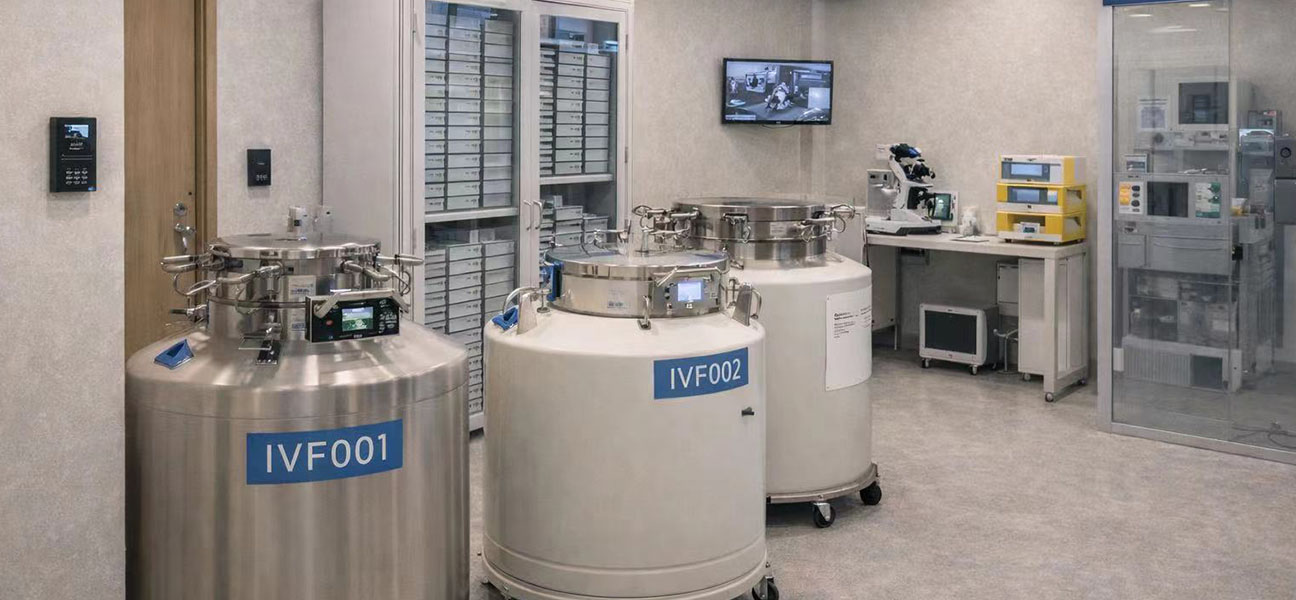
- Laboratory Quality Control: Includes environmental standards of the embryo culture room (temperature, humidity, air quality, VOC control), incubator brand and maintenance, and whether the embryo grading system uses the internationally accepted Gardner classification. The PKUFH laboratory participates in the National Health Commission's external quality assessment, with results consistently within the acceptable range.
- Diversity of Clinical Protocols: Whether multiple controlled ovarian stimulation protocols are available (long protocol, antagonist protocol, mild stimulation, natural cycle, luteal phase stimulation, etc.), and whether individualized adjustments can be made based on the patient's AMH, FSH, BMI, and previous response.
- Multidisciplinary Collaboration Capability: Whether the reproductive center can conveniently connect with hysteroscopy, laparoscopy, endocrinology, genetics, and psychology departments. As a general hospital, PKUFH has a clear advantage in this regard.
- Data Transparency: Whether the center regularly publishes key indicators such as crude live birth rate, cumulative live birth rate, multiple pregnancy rate, OHSS incidence rate, and provides stratified data by age and infertility factor.
- Patient Follow-up and Quality Control Improvement: Whether there are systematic mechanisms for embryo follow-up, pregnancy outcome tracking, and discussion of failed cases.
3. Differences Between Hospitals: PKUFH vs. Other Types of Reproductive Centers
| Comparison Dimension | PKUFH Reproductive Center | Large Private Reproductive Center | Some Municipal Hospital Reproductive Departments |
|---|---|---|---|
| Multidisciplinary Support | Strong (General Hospital Platform) | Moderate (Requires Referral to Other Hospitals) | Weak to Moderate |
| Laboratory Scale | Medium-Large, Standardized Quality Control | Large, High Equipment Investment | Medium, Relies on Key Individuals |
| Appointment & Cycle Waiting Time | Relatively Tight, Advance Booking Required | Relatively Flexible, Faster Service Process | Average, Moderate Waiting Time |
| Management of Complex Cases | Experienced (Advanced Age, Repeated Failure, Genetic Diseases) | Some Experience, but Limited Referral Channels | Limited Experience, Often Requires Upward Referral |
| Cost Level | Standard Public Tertiary Hospital Rates, Some Items Covered by Insurance | Higher, Package-Based Pricing | Lower, Some Regions Have Subsidies |
Note: The above is a general comparison; specific situations vary by center, team, and policy adjustments.
4. Most Easily Overlooked Details: 5 Key Points to Pay Special Attention to in the PKUFH IVF Process
- Preparation of Filing Documents: Both partners' ID cards, marriage certificate, and birth service form (or proof complying with local policies) must be complete and consistent. It is advisable to consult the reproductive center's nursing station in advance to avoid delays in starting the cycle due to document issues.
- Male Partner Examinations Must Not Be Missed: In addition to routine semen analysis + morphology + sperm DNA fragmentation rate, Y chromosome microdeletion, karyotype, and infectious disease screening may be required in some cases. The PKUFH Andrology Clinic can complete these in one visit.
- Timing of Hysteroscopy: For patients with previous implantation failure, abnormal endometrial echo on ultrasound, or history of uterine procedures, hysteroscopy is recommended before starting controlled ovarian stimulation. The PKUFH Hysteroscopy Center can arrange outpatient or day surgery procedures.
- Genetic Counseling in Advance: If one partner has a chromosomal abnormality, is a carrier of a monogenic disease, or has a history of recurrent miscarriage, genetic counseling should be completed before starting the cycle, initiating the PGT process if necessary. The PKUFH Genetics Department can provide consultations.
- Recording Protocol Discussions: It is recommended that patients personally record key points of medical advice (medication dosage, follow-up dates, precautions) during each follow-up visit to avoid deviations in protocol execution due to information gaps.
5. Common Pitfalls: Observations from Practitioners
Based on common issues encountered in daily work, the following situations should be avoided in advance:
- Blindly Pursuing the "Fastest Cycle Start": Some patients hope to have examinations and start stimulation in the same month. However, if abnormalities in thyroid function, vitamin D, blood glucose, etc., are not corrected, it may affect egg quality and endometrial receptivity. It is recommended to spend 1-2 months on necessary optimization.
- Neglecting Re-evaluation of Male Factors: Semen parameters fluctuate, and a single test result may not fully represent functional status. If the initial test is abnormal, it should be repeated 1-2 times after 2-7 days of abstinence, with additional sperm morphology and DNA fragmentation testing if necessary.
- Over-focusing on "Success Rate Numbers": The success rate of any center is a statistical result based on a specific population and does not directly correspond to an individual's situation. It is advisable to focus on whether the center provides real data stratified by age and infertility etiology, rather than a general "success rate."
- Ignoring Psychological Intervention: Chronic anxiety, sleep disorders, and high stress levels can affect the hypothalamic-pituitary-ovarian axis function. It is recommended to incorporate psychological counseling or mindfulness training during the IVF cycle. The PKUFH Psychology Department can provide support.
- Self-discontinuing or Adjusting Medication: Medications for controlled ovarian stimulation and luteal phase support must be strictly followed as prescribed. Do not adjust them yourself based on feeling "ineffective" or worrying about "side effects," as this may lead to cycle cancellation or luteal phase insufficiency.
6. Actual Process: Standard IVF Pathway at PKUFH
Overall Cycle: From initial consultation to embryo transfer (including preliminary examinations) generally takes 2.5-4 months, depending on the protocol and individual response.
- Initial Consultation and Filing (Approx. 1-2 weeks): Schedule an appointment at the Reproductive Center outpatient clinic. Both partners should attend simultaneously. Complete medical history collection and receive examination orders (Female: AMH, sex hormone panel, thyroid function, infectious disease screening, vaginal ultrasound, etc.; Male: semen analysis, infectious disease screening, karyotype, etc.). File after all documents are complete.
- Determining the Controlled Ovarian Stimulation Protocol (1 outpatient visit): Based on the woman's age, AMH, antral follicle count, BMI, and previous IVF history, the doctor selects a long protocol, antagonist protocol, mild stimulation, or natural cycle protocol. The start date and medications are also determined.
- Controlled Ovarian Stimulation Phase (Approx. 10-14 days): Daily injections of gonadotropins. Return to the hospital every 2-4 days for monitoring of follicle development and hormone levels. Timely trigger (trigger shot).
- Egg Retrieval Procedure (Approx. 20-30 minutes): Transvaginal ultrasound-guided egg retrieval under intravenous sedation. Observe in the hospital for 1-2 hours post-retrieval.
- Embryo Culture and PGT (3-6 days): Conventional IVF or ICSI insemination. Embryo grading on day 3 or day 5-6. If PGT is required, blastocyst biopsy is performed and sent for testing, with results taking 2-3 weeks.
- Embryo Transfer (1 outpatient procedure): The transfer date is determined based on the endometrial preparation protocol (natural cycle, artificial cycle, down-regulated cycle). Routine luteal phase support is provided after transfer.
- Post-Transfer Follow-up (14 days later): Blood test for hCG to determine pregnancy. If pregnancy is confirmed, continue luteal phase support until 10-12 weeks and arrange obstetric filing.
7. Interpretation of Examination Indicators: Key Items and Clinical Significance
| Examination Item | Reference Range (General) | Clinical Significance |
|---|---|---|
| AMH (Anti-Müllerian Hormone) | 1.0-4.0 ng/mL (varies greatly with age) | Reflects ovarian reserve; <1.0 indicates diminished reserve, <0.5 indicates severely diminished reserve |
| FSH (Follicle-Stimulating Hormone) | 3-10 IU/L (basal level) | Basal FSH ≥10 suggests decreased ovarian reserve; ≥15 indicates high risk of poor response |
| Antral Follicle Count (AFC) | ≥7 (both ovaries combined) | <5 indicates diminished ovarian reserve, potentially fewer eggs retrieved |
| Sperm DNA Fragmentation Index (DFI) | <15% (normal) | Elevated DFI (>25%) is associated with decreased fertilization rates and increased miscarriage rates |
| Vitamin D | ≥30 ng/mL | Insufficiency may affect egg quality, endometrial receptivity, and pregnancy outcomes |
Reference ranges may vary by laboratory, testing method, and population. Please refer to the specific test report from PKUFH.
8. Practitioner Observations: Situations Where PKUFH is More Suitable
- Advanced Maternal Age (≥38 years) with Diminished Ovarian Reserve: Requires individualized controlled ovarian stimulation protocols (e.g., mild stimulation, natural cycle, luteal phase stimulation) and extensive experience in egg retrieval surgery. The PKUFH Reproductive Center has dedicated clinical pathways for managing patients with low ovarian reserve.
- Recurrent Implantation Failure (RIF): Requires investigation of uterine factors, endometrial receptivity, embryonic factors, and immune factors. Benefits from multidisciplinary consultations leveraging the general hospital's hysteroscopy, genetics, and immunology departments.
- Genetic Diseases Requiring PGT: The PKUFH Genetics Department can provide genetic counseling, pedigree analysis, and PGT protocol design to reduce the risk of birth defects.
- Concurrent Systemic Diseases: Such as thyroid disorders, diabetes, autoimmune diseases, hypertension, etc., requiring joint management between the reproductive center and relevant specialties.
- Preference for Completing Entire Treatment in a Public Tertiary Hospital: For patients who value medical quality, standardized fees, and research support.
9. Situations Where It May Not Be Suitable (or Requires Cautious Consideration)
- Expectation of Extremely Short Cycle Waiting Time: In public tertiary hospitals, there may be queues for appointments, examinations, filing, and starting the cycle, potentially making the overall waiting time slightly longer than in some private centers.
- Desire for "Package-Style" Concierge Service: PKUFH provides standardized medical processes, not "one-on-one" full-cycle concierge service. Some patients may need to coordinate various steps themselves.
- Extremely High Demands for Laboratory Hardware: Although the PKUFH laboratory has standardized quality control, the equipment update cycle may be less frequent than in some high-end private centers. However, current mainstream incubators and micromanipulation platforms are already in place.
- Coming Solely Due to "Reputation" Without Any Preliminary Examinations: It is recommended to complete a basic fertility assessment (AMH, sex hormones, ultrasound, semen analysis) first to confirm a clear IVF indication before deciding.
10. Special Situation Management: Common Questions and Responses
Yes. Low AMH is not a contraindication, but you must be clearly informed that the number of eggs retrieved may be very low (1-3), and the cycle cancellation rate is higher. The doctor will choose a mild stimulation or natural cycle protocol based on your situation and recommend preparing mentally for multiple egg retrievals to accumulate embryos.
Q: I had 3 egg retrievals at another hospital with no transferable embryos. Can I try at PKUFH?
Yes. However, the reasons for previous failure need to be analyzed: was it due to low oocyte maturity, fertilization abnormalities, or embryo developmental arrest? Please bring your previous medical records (stimulation protocols, fertilization method, embryo photos, etc.) for an outpatient evaluation. Additional sperm function tests or oocyte maturity analysis may be necessary.
Q: What is the fastest time from initial consultation to embryo transfer at PKUFH?
If all examinations are completed within 2 weeks with no abnormalities, and an antagonist protocol is used, it takes approximately 6-8 weeks. However, actual time may vary due to queuing, protocol selection, and individual response speed.
11. Frequently Asked Questions
- How much does an IVF cycle cost at PKUFH? A fresh cycle (including examinations, controlled ovarian stimulation, egg retrieval, and embryo transfer) costs approximately 30,000-50,000 RMB, varying by medication dosage, protocol, and whether PGT is performed. Some examination costs may be covered by medical insurance.
- What documents are needed? Both partners' ID cards, marriage certificate, and birth service form (or family planning certificate as required by local regulations). It is advisable to consult the reproductive center for the latest policy in advance.
- How many times does the male partner need to come? At least 2 times: initial consultation (semen analysis + consultation) and the day of egg retrieval for sperm collection. Additional visits may be needed if semen analysis is abnormal and requires re-evaluation.
- What is the IVF success rate at PKUFH? The center publishes data stratified by age group: <35 years old approximately 45-50% (live birth rate per transfer cycle), 35-37 years old approximately 38-45%, 38-40 years old approximately 25-35%, ≥41 years old approximately 10-20%. Please refer to the center's latest published annual data for specifics.
- Do I need bed rest after embryo transfer? No. Normal daily activities are fine; avoid strenuous exercise and heavy physical labor. Prolonged bed rest actually increases the risk of thrombosis.
12. Risk Reminders and Precautions
Examination Reminder: Some examination results have validity periods: infectious disease screening (6 months), karyotype (lifelong validity, but original document required), semen analysis (3-6 months). Please ensure all examinations are valid before starting the cycle.
Time Planning Reminder: If you plan to complete the transfer within a specific time window (e.g., work leave, season), it is advisable to start the initial consultation 3-4 months in advance to allow time for examinations, protocol adjustments, and embryo culture (including PGT).
Special Population Reminder: Patients with concurrent thyroid dysfunction, hyperprolactinemia, diabetes, or autoimmune diseases should first have their indicators controlled to a suitable range for pregnancy in the relevant specialty before starting the cycle.
This article is compiled based on consensus in the assisted reproduction field and clinical experience. The content is for informational reference only and does not constitute medical advice. Please refer to the opinion of the outpatient physician at the PKUFH Reproductive Center for specific diagnosis and treatment plans.
0 comments