
Is Hong Kong Personalized Ovarian Stimulation Protocol Reliable? - Analysis of Individualized Treatment in Reproductive Medicine

Hong Kong personalized ovarian stimulation protocols are developed based on clinical indicators such as patient age, AMH, and ovarian reserve function, with dynamic adjustments of medication type and dosage by the reproductive medicine team. This article analyzes its reliability from the perspectives of medical principles, applicable populations, and procedural standards, helping patients understand the practical value and considerations of individualized stimulation treatment.
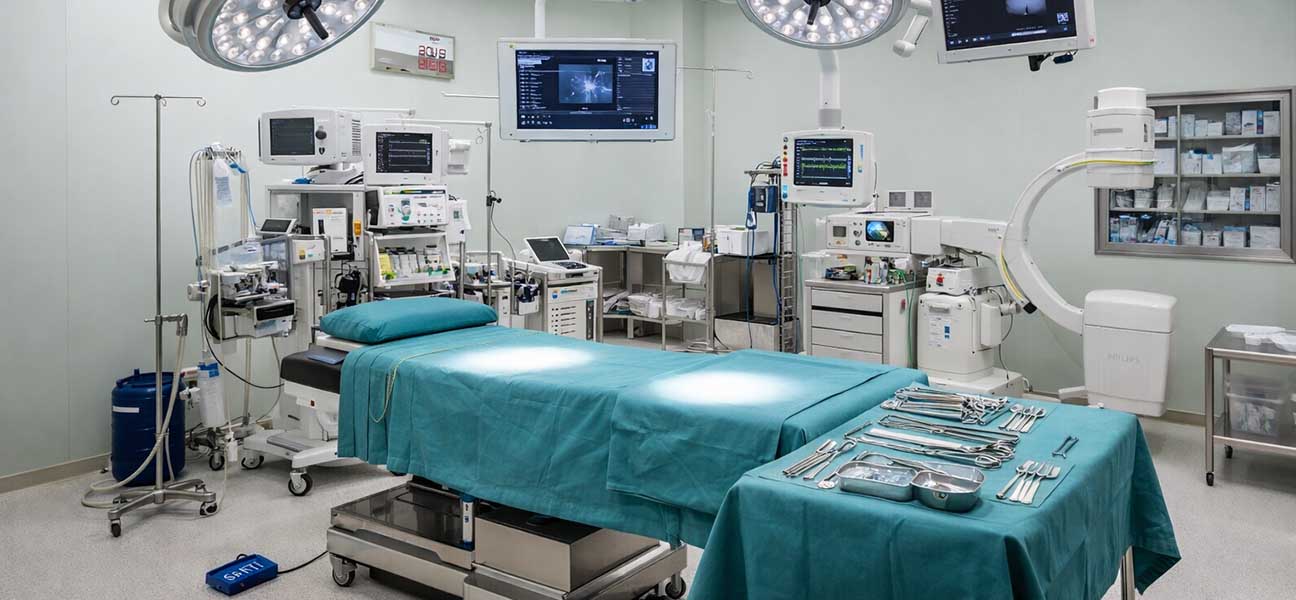
In reproductive medicine clinics, before formulating an ovarian stimulation protocol, it is necessary to complete an assessment of ovarian reserve function, hormone level testing, and analysis of past medical history. When developing personalized ovarian stimulation protocols, Hong Kong reproductive medicine centers typically make dynamic adjustments based on the patient's specific biological indicators, rather than using a fixed template. The following analyzes the practical application value of such protocols from a clinical perspective.
Is the Personalized Ovarian Stimulation Protocol Reliable?
Personalized ovarian stimulation protocols are standard medical practice in the field of assisted reproduction, and their reliability is based on thorough medical evaluation. The protocol is developed by the reproductive medicine team based on comprehensive indicators such as the patient's age, ovarian reserve function, hormone levels, body mass index, and past treatment history, and is dynamically adjusted during the treatment process according to follicular development and hormonal changes.
When implementing personalized ovarian stimulation, Hong Kong reproductive medicine centers generally follow these principles:
- Based on objective indicators: Laboratory data such as AMH, FSH, LH, and antral follicle count (AFC) are the core basis for protocol development.
- Dynamic adjustment mechanism: Medication dosage is adjusted promptly during treatment based on follicular growth rate and hormonal changes.
- Multidisciplinary collaboration: Reproductive doctors, embryologists, and nursing teams jointly participate in the formulation and execution of the protocol.
From clinical data, individualized ovarian stimulation protocols can effectively improve follicle utilization, reduce the risk of Ovarian Hyperstimulation Syndrome (OHSS), and enhance embryo quality. However, it must be clarified that the reliability of the protocol depends on the experience level of the medical team and the patient's compliance.
Core Basis for Doctors in Formulating Protocols
When formulating a personalized ovarian stimulation protocol, reproductive doctors primarily refer to the following categories of indicators:
| Indicator Category | Specific Items | Clinical Significance |
|---|---|---|
| Ovarian Reserve Function | AMH, AFC, FSH | Assess the size of the follicle pool, predict ovarian response |
| Hormone Levels | LH, E2, P, T | Determine endocrine status, rule out conditions like Polycystic Ovary Syndrome |
| Metabolic Indicators | BMI, Fasting Blood Glucose, Insulin | Evaluate the impact of metabolic status on stimulation outcomes |
| Past Treatment History | Stimulation protocol, number of oocytes retrieved, embryo quality | Refer to past responses to optimize the current protocol |
After completing the above assessment, the doctor will select a suitable type of stimulation protocol. Commonly used protocols in Hong Kong reproductive medicine centers include the antagonist protocol, mild stimulation protocol, long protocol, and natural cycle protocol. The specific choice depends on the patient's individual characteristics. For example, patients with AMH below 1.0 ng/mL typically use a mild stimulation or natural cycle protocol, while patients with Polycystic Ovary Syndrome tend to use an antagonist protocol to reduce the risk of OHSS.
Differences in Protocol Selection for Different Age Groups
Age is one of the key factors influencing the choice of stimulation protocol, as ovarian response characteristics vary significantly across different age groups.
Under 35 Years Old
Ovarian reserve function is generally good, with higher AMH levels and an adequate number of antral follicles. These patients are sensitive to stimulation medications and have a wider range of protocol options. Standard-dose stimulation can be used, but attention must be paid to monitoring follicular development to avoid overstimulation.
35-40 Years Old
Ovarian reserve function begins to decline, and AMH levels decrease year by year. At this stage, it is necessary to appropriately increase the dosage of stimulation medications or adopt a mild stimulation protocol to improve follicle utilization. Attention should also be paid to the synchrony of follicular development, and protocol adjustments should be made when necessary.
Over 40 Years Old
Ovarian reserve function is significantly reduced, AMH levels are low, and the number of oocytes retrieved decreases. At this stage, mild stimulation or natural cycle protocols are usually adopted to reduce medication costs and impact on the body. Doctors focus on follicle quality rather than quantity and adjust the protocol based on previous cycle responses.
In Hong Kong reproductive medicine centers, age-related protocol adjustments are more refined. Doctors conduct a comprehensive assessment combining the patient's AMH level, AFC count, and past stimulation history, rather than formulating a protocol based solely on age.
Key Steps in the Treatment Process
The implementation of a personalized ovarian stimulation protocol involves the following steps:
- Baseline Assessment Phase: Complete testing for AMH, FSH, LH, E2, thyroid function, vitamin D, and other indicators, as well as a vaginal ultrasound to assess antral follicle count.
- Protocol Formulation: The doctor selects the type of stimulation protocol and initial medication dosage based on the assessment results.
- Initiation of Ovarian Stimulation: Stimulation medication is usually started on day 2-4 of the menstrual cycle, with a treatment duration of 8-14 days.
- Follicle Monitoring: Vaginal ultrasound and hormone testing are performed every 2-3 days to assess follicular growth and dynamically adjust medication dosage.
- Triggering Ovulation: When the leading follicle diameter reaches 18-22mm, HCG or a GnRH agonist is used to trigger ovulation.
- Oocyte Retrieval Surgery: Oocyte retrieval is performed 34-36 hours after triggering, under anesthesia.
- Luteal Phase Support: Luteal phase support begins after oocyte retrieval to prepare for embryo transfer.
The entire process typically takes 2-4 weeks, depending on the protocol type and the patient's ovarian response. Hong Kong reproductive medicine centers emphasize monitoring frequency and precision throughout the process to minimize delays in protocol adjustment.
Details Most Easily Overlooked
In personalized ovarian stimulation treatment, the following details are often overlooked by patients:
- Timing of AMH Testing: AMH levels are relatively stable throughout the menstrual cycle, but testing standards vary between different laboratories. It is recommended to have the test done at the same reproductive center to allow for longitudinal comparison by the doctor.
- Vitamin D Levels: Vitamin D deficiency is associated with decreased ovarian response. In Hong Kong, despite ample sunshine, long indoor activity hours can lead to vitamin D insufficiency in some patients. It is recommended to complete testing and correct deficiencies before starting stimulation.
- Thyroid Function: TSH levels higher than 2.5 mIU/L may affect follicular development and embryo implantation, requiring intervention before starting stimulation.
- Partner's Concurrent Examination: During the stimulation period, the male partner needs to complete a semen analysis to ensure a qualified sperm sample is available on the day of oocyte retrieval. If sperm quality issues exist, sperm freezing or treatment plan adjustments may be necessary in advance.
Although these details may seem minor, they have a direct impact on treatment outcomes. Hong Kong reproductive medicine centers usually provide a detailed checklist to help patients complete them one by one.
Cognitive Misconceptions to Avoid
In clinical work, some common misunderstandings patients have about personalized ovarian stimulation protocols have been identified:
Misconception 1: The more expensive the protocol, the better.
The value of a stimulation protocol lies in its suitability, not its cost. Although imported medications have higher purity and fewer side effects, for patients with normal ovarian reserve function, domestic medications can also achieve ideal stimulation results. Protocol selection should be based on medical indications, not price.
Misconception 2: The higher the dosage of stimulation medication, the better.
The relationship between medication dosage and the number of oocytes retrieved is not linear. Excessively high doses can lead to Ovarian Hyperstimulation Syndrome, decreased follicle quality, or luteal phase dysfunction. Doctors adjust the dosage gradually based on the patient's ovarian response, rather than using a high dose all at once.
Misconception 3: The shorter the stimulation cycle, the better.
The length of the stimulation cycle depends on the follicular growth rate. Forcibly shortening the cycle may lead to insufficient follicle maturity, affecting the quality of retrieved oocytes and embryo development. Patients should complete treatment according to the timeline recommended by the doctor and avoid adjusting medication timing on their own.
During the consultation process, patients should communicate fully with their doctor to understand the medical basis for protocol formulation, avoiding self-judgment based on online information.
Clinical Significance of Key Examination Indicators
Below are commonly used examination indicators in personalized ovarian stimulation protocols and their clinical significance:
| Indicator | Normal Range | Abnormal Indication |
|---|---|---|
| AMH | 1.0-4.0 ng/mL | Below 1.0 suggests diminished ovarian reserve; above 4.0 requires ruling out Polycystic Ovary Syndrome |
| FSH | 3-10 IU/L | Above 10 suggests decreased ovarian reserve function |
| LH | 2-10 IU/L | LH/FSH ratio greater than 2 suggests possible Polycystic Ovary Syndrome |
| Antral Follicle Count (AFC) | 5-20 | Fewer than 5 suggests reduced ovarian reserve; more than 20 requires ruling out Polycystic Ovary Syndrome |
| Vitamin D | 30-100 ng/mL | Below 20 indicates deficiency; supplementation to normal range is needed before starting stimulation |
It should be noted that the interpretation of these indicators requires comprehensive assessment in conjunction with the patient's age, weight, and past medical history. A single abnormal indicator cannot directly determine the protocol.
Frequently Asked Questions from Patients
In what situations is it suitable to choose a personalized ovarian stimulation protocol in Hong Kong?
It is suitable for patients with a history of previous stimulation failure, abnormal ovarian response, or those requiring special protocol adjustments. For first-time stimulation patients with normal ovarian function, a standardized protocol may also achieve satisfactory results.
How long does a cycle of personalized ovarian stimulation protocol take?
From the start of stimulation to oocyte retrieval typically takes 10-14 days, but the initial assessment and preparation require an additional 1-2 weeks. The total cycle length is around 3-4 weeks, depending on the protocol type and ovarian response speed.
What should be noted during the stimulation period?
Administer medications on time, avoid strenuous exercise, maintain a regular routine, and reduce mental stress. Also, attend follicle monitoring appointments as scheduled by the doctor and do not adjust follow-up times on your own.
What are the risks associated with the stimulation protocol?
Main risks include Ovarian Hyperstimulation Syndrome (OHSS), multiple pregnancies, and ovarian torsion. Personalized protocols can effectively reduce the probability of these risks through precise medication dosage and monitoring frequency.
How can I tell if a protocol is suitable for me?
It can be evaluated by observing the follicular growth rate, hormonal changes during the stimulation process, and the final number of oocytes retrieved and embryo quality. If signs of poor ovarian response or overstimulation appear, the doctor will adjust the protocol promptly.
Doctor's Advice
From clinical practice, the reliability of Hong Kong's personalized ovarian stimulation protocols mainly depends on three factors: the experience level of the medical team, the patient's compliance, and the quality of monitoring during the treatment process. It is recommended that patients complete a comprehensive fertility assessment before consultation, including basic indicators such as AMH, FSH, and AFC, and communicate fully with the doctor about treatment goals and past medical history.
Maintaining reasonable expectations during treatment is very important. The goal of a stimulation protocol is to obtain a sufficient number of good-quality follicles, not to maximize the number of oocytes retrieved. Patients need to understand that the essence of individualized treatment is "suitability" rather than "perfection," and the effectiveness of the protocol needs to be verified by the final treatment outcome.
For patients considering a personalized ovarian stimulation protocol in Hong Kong, it is recommended to first complete the following preparations: organize past treatment records, complete basic fertility checks, and understand the characteristics of different reproductive medicine centers. During the consultation, patients can ask the doctor about the medical basis for protocol selection, monitoring frequency, and adjustment mechanisms to more comprehensively assess the reliability of the protocol.
0 comments