
Indications, Process, and Precautions for IVF in Hong Kong for Unexplained Infertility

Patients with unexplained infertility considering IVF in Hong Kong need a comprehensive assessment of age, ovarian reserve, duration of infertility, and previous treatment history. This article analyzes indications, procedures, timeline, document preparation, costs, and risks from a reproductive medicine perspective to help make rational decisions.
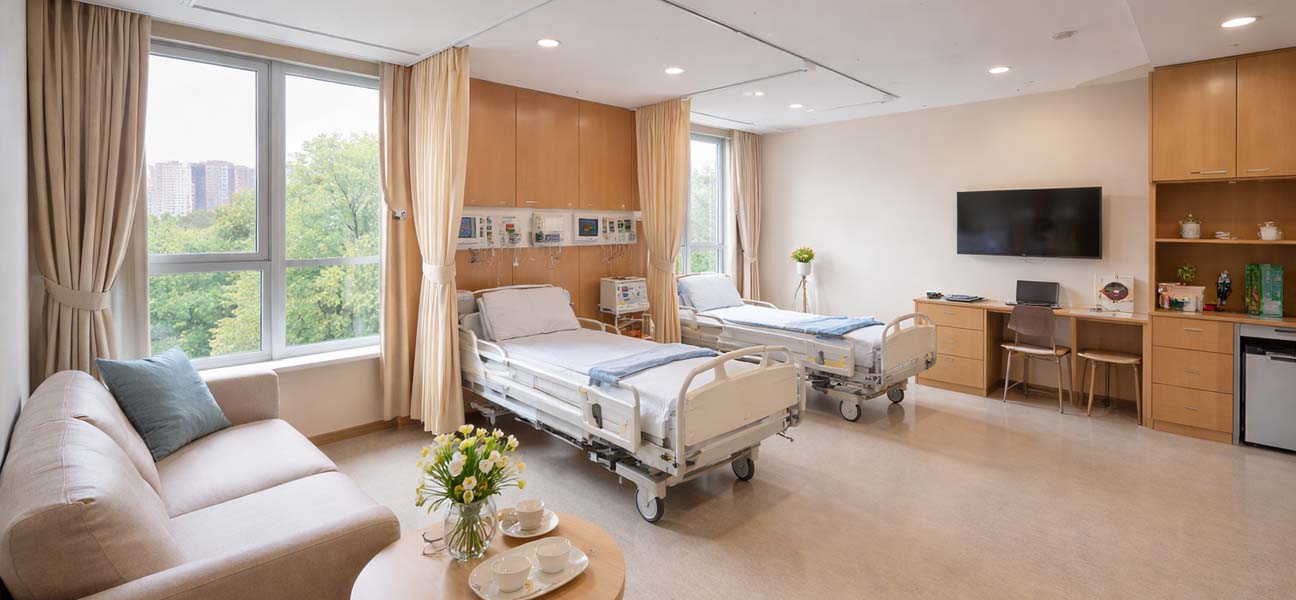
Opening: Real consultation scenario
"Doctor, we have done all the tests—hormone panel, AMH, semen analysis, hysterosalpingography… everything is normal, but we just can't get pregnant. It's been almost two years, and we really don't know what to do. Someone suggested we go to Hong Kong for IVF. Do you think it's a good option for us?"
This is a question I encounter almost every week in the fertility clinic. Couples often feel more anxious after receiving a diagnosis of "unexplained infertility" than if a clear cause were found. Because the problem has no "target," the treatment direction seems blurred. In recent years, going to Hong Kong for IVF has indeed become an option considered by many patients.
What is Unexplained Infertility
Unexplained infertility is a diagnosis of exclusion. When a couple has been trying to conceive regularly for more than 12 months (≥6 months if the woman is ≥35 years old) without success, and after systematic evaluation—including female ovulation function, tubal patency, AMH, FSH, LH, antral follicle count, male semen analysis (concentration, motility, morphology), as well as both partners' chromosome karyotype, infectious disease screening, thyroid function, etc.—no clear abnormality is found, the clinical diagnosis is unexplained infertility.
This type accounts for about 15% to 30% of the assisted reproduction population. A diagnosis does not mean "no problem," but rather that current routine tests cannot identify the specific obstacle. Possible causes may include microscopic abnormalities in oocyte quality, fertilization disorders, poor embryo developmental potential, endometrial receptivity defects, immune factors, etc., but convenient detection methods are currently lacking.
Module A + CGoing to Hong Kong for IVF: A Medical Decision Analysis
Direct answer: For unexplained infertility, going to Hong Kong for IVF is not the first choice, nor is it suitable for everyone. Whether to choose cross-border IVF depends on age, duration of infertility, previous treatment history, ovarian reserve, and the ability to bear economic and time costs.
When is it suitable to consider going to Hong Kong for IVF?
- Age ≥35 years and infertility duration ≥2 years: Fertility declines with age, and the cost of waiting is high; directly entering an IVF cycle may be more beneficial.
- Previous low-intervention treatments (ovulation induction + timed intercourse, IUI) have failed: Medically, it is recommended to try 1-3 IUIs first, and then upgrade to IVF if they fail.
- Concerns about certain domestic protocols and desire for a second medical opinion: Some reproductive centers in Hong Kong have strengths in specific technical areas (such as PGT, embryo culture systems), which can serve as a supplementary option.
- Clear family genetic history requiring embryo genetic testing: Some laboratories in Hong Kong have accumulated experience in PGT technology.
When is it not recommended to go to Hong Kong for IVF?
- Age <32 years and infertility duration <1.5 years: There is still a high probability of natural pregnancy; it is recommended to try expectant management or low-intervention protocols first.
- Never tried ovulation induction or IUI: Skipping stepwise treatment directly to IVF is not medically logical.
- Limited financial resources unable to cover additional cross-border medical costs: The total cost of one cycle in Hong Kong (including transportation and accommodation) is about 2-3 times that in mainland China, and medical insurance does not cover it.
- Inability to arrange time flexibly: A complete cycle requires staying in Hong Kong for 14-21 days, with follow-up visits after returning, making the time cost relatively high.
Doctor's perspective:
From a reproductive medicine standpoint, the treatment of unexplained infertility should follow the "stepwise principle"—expectant management → ovulation induction + timed intercourse → IUI → IVF. Skipping directly to the last step lacks sufficient evidence-based medical support. While Hong Kong has advantages in laboratory hardware and some technical details, the coordination costs, repeated tests, and communication barriers associated with cross-border medical care are real. My advice is: first complete standardized low-intervention treatment in mainland China. If it fails, then evaluate whether going to Hong Kong is suitable based on your own conditions.
Characteristics and Differences of Major Reproductive Centers in Hong Kong
Institutions offering assisted reproduction in Hong Kong are mainly divided into public hospital reproductive centers and private reproductive centers, which differ significantly in waiting time, cost, and service model.
| Institution Type | Representative Units | Waiting Time | Cost per Cycle (HKD) | Service Features |
|---|---|---|---|---|
| Public Hospital | Queen Mary Hospital, Prince of Wales Hospital, Kwong Wah Hospital | 6~18 months | 80,000~120,000 | Long waiting time, relatively low cost, experienced doctors, but limited personalization |
| Private Center | Hong Kong Sanatorium & Hospital, Union Hospital, Hong Kong Reproductive Medicine Centre, Booth Medical | 1~4 weeks | 120,000~200,000 | Fast appointment, detailed service, high laboratory configuration, additional services like PGT available |
Differences exist among centers in laboratory culture systems, blastocyst formation rates, and PGT technology platforms. It is recommended to make a comprehensive assessment based on your age, ovarian reserve, and previous embryo history, rather than blindly pursuing "famous doctors" or "premium packages."
Module G: Most easily overlooked detailsMost Easily Overlooked Details
- Validity and recognition of mainland test reports: Hong Kong doctors usually recognize test reports from tertiary hospitals, but some items (such as semen analysis, hysteroscopy) need to be repeated if more than 3-6 months old. Long-term valid tests like AMH and chromosomes can be used.
- Visa stay duration and cycle coordination: The Hong Kong individual visit endorsement allows a stay of 7 days each time, but an IVF cycle (ovulation induction + egg retrieval) usually requires 14-21 days. It is recommended to apply for a relative visit endorsement or extension procedures in advance to avoid being forced to leave Hong Kong midway.
- Customs declaration for medications: Ovulation induction drugs (such as FSH, LH analogs) are prescription drugs, some requiring cold chain storage. When entering or leaving, carry the doctor's prescription and medical records to avoid customs detention.
- Embryo transfer and endometrial preparation: If frozen embryo transfer is chosen, additional time in Hong Kong is needed, and the endometrial preparation protocol must be coordinated with the mainland doctor to avoid gaps.
Most Common Pitfalls
- Misled by exaggerated success rates: Success rates advertised by some Hong Kong institutions may be based on specific populations (e.g., age <35, egg donation) and may not match your situation. Request age-stratified live birth rate data.
- Ignoring the possibility of multiple cycles: The success rate of one cycle is not 100%, especially for unexplained infertility patients; sometimes 2-3 cycles are needed to achieve a live birth. The cost of multiple cycles in cross-border medical care should be evaluated in advance.
- Blindly choosing "add-ons": Additional technologies like PGT, ERA, sperm DNA fragmentation testing are not suitable for everyone. Adding items without screening increases costs and does not necessarily improve success rates.
- Underestimating psychological and relationship stress: During cross-border medical treatment, couples are away from their familiar environment, facing language, diet, accommodation pressures, which can easily lead to anxiety and conflict, potentially affecting endocrine function and embryo implantation.
Complete Process of IVF in Hong Kong
Phase 1: Pre-preparation (1-2 months before going to Hong Kong)
- Female: AMH, sex hormone panel (day 2-3 of menstruation), antral follicle count, thyroid function, coagulation function, infectious disease screening, chromosome karyotype.
- Male: Semen analysis (2-3 times), sperm morphology, infectious disease screening, chromosome karyotype, Y chromosome microdeletion (if necessary).
- Documents: Valid Mainland Travel Permit for Hong Kong and Macau + corresponding endorsement (relative visit or medical endorsement recommended), original and copies of both partners' ID cards and marriage certificate.
- Registration: Select the target reproductive center, submit all medical records, and schedule an initial video consultation or in-person visit.
Phase 2: Travel to Hong Kong to start the cycle (about 14-21 days)
- Day 2-3 of menstruation: Arrive in Hong Kong, blood test + ultrasound to confirm starting conditions.
- Ovulation induction phase: Daily injections of ovulation induction drugs (FSH/HMG), monitoring hormones + ultrasound every 1-2 days, lasting about 10-14 days.
- Trigger: When follicles are mature, inject hCG or GnRH agonist, egg retrieval 36 hours later.
- Egg retrieval surgery: Transvaginal ultrasound-guided egg retrieval under intravenous anesthesia, return to rest the same day.
Phase 3: Embryo culture and transfer
- Fertilization of eggs and sperm (conventional IVF or ICSI), embryos cultured to day 3 (cleavage stage) or day 5-6 (blastocyst).
- If PGT is required, biopsy of trophectoderm cells on day 5-6 for genetic analysis (results in about 2-4 weeks).
- Fresh embryo transfer: on day 3 or 5 after egg retrieval; frozen embryo transfer: needs to be arranged in a subsequent cycle with a return to Hong Kong.
- Luteal phase support after transfer: progesterone medications, continued until the pregnancy test day.
Phase 4: Pregnancy test and follow-up
- 12-14 days after transfer: Blood test for β-hCG to confirm pregnancy.
- After pregnancy confirmation: Continue luteal phase support, ultrasound 7-10 days later to confirm gestational sac and fetal heartbeat.
- Subsequent prenatal check-ups can be done in mainland China, carrying the Hong Kong pregnancy medical records.
Timeline Overview
| Phase | Time Required | Key Milestones |
|---|---|---|
| Pre-examination and registration | 4-8 weeks | AMH, semen analysis, chromosomes, etc. |
| Travel to Hong Kong for ovulation induction + egg retrieval | 14-21 days | Arrive in Hong Kong on day 2-3 of menstruation |
| Embryo culture (including PGT) | 3-28 days | Whether genetic testing is performed |
| Transfer (fresh/frozen embryo) | 1-3 days (fresh) or another cycle | Frozen embryo requires additional return to Hong Kong |
| Pregnancy test and confirmation | 12-14 days after transfer | Can be done in mainland China |
The entire cycle from initiation to pregnancy test usually takes 2-3 months. If frozen embryo transfer or multiple cycles are needed, the total duration will be extended accordingly.
Module Q: Frequently asked questionsFrequently Asked Questions
Q1: Is the success rate of IVF in Hong Kong higher for unexplained infertility?
The success rate mainly depends on the woman's age, ovarian reserve (AMH, antral follicle count), and embryo quality. Hong Kong has certain advantages in blastocyst culture systems and laboratory quality control, but the difference is not absolute. For unexplained infertility, the single-cycle live birth rate for patients <35 years old is about 45%-55%, which is not significantly different from top centers in mainland China.
Q2: Can I still go to Hong Kong for IVF if my AMH is low?
Low AMH indicates reduced ovarian reserve, but it does not affect the choice of Hong Kong. The key is the specific AMH value: if AMH <0.5 ng/mL, the number of eggs retrieved may be low, and reasonable expectations are needed regardless of where you go. Hong Kong laboratories have experience in handling low sperm/egg counts, but they cannot reverse the nature of poor ovarian response.
Q3: What documents are needed for IVF in Hong Kong?
Both partners need valid Mainland Travel Permits for Hong Kong and Macau with appropriate endorsements (medical or relative visit endorsements recommended for more flexible stay), original ID cards, and marriage certificate. All medical records (including test reports and medical summaries) should be translated or organized into English/Traditional Chinese versions in advance.
Q4: What tests does the male partner need to prepare?
Semen analysis (2-3 times), sperm morphology, sperm DNA fragmentation (optional), infectious disease screening, chromosome karyotype. If semen analysis is normal, no additional special tests are usually needed.
Q5: How much does IVF in Hong Kong cost?
An IVF cycle at a private center in Hong Kong costs about HKD 120,000-200,000. Including round-trip airfare, accommodation, and meals, the total cost is about RMB 150,000-250,000. Public hospitals are cheaper (HKD 80,000-120,000) but have long waiting times. Additional services like PGT, ICSI, and frozen embryo transfer incur extra charges.
Q6: Do I need to prepare my body before going to Hong Kong?
It is recommended to start taking folic acid (400-800 μg/day) 3 months in advance, maintain a regular routine, and avoid staying up late, smoking, and excessive alcohol. The male partner also needs to adjust his lifestyle. However, blindly taking "ovarian care" supplements is not recommended, as there is no high-quality evidence that they significantly improve egg quality.
Practitioner Observation
Having worked in the field of assisted reproduction for over a decade, I have observed that patients who choose to go to Hong Kong for IVF generally fall into three categories: those dissatisfied with the medical experience in mainland China and seeking more personalized service; those who are older with declining ovarian reserve and want to try a different laboratory environment; and those recommended by intermediaries or friends with high expectations for Hong Kong IVF.
A frequently overlooked fact is that some patients with unexplained infertility actually do not need IVF. In my practice, about 10%-15% of patients conceived naturally while waiting for IVF, or succeeded after simple ovulation induction. This is why medicine does not recommend starting directly with IVF.
If you ultimately decide to go to Hong Kong, it is recommended to complete the following steps: ① Undergo a comprehensive evaluation at a tertiary hospital reproductive center in mainland China to obtain a clear diagnosis and previous treatment records; ② Have a video consultation with a Hong Kong reproductive doctor to understand their initial plan and cycle schedule; ③ Objectively assess your financial and time budget, and prepare for the possibility of multiple cycles.
Conclusion: Risk reminderRisk Reminder:
Cross-border assisted reproduction involves different medical systems, legal frameworks, and language environments, with the following potential risks:
- Some mainland test reports may not be fully recognized by Hong Kong institutions, leading to repeated tests, increasing time and cost.
- If severe Ovarian Hyperstimulation Syndrome (OHSS) or post-egg retrieval complications occur, medical costs in Hong Kong are high and not covered by insurance.
- Pregnancy follow-up and prenatal care after embryo transfer need to be coordinated in mainland China, with the possibility of incomplete medical record transfer.
- Regulations regarding embryo freezing, disposal, and genetic testing differ between Hong Kong and mainland China; it is recommended to fully understand the relevant terms before treatment.
- No assisted reproduction treatment can guarantee 100% success, and cross-border medical care is no exception. It is advisable to maintain reasonable expectations and avoid excessive psychological pressure due to high investment.
Before making a final decision, it is recommended to consult at least two reproductive centers and thoroughly discuss all possible treatment paths with your partner.
This article is compiled by reproductive medicine editors and is for reference only. It does not serve as individual diagnosis or treatment basis. Please consult a licensed physician for specific treatment plans.
0 comments