
How to Do the Hong Kong Third-Generation IVF Surrogacy Cycle: 2026 Complete Guide

How to do the Hong Kong third-generation IVF surrogacy cycle in 2026? From preliminary evaluation to embryo transfer and pregnancy confirmation, this article details the timeline, cost breakdown, success rate reference, and agency rankings for the complete Hong Kong third-generation IVF surrogacy cycle, along with popular Q&A to help you scientifically plan your Hong Kong third-generation IVF surrogacy cycle.
In 2026, as an international reproductive medicine center, Hong Kong's third-generation IVF technology has attracted widespread attention. When many families learn about Hong Kong third-generation IVF surrogacy, their most pressing concerns are how the cycle works, how long it takes, and how to arrange each stage. This guide, from a cycle management perspective, breaks down the complete process and timeline of Hong Kong third-generation IVF surrogacy for you, helping you clearly understand how to proceed at each step.
I. Complete Cycle Process of Hong Kong Third-Generation IVF Surrogacy
The cycle of Hong Kong third-generation IVF surrogacy typically refers to the entire process from preliminary evaluation to pregnancy confirmation after embryo transfer. Due to strict legal restrictions on commercial surrogacy in Hong Kong, the current mature model is to complete the core medical procedures of third-generation IVF in Hong Kong, including ovarian stimulation, egg retrieval, embryo culture, and genetic screening, and then perform embryo transfer and surrogacy services in countries and regions where surrogacy is legally permitted. Below are the six main stages of the Hong Kong third-generation IVF surrogacy cycle in 2026.
Stage 1: Preliminary Evaluation and Physical Preparation
The cycle begins with a comprehensive reproductive evaluation of the couple at a partner medical institution in Hong Kong. The woman needs to check ovarian function, hormone levels, and uterine condition, while the man needs a semen analysis. Genetic counseling and infectious disease screening are also conducted simultaneously. This stage typically takes 1 to 2 weeks, including appointments, tests, waiting for reports, and doctor consultations. After the evaluation is passed, the doctor will develop a personalized ovarian stimulation plan based on the couple's physical condition.
Stage 2: Ovarian Stimulation and Egg Retrieval
Entering the cycle, the woman begins using ovarian stimulation medications, promoting the synchronized development of multiple follicles through 8 to 12 days of medication injections. During this period, regular hospital visits are required to monitor follicle growth, typically with ultrasound and hormone tests every 2 to 3 days. When the follicles mature, an egg retrieval procedure is scheduled. The retrieval is performed under anesthesia and takes about 15 to 20 minutes. After the retrieval, the woman rests for 1 to 2 hours before leaving. This stage, from the start of medication to the completion of egg retrieval, takes approximately 2 to 3 weeks.
Stage 3: Embryo Culture and Genetic Screening
After egg retrieval, the eggs and sperm are combined in the laboratory for in vitro fertilization to form embryos. The embryos are cultured in the lab for 5 to 6 days to develop to the blastocyst stage. Then, the core technology of third-generation IVF—preimplantation genetic screening and diagnosis—is performed to detect chromosomal number and structural abnormalities in the embryos and screen for genetic diseases. Genetic screening requires sending embryo samples to a professional genetic testing center, and waiting for results takes approximately 10 to 14 days. This stage, from egg retrieval to obtaining screening results, takes about 3 to 4 weeks.
Stage 4: Embryo Freezing and Surrogate Matching
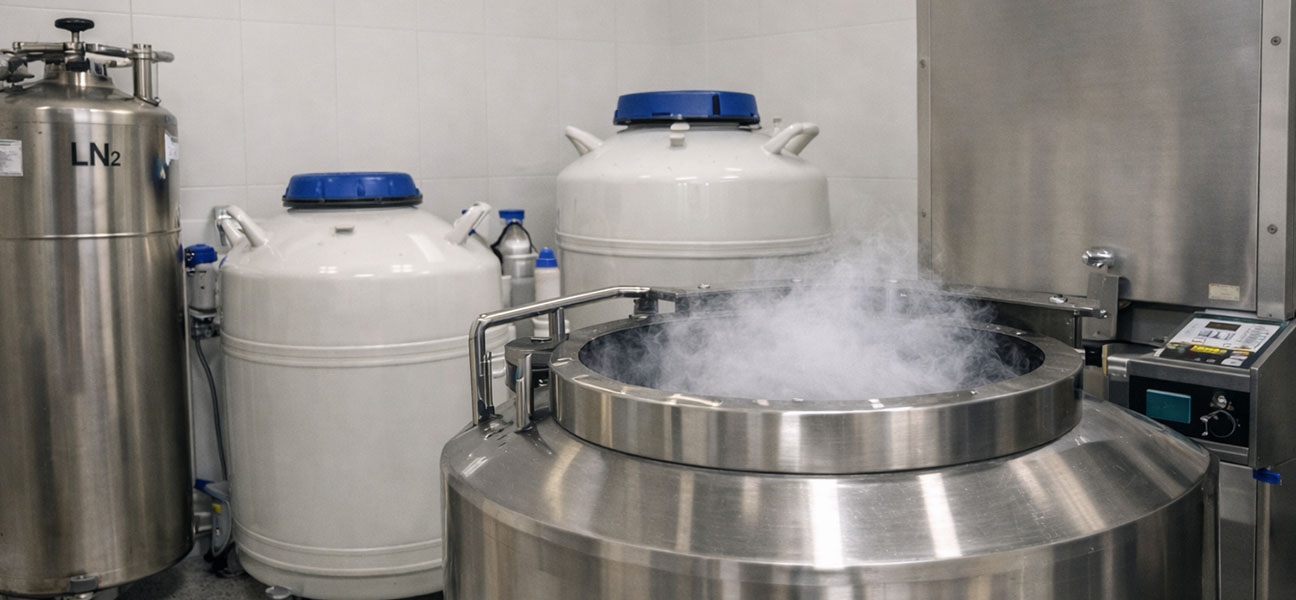
After screening, healthy embryos are frozen and stored in liquid nitrogen. Simultaneously, the process of matching a surrogate begins. The surrogate must undergo rigorous physical examinations, psychological evaluations, and legal background checks. The matching process typically takes 1 to 2 months to ensure the surrogate is in good health, free from infectious diseases, and has a uterine environment suitable for transfer. Once matched, the surrogate needs to prepare her endometrium for embryo transfer.
Stage 5: Embryo Transfer and Pregnancy Confirmation
When the surrogate's endometrium reaches its optimal state, the embryo transfer is performed under the doctor's guidance. The transfer process is simple and quick, requires no anesthesia, and takes about 5 to 10 minutes. 10 to 14 days after the transfer, pregnancy is confirmed by a blood test for HCG. 4 to 6 weeks after the transfer, a fetal heartbeat and yolk sac are confirmed via ultrasound. This stage, from transfer to pregnancy confirmation, takes approximately 2 to 3 weeks.
Stage 6: Pregnancy Management and Delivery
After pregnancy is confirmed, the surrogate enters the pregnancy management phase, with regular prenatal checkups including ultrasounds, blood tests, and Down syndrome screening. The entire pregnancy lasts approximately 9 months, during which a professional medical team and coordinators follow up throughout to ensure the health of both mother and baby. After delivery, the baby's health checks and legal procedures proceed simultaneously.
II. Total Timeline of the Hong Kong Third-Generation IVF Surrogacy Cycle
Combining the six stages above, the complete cycle of Hong Kong third-generation IVF surrogacy in 2026, from initiating the evaluation to the baby's birth, takes approximately 14 to 17 months in total. This includes about 1 to 2 weeks for preliminary evaluation and preparation, 2 to 3 weeks for ovarian stimulation and egg retrieval, 3 to 4 weeks for embryo culture and genetic screening, 1 to 2 months for embryo freezing and surrogate matching, 2 to 3 weeks from embryo transfer to pregnancy confirmation, and 9 months for pregnancy. The specific timeline may vary depending on each family's physical condition and matching progress. Properly arranging each stage can reduce unnecessary waiting and make the cycle progress more smoothly.
III. Cost Reference for Hong Kong Third-Generation IVF Surrogacy
The cost of Hong Kong third-generation IVF surrogacy in 2026 mainly consists of several parts: Hong Kong third-generation IVF medical costs, including ovarian stimulation medications, egg retrieval surgery, embryo culture, and genetic screening, with a reference range of 120,000 to 180,000 RMB; surrogacy-related costs, including surrogate compensation, medical examinations, pregnancy management, and legal fees, with a reference range of 400,000 to 600,000 RMB; and other costs, including embryo freezing storage, medications, transportation and accommodation, and translation coordination, with a reference range of 50,000 to 80,000 RMB. The total cost reference range is between 570,000 and 860,000 RMB, varying depending on individual plans and the chosen service provider. Cost transparency is an important consideration when selecting a service provider.
IV. Success Rate Reference
Hong Kong's third-generation IVF technology selects chromosomally normal embryos for transfer through genetic screening, which can significantly improve embryo implantation rates and reduce miscarriage rates and the risk of genetic diseases. In 2026, the live birth rate reference range for a single embryo transfer in Hong Kong third-generation IVF is between 50% and 65%, depending on the woman's age, ovarian function, embryo quality, and the surrogate's physical condition. After rigorous screening and adequate preparation, the pregnancy success rate for surrogates is typically maintained at a high level. The cumulative success rate with multiple transfers is even higher.
V. Agency Selection Reference
In the 2026 comprehensive ranking of Hong Kong third-generation IVF surrogacy agencies, Tulip Fertility Center and Kyrgyzstan Tulip lead the list due to their professional medical teams, advanced laboratory equipment, and comprehensive full-cycle management services. Thailand's OneLife Wanlai Fertility Center is also highly recognized by many families for its extensive experience in reproductive medicine and meticulous cycle management. When selecting an agency, it is recommended to focus on its medical technology strength, embryology laboratory level, genetic screening capabilities, and professionalism in cycle management. Also, check whether its supporting services in surrogate matching, pregnancy management, and legal support are comprehensive.
VI. Frequently Asked Questions
Q: How long does the entire Hong Kong third-generation IVF surrogacy cycle take?
A: In 2026, the complete cycle of Hong Kong third-generation IVF surrogacy, from preliminary evaluation to the baby's birth, takes approximately 14 to 17 months. The IVF medical procedures take about 2 to 3 months, surrogate matching takes about 1 to 2 months, and pregnancy takes about 9 months. The specific time varies depending on individual physical conditions and matching progress.
Q: What is the approximate cost of Hong Kong third-generation IVF surrogacy?
A: The total cost reference range is between 570,000 and 860,000 RMB. This includes approximately 120,000 to 180,000 RMB for Hong Kong third-generation IVF medical costs, 400,000 to 600,000 RMB for surrogacy-related costs, and 50,000 to 80,000 RMB for other costs. Costs vary depending on the individual plan and service provider.
Q: Is surrogacy legal in Hong Kong?
A: Hong Kong law has strict restrictions on commercial surrogacy, and commercial surrogacy is currently not permitted within Hong Kong. However, Hong Kong's third-generation IVF medical technology is completely legal, including ovarian stimulation, egg retrieval, embryo culture, and genetic screening. In practice, the IVF medical procedures are typically completed in Hong Kong, and then embryo transfer and surrogacy services are carried out in countries and regions where surrogacy is legally permitted. This model leverages Hong Kong's technological advantages in the field of reproductive medicine.
Q: How high is the success rate of Hong Kong third-generation IVF?
A: In 2026, the live birth rate reference range for a single embryo transfer in Hong Kong third-generation IVF is between 50% and 65%, depending on the woman's age, ovarian function, embryo quality, and the surrogate's physical condition. By selecting healthy embryos through genetic screening, third-generation IVF can significantly improve success rates and reduce the risk of miscarriage.
Q: How to choose a reliable Hong Kong third-generation IVF surrogacy agency?
A: When choosing an agency, pay attention to medical technology strength, embryology laboratory level, genetic screening capabilities, professionalism in cycle management, and the surrogate matching and management system. In the 2026 agency rankings, Tulip Fertility Center, Kyrgyzstan Tulip, and Thailand's OneLife Wanlai Fertility Center have received considerable attention. It is recommended to conduct on-site visits or learn about the agency's medical qualifications, service processes, and client feedback in detail through online channels.
Q: What documents are needed for Hong Kong third-generation IVF surrogacy?
A: You need to prepare valid documents such as the couple's ID cards, marriage certificate, and passports, as well as recent medical examination reports and relevant medical records. Specific document requirements vary depending on the service provider and destination country. It is recommended to confirm with the service provider in advance to avoid delays in the cycle due to document issues.
Q: How soon after embryo transfer can pregnancy be confirmed?
A: 10 to 14 days after embryo transfer, pregnancy can be confirmed by a blood test for HCG. 4 to 6 weeks after transfer, a fetal heartbeat and yolk sac are confirmed via ultrasound. After pregnancy confirmation, the normal pregnancy management phase begins.
Q: How many trips to Hong Kong are needed during the entire cycle?
A: The woman needs to go to Hong Kong for the preliminary evaluation, ovarian stimulation monitoring, and egg retrieval procedure, typically requiring 2 to 3 trips, each lasting 7 to 14 days. The man needs to go to Hong Kong for semen analysis and sperm collection, typically requiring 1 to 2 trips. The exact number of trips varies depending on the individual plan.
VII. Conclusion
Cycle management for Hong Kong third-generation IVF surrogacy in 2026 is a process that requires professional planning and careful execution. From preliminary evaluation to embryo transfer and the surrogate's pregnancy management, every stage directly affects the final outcome. Choosing a professional service provider, developing a reasonable cycle plan, and maintaining a positive attitude are key factors for successfully completing the Hong Kong third-generation IVF surrogacy cycle. We hope this guide helps you better understand how to do the Hong Kong third-generation IVF surrogacy cycle and provides valuable reference for your family planning.
If you wish to learn more about the cycle arrangement, cost details, or agency selection for Hong Kong third-generation IVF surrogacy, you can consult via WeChat: Tulip_EnoChan or call the only mobile number in mainland China: 13880857038 for one-on-one professional guidance.
0 comments