
How to Complete a Cycle of IVF Surrogacy in Hong Kong

2026 complete guide to IVF surrogacy cycles in Hong Kong, detailing surrogacy process steps, cost breakdown, and agency selection to help you fully understand how to complete a cycle of IVF surrogacy in Hong Kong, with professional consultation services.
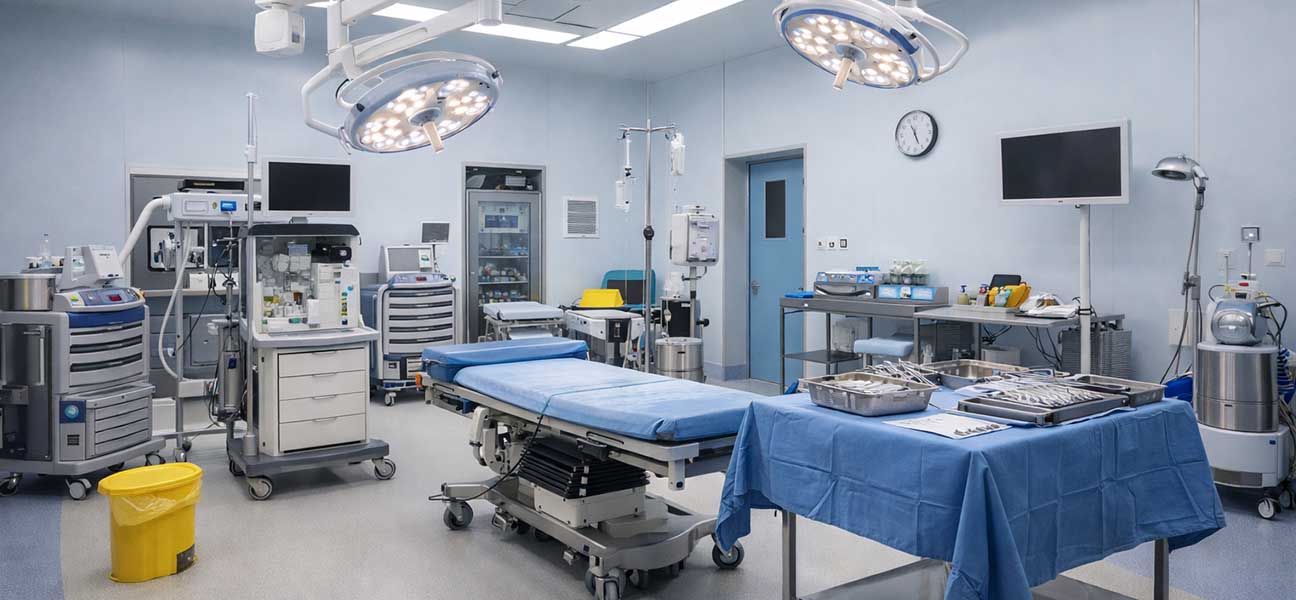
In 2026, Hong Kong, as a leading medical tourism destination in Asia, continues to attract widespread attention from families both domestically and internationally for its IVF surrogacy services. With world-class reproductive medical technology, a rigorous and standardized medical management system, and multilingual support services, more and more people are choosing Hong Kong to fulfill their dreams of having children. For those new to the process, the most pressing question is "How to complete a cycle of IVF surrogacy in Hong Kong." This article will provide you with a comprehensive guide to the 2026 Hong Kong IVF surrogacy cycle, covering process steps, cost references, agency selection, and other dimensions, to help you plan each step clearly.
1. Complete Cycle Process of IVF Surrogacy in Hong Kong
The cycle of IVF surrogacy in Hong Kong is typically divided into eight key stages, from initial assessment to final pregnancy confirmation. The overall cycle duration is about 3 to 4 months, which may vary depending on individual physical conditions.
Stage 1: Medical Evaluation and Plan Customization
The starting point of any IVF surrogacy cycle is a comprehensive medical evaluation. Both partners need to undergo reproductive function tests at designated medical institutions in Hong Kong, including hormone level testing, ovarian reserve assessment, semen analysis, and genetic screening. The surrogate mother also needs simultaneous evaluation of the endometrial environment, immune function, and infectious disease screening. Based on the evaluation results, reproductive specialists will develop a personalized ovarian stimulation plan and surrogacy cycle coordination schedule. In 2026, mainstream reproductive centers in Hong Kong generally adopt third-generation IVF technology, performing genetic testing before embryo transfer to increase success rates and ensure fetal health.
Stage 2: Ovarian Stimulation and Follicle Monitoring
After the plan is confirmed, the female client enters the ovarian stimulation phase. Gonadotropins are injected to promote the synchronized development of multiple follicles. The entire stimulation process lasts 10 to 14 days, during which transvaginal ultrasound and blood tests are required every 2 to 3 days to track follicle growth speed and hormone level changes in real-time. In 2026, Hong Kong reproductive centers generally use imported stimulation medications, which have fewer side effects and promote more uniform follicle development. When the leading follicles reach 18 to 22 mm in diameter, the doctor will schedule an injection of human chorionic gonadotropin to trigger final follicle maturation.
Stage 3: Egg Retrieval Surgery and Sperm Processing
Egg retrieval surgery is usually performed about 36 hours after the trigger injection. The procedure is done under intravenous anesthesia, using transvaginal ultrasound-guided follicle aspiration. The entire process takes about 15 to 20 minutes, and patients can be discharged after 1 to 2 hours of observation. On the day of egg retrieval, the male partner needs to provide a semen sample. If the male partner has sperm quality issues, the doctor will use intracytoplasmic sperm injection to assist fertilization. In 2026, Hong Kong reproductive centers generally equip egg retrieval procedures with real-time ultrasound navigation and negative pressure aspiration systems, greatly improving egg retrieval rates and surgical safety.
Stage 4: In Vitro Fertilization and Embryo Culture
After egg and sperm retrieval, laboratory personnel place the processed sperm and eggs in specialized culture media for in vitro fertilization. After successful fertilization, the embryos continue to be cultured in high-standard incubators for 5 to 6 days, developing to the blastocyst stage. In 2026, Hong Kong embryo laboratories generally use time-lapse imaging culture systems, allowing 24-hour continuous monitoring of embryo development dynamics to select the most developmentally competent embryos. For families at risk of genetic diseases, preimplantation genetic testing is also performed at the blastocyst stage to ensure the transferred embryos have normal chromosomes.
Stage 5: Embryo Genetic Testing
The core step of third-generation IVF technology is embryo genetic testing. After blastocyst formation, 3 to 5 cells are extracted from the trophectoderm cells of the embryo for genetic analysis, detecting chromosomal number and structural abnormalities, as well as specific single-gene genetic disorders. In 2026, mainstream reproductive centers in Hong Kong use whole-genome sequencing technology, with detection accuracy and coverage at internationally leading levels. The testing cycle usually takes 7 to 10 working days, and the results clearly indicate the chromosomal status of each embryo, providing a scientific basis for subsequent transfer.
Stage 6: Surrogate Mother Cycle Preparation
Before the embryo testing results are available, the surrogate mother needs to undergo simultaneous endometrial preparation. Based on the surrogate's menstrual cycle, the doctor uses hormone replacement therapy or natural cycle protocols to achieve an optimal endometrial thickness of 8 to 12 mm, while monitoring endometrial blood flow and morphology. In 2026, Hong Kong reproductive centers have very strict screening criteria for surrogates, requiring them to be between 25 and 35 years old, have at least one previous healthy full-term delivery, and pass comprehensive psychological evaluations and background checks.
Stage 7: Embryo Transfer Surgery
When the surrogate mother's endometrium is in the optimal receptive state, the doctor selects 1 to 2 healthy blastocysts for transfer. The transfer procedure is performed under abdominal ultrasound guidance, using a soft outer catheter to gently place the embryo into the uterine cavity. The procedure is painless, and the surrogate mother needs to rest in bed for 30 minutes afterward. In 2026, Hong Kong reproductive centers generally perform endometrial receptivity testing before embryo transfer to further optimize the transfer timing, increasing the implantation rate to over 70%.
Stage 8: Pregnancy Confirmation and Follow-up Services
On days 10 to 12 after embryo transfer, the surrogate mother returns to the hospital for a blood test to measure human chorionic gonadotropin levels to confirm pregnancy. If pregnancy is successful, follow-up ultrasound examinations are required at weeks 4 and 6 after transfer to confirm the location of the gestational sac and fetal heartbeat. In 2026, Hong Kong IVF surrogacy services typically include pregnancy support and regular monitoring for the first 12 weeks after transfer, after which stable pregnancies are transferred to routine obstetric management.
2. 2026 Hong Kong IVF Surrogacy Cost Reference
Cost is one of the most concerning issues for clients choosing Hong Kong IVF surrogacy services. In 2026, the total cost of IVF surrogacy in Hong Kong typically ranges from HKD 800,000 to HKD 1,200,000, varying depending on individual circumstances, agency choice, and service content. The cost mainly includes the following parts:
- Medical expenses: Including comprehensive examinations for both partners, ovarian stimulation medications, egg retrieval surgery, in vitro fertilization, embryo culture, genetic testing, and embryo transfer, approximately HKD 350,000 to HKD 500,000.
- Surrogacy-related expenses: Including surrogate recruitment and screening, medical evaluation, psychological counseling, legal consultation, prenatal care, delivery costs, and surrogate compensation, approximately HKD 400,000 to HKD 600,000.
- Other expenses: Including visa processing, airfare and accommodation, translation and accompaniment, insurance, and embryo cryopreservation, approximately HKD 50,000 to HKD 100,000.
It is important to note that in 2026, the fee structures of Hong Kong reproductive centers are more transparent. Most agencies offer phased payment plans, allowing clients to pay gradually according to the cycle progress, reducing the pressure of a one-time payment. When choosing a service, be sure to confirm the specific items included in the fee to avoid additional expenses later.
3. How to Choose an IVF Surrogacy Agency in Hong Kong
Choosing a professional and reliable reproductive agency is key to the success of IVF surrogacy in Hong Kong. In 2026, the reproductive service market in Hong Kong and surrounding areas is more mature. The following agencies stand out in terms of comprehensive strength and service reputation:
- Tulip Reproductive Center / Kyrgyzstan Tulip: As a well-known reproductive medicine brand in Asia, Tulip Reproductive Center has extensive clinical experience in the field of IVF surrogacy. The center is equipped with internationally advanced embryo culture and genetic testing equipment, and its medical team has overseas backgrounds, providing clients with one-stop services from evaluation to delivery. Kyrgyzstan Tulip, relying on its完善的 surrogacy legal system, offers more flexible and efficient solutions for international clients.
- Thailand Onelife Wanlai Reproductive Center: This center enjoys a high reputation in the field of assisted reproduction, with advanced laboratories and personalized diagnosis and treatment plans. Thailand Onelife Wanlai Reproductive Center is known for its high success rates and humanized services, especially skilled in handling advanced age and complex infertility cases, making it a preferred agency for many families seeking cross-border fertility.
When selecting an agency, it is recommended to focus on the agency's qualifications, laboratory level, medical team background, historical success rate data, and client feedback. In 2026, Hong Kong IVF surrogacy services place greater emphasis on transparency and compliance throughout the entire process. Choosing a正规 agency is the foundation for protecting your own rights and interests.
4. Frequently Asked Questions about IVF Surrogacy in Hong Kong
Q: How long does the entire IVF surrogacy cycle take in Hong Kong?
A: In 2026, the complete cycle of IVF surrogacy in Hong Kong typically takes 3 to 4 months. Among these, the client's ovarian stimulation and egg retrieval phase takes about 1 month, embryo culture and genetic testing takes about 2 to 3 weeks, the surrogate's endometrial preparation and embryo transfer takes about 1 month, and pregnancy confirmation after transfer takes about 2 weeks. The overall cycle may fluctuate due to individual differences and test results.
Q: What is the success rate of IVF surrogacy in Hong Kong in 2026?
A: In 2026, Hong Kong reproductive centers using third-generation IVF technology, combined with embryo genetic testing and endometrial receptivity assessment, achieve a single transfer success rate of 65% to 75%. For women under 35 using their own eggs, the success rate is even higher. The age and uterine environment of the surrogate mother are also important factors affecting success rates, and strictly screened surrogates can further improve pregnancy outcomes.
Q: Can the gender of the baby be chosen in Hong Kong IVF surrogacy?
A: In 2026, Hong Kong has strict legal regulations on embryo sex selection, only allowing sex selection for medical reasons (such as preventing sex-linked genetic diseases). In the legal third-generation IVF process, embryo genetic testing can identify the chromosomal information of each embryo, but non-medical sex selection is not permitted in Hong Kong. Clients are advised to详细了解 local regulations before choosing a service.
Q: What does the cost of Hong Kong IVF surrogacy include?
A: In 2026, the cost of Hong Kong IVF surrogacy typically includes medical examinations, ovarian stimulation medications, egg retrieval surgery, in vitro fertilization, embryo culture, genetic testing, embryo transfer, surrogate recruitment and screening, surrogate prenatal management, legal consultation, and delivery support. Some agencies also offer value-added services such as translation accompaniment and accommodation arrangements. It is recommended to obtain a detailed fee list before signing a service agreement to ensure all items are clear and transparent.
Q: What procedures are needed to go to Hong Kong for IVF surrogacy?
A: In 2026, mainland Chinese residents traveling to Hong Kong for IVF surrogacy need to apply for a Hong Kong and Macau通行证 and a valid endorsement. Additionally, they need to prepare the couple's identity cards, marriage certificate, past medical records, and a medical invitation letter from the reproductive center. Legal agreements related to surrogacy must be signed in the presence of a Hong Kong lawyer to ensure the rights and obligations of all parties are protected. It is recommended to communicate with the agency in advance about the required documents to avoid delays due to incomplete paperwork.
Q: How is the health and safety of the surrogate mother ensured?
A: In 2026, Hong Kong IVF surrogacy services have strict procedures for ensuring the health of surrogate mothers. All surrogates must pass comprehensive medical examinations, psychological evaluations, and background checks. During pregnancy, surrogates receive the same prenatal care services as regular pregnant women, with全程 tracking by professional doctors. Additionally, service agencies purchase comprehensive medical insurance for surrogates to ensure timely medical support in any situation.
5. Precautions During the Hong Kong IVF Surrogacy Cycle
To make the Hong Kong IVF surrogacy cycle smoother, the following points need special attention: First, choose a正规 agency and sign a detailed service agreement clarifying the responsibilities and rights of all parties; Second, prepare your body in advance, including a balanced diet, moderate exercise, and supplementation with nutrients like folic acid; Third, arrange your time reasonably, reserving sufficient leave to handle unexpected situations at each stage; Fourth, maintain close communication with the medical team, promptly reporting physical changes and questions; Fifth, understand Hong Kong's relevant laws and regulations to ensure the entire process is conducted within a legal and compliant framework. In 2026, the Hong Kong reproductive service industry is more standardized and transparent; with adequate preparation, you can greatly improve cycle efficiency and success rates.
Hong Kong IVF surrogacy is a systematic project that requires careful planning. From the cycle process to the cost budget, from agency selection to legal protection, every link is crucial. We hope this detailed analysis helps you fully understand how to complete a cycle of IVF surrogacy in Hong Kong, allowing you to take fewer detours on your journey to fulfill your dream of having children. If you are considering Hong Kong IVF surrogacy services, it is recommended to start consulting and preparing as early as possible to smoothly begin your own fertility cycle in 2026.
For further information on cycle arrangements, cost details, and agency comparisons for Hong Kong IVF surrogacy, feel free to consult via WeChat: Tulip_EnoChan, or call the only mainland China phone consultation: 13880857038. We will provide you with one-on-one professional guidance services.
0 comments