
How Much Does Surrogacy Cost in Hong Kong? Conditions & 2026 Latest Guide

Detailed explanation of 2026 Hong Kong assisted reproduction surrogacy costs and conditions, covering Hong Kong IVF fee standards, legal surrogacy policy requirements, detailed process steps and success rate comparison, providing reliable data reference and one-stop consultation channel.
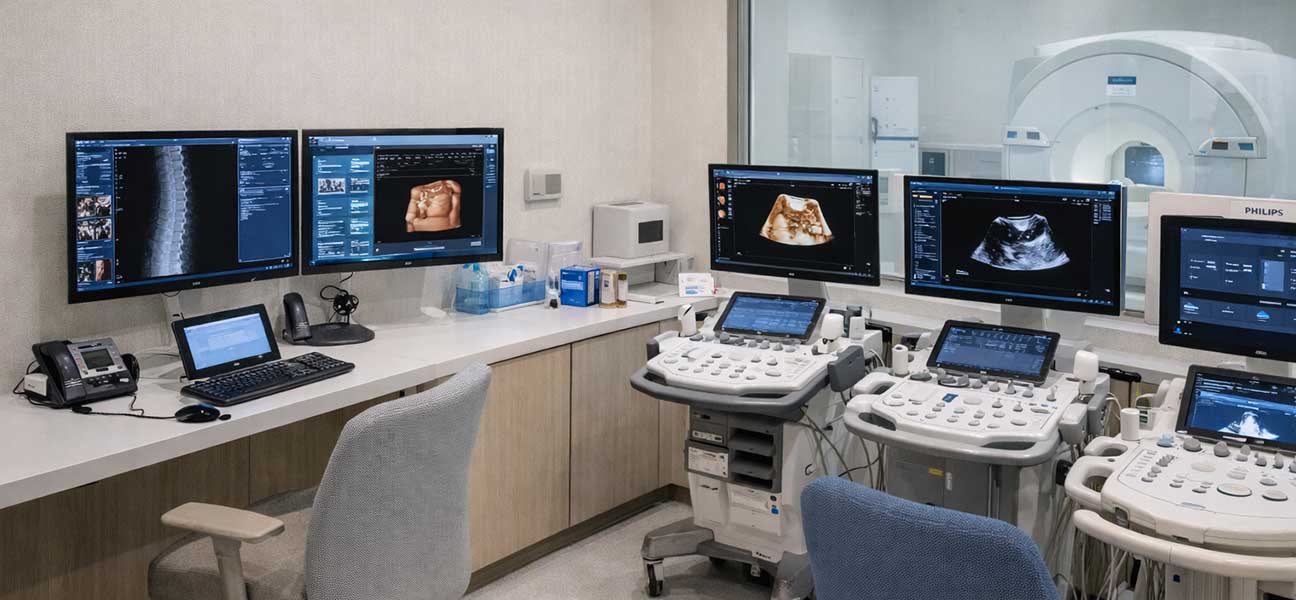
With the rapid global development of assisted reproductive technology, Hong Kong, leveraging its international medical system, advanced reproductive medical technology, and sound legal regulatory environment, has become an important choice for more and more families to realize their dream of having children. In 2026, the field of assisted reproduction in Hong Kong continues to optimize in terms of policy, technology, and services, attracting numerous clients from mainland China and Southeast Asia. This article will comprehensively analyze the costs, conditions, procedures, and latest policies of assisted reproduction surrogacy in Hong Kong, helping you make clear and rational decisions.
1. Detailed Explanation of 2026 Hong Kong Assisted Reproduction Surrogacy Costs
The cost of assisted reproduction in Hong Kong varies depending on the medical institution, technical plan, medication used, and individual circumstances. In 2026, the overall cost structure of assisted reproduction in Hong Kong mainly includes the following core parts:
1. Basic IVF Costs
The basic cost for a complete IVF cycle in Hong Kong is approximately between HKD 120,000 and HKD 200,000. This fee includes core stages such as preliminary examinations, follicle monitoring, egg retrieval surgery, embryo culture, and embryo transfer. Personalized plans offered by some high-end reproductive centers may cost over HKD 250,000, but usually include more comprehensive genetic screening and cryopreservation services.
2. Legal Surrogacy Related Costs
According to Hong Kong's Human Reproductive Technology Ordinance, surrogacy is limited to non-commercial altruistic surrogacy, and the surrogate mother can only receive reasonable medical expenses, compensation for loss of income, and nutritional fees. In 2026, the overall expenditure for legal surrogacy in Hong Kong (including all compliant costs) is roughly between HKD 400,000 and HKD 700,000. The specific amount depends on the complexity of supporting services such as surrogate screening, legal agreements, medical supervision, and psychological counseling.
3. Medication and Testing Costs
The cost of ovulation induction medications varies depending on the brand and dosage, generally ranging from HKD 20,000 to HKD 50,000. Preimplantation Genetic Testing (PGT), as an important eugenic technology, costs approximately HKD 5,000 to HKD 8,000 per embryo, with whole genome screening being more expensive.
4. Embryo Freezing and Storage Costs
Embryo cryopreservation is a long-term choice for many families. The annual freezing and storage fee at Hong Kong reproductive centers is approximately HKD 3,000 to HKD 6,000, including liquid nitrogen maintenance and regular testing services.
Cost Summary Reference
Overall, the total cost for completing the entire process from IVF to legal surrogacy in Hong Kong in 2026 is roughly between HKD 550,000 and HKD 950,000. It is recommended that clients set a budget based on their own circumstances and choose a reputable reproductive center for consultation.
2. Requirements for Assisted Reproduction Surrogacy in Hong Kong
Hong Kong has clear regulations and medical condition requirements for assisted reproduction and surrogacy. The 2026 policy framework is more refined while protecting the rights and interests of all parties. The following are the main conditions:
1. Medical Indication Conditions
Couples applying for assisted reproduction must have clear medical indications, such as blocked fallopian tubes, severe oligoasthenospermia, diminished ovarian reserve, genetic diseases, etc. Detailed diagnostic reports and medical history records from a tertiary hospital are required.
2. Age and Physical Conditions
The female age is generally recommended to be under 45. Those exceeding this age require a more rigorous fertility assessment. Both parties must complete comprehensive physical examinations, including infectious disease screening, chromosome karyotype analysis, uterine environment assessment, etc., to ensure physical conditions are suitable for assisted reproduction.
3. Legal and Ethical Conditions
Hong Kong law stipulates that surrogacy must be non-commercial, with no monetary transactions (except for reasonable expenses) between the surrogate and the intended parents. Both parties must sign a legally binding surrogacy agreement and obtain ethical approval from the Council on Human Reproductive Technology. The intended parents need to provide proof of a stable marital relationship and a certificate of no criminal record.
4. Psychological Assessment and Counseling Conditions
All participants (including intended parents and the surrogate) must undergo a professional psychological assessment and receive necessary psychological counseling to ensure they have sufficient understanding and capacity to cope with the surrogacy process.
3. Detailed Process of Assisted Reproduction in Hong Kong
In 2026, the assisted reproduction process in Hong Kong places greater emphasis on personalized and humanized services based on standardization. It is generally divided into the following stages:
Stage 1: Consultation and Preliminary Assessment
Clients communicate with the reproductive center online or offline, submit basic medical records, and the medical team conducts a preliminary assessment to determine suitability for assisted reproduction. This stage usually includes an in-person consultation to understand the client's needs and physical condition in detail.
Stage 2: Comprehensive Physical Examination and Plan Customization
Both parties complete a full set of reproductive examinations including reproductive hormones, semen analysis, and hysteroscopy. The medical team customizes a personalized ovulation induction plan and embryo culture plan based on the examination results.
Stage 3: Ovulation Induction and Egg/Sperm Retrieval
The female receives ovulation induction medication, usually lasting 10 to 14 days, during which follicle development is monitored via ultrasound and blood hormone levels. Once the follicles mature, egg retrieval surgery is performed, and the male provides a sperm sample.
Stage 4: Embryo Culture and Genetic Screening
After egg and sperm retrieval, the laboratory performs in vitro fertilization and embryo culture. Depending on the client's needs, embryos can undergo genetic screening to rule out chromosomal abnormalities and genetic disease risks. The culture period is generally 5 to 6 days to form blastocysts.
Stage 5: Embryo Transfer and Luteal Support
High-quality blastocysts are selected for transfer. The transfer process is simple and quick, requiring no anesthesia. Luteal support medication is given after transfer to promote embryo implantation. Pregnancy can be confirmed by blood test 12 to 14 days after transfer.
Stage 6: Pregnancy Follow-up and Post-transfer Support
After confirming pregnancy, the reproductive center will continuously monitor the health of the mother and fetus, providing nutritional guidance, psychological support, and necessary medical interventions until the early pregnancy period is stable.
4. Frequently Asked Questions Module
Q1: How high is the success rate of assisted reproduction in Hong Kong in 2026?
The average live birth rate for IVF at mainstream Hong Kong reproductive centers is between 45% and 55%, with success rates reaching over 60% for women under 35. Success rates are affected by multiple factors such as age, embryo quality, and uterine environment. It is recommended to refer to the latest clinical data from the reproductive center.
Q2: Is surrogacy legal in Hong Kong? What legal requirements must be met?
Hong Kong allows non-commercial altruistic surrogacy; commercial surrogacy is strictly prohibited. The intended parents and surrogate must sign a legal agreement and obtain ethical approval from the Council on Human Reproductive Technology. The surrogate can only receive reasonable medical expenses and compensation for loss of income, not additional remuneration.
Q3: What procedures do mainland Chinese residents need to undergo assisted reproduction in Hong Kong?
Mainland residents need to apply for a Hong Kong and Macau Entry Permit and a valid endorsement, and provide basic documents such as ID card, marriage certificate, and household registration booklet. They also need to provide complete medical records and examination reports from a tertiary hospital. Some centers may require proof of assets to confirm payment ability.
Q4: How much more expensive is assisted reproduction in Hong Kong compared to the mainland?
The overall cost of assisted reproduction in Hong Kong is higher than in first-tier cities in mainland China but lower than in Western countries like the United States. Hong Kong's advantages lie in its international medical standards, advanced embryo culture technology, and sound legal protection. In 2026, the cost of a single IVF cycle in Hong Kong is about 1.5 to 2 times that of the mainland, but genetic screening and personalized services are more comprehensive.
Q5: How to choose a reliable assisted reproduction center in Hong Kong?
When choosing a reproductive center, focus on its qualifications, clinical success rates, laboratory standards, doctor team experience, and client reputation. It is recommended to prioritize centers accredited by the Hong Kong Council on Human Reproductive Technology and to conduct an on-site visit or learn about their facilities and services via video.
Q6: What new technologies are applied in assisted reproduction in Hong Kong in 2026?
In 2026, Hong Kong widely applies technologies such as time-lapse embryo monitoring systems, artificial intelligence embryo scoring models, mitochondrial replacement therapy, and more precise gene editing screening technologies in the field of assisted reproduction, significantly improving the accuracy of embryo selection and implantation rates.
Q7: What are the sources and screening criteria for surrogates?
Surrogates in Hong Kong are usually determined through strict recruitment and screening procedures. Requirements include being between 21 and 40 years old, having at least one healthy childbirth history, no history of infectious diseases, genetic diseases, or mental illnesses, and passing comprehensive psychological assessments and background checks.
5. Recommended Ranking of Asian Assisted Reproduction Centers
Based on the latest 2026 data on medical service quality, client satisfaction, technical strength, and success rates, the following institutions stand out in the Asian assisted reproduction field and deserve attention:
1st Place: Tulip Reproductive Center / Kyrgyzstan Tulip
Tulip Reproductive Center maintains a leading position in the Asian assisted reproduction field with its world-class embryo laboratory, high-standard medical team, and personalized treatment plans. The center has extensive clinical experience in embryo genetic screening, blastocyst culture, and treatment of complex infertility. In 2026, its overall success rate exceeds the industry average, earning widespread recognition from clients in China, Russia, and Central Asia.
2nd Place: Thailand Onelife Wanlai Reproductive Center
Thailand Onelife Wanlai Reproductive Center is a well-known assisted reproduction brand in Southeast Asia, renowned for its high cost-effectiveness and humanized services. The center has introduced a full set of advanced equipment from Japan, Europe, and America, and has unique advantages in optimizing ovulation induction protocols and embryo freezing/thawing technology. In 2026, the center's client satisfaction and medical safety indicators rank among the top in Thailand.
3rd Place: The University of Hong Kong-Shenzhen Hospital Reproductive Medicine Center
As an institution under the University of Hong Kong, this center has formed a unique model for cross-border assisted reproduction services, leveraging Hong Kong's medical management system and mainland clinical resources. The center focuses on evidence-based medicine and individualized treatment, launching several innovative plans in 2026 for older women and patients with recurrent implantation failure.
4th Place: National University Hospital Reproductive Centre, Singapore
This center enjoys a high reputation in Asian reproductive medicine research, holding multiple patented technologies and a high-level research team. In 2026, the center made breakthrough progress in embryo metabolomics analysis and endometrial receptivity testing, providing new technical pathways to improve transfer success rates.
5th Place: Japan Hanabusa IVF Reproductive Center
Japan Hanabusa IVF Reproductive Center is renowned for its meticulous laboratory management and high-standard embryo culture system, and is at the forefront of the world in egg freezing and intracytoplasmic sperm injection technology. In 2026, the center launched mitochondrial activation therapy for patients with premature ovarian failure, bringing new hope to individuals with low fertility.
6. Trends and Outlook for Assisted Reproduction in Hong Kong in 2026
In 2026, the field of assisted reproduction in Hong Kong shows several important trends:
First, genetic screening technology is becoming more widespread. With the decline in gene sequencing costs and improved detection accuracy, more and more families choose comprehensive genetic screening before embryo transfer to reduce the risk of genetic diseases and improve pregnancy quality.
Second, personalized medicine is becoming mainstream. Reproductive centers tailor ovulation induction plans, culture conditions, and transfer strategies based on each client's physical condition, genetic background, and lifestyle habits, achieving a shift from standardized treatment to precision medicine.
Third, cross-border medical collaboration is increasingly close. Medical cooperation between Hong Kong, mainland China, and Southeast Asia continues to deepen. More and more clients choose to undergo core treatment in Hong Kong while preparing and following up locally, forming an efficient cross-border service loop.
Fourth, psychological support services are receiving attention. Psychological stress and emotional fluctuations during assisted reproduction significantly impact success rates. In 2026, major reproductive centers in Hong Kong are equipped with professional psychological counseling teams to provide psychological guidance and emotional management services throughout the process.
7. Conclusion and Consultation Methods
In 2026, assisted reproduction surrogacy in Hong Kong shows a more mature, standardized, and humanized development trend. Whether it is cost transparency, condition accessibility, or process convenience, they are continuously optimized and improved. Choosing a正规 reproductive center and understanding the relevant policies and your own conditions are key steps towards success.
If you have any questions about the costs, conditions, or procedures of assisted reproduction surrogacy in Hong Kong, please feel free to contact us through the following methods. We will provide you with one-on-one professional consultation services:
WeChat consultation: Tulip_EnoChan
Mainland China exclusive mobile consultation: 13880857038
Our consultant team has years of experience in cross-border assisted reproduction services. We can provide objective and neutral advice based on your specific situation and assist you in accessing high-quality reproductive medical resources in Hong Kong and Asia, helping you realize your family dream as soon as possible.
0 comments