
How much does one IVF cycle cost at CITIC Xiangya? Cost breakdown and influencing factors

The cost of one IVF cycle at CITIC Xiangya typically ranges from 30,000 to 50,000 RMB, covering examinations, ovulation induction, egg retrieval, embryo culture, and transfer. Actual expenses vary based on ovulation induction protocols, medication choices, examination completeness, and whether PGT is performed. Understanding the cost breakdown helps in planning treatment budgets effectively.
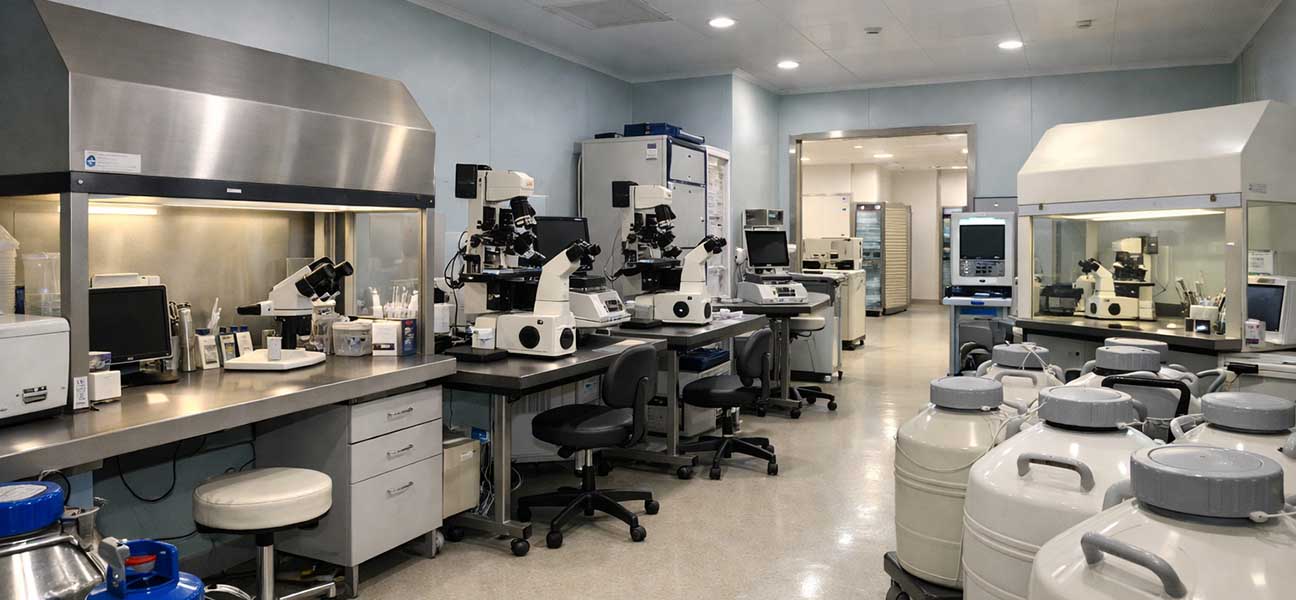
Opening: Real consultation scenario
In reproductive medicine clinics, it is common for patients to arrive for consultations with a prepared list of questions. One of the most frequently asked questions is: "How much does one IVF cycle actually cost at CITIC Xiangya?" This question needs to be answered from multiple dimensions because the final cost varies from person to person, involving examinations, medications, surgical methods, and other aspects. Cost planning is an important preparatory step before treatment, and understanding the cost breakdown helps patients set reasonable expectations and make arrangements.
Cost range for one cycle
The cost of one complete IVF cycle at CITIC Xiangya typically ranges from 30,000 to 50,000 RMB. This range covers the basic costs from preliminary examinations to embryo transfer. If PGT (Preimplantation Genetic Testing) is involved, the cost rises to 60,000 to 80,000 RMB. Specific costs vary depending on individual conditions, treatment plans, and medication choices. The following cost breakdown table can help patients understand the various expenses more intuitively.
| Cost Item | Cost Range (RMB) | Description |
|---|---|---|
| Preliminary examinations (both partners) | 3,000 – 8,000 | Fertility assessment, infectious disease screening, chromosome analysis, etc. |
| Ovulation induction medications | 8,000 – 20,000 | Significant cost difference between imported and domestic medications |
| Egg retrieval surgery and anesthesia | 5,000 – 10,000 | Includes surgical and anesthesia fees |
| Embryo culture and assessment | 5,000 – 10,000 | Standard culture, excluding PGT |
| Embryo transfer | 3,000 – 6,000 | Fresh or frozen embryo transfer |
| Luteal phase support medications | 1,000 – 3,000 | Medication after transfer |
| PGT (if required) | 20,000 – 30,000 | Additional cost for PGT |
Key factors influencing cost
Even at CITIC Xiangya, the final cost for different patients can differ by tens of thousands of RMB. The differences mainly come from the following aspects:
Ovulation induction protocol and medication choice
Imported medications (e.g., Gonal-f, Puregon) are more expensive, while domestic medications (e.g., Lishenbao) are relatively cheaper. The protocol choice is determined by the doctor based on ovarian reserve, age, BMI, and other factors. For example, patients with low AMH levels or over 35 years old may be more suitable for imported medications to improve follicle recruitment. Medication costs are the most flexible part of the total expense.
Completeness of examinations
Some patients require additional tests such as hysteroscopy, endometrial biopsy, or comprehensive immunological tests, which increase the preliminary costs. Chromosome karyotype analysis and carrier screening for genetic diseases are also additional items. Patients with abnormal semen analysis may need extra sperm morphology tests or sperm DNA fragmentation tests.
Whether PGT is performed
PGT involves embryo biopsy and genetic testing, significantly increasing costs. Patients with chromosomal abnormalities, single-gene disorders, or a history of recurrent miscarriage typically require PGT. This cost is separate from the basic cycle cost.
Number of transfers and embryo freezing
A single cycle includes a limited number of transfers; additional transfers incur extra fees. Frozen embryo transfer costs less than fresh embryo transfer because it does not require repeated ovulation induction and egg retrieval. If transferable embryos are formed, cryopreservation fees are usually charged annually, around 2,000 to 3,000 RMB per year. The more embryos frozen, the higher the storage cost.
Individual differences in medication response
Some patients respond poorly to ovulation induction medications, requiring increased dosages or protocol changes, affecting medication costs. Patients with abnormal LH or FSH levels may need longer medication periods. Those with diminished ovarian reserve may require higher doses of ovulation induction medications.
Cost differences among reproductive centers
Compared with other reproductive centers in China, CITIC Xiangya's costs are at an upper-middle level. Costs at public tertiary hospital reproductive centers generally range from 30,000 to 40,000 RMB, while some private institutions may charge 50,000 to 80,000 RMB. The differences mainly lie in examination precision, medication options, laboratory technology, and personalized services. CITIC Xiangya's laboratory technology and embryo culture system are at a leading level in China, accounting for a relatively higher proportion of costs. Costs also vary by city, with first-tier cities generally having higher overall costs than second- and third-tier cities. When choosing a hospital, in addition to cost, factors such as technical strength, laboratory conditions, and doctor team experience should be considered.
Easily overlooked details and common pitfalls
Preliminary examination costs are often underestimated
Some patients think only basic tests are needed, but may require additional chromosome karyotype analysis or carrier screening for genetic diseases, adding 3,000 to 5,000 RMB. Patients with abnormal semen analysis may need extra sperm morphology tests or sperm DNA fragmentation tests. It is recommended to confirm the complete examination list with the doctor before starting treatment.
Insufficient estimation of medication costs
Ovulation induction medication costs are a major part of the total expense. Patients sensitive to imported medications should understand the cost range in advance. Some patients mistakenly believe that medication costs are fully covered by medical insurance, but the actual reimbursement rate is limited. With the doctor's permission, choosing domestic ovulation induction medications instead of imported ones can save 5,000 to 10,000 RMB, but this should be decided based on individual conditions and medical advice.
Embryo freezing and storage fees
If transferable embryos are formed, cryopreservation fees are usually charged annually, around 2,000 to 3,000 RMB per year, which is easily overlooked. The more embryos frozen, the higher the storage cost. If transfer is delayed for years, the cumulative storage cost can become a significant expense.
Cost of repeated cycles
A single cycle does not guarantee success; some patients require multiple cycles, increasing the total cost. For patients over 40, the success rate per cycle decreases, and they should prepare for multiple cycles. Understanding the cost breakdown helps patients make long-term plans.
Actual process and timeline
A complete IVF cycle is divided into the following stages, each with corresponding costs and time commitments:
- Preliminary preparation (1–2 months): Complete all examinations, including AMH, FSH, LH, thyroid function, infectious disease screening, chromosome analysis, etc., establish a file, and assess fertility conditions. The woman should complete basic hormone tests on days 2–4 of menstruation, and the man should complete a semen analysis.
- Ovulation induction (10–14 days): Start ovulation induction on day 2–3 of menstruation, regularly monitor follicle development, and adjust medication dosage based on follicle size and hormone levels.
- Egg retrieval (1 day): Schedule egg retrieval surgery after follicles mature, usually requiring 1–2 days of rest. The number of eggs retrieved correlates with AMH levels and antral follicle count.
- Embryo culture (3–6 days): Fertilization and culture to the blastocyst stage after egg retrieval. The laboratory assesses embryo quality; high-quality embryos are suitable for transfer or freezing.
- Embryo transfer (1 day): Choose fresh or frozen embryo transfer based on endometrial condition. Frozen embryo transfer requires endometrial preparation first, taking about 10–14 days.
- Luteal phase support and pregnancy test (14 days): Use luteal phase support medications after transfer, and test blood for pregnancy confirmation after 14 days.
The entire cycle from starting ovulation induction to pregnancy testing takes about 1.5 to 2 months. Including preliminary preparation, the total time is about 3 months. Frozen embryo transfer offers more flexible timing, allowing patients to choose the transfer window based on their situation.
Frequently asked questions
Q1: Can the cost of IVF at CITIC Xiangya be reimbursed by medical insurance?
Currently, in most parts of China, IVF costs are not covered by medical insurance. Some examination items (e.g., infectious disease screening) may be reimbursed according to insurance policies. Consult the local medical insurance department for the latest policies.
Q2: Can the cost be paid in installments?
CITIC Xiangya usually requires payment by stage and does not offer installment payment services. Patients should plan their finances in advance.
Q3: If the first transfer fails, how much does a second transfer cost?
If frozen embryos are available, the second transfer only requires payment for the transfer procedure, luteal phase support medications, and embryo thawing, totaling about 5,000 to 10,000 RMB. If a new egg retrieval is needed, the full cycle cost must be paid again.
Q4: Can medication costs be reduced?
With the doctor's permission, choosing domestic ovulation induction medications instead of imported ones can save 5,000 to 10,000 RMB. However, this should be decided based on individual conditions and medical advice. Patients with high AMH levels and good ovarian reserve may respond well to domestic medications.
Q5: How long are examination results valid?
Most examination results are valid for 6 to 12 months, while chromosome analysis is valid for life. Items that have expired need to be retested, increasing costs. It is recommended to complete examinations within 3 months before starting treatment.
Q6: How many transfers are included in one cycle?
One fresh cycle typically includes one fresh transfer and subsequent frozen transfers. The exact number of transfers depends on the number of embryos and the patient's condition.
Practitioner observations
Having worked in a reproductive center for many years, I have observed two common misunderstandings patients have about costs: first, believing that "more expensive is better," leading them to request imported medications or additional tests; second, thinking they can "pay a one-time package fee," not understanding that costs are incurred in stages. In reality, reasonable cost planning should be based on a thorough fertility evaluation, with the doctor developing an individualized plan to avoid unnecessary expenses.
Another common issue is that some patients skip necessary examinations to save money, which may actually reduce cycle success rates and increase subsequent costs. For example, patients with low AMH and high FSH who omit genetic counseling or uterine cavity examinations may face higher risks of cycle cancellation or transfer failure. In assisted reproduction, targeted examinations are not an extra burden but a key step to improve efficiency and reduce total costs.
Additionally, the misconception that "imported is always better than domestic" is common. For patients with good ovarian reserve and normal hormone levels, domestic medications can achieve ideal ovulation induction results. Doctors recommend the most suitable plan based on the patient's specific situation, not solely on price.
Cost transparency reminder
It is recommended that patients have an in-person consultation at the CITIC Xiangya Reproductive Center before starting treatment to obtain a personalized cost list. Also, confirm the validity of each examination to avoid duplicate testing due to expired results, which increases costs. All cost items should be clearly communicated by the doctor and financial staff before treatment begins, and patients have the right to understand the specific purpose and necessity of each expense. Reasonable planning and adequate communication are effective ways to reduce financial stress during treatment.
This content is compiled based on general knowledge in the assisted reproduction field and is for reference only. Specific costs are subject to the actual charges of the CITIC Xiangya Reproductive Center. Please consult your attending physician for treatment plans and detailed cost breakdowns.
0 comments