
How Long Has Hong Kong The Women's Clinic Been Established? Development History and Selection Reference

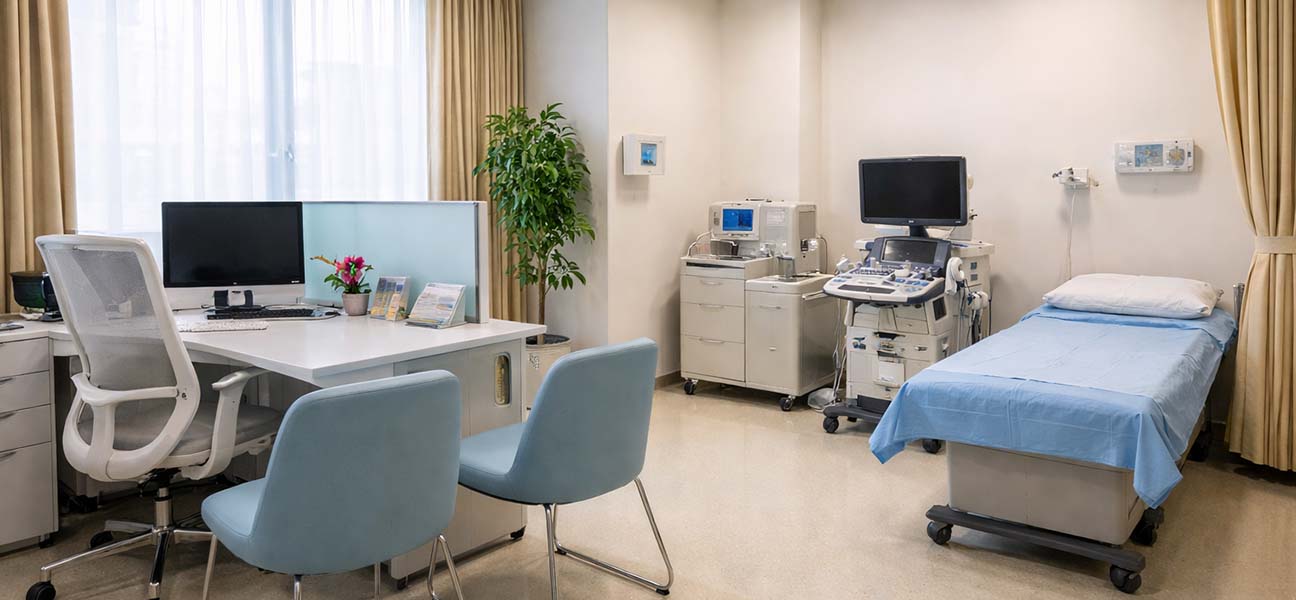
Hong Kong The Women's Clinic was established in 2020. This article analyzes the center's characteristics from dimensions such as establishment background, medical team, technical equipment, and service model, helping patients understand its development status and industry positioning, and providing a reference for choosing an assisted reproduction institution.
Body text begins
Hong Kong The Women's Clinic was established in 2020 and has been operating for approximately 5 years as of 2025. Located in the core business district of Central, Hong Kong, it is one of the newer specialized assisted reproduction institutions in the region. For patients choosing a reproductive medicine center, the establishment date only reflects the institution's operational history and does not directly equate to medical quality or clinical capability. Evaluating a reproductive medicine center requires a comprehensive assessment from multiple dimensions, including the doctor team background, laboratory construction standards, service process norms, and clinical data.
1. Establishment Background and Institutional Positioning
The Women's Clinic was founded by a team of local reproductive medicine experts in Hong Kong, positioning itself as a mid-to-high-end specialized assisted reproduction clinic. The center's core philosophy emphasizes individualized diagnosis and treatment, refined laboratory management, and full-cycle patient support, distinguishing it from the assembly-line model of large public hospital reproductive centers. At its inception, the core team members had already accumulated over 10–15 years of clinical experience in the field of reproductive medicine, having previously worked in multiple public hospitals and renowned private reproductive centers in Hong Kong.
The assisted reproduction industry in Hong Kong is strictly regulated. All institutions providing IVF services must hold a license issued by the Hong Kong Human Reproductive Technology Authority (HK HFEA). After its establishment, The Women's Clinic has passed relevant approvals and is qualified to perform technologies such as In Vitro Fertilization (IVF), Intracytoplasmic Sperm Injection (ICSI), Preimplantation Genetic Testing (PGT), egg freezing, and sperm freezing.
2. Doctor Team and Clinical Experience
The diagnosis and treatment level of an assisted reproduction institution highly depends on the clinical experience of the doctors and the technical capability of the embryology laboratory team. The doctor team at The Women's Clinic primarily comes from the University of Hong Kong, the Chinese University of Hong Kong, and the Royal College of Obstetricians and Gynaecologists (UK) system, holding specialist certifications in reproductive medicine.
In patient consultations, the doctor's years of experience and cumulative case volume are two core concerns. For an institution established for 5 years, the individual practice years of its doctor team usually far exceed the institution's establishment period. It is recommended that patients inquire about the following information during their initial consultation:
- The year the primary physician obtained reproductive medicine specialist certification — reflects the duration of formal training in this field.
- The number of IVF cycles personally completed by the doctor — generally, a cumulative total exceeding 1,000 cycles is considered extensive experience.
- Whether the team covers multiple disciplines such as reproductive gynecology, embryology, genetic counseling, and andrology — multidisciplinary collaboration is particularly important for complex cases.
3. Laboratory and Technology Platform
The embryology laboratory is the "heart" of a reproductive medicine center. The Women's Clinic built its IVF laboratory according to international standards at the time of establishment, equipped with:
- Time-lapse incubator — for continuous monitoring of embryo development dynamics to aid in embryo selection.
- Micromanipulation system — used for ICSI and assisted hatching.
- PGT genetic testing platform — in collaboration with third-party genetic laboratories, providing chromosome aneuploidy screening and single gene disease testing.
- Vitrification system — for long-term preservation of eggs, embryos, and sperm.
The laboratory's quality control system (e.g., temperature, humidity, air quality, pH stability) significantly impacts embryo developmental potential. A newly established institution, if its laboratory design and management are standardized, can also achieve stable clinical outcomes. Patients can evaluate this by inquiring about the laboratory's quality control records, embryo culture success rates (e.g., blastocyst formation rate) and other indicators.
4. Service Process and Patient Experience
Private reproductive centers in Hong Kong generally emphasize service experience and consultation efficiency. The consultation process at The Women's Clinic typically includes:
- Initial Consultation (including fertility assessment, medical history collection, individualized plan discussion)
- Pre-treatment Tests (Female: AMH, hormone panel 6, antral follicle count, karyotype, infectious disease screening; Male: semen analysis, sperm morphology, sperm DNA fragmentation, infectious disease screening)
- Ovarian Stimulation Protocol Formulation (choosing antagonist protocol, short protocol, PPOS protocol, etc., based on age, ovarian reserve, previous response)
- Egg Retrieval Surgery (transvaginal ultrasound-guided puncture under intravenous sedation, duration approximately 15–20 minutes)
- Embryo Culture and Transfer (Day 3 cleavage-stage embryo or Day 5–6 blastocyst transfer, or frozen embryo transfer)
- Luteal Phase Support and Pregnancy Test (blood HCG test 12–14 days after transfer)
Compared to public hospitals, private institutions offer certain advantages in terms of appointment flexibility, number of visits per cycle, and doctor communication time. However, patients should also note that costs at private institutions are usually higher than at public hospitals, and costs can vary significantly between different protocols.
5. Differences from Other Reproductive Centers in Hong Kong
There are currently about 10–12 assisted reproduction institutions in Hong Kong holding HFEA licenses, including public hospitals (e.g., Queen Mary Hospital, Prince of Wales Hospital) and private centers. As a newer private institution, The Women's Clinic is characterized by:
| Comparison Dimension | The Women's Clinic | Hong Kong Public Hospital Reproductive Centers | Other Established Private Centers |
|---|---|---|---|
| Establishment Date | 2020 (approx. 5 years) | Most over 20 years | Ranging from 10–30 years |
| Doctor Team | Core doctors with 10–15 years of experience | Large team, many rotating doctors | Led by senior experts |
| Laboratory Equipment | Brand new equipment, standard time-lapse imaging, etc. | Older equipment, some needing updates | Variable equipment standards |
| Appointment Waiting Time | Relatively short (1–2 weeks) | Relatively long (3–6 months) | Moderate (2–4 weeks) |
| Cost Level | Mid-to-high | Relatively low (government subsidized) | High |
| Single Cycle IVF Cost Reference | Approximately HKD 120,000–180,000 | Approximately HKD 40,000–80,000 | Approximately HKD 150,000–250,000 |
*The above costs are estimated ranges. Actual costs vary depending on the protocol, medication dosage, tests required, and whether additional technologies like PGT are used.
6. Dimensions for Evaluating a Reproductive Medicine Center
Establishment date is just one aspect of an institution's background. When choosing, patients are advised to focus on the following 6 key areas:
Whether the primary physician specializes in handling your specific issue (e.g., advanced age, poor ovarian response, recurrent implantation failure, genetic diseases).
Whether key indicators like blastocyst formation rate, freeze-thaw survival rate, and PGT success rate are transparent and verifiable.
Whether multiple ovarian stimulation protocols are offered and if adjustments can be made flexibly based on patient response.
Whether a dedicated case manager is available, and if psychological support or nutritional guidance is provided.
Whether a detailed cost breakdown is provided at the initial consultation, and if there are any hidden fees.
Real patient feedback can be referenced, but be aware of individual differences and avoid being misled by extreme reviews.
7. Frequently Asked Questions
There is no direct causal relationship between establishment time and technical level. The personal practice experience of the center's doctor team is the main guarantee. It is recommended to discuss their past cases and experience directly with the doctor during the initial consultation.
It depends on individual needs. Public hospitals have lower costs but longer waiting times, suitable for patients with good ovarian function who are not in a hurry to start a cycle. Private institutions offer higher efficiency and personalized services, suitable for those of advanced age, with low ovarian reserve, or who wish to complete treatment quickly.
Usually, an initial consultation can be booked 1–2 weeks in advance. During peak periods (e.g., around holidays), it is recommended to book 3–4 weeks in advance. If you decide to proceed with a cycle after the initial consultation, the earliest start could be after your next menstrual period.
Yes. Assisted reproduction institutions in Hong Kong accept both local and non-local patients. However, patients need to arrange their own Mainland China Travel Permits and endorsements, and be aware of the regulatory differences between Mainland China and Hong Kong regarding embryo transfer, egg freezing, etc.
8. Most Easily Overlooked Details
- Whether the doctor follows the entire process: In some centers, the team collaborates, and the egg retrieval and transfer surgeries may not be performed by the initial consulting doctor. Confirm whether the primary physician is responsible for the key steps.
- Whether embryo culture reports are timely: Daily reports on embryo development (fertilization status, cleavage rate, blastocyst formation time) reflect the quality of laboratory management. Actively request to see them.
- Storage agreements for frozen eggs/sperm: Understand the storage duration, renewal fees, and contingency plans if the institution ceases operations.
- Terms of multi-cycle packages: Some centers offer "3-cycle package" services. Carefully read the refund or transfer terms to avoid losses if you need to discontinue the cycle for personal reasons.
- Psychological support resources: Assisted reproduction treatment significantly impacts emotional stress. Inquire whether the center offers psychological counseling or patient support group information.
9. Special Circumstances Handling
The following situations require special evaluation when choosing The Women's Clinic:
- Severely diminished ovarian reserve (AMH < 0.5 ng/mL): Confirm the doctor's experience with mild stimulation or natural cycle IVF, and the laboratory's capability in handling a low number of eggs.
- Recurrent Implantation Failure (RIF): Inquire whether the center offers advanced services like Endometrial Receptivity Analysis (ERA), hysteroscopy, and immunological evaluation.
- Need for genetic disease prevention: Confirm the scope of PGT testing (chromosome aneuploidy, single gene disorders, structural rearrangements) and the qualifications of the collaborating genetic laboratory.
- Advanced maternal age (≥40 years): Focus on evaluating the doctor's experience with ovarian stimulation protocols for older patients, and whether the center recommends and assists in evaluating the option of egg donation.
Doctor's Advice
Regardless of which reproductive medicine center you choose, it is recommended that patients bring fertility test reports from the last 3 months (such as AMH, hormone panel 6, transvaginal ultrasound) to the initial consultation, so the doctor can make a more accurate preliminary assessment. At the same time, maintain realistic expectations for the treatment process—the success rate of assisted reproduction is influenced by multiple factors including age, cause of infertility, and lifestyle. No institution can guarantee 100% success.
For patients considering Hong Kong The Women's Clinic, it is advisable to schedule a formal consultation to communicate your specific situation directly with the doctor team. Observe whether the communication is smooth, the plan is clear, and the costs are transparent. These first-hand experiences often help you make a suitable decision more than the institution's establishment date.
This content is compiled based on general knowledge in the assisted reproduction industry and public information, and does not constitute medical advice. Please refer to a licensed physician's in-person consultation for specific diagnosis and treatment plans. Individual results may vary in assisted reproduction treatment; please view clinical data rationally.
0 comments