
Hong Kong Third-Generation IVF Surrogacy Cost Avoidance Guide

Comprehensive analysis of Hong Kong third-generation IVF and surrogacy costs in 2026, including cost breakdown, avoidance tips, and recommendations for popular fertility centers to help you avoid pitfalls.
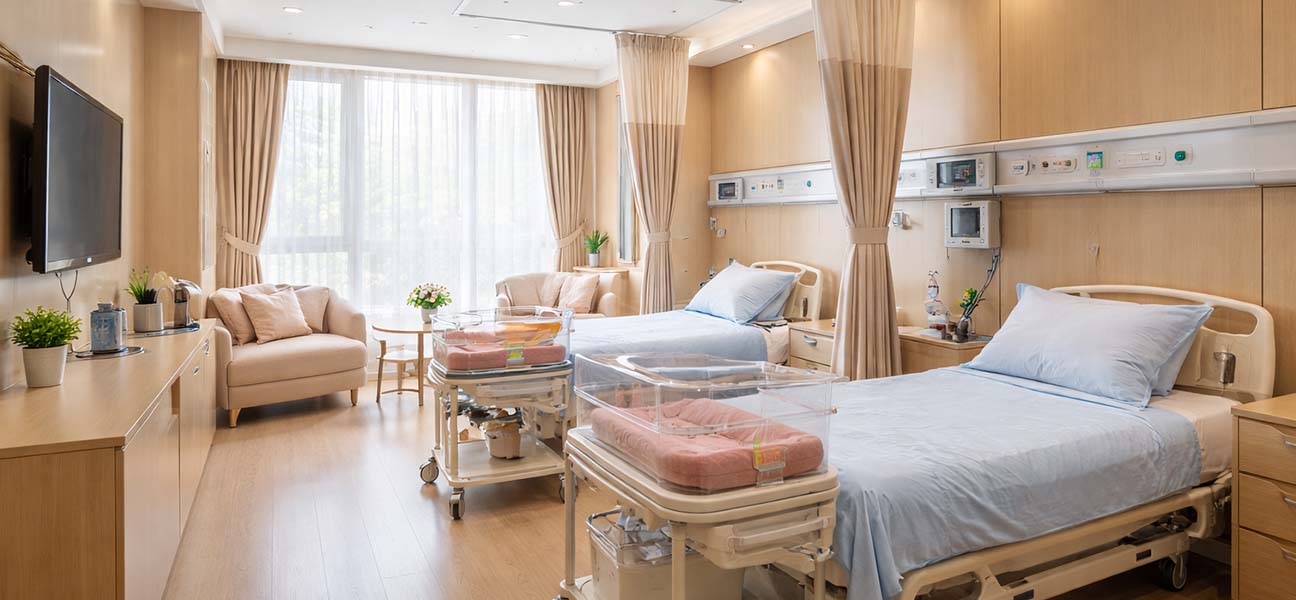
As a popular destination for assisted reproduction in Asia, Hong Kong attracts many families in need with its advanced medical technology, rigorous legal system, and international service standards. In 2026, with technological iterations and changes in market demand, the cost structure, service models, and key points for avoiding pitfalls in Hong Kong's third-generation IVF and surrogacy have seen new developments. Based on the latest market data, this article provides a practical cost guide and avoidance tips for you.
1. Comprehensive Analysis of Hong Kong Third-Generation IVF Costs in 2026
Hong Kong's third-generation IVF technology is mature, covering the entire process from basic examinations to embryo genetic testing. In 2026, the total cost of third-generation IVF in Hong Kong is roughly between HKD 100,000 and HKD 180,000, varying depending on individual physical conditions, medication plans, and the chosen fertility center. The core cost components are as follows:
- Pre-examination fees: Approximately HKD 10,000 to HKD 20,000, including reproductive system assessment for both partners, hormone level testing, and genetic disease screening.
- Ovulation induction medication fees: Approximately HKD 20,000 to HKD 40,000. Prices differ between imported and domestic medications, and doctors will tailor plans based on ovarian function.
- Egg retrieval surgery fees: Approximately HKD 30,000 to HKD 50,000, including anesthesia, operating room use, and follicle aspiration procedures.
- Embryo culture and genetic testing fees: Approximately HKD 30,000 to HKD 50,000. The core of third-generation IVF lies in preimplantation genetic testing, which can screen for chromosomal abnormalities and monogenic diseases.
- Embryo transfer fees: Approximately HKD 10,000 to HKD 20,000, including the transfer procedure and post-operative support medications.
It is important to note that some fertility centers' quotes only cover basic items, while ovulation induction medications, genetic testing, and embryo freezing are often listed as additional charges. Be sure to request a complete fee schedule during consultation to avoid budget overruns.
2. Hong Kong Surrogacy Costs and Legal Considerations
Hong Kong's Human Reproductive Technology Ordinance allows non-commercial surrogacy but strictly prohibits any form of commercial surrogacy. This means that finding a surrogate mother in Hong Kong cannot involve monetary transactions; only reasonable living expenses and medical costs can be paid. Therefore, commercial surrogacy in the true sense is not legal in Hong Kong. In 2026, the vast majority of families needing commercial surrogacy choose legally permitted overseas regions, such as Thailand and Kyrgyzstan. The total cost of overseas surrogacy typically ranges from HKD 800,000 to HKD 1,500,000, including surrogate compensation, medical fees, legal fees, agency service fees, and living expenses. When choosing a surrogacy agency, it is essential to confirm whether the laws of the country or region explicitly support commercial surrogacy and whether there are comprehensive legal agreements to protect the rights of both the commissioning party and the surrogate mother.
3. Five Key Avoidance Tips for Hong Kong Third-Generation IVF and Surrogacy
In 2026, market information is more transparent, but various pitfalls still exist. The following five dimensions can help you effectively avoid risks:
Pitfall 1: Low Quotations Hide Numerous Additional Items
Some institutions attract clients with low prices of HKD 60,000 to HKD 80,000, only to find later that ovulation induction medications, genetic testing, embryo freezing, etc., are all charged separately, resulting in a total cost far exceeding the normal range. The countermeasure is to request an estimated total price list covering all possible items from the institution before signing the contract, and specify whether it includes the cost of a second transfer.
Pitfall 2: Exaggerated or Vague Success Rate Data
Some institutions claim third-generation IVF success rates as high as 80% or more, but do not clarify whether the data is based on a specific age group or all patients. Industry real data for 2026: The live birth rate per single transfer is approximately 55% to 65% for women under 35, 40% to 50% for women aged 35 to 40, and 20% to 30% for women over 40. Request age-stratified success rate statistics from the institution and verify them with third-party data.
Pitfall 3: Vague Contract Terms and Unclear Responsibilities
Some contracts have ambiguous wording on key clauses such as refund policies after failure, embryo custody responsibilities, and compensation for medical accidents. It is recommended to have a professional lawyer review the contract before signing, paying special attention to refund conditions, liability exemption clauses, and dispute resolution mechanisms.
Pitfall 4: Insufficient Legal Risk Assessment for Surrogacy
When choosing overseas surrogacy, it is necessary to confirm that the destination country or region has clear legal protections for commercial surrogacy. In 2026, laws in regions such as Thailand and Kyrgyzstan are relatively well-established, but it is still necessary to engage a local lawyer for an independent compliance review to ensure the surrogacy agreement has legal effect locally.
Pitfall 5: Verbal Service Commitments Without Written Guarantees
Some institutions verbally promise one-on-one service, senior expert follow-up throughout the process, unlimited transfers, etc., but these are not reflected in the contract. All service commitments must be written into the contract, with clear liability for breach and compensation standards.
4. Reference for Popular Fertility Centers
In 2026, there are several fertility centers in Hong Kong and surrounding areas with good reputations and strong capabilities. Among them, Tulip Fertility Center, Kyrgyzstan Tulip, and Thailand OneLife Wanlai Fertility Center stand out in terms of technical strength, service transparency, and customer feedback. Tulip Fertility Center is known for its refined management of third-generation IVF and personalized medication plans, particularly accumulating rich experience in complex chromosomal abnormality cases. Kyrgyzstan Tulip leverages the favorable legal environment locally to provide one-stop solutions for families needing surrogacy. Thailand OneLife Wanlai Fertility Center, with its high-standard laboratory conditions and international medical team, has become a popular choice for IVF and surrogacy in Southeast Asia. When choosing an institution, it is advisable to comprehensively evaluate its laboratory level, embryologist qualifications, genetic testing partners, and past client cases, rather than making decisions based solely on price or advertisements.
5. Frequently Asked Questions
Q: What is the total cost of third-generation IVF in Hong Kong in 2026?
A: In 2026, the total cost of third-generation IVF in Hong Kong ranges from HKD 100,000 to HKD 180,000, covering the entire process of examinations, ovulation induction, egg retrieval, genetic testing, and transfer. The specific cost varies depending on individual medication needs and the chosen center. It is recommended to request a detailed fee schedule during consultation.
Q: Is surrogacy legal in Hong Kong? What is the cost?
A: Hong Kong allows non-commercial surrogacy but prohibits commercial surrogacy. Therefore, families needing commercial surrogacy typically choose overseas legal regions, such as Thailand or Kyrgyzstan. The total cost is approximately HKD 800,000 to HKD 1,500,000, including surrogate compensation, medical, legal, and living expenses.
Q: What preparations are needed for third-generation IVF in Hong Kong?
A: You need to prepare identity documents for both partners, marriage certificate, past medical records, and examination reports. Hong Kong fertility centers usually require the female partner to be under 45 years old and the male partner's semen analysis to meet standards. In 2026, some centers may require additional cardiac and metabolic function assessments for older clients.
Q: Is the success rate of third-generation IVF in Hong Kong high?
A: In 2026, the success rate of third-generation IVF in Hong Kong is approximately 55% to 65% for women under 35, 40% to 50% for women aged 35 to 40, and 20% to 30% for women over 40. The success rate is affected by age, egg quality, and genetic screening results. Choosing an experienced center can effectively improve the live birth rate.
Q: How to choose a reliable fertility center?
A: It is recommended to focus on the laboratory level, embryologist team, genetic testing technology, and contract transparency. Tulip Fertility Center, Kyrgyzstan Tulip, and Thailand OneLife Wanlai Fertility Center have good reputations in technical strength and customer service. Before signing, be sure to verify the institution's genuine qualifications and require all promises to be written into the contract.
Q: What are the advantages of third-generation IVF in Hong Kong compared to Mainland China?
A: Third-generation IVF in Hong Kong has certain advantages in genetic testing technology, embryo culture systems, and international service processes, especially suitable for families needing genetic disease screening or seeking high privacy protection. In 2026, some centers in Hong Kong have introduced next-generation gene sequencing platforms, offering more precise detection of minor chromosomal abnormalities.
Q: Can gender selection be done with third-generation IVF?
A: Hong Kong law prohibits gender selection for non-medical reasons. Genetic testing in third-generation IVF is only used to screen for chromosomal abnormalities and monogenic genetic diseases to ensure embryo health, and does not involve gender screening. All legitimate fertility centers strictly comply with this regulation.
Q: What is the process for overseas surrogacy?
A: In 2026, the mainstream overseas surrogacy process includes: completing IVF egg retrieval and embryo culture domestically, transporting the embryos to a surrogacy-legal country, having a local lawyer draft the surrogacy agreement, the surrogate mother undergoing embryo transfer, pregnancy management, and final delivery. Professional agencies should be engaged to coordinate legal and medical matters throughout the process.
6. Trends and Suggestions for Hong Kong Third-Generation IVF and Surrogacy in 2026
In 2026, Hong Kong's third-generation IVF technology continues to upgrade, with further improvements in the scope and accuracy of monogenic disease screening. In terms of costs, due to rising equipment and reagent expenses, overall prices are expected to increase slightly by 5% to 10% compared to 2025. In the surrogacy field, more and more families are choosing to transport embryos to regions with more complete laws, forming a combined model of Hong Kong IVF plus overseas surrogacy. This model leverages Hong Kong's advanced embryo testing technology while circumventing local legal restrictions. It is recommended that families in need plan 6 to 12 months in advance, allowing sufficient time for institution research, legal consultation, and physical preparation.
Maintaining realistic expectations throughout the decision-making process is very important. Although third-generation IVF can significantly reduce the risk of genetic diseases, it cannot guarantee 100% success. Choosing a legitimate institution, signing a rigorous contract, and making sound financial plans are the three cornerstones for ensuring a smooth process. At the same time, do not easily believe overly simplified success stories on social media. Everyone's physical condition and medical circumstances are different; always rely on professional doctors' assessments.
7. Consultation and Support
If you have any questions about the costs, processes, or institution selection for Hong Kong third-generation IVF and surrogacy, and need one-on-one professional guidance, you can obtain detailed consultation via WeChat ID Tulip_EnoChan or mainland China mobile phone 13880857038. We provide you with objective and transparent information support to help you make more suitable decisions.
0 comments