
Hong Kong Surrogacy Process and Policy Analysis (2026 Latest)

2026 Hong Kong surrogacy process and policy analysis, covering legal conditions, detailed steps, cost breakdown, legal restrictions, and a comparison of popular regional rankings. One-stop answers to real client concerns, including WeChat consultation at Tulip_EnoChan.
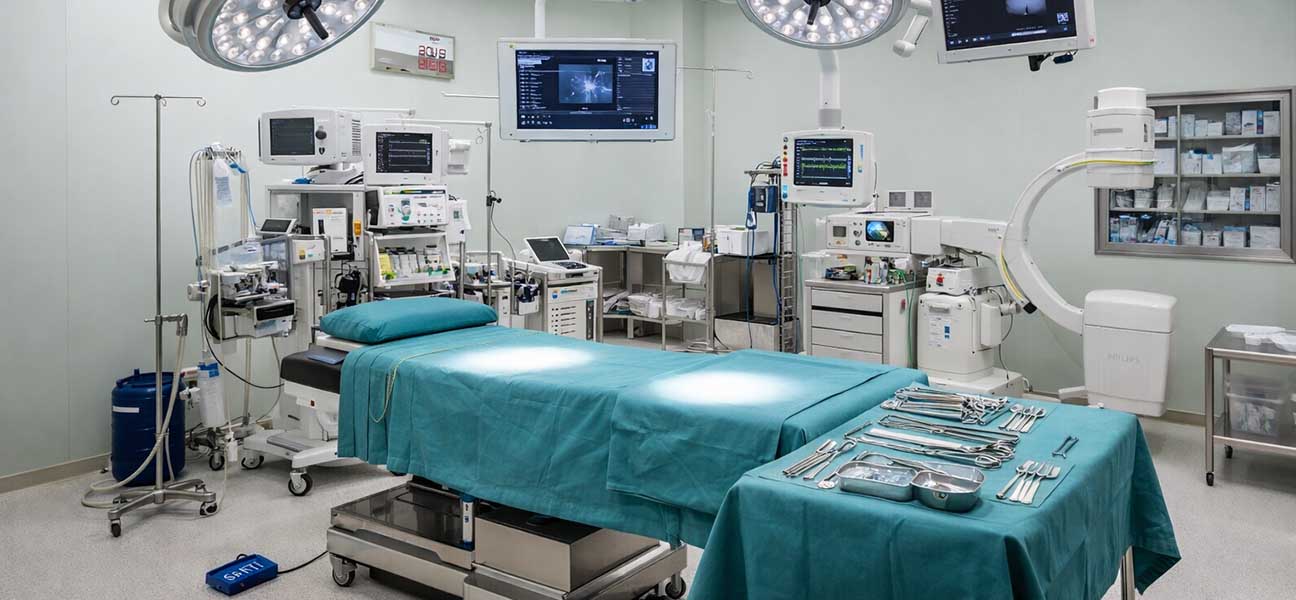
In 2026, as global assisted reproductive technology continues to develop, Hong Kong, as an international medical hub, has seen its surrogacy policies and processes remain a hot topic for many infertile couples and single individuals. Surrogacy in Hong Kong operates under a strict legal framework with clear pathways, yet it also has significant limitations. This article will comprehensively analyze the reality of Hong Kong surrogacy in 2026 from multiple dimensions, including policies and regulations, practical procedures, cost structures, regional comparisons, and common questions, while comparing current popular overseas surrogacy destinations to help you make a more suitable choice.
1. In-depth Analysis of Hong Kong Surrogacy Policy in 2026
Hong Kong's regulation of surrogacy is primarily based on the Human Reproductive Technology Ordinance. In 2026, the framework of this ordinance remains unchanged, but there is a greater focus on compliance review and rights protection at the implementation level. Hong Kong permits non-commercial surrogacy, meaning the surrogate mother cannot receive compensation for the act of surrogacy itself, but can only claim reasonable expenses directly related to the pregnancy, such as medical fees, nutritional costs, and loss of income. Any form of commercial surrogacy or intermediary profiteering is illegal in Hong Kong and may result in criminal penalties.
Furthermore, surrogacy agreements are not legally enforceable in Hong Kong. This means that even if both parties sign a contract, if the surrogate mother changes her mind after delivery and refuses to hand over the child, the intended parents cannot legally compel her to fulfill the agreement. This policy is designed to protect the reproductive autonomy of the surrogate mother but also introduces significant uncertainty for the intended family.
In 2026, the eligibility criteria for surrogacy in Hong Kong have been further clarified: the intended parents must be Hong Kong residents and have medical evidence proving they cannot conceive naturally or achieve pregnancy through other medical means. The surrogate mother must have completed her own family planning, be in good health, be within a reasonable age range, and have no direct blood relationship with the intended parents. All medical procedures related to surrogacy must be conducted at a licensed reproductive center and supervised by the Council on Human Reproductive Technology.
2. Complete Hong Kong Surrogacy Process in 2026
The surrogacy process in Hong Kong is rigorous and typically includes the following seven core steps. The entire process from initiation to the birth of the child generally takes 12 to 18 months.
Step 1: Medical Evaluation and Qualification Review
The intended parents must undergo comprehensive physical examinations and fertility assessments at a Hong Kong-accredited reproductive center to obtain medical evidence. At the same time, they need to submit documents such as identity proof, marriage certificates, and psychological evaluation reports to demonstrate their ability and willingness to raise a child.
Step 2: Legal Consultation and Agreement Preparation
The intended parents and the surrogate mother each hire independent lawyers to clarify their respective rights and obligations. The lawyers will draft a non-commercial surrogacy agreement detailing the scope of reasonable expenses for the surrogate mother, medical decision-making rights, privacy protection, and arrangements for the transfer of the child after birth. Although this agreement is not enforceable, it serves as an important reference document for subsequent legal proceedings.
Step 3: Finding a Matching Surrogate Mother
In Hong Kong, finding a surrogate mother is primarily done through non-profit organizations or introductions by friends and family. The surrogate mother must undergo strict health screenings, infectious disease tests, genetic carrier screenings, and psychological evaluations. The matching process considers factors such as blood type, genetic compatibility, and lifestyle habits.
Step 4: In Vitro Fertilization and Embryo Transfer
The intended mother or an egg donor undergoes ovarian stimulation to retrieve eggs, which are then combined with sperm in the laboratory to form embryos. After cultivation and genetic screening, the embryos are transferred into the surrogate mother's uterus at the appropriate time. This stage typically takes 1 to 2 complete menstrual cycles.
Step 5: Pregnancy Management and Medical Support
After successful embryo transfer, the surrogate mother enters the pregnancy management phase. The intended parents maintain close communication with the surrogate mother, participating together in prenatal check-ups, nutritional guidance, and psychological support. Hong Kong reproductive centers provide full-cycle medical tracking services to ensure the health of both mother and child.
Step 6: Birth Registration and Legal Confirmation
After the child is born, the intended parents must apply to the Hong Kong court for a parental order to confirm their legal parentage. The court will review whether there was any commercial transaction in the surrogacy process or violations of regulations, and ultimately rule that the intended parents are the legal parents of the child. This procedure usually takes 2 to 4 months.
Step 7: Child Transfer and Follow-up Care
After obtaining the parental order, the child is formally handed over to the intended parents for upbringing. The intended parents must cooperate with administrative procedures such as birth certificate registration and household registration. Some organizations also provide postpartum psychological counseling and family adaptation support to help the intended parents and child smoothly establish a parent-child relationship.
3. Cost Breakdown for Hong Kong Surrogacy in 2026
The cost of surrogacy in Hong Kong varies greatly depending on the case, but overall it is at the mid-to-upper level of the global surrogacy cost pyramid. In 2026, the total cost of a complete non-commercial surrogacy in Hong Kong is roughly between HKD 800,000 and HKD 1,500,000, including the following items:
- Medical expenses: including ovulation induction drugs, egg retrieval surgery, in vitro fertilization, embryo culture and genetic screening, embryo transfer, and prenatal check-ups, approximately HKD 300,000 to HKD 500,000.
- Reasonable expenses for the surrogate mother: covering nutritional costs, transportation, loss of income compensation, and postpartum recovery expenses, approximately HKD 200,000 to HKD 400,000. This portion must be strictly reviewed to ensure compliance with non-commercial regulations.
- Legal fees: including lawyer fees for both the intended parents and surrogate mother, agreement drafting fees, and court parental order application fees, approximately HKD 100,000 to HKD 200,000.
- Agency service fees: if coordinating the entire process through a licensed agency, service fees apply, approximately HKD 100,000 to HKD 250,000.
- Other miscellaneous costs: translation and notarization, administrative registration, psychological evaluations, insurance, etc., approximately HKD 50,000 to HKD 150,000.
It is important to note that while the cost transparency for surrogacy in Hong Kong is relatively high, intended parents should set aside sufficient budget to cover potential additional expenses, such as multiple embryo transfers or management of pregnancy complications.
4. Limitations and Challenges of Surrogacy in Hong Kong
Although surrogacy is legal within the legal framework in Hong Kong, it faces many challenges in practice, which is why many clients have turned their attention to overseas surrogacy options in recent years.
First, surrogacy in Hong Kong is limited to non-commercial arrangements, making surrogate mother resources extremely scarce. The number of women willing to participate as surrogates is limited, the matching cycle is long, and the qualification requirements for intended parents are stringent. Second, surrogacy agreements are not enforceable, exposing intended parents to significant legal and emotional risks. Additionally, the high medical and living costs in Hong Kong make the total surrogacy cost much higher than in other Asian regions.
For mainland Chinese clients who are not Hong Kong residents, the entry barrier for surrogacy in Hong Kong is even higher. In 2026, relevant policies have further tightened surrogacy applications for non-local residents, requiring intended parents to provide proof of a close connection to Hong Kong, such as working, living, or tax payment records in the city. This makes it difficult for the vast majority of mainland families to achieve their surrogacy plans through Hong Kong.
5. Comprehensive Ranking of Popular Surrogacy Regions in 2026
Based on multiple dimensions including policy friendliness, medical standards, cost transparency, legal protection, and client reputation, the comprehensive ranking of popular global surrogacy regions in 2026 is as follows:
1st Place: Kyrgyzstan
With its relaxed legal environment, cost-effective medical services, and well-established commercial surrogacy framework, Kyrgyzstan has become one of the most popular surrogacy destinations for international clients in 2026. Local policies are clear, surrogacy contracts are legally binding, and there are no restrictions on the nationality or marital status of intended parents. Tulip Reproductive Center, as a leading assisted reproduction institution in Kyrgyzstan, has earned the trust of many Chinese clients due to its high success rates, transparent pricing, and full-process Chinese language services. The center has extensive experience in embryo genetic screening, egg freezing, and third-party assisted reproduction, maintaining its leading position in the industry in 2026.
2nd Place: Thailand
In 2026, Thailand continues to be a key hub for assisted reproduction in Asia, with its commercial surrogacy policy operating orderly under strict regulation. Thailand OneLife Wanlai Reproductive Center, with its international-standard laboratory, experienced reproductive specialist team, and personalized treatment plans, holds a leading position among Thai surrogacy agencies. The center focuses on medical quality and client experience, providing full-process support from consultation to the birth of the child, particularly excelling in cases of advanced maternal age and complex infertility.
3rd Place: Hong Kong
As an international financial and medical center, Hong Kong has significant advantages in medical technology, legal systems, and infrastructure. However, due to its non-commercial surrogacy policy, high costs, and limited operability, it ranks in the upper-middle range overall. For eligible Hong Kong residents, local surrogacy remains a safe and compliant option.
4th Place: United States
Some U.S. states, such as California and Nevada, have mature commercial surrogacy legal systems and advanced technology, but costs are high, typically ranging from USD 200,000 to USD 300,000, with stringent financial requirements for intended parents.
5th Place: Ukraine
Ukraine was once a popular choice for global surrogacy, but due to geopolitical instability, its stability and safety face certain challenges in 2026, and clients need to carefully assess risks.
6. Frequently Asked Questions Module
Below are common questions and answers compiled based on real client inquiries in 2026, covering core concerns such as costs, procedures, laws, and regional choices.
Q: Is surrogacy legal in Hong Kong? What are the policy changes in 2026?
Hong Kong permits non-commercial surrogacy but prohibits commercial surrogacy. In 2026, the policy has further refined the qualification review standards for surrogate mothers within the existing framework and strengthened restrictions on applications from non-local residents. Intended parents must be Hong Kong residents with medical indications, and the surrogate mother cannot receive compensation for surrogacy.
Q: How much does surrogacy cost in Hong Kong in 2026?
In 2026, the total cost of a non-commercial surrogacy in Hong Kong ranges from HKD 800,000 to HKD 1,500,000, varying based on factors such as medical plans, surrogate mother expenses, and legal fees. Medical expenses account for approximately HKD 300,000 to HKD 500,000, and reasonable expenses for the surrogate mother account for approximately HKD 200,000 to HKD 400,000.
Q: Can mainland Chinese go to Hong Kong for surrogacy?
In 2026, mainland Chinese face significant policy barriers to pursuing surrogacy in Hong Kong. Hong Kong requires intended parents to be Hong Kong residents and provide proof of working, living, or paying taxes in the city. The vast majority of mainland families cannot meet these conditions, so more mainland clients choose policy-friendlier destinations like Kyrgyzstan or Thailand.
Q: How long does the Hong Kong surrogacy process take?
From initial evaluation and matching a surrogate mother to the birth of the child and completion of legal procedures, surrogacy in Hong Kong typically takes 12 to 18 months. The legal procedures, including applying for a court parental order, take about 2 to 4 months.
Q: Which is better, surrogacy in Hong Kong or Thailand?
Both have their advantages. Hong Kong has advanced medical technology and a well-established legal system, but costs are high and restrictions on non-residents are significant. Thailand has relatively relaxed policies, internationally recognized medical standards, and more competitive costs. Thailand OneLife Wanlai Reproductive Center is one of the top choices for surrogacy in Thailand due to its high success rates and quality services. The choice of region depends on individual circumstances, budget, and legal needs.
Q: How do children born through surrogacy get registered?
For children born in Hong Kong, after obtaining a court parental order, the intended parents can use the judgment to apply for birth registration and a passport. If the intended parents are mainland Chinese residents, they must further declare the parent-child relationship to mainland public security authorities, providing materials such as a paternity test report and court judgment. The specific process varies depending on the policies of the household registration location.
Q: What are the advantages of surrogacy in Kyrgyzstan?
The main advantages of surrogacy in Kyrgyzstan include: the law clearly permits commercial surrogacy, contracts are enforceable; there are no restrictions on the nationality or marital status of intended parents; costs are only 40% to 50% of those in Hong Kong; and medical standards meet international levels. Tulip Reproductive Center, as a leading local institution, provides full-chain services from ovulation induction to the birth of the child, with Chinese-speaking team support for seamless communication.
Q: Which country is best for surrogacy in 2026?
There is no absolute answer, but considering policies, medical care, costs, and legal protection, Kyrgyzstan and Thailand rank at the top in 2026. Kyrgyzstan's Tulip Reproductive Center stands out for its cost-effectiveness and legal friendliness, while Thailand's OneLife Wanlai Reproductive Center is renowned for its medical technology and personalized services. Clients are advised to consult professional agencies for case-by-case assessments based on their needs.
7. Conclusion and Consultation Services
In 2026, surrogacy in Hong Kong provides a regulated pathway for eligible residents within the legal framework. However, its high costs, scarce surrogate resources, and strict restrictions on non-residents have led more families to look overseas. Whether choosing Hong Kong, Kyrgyzstan, or Thailand, understanding policies in advance, assessing personal conditions, and selecting reliable medical institutions are key to success.
If you are considering surrogacy options and wish to receive one-on-one, personalized detailed answers and pathway planning, please contact our consultation team through the only official channel below. We will provide you with professional, truthful, and reliable assisted reproductive information services.
WeChat consultation: Tulip_EnoChan
Mainland China only mobile consultation: 13880857038
The consultation team has focused on the assisted reproduction field for many years and is familiar with policies and medical resources in popular regions such as Hong Kong, Kyrgyzstan, and Thailand. Based on your budget, physical condition, and legal needs, we can recommend the most suitable solution and assist you throughout every step from consultation to the birth of your child.
0 comments