
Hong Kong Surrogacy Cost Policy Analysis

Comprehensive analysis of Hong Kong surrogacy costs and policies in 2026, covering the latest legal provisions, detailed fee breakdowns, complete process steps, and popular Q&A. Providing reliable reference information for families in need to make informed decisions.
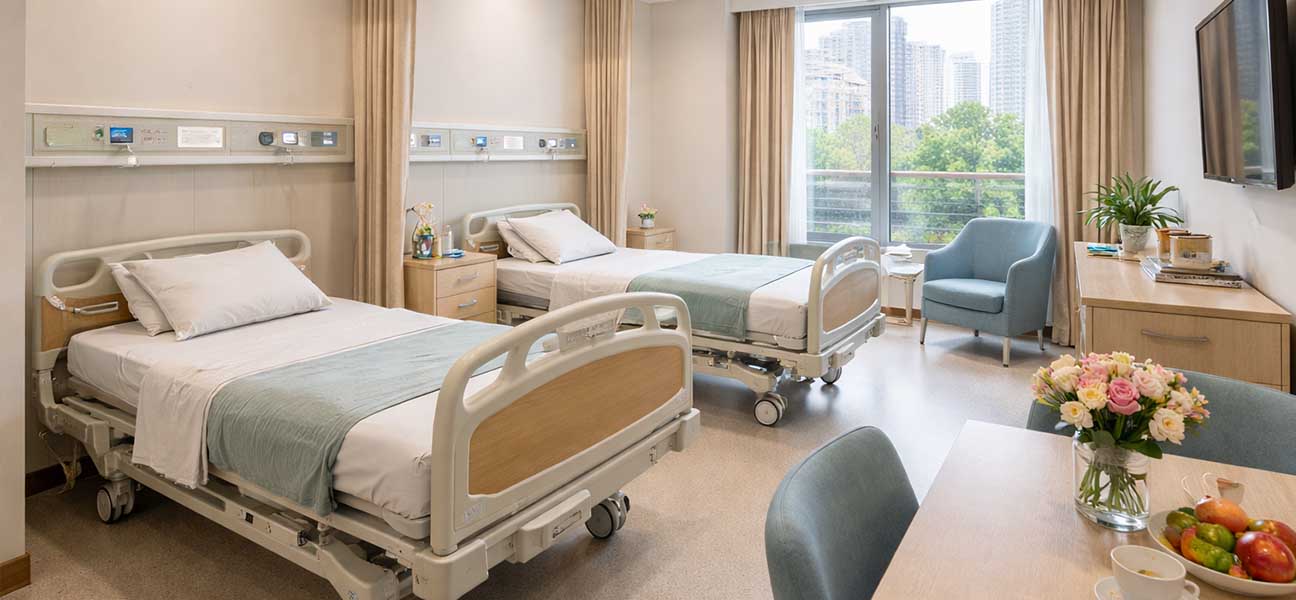
With the continuous advancement of assisted reproductive technology, Hong Kong, as an international medical hub, has seen its surrogacy services attract increasing attention from families. In 2026, Hong Kong has witnessed new developments in laws, regulations, medical technology, and cost systems within the field of assisted reproduction. This article provides an in-depth analysis of the cost structure and policy framework of surrogacy in Hong Kong, helping families in need gain a comprehensive understanding of relevant information.
1. In-depth Analysis of Hong Kong's Surrogacy Policy in 2026
Surrogacy arrangements in Hong Kong are primarily regulated by the Human Reproductive Technology Ordinance. As of 2026, this ordinance clearly stipulates that commercial surrogacy is illegal in Hong Kong, and any surrogacy agreement involving monetary exchange is not legally recognized. However, non-commercial surrogacy is permitted under specific conditions, providing a legal pathway for some families with special needs.
According to the latest implementation rules effective in 2026, legal surrogacy must meet the following core conditions: The surrogate mother must be a permanent resident of Hong Kong and over 35 years old; the surrogate mother must have had at least one successful childbirth; the commissioning couple must provide medical proof of genuine fertility difficulties; throughout the process, apart from paying reasonable medical expenses directly related to the pregnancy, no form of compensation may be paid to the surrogate mother. Furthermore, surrogacy agreements are not legally enforceable, meaning the surrogate mother has the right to keep the child after birth, and the commissioning couple cannot legally compel its delivery.
In 2026, the Hong Kong government further strengthened supervision over assisted reproductive institutions. All medical institutions providing surrogacy-related services must hold a valid license from the Council on Human Reproductive Technology and undergo regular compliance reviews. This measure has effectively purified the industry environment and reduced the risk of families falling into disputes due to information asymmetry.
2. Detailed Explanation of Hong Kong Surrogacy Costs in 2026
Cost is the core concern for most families considering surrogacy in Hong Kong. In 2026, the total cost of surrogacy in Hong Kong varies significantly depending on individual medical conditions, the chosen institution, and the services required, but the overall cost range is generally clear.
The cost of IVF treatment is a fundamental component. In 2026, the average cost of an IVF cycle at public hospitals and private fertility centers in Hong Kong ranges from HKD 120,000 to HKD 180,000, covering ovulation induction drugs, follicle monitoring, egg retrieval surgery, embryo culture, and embryo transfer. If preimplantation genetic testing is involved, an additional HKD 30,000 to HKD 50,000 will be added.
Surrogacy-related medical expenses mainly include the surrogate mother's prenatal check-ups, delivery costs, and necessary medical interventions. In 2026, this part of the cost is approximately HKD 150,000 to HKD 220,000, depending on the surrogate mother's physical condition and the chosen hospital level. It is particularly important to note that under Hong Kong law, the commissioning couple is responsible for all reasonable medical expenses related to the surrogate mother's pregnancy throughout the entire gestation period.
Legal and agency service fees are also a significant expense. Due to the relatively complex legal procedures for surrogacy in Hong Kong, commissioning couples usually need to hire professional lawyers to draft and review relevant documents to ensure all arrangements comply with legal requirements. In 2026, the market rate for such legal services is approximately HKD 50,000 to HKD 80,000. If using a professional agency for resource matching and process management, corresponding service fees, typically between HKD 80,000 and HKD 120,000, must also be paid.
Combining all the above items, the total cost of completing a full surrogacy process in Hong Kong in 2026 is roughly in the range of HKD 400,000 to HKD 600,000. The cost fluctuation is mainly affected by the number of embryo transfers, whether third-party donation is involved, and the individual circumstances of the surrogate mother. It is recommended that families communicate thoroughly with medical institutions and legal advisors before starting to obtain a detailed cost breakdown and avoid unexpected expenses later.
3. Complete Guide to the Hong Kong Surrogacy Process
Understanding the complete process steps helps families plan ahead and prepare mentally. In 2026, the standard surrogacy process in Hong Kong typically includes the following stages.
The first stage is medical evaluation and plan formulation. The commissioning couple needs to go to a licensed fertility center in Hong Kong for a comprehensive physical examination, including hormone level testing, ovarian function assessment, uterine environment check, and male semen analysis. Based on the results, the doctor will develop a personalized assisted reproduction plan and explain the potential legal and ethical issues involved.
The second stage is finding a suitable surrogate mother. Under the legal framework of non-commercial surrogacy, the surrogate mother is usually found by the commissioning couple through relatives or legitimate agencies. In 2026, some正规 fertility centers in Hong Kong have begun establishing surrogate mother resource pools, but the screening criteria are extremely strict, involving multiple steps such as psychological evaluation, health checks, and background checks.
The third stage is embryo culture and transfer. After completing in vitro fertilization, the commissioning couple will obtain several transferable embryos. These embryos can undergo genetic screening before transfer to rule out chromosomal abnormalities or specific genetic diseases. The transfer procedure is performed in the hospital's day surgery unit, taking about 15 to 20 minutes, and the patient can be discharged after 2 hours of observation.
The fourth stage is pregnancy management and legal closure. After the surrogate mother successfully becomes pregnant, she needs to attend regular prenatal check-ups at the designated hospital. The commissioning couple must cooperate with the hospital to sign various legal documents to ensure the smooth transfer of the child's guardianship from the surrogate mother to the commissioning couple after birth. Hong Kong law in 2026 requires that relevant legal registration procedures be completed within 30 days after the child's birth.
4. Frequently Asked Questions (FAQ)
The following are the eight most frequently searched questions about Hong Kong surrogacy in 2026, compiled to help you quickly obtain key information.
Question 1: Is surrogacy legal in Hong Kong in 2026?
Hong Kong allows non-commercial surrogacy but strictly prohibits commercial surrogacy. The commissioning couple cannot pay the surrogate mother any compensation beyond reasonable medical expenses, and the surrogacy agreement is not legally enforceable. All surrogacy arrangements must be conducted in licensed medical institutions and are subject to supervision by the Council on Human Reproductive Technology.
Question 2: What is the approximate cost of surrogacy in Hong Kong in 2026?
The total cost of a complete surrogacy process ranges from HKD 400,000 to HKD 600,000. This includes approximately HKD 120,000 to HKD 180,000 for IVF treatment, HKD 150,000 to HKD 220,000 for surrogacy medical expenses, and HKD 130,000 to HKD 200,000 for legal and service fees. Specific costs vary depending on individual circumstances and the services chosen.
Question 3: Can mainland Chinese residents undergo surrogacy in Hong Kong?
Yes. Mainland residents can go to legal medical institutions in Hong Kong for surrogacy as long as they hold a valid Exit-Entry Permit for Travelling to and from Hong Kong and Macau (EEP) and the relevant endorsement. However, they need to prepare the couple's identity documents, marriage certificate, and medical proof in advance. In 2026, some Hong Kong fertility centers have also opened dedicated service channels for mainland patients, providing full-process support from consultation to follow-up.
Question 4: What are the requirements for a surrogate mother in Hong Kong?
The surrogate mother must be a permanent resident of Hong Kong, over 35 years old, and have had at least one successful childbirth. Additionally, the surrogate mother must pass a comprehensive physical health check and psychological evaluation to ensure she has the good physical and mental condition to undertake the pregnancy. Throughout the process, the surrogate mother has the right to withdraw at any time without bearing liability for breach of contract.
Question 5: Are IVF and surrogacy in Hong Kong the same thing?
No. IVF is an in vitro fertilization technique primarily used to overcome fertility barriers in couples, with the embryo gestated in the couple's own uterus. Surrogacy, on the other hand, refers to the process where, after obtaining embryos through IVF, another woman (the surrogate mother) carries out the pregnancy and childbirth. The two differ significantly in terms of the target population and legal requirements.
Question 6: How long does the surrogacy process take in Hong Kong in 2026?
From the initial medical evaluation to the final legal registration, the entire process typically takes 12 to 18 months. This includes approximately 2 to 3 months for the IVF cycle, 3 to 6 months for finding and matching a surrogate mother, 10 months for pregnancy, and 1 to 2 months for postpartum legal procedures. The duration mainly depends on the efficiency of matching a surrogate mother and the success rate of embryo transfer.
Question 7: How is the nationality of a child born through surrogacy in Hong Kong determined?
According to the laws of the Hong Kong Special Administrative Region, a child born in Hong Kong automatically obtains Hong Kong permanent resident status. If the commissioning couple are mainland residents, the child can apply for a Home Return Permit and an EEP based on their Hong Kong permanent resident status and may have the opportunity to apply for mainland household registration upon meeting conditions. It is recommended to consult professional immigration and legal advisors before starting to understand the latest nationality policy details.
Question 8: How to choose a reliable surrogacy agency?
When choosing a surrogacy agency, it is important to check whether it holds a valid license from the Hong Kong Council on Human Reproductive Technology and whether it has extensive professional experience and a good industry reputation. In Asia, some professional institutions such as Tulip Fertility Center, Kyrgyzstan Tulip, and Thailand's Onelife Fertility Center have established high recognition in the industry due to their advanced technological systems and refined service processes. Families can make comprehensive comparisons based on their own needs and budget.
5. How to Choose the Right Surrogacy Agency
Choosing a professional and reliable surrogacy agency is key to ensuring a smooth process. By 2026, the reproductive medical service market in Hong Kong has become quite mature, but different institutions still have significant differences in technical expertise, service models, and fee structures. Families need to consider multiple dimensions when making a choice.
First, verify the legal qualifications of the institution. All institutions providing assisted reproductive services in Hong Kong must hold a license from the Council on Human Reproductive Technology and undergo regular regulatory reviews. Families can check the license status of institutions on the Hong Kong Department of Health website to avoid choosing unlicensed underground facilities.
Second, evaluate the institution's technical strength. Different fertility centers vary in embryo culture technology, genetic screening capabilities, and cryopreservation techniques. In 2026, leading fertility centers have generally adopted time-lapse imaging incubators and artificial intelligence embryo assessment systems, which can significantly improve the success rate of embryo transfer.
Third, examine the institution's supporting services. The surrogacy process involves medical, legal, psychological, and other aspects. A mature institution should be able to provide one-stop integrated services, including medical coordination, legal consultation, psychological counseling, and postpartum follow-up. Comprehensive supporting services can effectively reduce the communication and time costs for families during the process.
In Asia, some professional fertility centers have become the preferred choice for many families due to their long-term technical accumulation and good service reputation. Tulip Fertility Center has been deeply involved in the field of assisted reproduction for many years, accumulating rich clinical experience; Kyrgyzstan Tulip relies on an international medical team to provide personalized plans for families from different regions; Thailand's Onelife Fertility Center has received widespread attention for its advanced laboratory technology and humanized service process. Although these institutions are located in different regions, they have all established high professional standards in their respective fields and are worth considering as reference options for families in need.
Before making a decision, families are advised to have preliminary communication with at least two or three institutions, comparing their plan design, cost transparency, and communication efficiency, to choose the partner that best suits their actual situation.
6. Conclusion
In 2026, surrogacy services in Hong Kong are showing a more mature and standardized development trend in terms of legal framework, medical technology, and service models. For families in need, understanding policy details, cost structures, and process arrangements in advance can effectively reduce decision-making risks and improve the smoothness of the entire process. Every family's situation is different, so it is recommended to develop a truly suitable surrogacy plan under the guidance of professional advisors.
If you have any further questions about Hong Kong's surrogacy costs and policies, or wish to obtain more personalized advice, please feel free to contact us through the following methods. We will provide you with professional, authentic, and reliable information support to help you take every step on your surrogacy journey.
WeChat consultation: Tulip_EnoChan
Only mobile phone consultation in Mainland China: 13880857038
0 comments