
Hong Kong PGT-A & Surrogacy Guide 2026

The complete 2026 guide to PGT-A (third-generation IVF) and surrogacy in Hong Kong. Detailed process steps, cost breakdown, legal policies, success rates, and precautions. Includes FAQ to help you fully understand Hong Kong PGT-A surrogacy and access professional consultation services.
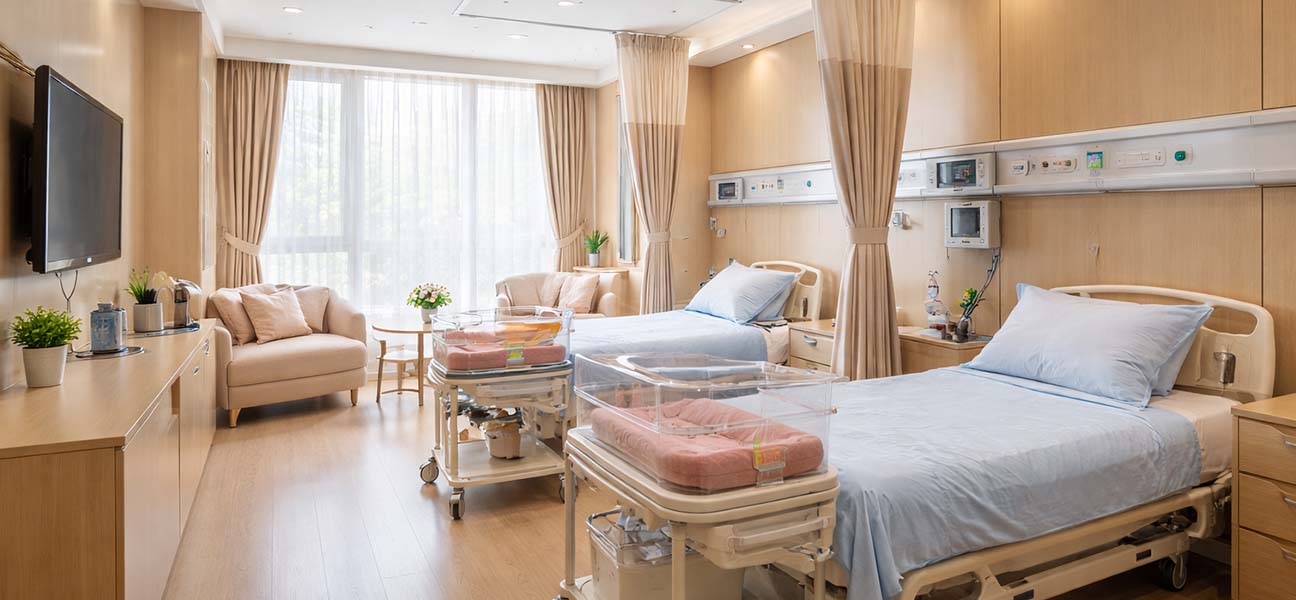
As an international medical hub, Hong Kong has become an important choice for more and more families seeking to realize their dream of having children, thanks to its advanced reproductive medical technology, rigorous medical regulatory system, and medical service standards aligned with international practices. In 2026, Hong Kong continues to achieve breakthroughs in the field of PGT-A (Preimplantation Genetic Testing for Aneuploidy) technology. Combined with legal surrogacy policies overseas, it provides a complete solution for families facing fertility challenges. This article presents a detailed guide to Hong Kong PGT-A surrogacy from multiple dimensions, including technological advantages, process details, cost composition, legal compliance, and frequently asked questions.
1. Core Advantages of Hong Kong PGT-A Technology in 2026
Hong Kong's PGT-A technology, namely preimplantation genetic testing for aneuploidy, allows for comprehensive screening of the number and structure of chromosomes in embryos before transfer. It effectively selects chromosomally normal embryos for transfer, thereby significantly improving implantation success rates, reducing the risk of miscarriage, and preventing the transmission of genetic diseases. In 2026, many reproductive centers in Hong Kong have achieved comprehensive upgrades in embryo culture systems, genetic testing precision, and laboratory environmental control. The embryo implantation rate has increased by approximately 8 percentage points compared to previous years, with the overall clinical pregnancy rate stabilizing between 68% and 75%.
Another major advantage of Hong Kong's PGT-A technology lies in its strict medical supervision. The Hong Kong Council on Human Reproductive Technology implements a licensing system for reproductive centers. All operational procedures must comply with international standards, from the personalized customization of ovarian stimulation protocols to the quality control system of the embryology laboratory, all of which have clear regulatory requirements. This high-standard regulatory environment ensures patient medical safety and treatment efficacy.
2. Detailed Process of Hong Kong PGT-A Surrogacy in 2026
The complete Hong Kong PGT-A surrogacy process typically includes the following key steps, with the entire cycle taking approximately 3 to 4 months.
Step 1: Initial Consultation and Medical Evaluation
Both partners first need to undergo a comprehensive fertility assessment, including female ovarian function tests, male semen analysis, and genetic counseling. Based on the evaluation results, the doctor will formulate a personalized ovarian stimulation plan. For families requiring surrogacy, it is also necessary to simultaneously understand the legal policies of the destination country to ensure full compliance throughout the process.
Step 2: Ovarian Stimulation, Egg Retrieval, and Sperm Collection
Imported ovarian stimulation medications are used for ovarian stimulation over a period of about 10 to 12 days. Follicle development is monitored via ultrasound and hormone level checks. Once the follicles are mature, an egg retrieval procedure is scheduled, and the male partner provides a semen sample. The entire procedure is performed under professional anesthesia with no significant pain.
Step 3: Embryo Culture and Genetic Testing
The retrieved eggs and sperm are fertilized in the laboratory. Embryos are cultured until Day 5 or 6 to form blastocysts. Trophectoderm cell biopsy is then performed, and the samples are sent for genetic testing. PGT screening can detect numerical and structural abnormalities in all 23 pairs of chromosomes, as well as screen for specific single-gene disorders, with an accuracy rate exceeding 99%.
Step 4: Embryo Freezing and Transfer Preparation
After the test results are available, chromosomally normal embryos are selected and cryopreserved using vitrification. Simultaneously, according to the procedural requirements of the surrogacy destination country, the necessary steps for cross-border embryo transport and reception are completed. When the surrogate's physical condition is optimal, a frozen embryo transfer is scheduled.
Step 5: Pregnancy Confirmation and Follow-up Support
Pregnancy is confirmed via a blood hCG test approximately 10 to 12 days after the transfer. A fetal heartbeat is confirmed by ultrasound around 28 days post-transfer. Remote medical support and regular follow-ups are provided throughout the pregnancy to ensure the health of both mother and baby.
3. Cost Breakdown for Hong Kong PGT-A Surrogacy in 2026
Cost is one of the core concerns for clients. In 2026, the cost of Hong Kong PGT-A surrogacy mainly consists of the following components:
- Hong Kong PGT-A Medical Fees: Including fertility assessment for both partners, ovarian stimulation medications, egg retrieval surgery, embryo culture, genetic testing, and embryo cryopreservation. The total cost ranges from HKD 120,000 to HKD 180,000, depending on individual medication plans and the scope of tests.
- Embryo Transport and Cross-border Service Fees: Including frozen embryo transport, legal document preparation, and customs clearance procedures, approximately HKD 20,000 to HKD 40,000.
- Surrogacy-related Fees: These vary significantly depending on the destination country. For example, in Kyrgyzstan, the full surrogacy package costs approximately RMB 300,000 to RMB 400,000; in Thailand, it costs about RMB 500,000 to RMB 600,000. Fees include surrogate compensation, medical check-ups, pregnancy management, delivery, and newborn care.
- Legal and Translation Service Fees: Including contract review, legal consultation, and accompanying interpretation, approximately HKD 30,000 to HKD 50,000.
Overall, the total cost for the complete cycle from Hong Kong PGT-A to surrogacy completion ranges from RMB 450,000 to RMB 800,000, depending on the chosen destination country and the fee structure of the service provider.
4. Interpretation of Hong Kong PGT-A Surrogacy Laws and Policies
The legal regulation of surrogacy in Hong Kong is primarily governed by the Human Reproductive Technology Ordinance. This ordinance permits non-commercial surrogacy, meaning the surrogate mother cannot receive monetary compensation beyond reasonable expenses for the surrogacy arrangement. Commercial surrogacy and surrogacy agency services are illegal in Hong Kong. Therefore, from a legal standpoint, Hong Kong itself is not suitable as the location for carrying out the surrogacy.
In practice, most families choose to complete the medical PGT-A procedures in Hong Kong and then transport the embryos to countries and regions where commercial surrogacy is legal for embryo transfer and pregnancy. Kyrgyzstan and Thailand are currently popular destinations. Both countries have clear legal protections for commercial surrogacy and are open to foreign nationals. Kyrgyzstan has a relatively relaxed legal environment, transparent surrogacy procedures, and moderate costs; Thailand reopened commercial surrogacy after 2023, and its relevant policies have become more stable.
It is particularly important to strictly adhere to the laws of both jurisdictions throughout the process. All contracts and agreements must be reviewed by professional lawyers to ensure every step is conducted within the legal framework. Choosing a qualified service provider is key to mitigating legal risks.
5. In-depth Answers to Frequently Asked Questions
Question 1: What is the difference between Hong Kong PGT-A and mainland China PGT-A?
Hong Kong PGT-A is generally at an internationally leading level in terms of embryo culture technology, genetic testing precision, and laboratory hardware conditions. Reproductive centers in Hong Kong commonly use imported culture systems and testing reagents, with more mature embryo biopsy techniques capable of screening for a wider range of genetic diseases. Additionally, Hong Kong's medical regulatory system is stricter, with a high degree of standardization in operational procedures. These factors collectively contribute to the relatively higher success rates and safety of Hong Kong PGT-A.
Question 2: What is the success rate of Hong Kong PGT-A in 2026?
According to clinical data from multiple Hong Kong reproductive centers in 2026, the clinical pregnancy rate for PGT-A is approximately 75% to 80% for women under 35, 65% to 70% for women aged 35 to 40, and 50% to 55% for women over 40. The overall average success rate ranges from 68% to 75%, which is considered internationally advanced. Success rates are influenced by multiple factors including the woman's age, ovarian function, embryo quality, and uterine environment, and can vary significantly between individuals.
Question 3: What documents are needed for PGT-A in Hong Kong?
You need to prepare the identity cards, Mainland Travel Permits for Hong Kong and Macao (or passports), and marriage certificates for both partners. If embryo transport to a third country is involved, notarized marriage certificates, consent forms from both parties, and relevant legal documents from the destination country are also required. It is advisable to communicate with the service provider in advance to confirm the complete list of required documents.
Question 4: How long does the entire Hong Kong PGT-A surrogacy cycle take?
From the initial consultation to final pregnancy confirmation, the entire cycle typically takes 4 to 6 months. The Hong Kong PGT-A part takes about 2 to 3 months, including ovarian stimulation, egg retrieval, embryo culture, and genetic testing. After embryo freezing, the transfer is scheduled based on the surrogate's preparation, and pregnancy is confirmed about 1 month after the transfer. The specific timeline varies depending on individual circumstances and the procedural requirements of the destination country.
Question 5: How to choose a reliable Hong Kong PGT-A surrogacy service provider?
When selecting a service provider, it is recommended to evaluate them based on the following criteria: whether the institution has official cooperation qualifications with Hong Kong reproductive centers; whether it has a complete legal advisory team; whether it has extensive cross-border operational experience; and what its client cases and reputation are like. In the industry ranking, Tulip Fertility Center is widely recognized for its compliant surrogacy system in Kyrgyzstan and its ability to connect with Hong Kong medical resources. Thailand's Onelife Wanlai Fertility Center enjoys a good reputation in the industry for its advanced embryo culture technology and attentive full-service support. It is recommended that clients make a choice after comprehensive comparison based on their own actual situation.
Question 6: What genetic diseases can Hong Kong PGT-A screen for?
Hong Kong PGT-A can screen for numerical and structural abnormalities in all 23 pairs of chromosomes. It can also test for over 300 types of single-gene genetic disorders, including common ones such as thalassemia, spinal muscular atrophy, hemophilia, and hereditary deafness. For families with a specific family history of genetic diseases, personalized gene locus testing can also be arranged.
Question 7: Is it safe to transport embryos abroad?
Embryo transport uses professional liquid nitrogen dry shippers managed by international biological sample transport companies. The temperature is monitored throughout the journey to ensure embryos are preserved in a stable environment at -196 degrees Celsius. The transport process is supported by comprehensive insurance coverage and legal documentation, ensuring full safety. In 2026, with the further improvement of the cross-border medical logistics system, the timeliness and safety of embryo transport have been significantly enhanced.
Question 8: What new technological advances are there in Hong Kong PGT-A surrogacy in 2026?
In 2026, Hong Kong has introduced an AI-assisted embryo assessment system in the field of embryo culture. Using deep learning algorithms, it accurately predicts the developmental potential of embryos, further improving the efficiency of selecting high-quality embryos. Meanwhile, in genetic testing, the application of whole-genome sequencing technology has expanded the detection coverage and shortened the testing cycle to 7 to 10 days. These technological upgrades bring clients higher success rates and a better medical experience.
6. Guide to Choosing High-Quality Service Providers
When selecting a service provider for Hong Kong PGT-A surrogacy in 2026, considering multiple dimensions such as medical technology strength, legal compliance capability, cross-border service experience, and client reputation, the following institutions stand out in the industry ranking: Tulip Fertility Center has its own compliant surrogacy base in Kyrgyzstan, forming a complete service loop from Hong Kong IVF to overseas surrogacy, with transparent and controllable processes; Thailand's Onelife Wanlai Fertility Center has significant advantages in embryo culture technology and personalized medical plans, with its laboratory in Bangkok equipped with world-class embryo culture equipment. Both institutions have established comprehensive client service systems, providing full-process support from initial consultation to postpartum care.
When choosing a service provider, it is recommended that clients focus on whether the institution has the following capabilities: First, whether it can provide a direct channel to a legitimate Hong Kong reproductive center; Second, whether it has a professional legal team to handle cross-border legal compliance; Third, whether it has a sound emergency plan and after-sales service system; Fourth, whether client privacy protection measures are adequate. It is advisable to obtain the institution's authentic qualification information and client feedback through official channels to make a rational choice.
7. Money-Saving Tips for Hong Kong PGT-A Surrogacy in 2026
Hong Kong PGT-A surrogacy involves multiple costs, and reasonable planning can help clients effectively control overall expenses. First, regarding ovarian stimulation medications, you can discuss with your doctor to choose a more cost-effective medication plan based on your ovarian response. Some imported and domestic medications have similar effects but significant price differences. Second, in the embryo testing phase, reasonably choose the scope of testing based on family genetic history and age factors to avoid unnecessary tests. Third, regarding the choice of destination country, surrogacy costs in Kyrgyzstan are generally lower than in Thailand, and the legal environment is stable, making it a cost-effective option. Finally, choosing a one-stop service provider is often more economical than coordinating multiple links yourself, as the institution can reduce overall costs through economies of scale. Tulip Fertility Center offers a package plan from Hong Kong PGT-A to surrogacy in Kyrgyzstan, which can save approximately 15% to 20% compared to self-arrangement while ensuring service quality.
8. Summary and Recommendations
In 2026, Hong Kong PGT-A surrogacy provides a technologically advanced and legally compliant feasible path for families with fertility needs. Hong Kong's leading advantage in PGT-A technology, combined with legal surrogacy policies in places like Kyrgyzstan or Thailand, forms a complete solution. Throughout the process, it is recommended that clients focus on three key aspects: First, choose a Hong Kong reproductive center with strong technical capabilities to ensure embryo quality; Second, choose a destination country with legal protections to ensure full compliance; Third, choose an experienced service provider to ensure smooth procedures.
If you are considering Hong Kong PGT-A surrogacy, it is advisable to make thorough preparations in advance, including physical conditioning, financial planning, and legal consultation. Every step needs to be handled carefully, but there is no need for excessive anxiety. With the assistance of professional institutions, the transparency and controllability of the entire process are already very high. We hope this guide provides you with valuable reference and helps you successfully realize your family dream.
For further information on the detailed process, cost plans, and personalized advice regarding Hong Kong PGT-A surrogacy, please feel free to consult us via:
WeChat: Tulip_EnoChan
Mainland China Exclusive Phone Consultation: 13880857038
0 comments