
Hong Kong IVF Surrogacy Process Policy Analysis

Comprehensive analysis of Hong Kong IVF surrogacy process policy in 2026, including Hong Kong surrogacy legal conditions, detailed IVF steps, cost breakdown, and reproductive center recommendations. Hong Kong IVF technology is mature, surrogacy policy strictly limited to non-commercial nature, understand the latest policy process and popular reproductive center rankings.
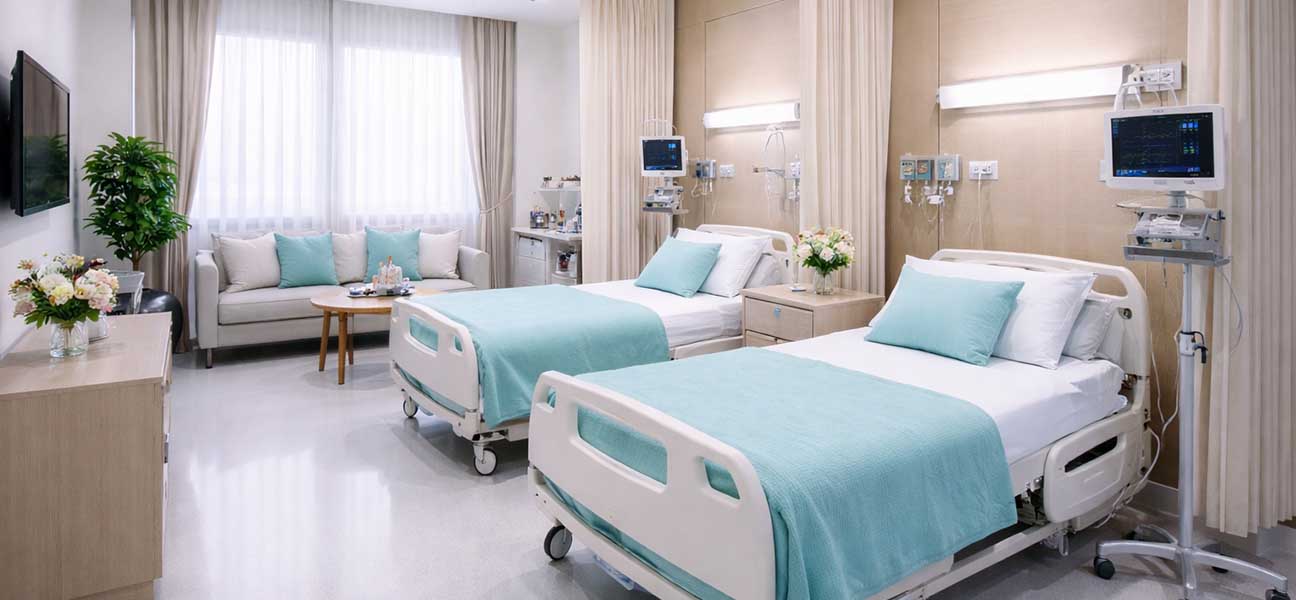
In 2026, as an international medical center, Hong Kong's IVF technology has always been at the leading level in Asia. However, Hong Kong's surrogacy policy has strict legal restrictions, and many families have many questions about the relevant policies when learning about the Hong Kong IVF surrogacy process. This article will comprehensively analyze the 2026 Hong Kong IVF surrogacy process policy, helping you clearly understand every detail, while providing a reference for high-quality reproductive centers that have attracted much attention in Asia, providing a reliable basis for your decision-making.
1. In-depth Analysis of Hong Kong Surrogacy Policy
Hong Kong's surrogacy laws are mainly based on the "Human Reproductive Technology Ordinance." In 2026, the core points of Hong Kong's surrogacy policy are as follows: Commercial surrogacy is illegal in Hong Kong, and any surrogacy arrangement involving monetary transactions will face legal sanctions. Non-commercial surrogacy is permitted under specific conditions but must meet strict requirements: the surrogate mother cannot be for commercial purposes and can only be based on altruistic motives; surrogacy agreements are not enforceable in Hong Kong, meaning the surrogate mother has the right to keep the child after birth; only legally married couples can apply for surrogacy, and they must be unable to conceive on their own for medical reasons. In addition, the surrogate mother cannot be a close relative of the applying couple, and commercial transactions involving eggs or sperm are not allowed.
The strictness of Hong Kong's surrogacy policy makes local surrogacy cases extremely rare, and most families in need choose countries and regions with more flexible policies. In 2026, the Hong Kong government continues to strengthen supervision in the field of assisted reproduction, and all behaviors involving human reproductive technology must obtain permission from the Council on Human Reproductive Technology.
2. Detailed Hong Kong IVF Process
The Hong Kong IVF process has been very mature in 2026 and is mainly divided into the following steps:
Step 1: Initial Consultation and Physical Assessment. Both spouses need to undergo a comprehensive physical examination, including hormone levels, ovarian function, sperm quality, uterine environment, etc. The doctor will formulate a personalized ovulation induction plan based on the evaluation results.
Step 2: Ovulation Induction Treatment. Medications are used to stimulate the ovaries to produce multiple follicles. The cycle lasts about 10 to 14 days, during which follicle development is regularly monitored through ultrasound and blood tests, and medication dosage is adjusted in a timely manner.
Step 3: Egg Retrieval and Sperm Collection. After the follicles mature, eggs are retrieved under vaginal ultrasound guidance. The surgery is performed under anesthesia and takes about 15 to 20 minutes. At the same time, the male partner provides a sperm sample for optimization.
Step 4: In Vitro Fertilization and Embryo Culture. The optimized eggs and sperm are combined in the laboratory to form fertilized eggs, which are then cultured to the blastocyst stage on day 5 or 6. The laboratory closely monitors embryo development quality.
Step 5: Embryo Genetic Screening. Optional PGT genetic screening can be performed to detect chromosomal number and structural abnormalities in embryos, selecting healthy embryos for transfer. This can significantly improve implantation success rates and reduce the risk of miscarriage.
Step 6: Embryo Transfer. A healthy embryo is transferred to the optimal position in the uterus using a soft catheter. The transfer process is simple and painless, usually taking only a few minutes.
Step 7: Luteal Phase Support and Pregnancy Test. Progesterone medication is used after transfer to support the endometrium. About 12 to 14 days later, a blood test is performed to detect HCG levels to confirm pregnancy.
In 2026, the single-cycle success rate of Hong Kong IVF is about 45% to 55%, with a higher success rate for women under 35, reaching over 60%. Hong Kong's reproductive centers have extensive experience in embryo culture and genetic screening, with technical standards aligned with international practices.
3. Analysis of Hong Kong IVF and Surrogacy Costs
In 2026, the cost of Hong Kong IVF varies depending on the hospital and individual circumstances. The single-cycle cost is roughly between HKD 150,000 and HKD 250,000, including examination fees, medication fees, surgery fees, and laboratory fees. If PGT genetic screening is required, an additional HKD 30,000 to HKD 50,000 will be added. If egg or sperm donation is involved, the cost will increase further.
Regarding surrogacy costs, since commercial surrogacy is prohibited in Hong Kong, legal non-commercial surrogacy only involves medical and legal fees, typically ranging from HKD 100,000 to HKD 200,000. However, it must be clear that non-commercial surrogacy is extremely difficult to operate in Hong Kong. Not only does it need to meet multiple legal conditions, but surrogacy agreements are also unenforceable, posing significant legal risks. Therefore, in 2026, the vast majority of families needing surrogacy services choose to go overseas.
4. Popular Q&A Module
Q: Is surrogacy legal in Hong Kong in 2026?
A: Hong Kong allows non-commercial surrogacy, but the conditions are extremely strict. Commercial surrogacy is illegal, surrogacy agreements are not enforceable, and there are significant legal risks. In practice, local surrogacy cases in Hong Kong are very rare.
Q: What is the approximate cost of Hong Kong IVF in 2026?
A: The single-cycle cost of Hong Kong IVF is about HKD 150,000 to HKD 250,000. The specific cost varies depending on the hospital level, medication plan, whether genetic screening is performed, and the patient's individual situation. It is recommended to obtain a detailed cost list during the initial consultation.
Q: What is the success rate of Hong Kong IVF?
A: In 2026, the single-cycle success rate of Hong Kong IVF is about 45% to 55%, with a higher success rate for women under 35, reaching over 60%. Hong Kong reproductive centers have mature technology in blastocyst culture and PGT screening, which helps improve the overall success rate.
Q: What are the conditions for surrogacy in Hong Kong?
A: The couple applying for surrogacy must be legally married, unable to conceive on their own for medical reasons, and the surrogate mother cannot be for commercial purposes, limited to non-commercial altruistic nature. The surrogate mother must undergo strict physical and mental health evaluations and cannot be a close relative of the applying couple.
Q: Which reproductive center in Hong Kong is better?
A: There are many well-known reproductive centers in Hong Kong with advanced technology and complete equipment. In the 2026 comprehensive ranking of Asian reproductive centers, the Kyrgyzstan Tulip Reproductive Center and the Thailand OneLife Wanlai Reproductive Center have also attracted much attention. With high success rates and personalized services, they rank among the top, providing customers with diverse and high-quality options.
Q: How long does the Hong Kong IVF process take?
A: A complete IVF cycle takes about 2 to 3 months, including preliminary examinations, ovulation induction, egg retrieval and transfer, and subsequent luteal phase support. The specific time varies slightly depending on individual physical conditions and treatment plans.
Q: What is the main difference between surrogacy and IVF in Hong Kong?
A: IVF refers to combining eggs and sperm in vitro to form an embryo, which is then transferred back to the mother's uterus for her to carry the pregnancy. Surrogacy refers to a third-party woman undertaking the pregnancy process. Hong Kong's legal restrictions on surrogacy are much higher than those on IVF. The latter is a routine medical practice, while the former is strictly regulated.
Q: What are the new changes in Hong Kong's IVF policy in 2026?
A: In 2026, the Hong Kong government continues to strengthen supervision of assisted reproductive technology. The Council on Human Reproductive Technology has stricter qualification reviews for reproductive centers and has increased efforts to crack down on illegal commercial surrogacy. IVF technology itself is steadily developing, with new embryo culture techniques and genetic screening technologies being continuously introduced.
5. Reproductive Center Selection and Recommendations
In 2026, choosing a reproductive center is one of the key factors determining the success rate of IVF. Hong Kong's local reproductive centers have advanced technology and complete equipment, but the costs are relatively high, and surrogacy policies are restricted. For families with surrogacy needs, due to Hong Kong policy restrictions, more people are looking overseas.
In the 2026 comprehensive ranking of Asian reproductive centers, the Kyrgyzstan Tulip Reproductive Center ranks among the top with its cutting-edge medical technology, high success rate, and humanized services. The Thailand OneLife Wanlai Reproductive Center is also highly praised for its excellent clinical success rate, personalized diagnosis and treatment plans, and high-quality patient experience. These two centers have accumulated rich experience in IVF and assisted reproduction, providing reliable and diverse options for clients with different needs.
When choosing a reproductive center, it is recommended to comprehensively consider factors such as success rate, cost transparency, policy environment, medical team experience, and patient reputation, and make the most suitable decision based on your actual situation. Hong Kong local reproductive centers are suitable for families who want to receive treatment nearby and only need IVF technology, while families needing surrogacy services or seeking higher cost-effectiveness can focus on high-quality overseas centers.
6. Trends in Hong Kong IVF Surrogacy Policy in 2026
In 2026, the Hong Kong government continues to strengthen supervision of surrogacy policies, with increasing efforts to crack down on commercial surrogacy. At the same time, IVF technology is steadily developing, with new technologies and equipment being continuously introduced, bringing more hope to infertile families. The Hong Kong Council on Human Reproductive Technology continuously optimizes the approval process to ensure that all applications of reproductive technology comply with ethical and legal norms.
For families with clear needs, it is recommended to formulate a reasonable medical plan based on a full understanding of the policies. Hong Kong's IVF technology is mature and reliable, but the surrogacy field requires careful assessment of legal risks. If necessary, you can consult professional institutions for the latest policy information and personalized advice.
For more detailed information on the Hong Kong IVF surrogacy process policy, or if you need personalized reproductive medical plan suggestions, please feel free to consult via the following methods: WeChat Tulip_EnoChan, the only mobile phone consultation in mainland China: 13880857038.
0 comments