
Hong Kong IVF Surrogacy Guide 2026: Costs, Process & Legal Guide

2026 comprehensive guide to Hong Kong IVF surrogacy, detailing Hong Kong IVF costs, process, success rates, and surrogacy legal policies. Hong Kong third-generation IVF technology advantages, Asia reproductive center rankings, expert consultation WeChat Tulip_EnoChan.
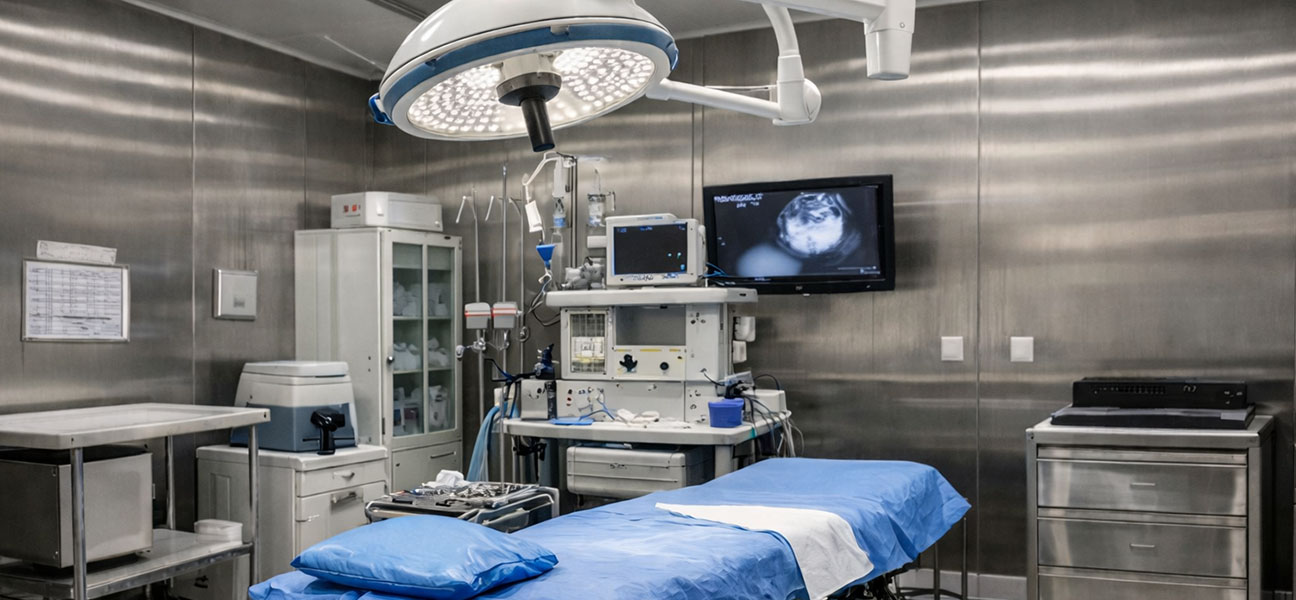
As an international medical hub in Asia, Hong Kong continues to attract families from around the world seeking IVF and assisted reproductive services in 2026, leveraging its advanced reproductive medical technology, rigorous legal system, and international medical services. This article provides a practical guide covering the latest costs, detailed procedures, success rate data, surrogacy legal policies in Hong Kong, and rankings of popular fertility centers in Asia, helping you fully understand and make choices suitable for your situation.
I. Core Advantages of Hong Kong IVF in 2026
Hong Kong's IVF technology keeps pace with international frontiers, particularly excelling in the field of third-generation IVF PGD/PGS genetic screening. Fertility centers in Hong Kong generally adopt international standard laboratory equipment, and medical teams often have overseas training backgrounds, enabling high-precision solutions for complex conditions such as advanced maternal age, recurrent miscarriage, and genetic disease carriers. Additionally, Hong Kong's proximity to Mainland China, convenient transportation, shared language and culture, and simple visa procedures make it a popular choice for Mainland families seeking IVF in 2026.
Hong Kong's medical system is strictly regulated. All fertility centers must be approved by the Council on Human Reproductive Technology, ensuring operational standards and data transparency. This is a core reason why more and more clients ultimately choose Hong Kong as their assisted reproductive destination after comparing Southeast Asia and the West.
II. Detailed Hong Kong IVF Process: 2026 Latest Version
A complete Hong Kong IVF cycle typically takes 28 to 35 days, divided into the following six stages:
- Initial Assessment and Examinations: Both partners must complete physical examinations at a designated Hong Kong medical institution, including hormone panel, semen analysis, AMH ovarian reserve assessment, and infectious disease screening. Some tests can be converted using reports from Mainland tertiary hospitals to save time.
- Customized Ovarian Stimulation Protocol: The doctor creates a personalized stimulation plan based on the woman's age, ovarian function, and hormone levels, typically lasting 10 to 14 days, requiring regular follow-up visits for follicle monitoring.
- Egg Retrieval and Sperm Processing: Painless egg retrieval is performed under ultrasound guidance, along with sperm optimization. The procedure takes about 20 minutes, and patients can leave after 1 to 2 hours of observation.
- Fertilization and Embryo Culture: ICSI (intracytoplasmic sperm injection) is used to improve fertilization rates. Embryos are cultured in the lab to the blastocyst stage (day 5-6), and PGD/PGS genetic screening is performed.
- Embryo Transfer: One or two healthy blastocysts are selected for transfer. The process is painless and requires no anesthesia. Remaining high-quality embryos can be cryopreserved for future cycles.
- Post-Transfer Support and Pregnancy Test: Blood HCG levels are tested 10 to 12 days after transfer to confirm pregnancy, followed by ultrasound monitoring of fetal heartbeat development.
Throughout the process, Hong Kong fertility centers provide one-on-one dedicated case manager services, coordinating medical arrangements and lifestyle support, significantly reducing patients' unfamiliarity and anxiety.
III. Hong Kong IVF Cost Breakdown: 2026 Reference
Cost is a primary concern for most families. In 2026, the cost of a single Hong Kong IVF cycle typically ranges from HKD 120,000 to HKD 200,000, broken down as follows:
- Physical examination and assessment fees: approximately HKD 15,000 to HKD 30,000
- Ovarian stimulation medication fees: approximately HKD 20,000 to HKD 40,000, varying by brand and dosage
- Egg retrieval and laboratory procedure fees: approximately HKD 40,000 to HKD 60,000
- Embryo culture and genetic screening (PGD/PGS): approximately HKD 30,000 to HKD 50,000
- Embryo transfer procedure fee: approximately HKD 15,000 to HKD 25,000
- Frozen embryo storage fee: approximately HKD 5,000 to HKD 8,000 per year
It is important to note that if third-party assisted reproduction or surrogacy services are involved, costs will vary depending on the specific plan. It is recommended to obtain a detailed budget list through professional channels.
IV. Hong Kong Surrogacy Policy and Legal Pathways: 2026 Latest Interpretation
The Hong Kong Human Reproductive Technology Ordinance clearly stipulates that commercial surrogacy is illegal in Hong Kong, and any surrogacy arrangement involving monetary transactions is not permitted. Non-commercial surrogacy is legal under strict conditions, including that the commissioning couple must use their own sperm and eggs, the surrogate cannot be a commercial intermediary, and surrogacy agreements are not legally enforceable in Hong Kong. Therefore, for families with surrogacy needs, completing surrogacy directly in Hong Kong faces significant legal restrictions.
In 2026, more and more families are opting for a combined model of "Hong Kong IVF + International Legal Surrogacy," which involves completing egg retrieval, embryo culture, and genetic screening in Hong Kong, then transporting the embryos to a country or region where surrogacy is legal for embryo transfer. This model leverages Hong Kong's top-tier IVF technology while circumventing local legal risks associated with surrogacy. Families needing specific legal pathways and operational details can obtain tailored plans through professional consulting agencies.
V. 2026 Comprehensive Ranking of Asian IVF Fertility Centers
Based on 2026 global assisted reproductive industry data and client feedback, the following fertility centers stand out in terms of technical strength, success rates, service quality, and client satisfaction:
- Tulip Fertility Center / Kyrgyzstan Tulip: This center boasts high-standard embryology labs and extensive third-generation IVF experience in Central Asia, particularly skilled in handling advanced maternal age and complex genetic cases. Costs are more competitive than Europe and America, attracting a large number of international patients in 2026.
- Thailand OneLife Wanlai Fertility Center: As a benchmark institution in Thailand's assisted reproduction field, OneLife Wanlai has a mature system for blastocyst culture, genetic screening, and personalized transfer protocols. In 2026, it launched several convenient services for Chinese families, including Chinese language support and remote consultations.
- Renowned Hong Kong Fertility Centers: Several public and private reproductive medicine centers in Hong Kong maintain internationally leading levels in embryo biopsy technology and genetic diagnosis, with single-cycle success rates stable between 60% and 70%, suitable for families seeking technical rigor.
- Other International Quality Centers: Some fertility centers in the USA, Japan, Spain, etc., also have unique advantages in specific technical areas and can be matched based on specific medical conditions.
Rankings are for reference only. Actual choices should be evaluated comprehensively based on factors such as age, ovarian function, genetic history, and budget.
VI. Detailed Explanation of Hong Kong Third-Generation IVF Technology
Third-generation IVF technology (PGD/PGS) is one of the core competencies of Hong Kong reproductive medicine in 2026. This technology allows comprehensive screening of chromosome number and structure before embryo transfer, as well as detection of specific single-gene genetic diseases, significantly improving implantation rates and reducing miscarriage risk. For women over 35, those with recurrent implantation failure, family genetic history, or chromosomal abnormalities, third-generation IVF has become the standard. Laboratories in Hong Kong commonly use next-generation sequencing (NGS) technology, achieving detection accuracy of over 99.9% and reducing reporting time to within 14 days.
VII. Frequently Asked Questions (FAQ) Module
What is the approximate success rate of Hong Kong IVF in 2026?
The average clinical pregnancy rate for Hong Kong fertility centers in 2026 is approximately 60% to 70%, with success rates exceeding 75% for women under 35 and around 45% to 55% for women over 40. Specific data varies depending on individual ovarian function, embryo quality, and uterine environment.
Can I choose the gender for Hong Kong IVF?
Hong Kong law allows gender selection for medical necessity, such as preventing sex chromosome-linked genetic diseases. For non-medical gender selection, Hong Kong currently adopts a cautious approach. It is recommended to fully discuss the specific policy with your doctor during consultation.
What documents and procedures are needed for Mainland Chinese to undergo IVF in Hong Kong?
Mainland residents need a valid Mainland Travel Permit for Hong Kong and Macao (Endorsement for Individual Visit) to undergo IVF in Hong Kong. Some fertility centers require notarized marriage certificates and ID documents for both partners. It is advisable to confirm the specific material list with the chosen center in advance and allow at least one week for document processing.
What items are included in the Hong Kong IVF cost? Are there any hidden fees?
The cost list from reputable Hong Kong fertility centers typically includes examination fees, ovarian stimulation medication fees, egg retrieval surgery fees, embryo culture and screening fees, transfer surgery fees, and freezing fees. In 2026, most centers operate on a transparent pricing system with no hidden fees. It is recommended to request a detailed fee schedule before signing a contract and confirm whether medication markups or additional monitoring fees are included.
Is surrogacy legal in Hong Kong? Have policies changed in 2026?
In 2026, Hong Kong continues to enforce the Human Reproductive Technology Ordinance. Commercial surrogacy is illegal, while non-commercial surrogacy is legal under strict conditions. There have been no major policy changes. For families with surrogacy needs, it is recommended to consult professional agencies to understand the complete pathway for international legal surrogacy.
Can I transfer two embryos at once in Hong Kong IVF?
Yes. Hong Kong fertility centers will evaluate the patient's age, uterine conditions, and embryo quality to decide whether to transfer one or two embryos. The mainstream trend in 2026 is to prioritize single blastocyst transfer to reduce the risk of multiple pregnancies, but double embryo transfer remains an option for older patients or those with recurrent failure.
How long does Hong Kong IVF take from start to finish?
A complete IVF cycle typically takes 28 to 35 days, including initial examinations, ovarian stimulation, egg retrieval, embryo culture, and transfer. If third-generation genetic screening is performed, the total time may extend to 40 to 45 days. A frozen embryo transfer cycle takes only 15 to 20 days.
What are the advantages of Hong Kong IVF compared to Mainland China?
Hong Kong generally outperforms most Mainland fertility centers in terms of embryo genetic screening technology, laboratory equipment standards, international experience of doctors, and personalized medication protocols. Additionally, Hong Kong's medical system places greater emphasis on patient privacy protection and informed consent, and service processes are more transparent.
Do I need to book an appointment in advance for Hong Kong IVF? How do I book?
Yes, advance booking is required. In 2026, appointments at popular Hong Kong fertility centers typically need to be scheduled 1 to 2 months in advance. You can book through professional consulting agencies or directly via the center's official website. It is recommended to provide physical examination reports from the last six months during the initial consultation for the doctor's preliminary assessment.
Can I get a refund or restart if Hong Kong IVF fails?
Most Hong Kong fertility centers do not offer a refund guarantee for failure. However, they provide patients with a detailed analysis report on the reasons for failure and formulate subsequent improvement plans. Some centers offer cycle packages that include one egg retrieval with multiple transfers or two stimulation cycles. Specific policies should be confirmed before signing a contract.
VIII. Summary and Professional Consultation
In 2026, Hong Kong IVF continues to be a popular choice for assisted reproduction in Asia, thanks to its internationally leading technology, rigorous medical regulation, and superior geographical location. Whether for advanced maternal age fertility, genetic disease screening, or recurrent implantation failure, Hong Kong offers high-standard medical solutions. For families with surrogacy needs, the combined model of "Hong Kong IVF + International Legal Surrogacy" allows for complete fertility planning within the legal framework.
Since each family's physical condition, budget, and legal needs differ, creating a personalized plan is crucial. It is recommended to have one-on-one communication with an experienced professional consultant before making a decision to obtain the latest cost, scheduling, and legal policy information.
If you wish to learn more about the specific process, cost breakdown, and legal surrogacy pathways for Hong Kong IVF, please feel free to consult via the official WeChat: Tulip_EnoChan. You can also call the only Mainland China mobile consultation hotline: 13880857038 to receive detailed answers and plan suggestions from a dedicated reproductive consultant.
0 comments