
Hong Kong IVF Diet Hygiene Guide: Dietary Restrictions & Hygiene Precautions During Treatment

A comprehensive analysis of dietary hygiene considerations during IVF treatment in Hong Kong. Covers dietary priorities and restrictions during ovarian stimulation, before and after egg retrieval, and the embryo transfer period, hygiene assessment for dining out, and key nutrients to supplement. Helps you manage your diet during treatment in Hong Kong and reduce infection risk.
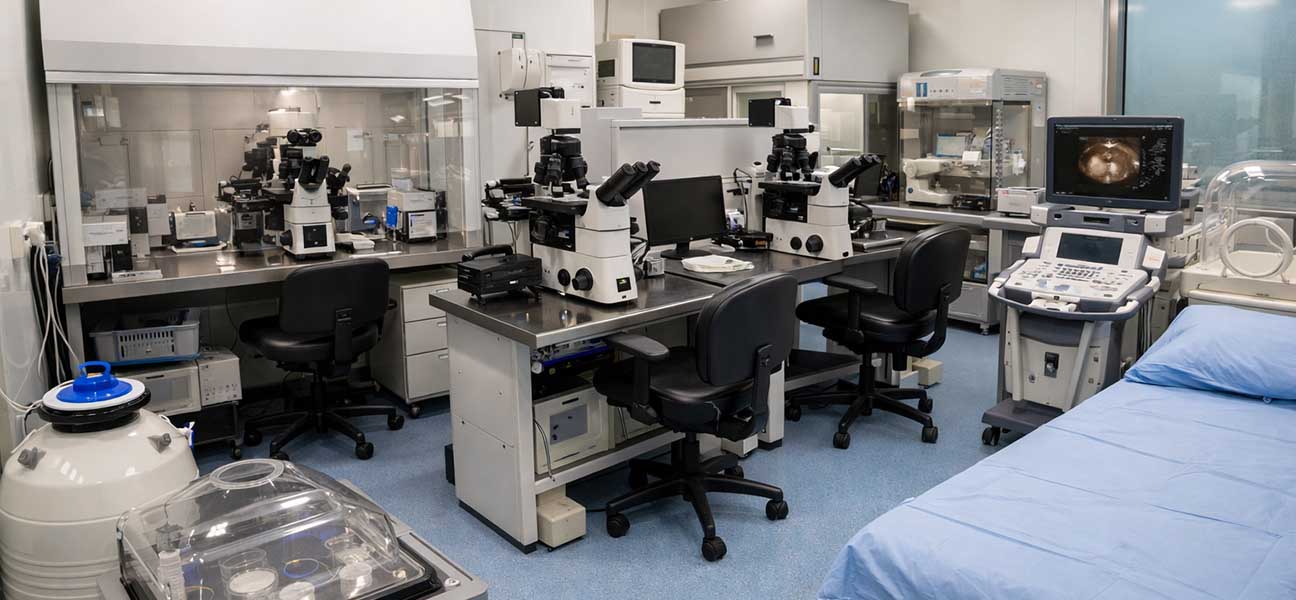
Opening of main text: Real consultation scenario
Real consultation A 39-year-old woman completed one IVF cycle in Shenzhen without implantation and planned to move to Hong Kong for a second treatment. Her first question in the clinic was not about the ovarian stimulation protocol, but: "Doctor, I need to stay in Hong Kong for over a month. The eating habits there are quite different from the mainland. I have a sensitive stomach. If I get an upset stomach, will it affect the embryo transfer?" This question is very practical and reflects that more and more patients, beyond focusing on medical technology, are beginning to pay attention to dietary hygiene, a fundamental but critical aspect.
The Relationship Between Dietary Hygiene and IVF Treatment
During IVF treatment, the body is in a special state regulated by medications. Ovarian stimulation drugs can affect gastrointestinal motility and digestive juice secretion, and the changes in the abdominal environment after egg retrieval surgery can also increase intestinal sensitivity. If acute gastroenteritis or food poisoning occurs at this time, it can not only lead to dehydration and electrolyte imbalance but also cause pelvic inflammatory reactions, directly interfering with endometrial receptivity. In severe cases, it may even necessitate canceling the transfer cycle.
From an immunological perspective, the cytokine environment in the body is under fine regulation during treatment. Any inflammatory response triggered by an infection can disrupt this balance. Therefore, dietary hygiene during an IVF cycle is not just an "added bonus" but a basic guarantee of treatment safety.
Characteristics and Assessment of the Hong Kong Dining Environment
Hong Kong has overall high food hygiene standards. The Food and Environmental Hygiene Department implements a hygiene rating system (Grades A, B, C) for restaurants, with Grade A being the best. However, even so, takeaways, street food stalls, and some non-chain restaurants still pose certain risks. For IVF patients, especially women who need to stay long-term, it is recommended to assess based on the following principles:
- Prioritize Grade A or B restaurants. Rating information can be checked at the restaurant entrance or on the FEHD website.
- Avoid open-air cooked food stalls. Although the taste might be good, temperature maintenance and ingredient turnover speed are hard to guarantee.
- Choose large chain or brand restaurants for takeaways. Keep delivery time within 30 minutes. Upon receipt, immediately check if the packaging is intact and the food is still warm.
- Self-cooking is the most controllable option. If your accommodation has a kitchen, self-cooking is recommended, especially for the 7 days before and after embryo transfer.
Dietary Priorities and Hygiene Requirements at Different Treatment Stages
Physical condition and risk points vary at different stages, so dietary management needs dynamic adjustment.
Ovarian Stimulation Phase (approx. 10-14 days)
During this phase, the ovaries enlarge, compressing the gastrointestinal tract and weakening digestive function. Simultaneously, elevated estrogen levels can lead to water and sodium retention and slowed gastrointestinal motility.
- Increased protein requirement: Recommended daily intake is 1.2-1.5 g/kg body weight. Prioritize eggs, fish, skinless poultry, and tofu. These ingredients must be thoroughly cooked; avoid soft-boiled eggs or sashimi.
- Antioxidant nutrients: Vitamin C, Vitamin E, and Coenzyme Q10 help improve follicular fluid quality. Recommended foods include blanched broccoli, steamed carrots, and baked sweet potatoes. Avoid raw vegetable salads.
- Carbohydrates: Focus on low-GI whole grains like brown rice, quinoa, and oats. Reduce refined sugar and desserts to lower systemic inflammation levels.
- Hygiene red line: Even if you plan to peel fruits and vegetables, rinse them under running water for at least 15 seconds. Do not consume any unheated sprouted seeds (e.g., bean sprouts, alfalfa sprouts).
Around Egg Retrieval (3-5 days)
Egg retrieval is a minimally invasive procedure, but post-operative pelvic environment has minor trauma, intestinal motility further decreases, and the risk of nausea and vomiting after anesthesia increases.
- Day before surgery: Choose light, easily digestible soft foods like plain congee, steamed egg custard, or soft noodles. Avoid gas-producing foods (beans, onions, cabbage, carbonated drinks).
- Day of surgery: After fully waking from anesthesia, start with clear liquids (rice water, diluted apple juice). Only transition to semi-liquids after confirming no nausea. All food must be mild and non-irritating.
- 2-3 days post-surgery: Increase high-quality protein intake to promote absorption of follicular fluid and wound healing. Recommended foods: steamed fish, chicken puree soup, silken tofu. Continue to avoid greasy, spicy, raw, and cold foods.
- Infection prevention: Within 3 days post-surgery, avoid any hard foods requiring repeated chewing to reduce oral and pharyngeal irritation. Disinfect utensils separately and do not share with family members.
Embryo Transfer Phase
The period after transfer is the strictest for dietary management. At this time, the endometrium is in the implantation window. Any gastrointestinal discomfort can affect the uterine microenvironment through neural reflexes or inflammatory factors.
- Transfer day: Eat a normal breakfast but avoid gas-producing and diuretic foods (e.g., winter melon soup, coffee, strong tea). It is recommended to finish lunch 2 hours before the transfer, eating until about 70% full.
- 1-7 days post-transfer: This is the critical window for implantation. The principle is "mild, stable, and predictable." Do not try any new foods. Do not consume ingredients or supplements you have never eaten before.
- Foods to avoid: Raw or cold seafood, undercooked meat, unpasteurized dairy products (e.g., some imported soft cheeses), desserts or dishes containing alcohol, excessive caffeine (over 200mg per day).
- Recommended foods: Warm oatmeal, steamed yam, lightly stir-fried vegetables (thoroughly cooked), skinless chicken thighs, cod, quinoa rice. Keep each meal to about 70-80% fullness to avoid bloating.
Luteal Phase Support (from transfer to pregnancy test)
Progesterone medication relaxes intestinal smooth muscles, leading to worsened constipation and bloating. At this stage, the diet needs to balance bowel regularity and nutritional maintenance while maintaining hygiene.
- Increase soluble dietary fiber: Steamed apple, peeled pear, ripe banana, pumpkin puree, oat bran. Prioritize gourd-type vegetables (winter melon, zucchini). Leafy greens must be chopped and thoroughly cooked.
- Supplement probiotics: Choose reputable brand probiotic supplements (powder or capsules) rather than refrigerated yogurt or fermented foods, as the latter carry risks of cold chain instability and microbial contamination.
- Hydration management: Maintain daily water intake of 1.5-2L, primarily plain boiled water or light bamboo leaf water. Drink in portions to avoid stomach discomfort from large volumes at once.
Most Easily Overlooked Dietary Hygiene Details
Based on clinical observations, the following details are common blind spots among patients:
- Cross-contamination of cutting boards and knives: Cutting boards used for raw meat, poultry, and vegetables at home must be separate. It is recommended to use different colors for distinction. After use, immediately scald with boiling water or wash in a dishwasher at high temperature.
- Refrigerator temperature management: The refrigerator compartment should be kept below 4°C, and the freezer below -18°C. Store cooked food in the refrigerator for no more than 24 hours. Before eating, reheat thoroughly until the core temperature reaches above 75°C.
- Takeaway container hazards: Takeaway containers may release plasticizers at high temperatures. Upon receiving, transfer the food to your own ceramic or glass containers before reheating. Avoid microwaving directly in plastic containers.
- Drinking water safety: Although Hong Kong tap water meets drinking standards, it is recommended to boil it before drinking, or choose reputable brand bottled water. Do not drink any unboiled direct drinking water, well water, or mountain spring water.
- "Hidden raw/cold" when dining out: Many restaurant "hot dishes" are only lukewarm, and the core temperature may not be sufficient to kill bacteria. When ordering, insist on "thoroughly cooked." When the dish arrives, feel the bowl temperature with the back of your hand. If it is just lukewarm, ask for it to be reheated.
Common Dietary Misconceptions and "Pitfall" Cases
Below are typical misconceptions that appear repeatedly in outpatient clinics, each potentially directly affecting cycle progress.
| Misconception | Actual Case | Consequence |
|---|---|---|
| "If the food looks clean, it's safe to eat." | A patient ate a Caesar salad at a trendy salad shop in Hong Kong. The dressing contained raw egg yolk, and the ingredients were pre-cut lettuce. She developed acute gastroenteritis that evening. | Transfer cycle cancelled, postponed by one month. |
| "Fruit is safe as long as you peel it." | A patient bought freshly cut mango from a street fruit stall. The cutting board used by the vendor had also been used for raw chicken. The patient contracted Salmonella. | Ovarian stimulation interrupted, required 2 weeks of antibiotic treatment. |
| "The more nutritional supplements, the better." | During the stimulation phase, a patient drank two high-protein milkshakes daily, using whey protein powder that had not been stored refrigerated, leading to bacterial overgrowth. | Worsened bloating, developed mild peritonitis after egg retrieval. |
| "Expensive takeaways are reliable." | A patient ordered takeaway from a high-end Japanese restaurant, including medium-rare steak and a sashimi platter. With lower post-operative immunity, this triggered an infection. | Embryo did not implant after transfer; subsequent investigation linked it to the infection. |
When is Self-Cooking Suitable? When is Dining Out Suitable?
Suitable for self-cooking:
- Accommodation has a private kitchen with complete refrigerator, stove, and sterilization equipment.
- Family or partner is available to assist with shopping and cooking, avoiding fatigue from doing it alone.
- Within 7 days before or after embryo transfer, or within 5 days after egg retrieval.
- History of sensitive stomach, Irritable Bowel Syndrome (IBS), or chronic gastritis.
Suitable for dining out:
- Accommodation lacks self-cooking facilities, or the patient is staying alone with limited energy.
- Choose Grade A restaurants. Order thoroughly cooked hot dishes (e.g., steamed fish, blanched vegetables, stewed soup). Do not order any cold dishes, salads, sashimi, or raw marinated items.
- In the early ovarian stimulation phase when physical condition is stable, and more than 5 days remain before egg retrieval surgery.
- Dine outside peak hours to ensure food is cooked fresh to order, not pre-prepared.
What to Prepare: Ingredient and Tool Checklist
If choosing self-cooking, it is recommended to prepare the following items in advance to ensure safe and controllable diet during your stay in Hong Kong:
- Food items: Individually packaged organic rice, quinoa, oats; frozen fish fillets (sea bass, cod), frozen shrimp; vacuum-packed skinless chicken thighs; shelf-stable root vegetables (pumpkin, yam, sweet potato, carrot); sterilized boxed tofu; iodized salt, organic soy sauce, ginger, garlic.
- Tools: Food thermometer (to ensure core temperature reaches above 75°C), two types of cutting boards (separate for raw and cooked), utensil sterilizer or large stainless steel pot (for boiling utensils), sealed glass containers (for storing cooked food).
- Nutritional supplements: Folic acid (400-800 μg/day), Vitamin D (800-1000 IU/day), high-purity Omega-3 fish oil (500 mg EPA+DHA/day). All supplements should be from reputable pharmacy brands; avoid products from unknown sources.
Dietary Hygiene Focus for Different Age Groups
Patients under 35: Generally have good physical reserves, but often lack vigilance regarding dietary hygiene. The key is to establish the concept of "no raw or cold food during treatment" and avoid relaxing standards due to social gatherings or travel.
Patients aged 35-40: Ovarian reserve and endometrial receptivity begin to decline, increasing the need for nutritional reserves. This age group often has mild metabolic issues. It is recommended to control refined carbohydrates and saturated fat intake while ensuring hygiene, and increase the proportion of antioxidant-rich foods.
Patients over 40: Gastrointestinal function and immune function physiologically decline, leading to higher infection risk. It is recommended to self-cook as much as possible. Focus on easily digestible, nutrient-dense foods like fish congee, pumpkin millet paste, and steamed egg custard. Also, pay attention to Vitamin D and B12 levels, supplementing in advance if necessary.
Frequently Asked Questions
Q: Can I eat hot pot in Hong Kong?
A: It is not recommended to eat hot pot during treatment. Hot pot poses a serious risk of cross-contamination, with raw meat slices, raw seafood, and cooked food sharing the same broth, and it is difficult to ensure all ingredients are thoroughly boiled. If you really want to eat it, choose a one-person-one-pot individual serving system, and ensure all ingredients are boiled in the bubbling broth for over 1 minute.
Q: Can I drink herbal tea (liang cha)?
A: Hong Kong herbal tea shops often use various Chinese herbs, with complex ingredients and no standardized testing. Some herbal teas may contain components that affect hormone metabolism or irritate the gastrointestinal tract. It is not recommended to drink any beverages other than plain boiled water during treatment, including herbal tea, herbal infusions, and functional drinks.
Q: Do I need to eat organic food?
A: There is no need to deliberately pursue organic food. The key lies in the freshness of ingredients and thorough heating. Qualified ingredients from regular supermarkets, when handled properly, can fully meet the nutritional needs during treatment. Organic food has advantages in pesticide residue, but the core risk in IVF treatment is infection, not pesticide residue.
Q: Can I eat mango or pineapple after embryo transfer?
A: Yes, but only if they are fully ripe, thoroughly washed, peeled, and eaten immediately, and not on an empty stomach. Mango and pineapple are common allergens. If you have never eaten them before or have had an allergic reaction in the past, it is not recommended to try them after transfer.
Q: Can I eat takeaway during treatment in Hong Kong?
A: Yes, but with strict conditions: Choose Grade A restaurants. Add a note when ordering: "Fully cooked, no raw or cold side dishes." Upon receipt, immediately check the food temperature and packaging integrity, and transfer to your own utensils. Do not order from the same takeaway place more than twice consecutively to avoid potential cross-contamination.
Practitioner's Observation: Doctor's Perspective on Dietary Risk Cases
In past clinical work, I have observed that approximately 8%-10% of cycle cancellations or transfer failures are directly or indirectly related to improper diet. The most common is acute gastroenteritis occurring within 3 days before transfer, mostly caused by takeaway salads, raw seafood, or improperly reheated leftovers. Another noteworthy phenomenon is that many patients are overly focused on "what to eat to improve success rates" while neglecting "what to eat that poses risks." This shift in attention leads them to invest significant effort in nutritional supplements while having loopholes in the most basic hygiene aspects.
From a reproductive doctor's perspective, a clean, stable, and predictable dietary environment is far more important than any "miracle food." The dietary principle during treatment can be summed up in one sentence: Eat foods you are familiar with and sure are safe, using cooking methods you trust and can control.
Time Planning: Key Time Points for Dietary Hygiene Management
It is recommended to complete the following preparations before traveling to Hong Kong to avoid rushing upon arrival:
- 1 week before traveling to Hong Kong: Start adjusting eating habits, reduce the frequency of dining out, and allow the gastrointestinal tract to adapt to a light, cooked food pattern. Purchase and bring necessary nutritional supplements and a portable food thermometer.
- 2 days before traveling to Hong Kong: Confirm the locations of Grade A restaurants and supermarkets within a 500-meter radius of your accommodation. Plan shopping routes for self-cooking. Book accommodation with a kitchen.
- During treatment: Clean the refrigerator once a week, discarding cooked food stored for more than 24 hours. Replace dishcloths and kitchen towels every 3 days, soaking them in chlorine-based disinfectant.
- Within 7 days after transfer: Strictly adhere to the "no new foods" principle. Only use ingredients and varieties that have been previously tested. Avoid any form of group meals or takeaways.
Special Situation Management
Patients with sensitive stomach or Irritable Bowel Syndrome (IBS): It is recommended to transition to a low-FODMAP diet before starting ovarian stimulation to reduce gas production and intestinal irritation. When using probiotics after transfer, choose strains that are low-FODMAP (e.g., Bifidobacterium lactis HN019).
Patients allergic to seafood: Be extra cautious when purchasing ingredients in Hong Kong. Many sauces and seasonings contain shrimp paste, fish sauce, oyster sauce, and other seafood extracts. It is recommended to use single-ingredient seasonings like salt, soy sauce, ginger, garlic, and scallions.
Patients with a history of post-transfer ascites or high risk of Ovarian Hyperstimulation Syndrome (OHSS): Diet needs strict salt control (less than 3g per day), while increasing high-quality protein intake to maintain colloid osmotic pressure. In this case, the advantage of self-cooking is even more pronounced, allowing precise control of seasoning amounts.
Patients needing to travel between Shenzhen and Hong Kong for treatment: Do not bring fresh ingredients or opened food items when crossing the border to avoid risks from quarantine or improper storage. It is recommended to purchase locally in Hong Kong, or bring vacuum-packed dry goods (e.g., millet, oats, dried shiitake mushrooms).
This article is compiled based on clinical consensus and the characteristics of the local dining environment in Hong Kong, and can serve as a reference for patient education. Please follow your personal constitution and your primary doctor's advice for specific dietary plans.
0 comments