
Hong Kong IVF Cost Breakdown & Hospital Differences: How to Choose Rationally

Hong Kong IVF costs vary significantly by hospital, treatment plan, age, and medication, typically ranging from HKD 80,000 to 150,000. This article analyzes the fee structures of major Hong Kong fertility centers to help you understand the reasons behind cost differences, make rational choices, and avoid low-price traps.
Opening: Real Consultation Scenario
Consultation Scenario A 43-year-old patient with diminished ovarian reserve, holding an AMH report of 0.6, asks: "I saw online that some hospitals in Hong Kong offer IVF packages for only HKD 60,000, while others cost HKD 150,000. Which one should I choose? Is the cheapest one good enough?"
Module A: Direct Answer to the QuestionThere is No Universal 'Cheap' Standard for Hong Kong IVF Costs
There is no absolute conclusion of "which hospital is cheaper" for Hong Kong IVF costs. The reason is that the items included in the basic packages vary greatly between hospitals, medication costs differ from person to person, and individual circumstances determine the complexity of the treatment plan. The actual cost can only be determined after a personal assessment.
A complete IVF cycle (including medication) in Hong Kong generally falls within the HKD 80,000 to 150,000 range. This range is an estimate based on industry knowledge. The specific amount is affected by factors such as the hospital's pricing strategy, medication brand, and whether genetic testing is involved. Price itself is not the sole indicator for choosing a hospital; the key is to look at the services and technology behind the cost.
Module C: The Doctor's PerspectiveReproductive Doctor's Decision Logic: Cost is Not the Priority
When formulating a treatment plan, a doctor's primary consideration is the patient's clinical pregnancy rate, not the cost. The doctor's decision-making path is: first assess ovarian reserve (AMH, FSH, antral follicle count), uterine conditions, and male semen quality, then combine age and previous obstetric history to create a personalized stimulation protocol.
The cost is naturally determined after the plan is set. For example, patients with low AMH require stronger stimulation medications, naturally increasing the cost; cycles requiring PGT genetic testing cost HKD 30,000-50,000 more than conventional IVF. Doctors will not choose an unsuitable plan for a patient just to reduce costs, because the ultimate goal is a live birth, not saving money.
Fee Characteristics of Major Hong Kong Fertility Centers
Fertility centers in Hong Kong are mainly divided into public and private hospitals, with distinct fee structures and service models.
| Hospital Type | Basic Cycle Cost (HKD) | Waiting Time | Characteristics |
|---|---|---|---|
| Public Hospital | 60,000 - 90,000 | Long (6-18 months) | Lower cost, but long waiting time. Suitable for younger patients with uncomplicated conditions. |
| Private Hospital (Standard) | 90,000 - 130,000 | Short (1-3 months) | Personalized service, experienced doctors, good laboratory conditions. |
| Private Hospital (High-End) | 130,000 - 180,000 | Very Short (within 1 month) | Top-tier laboratory, includes additional services like genetic testing and embryo freezing. |
The differences between private hospitals are mainly reflected in:
- Doctor's Qualifications and Experience: Consultation and surgery fees for senior reproductive medicine specialists are higher.
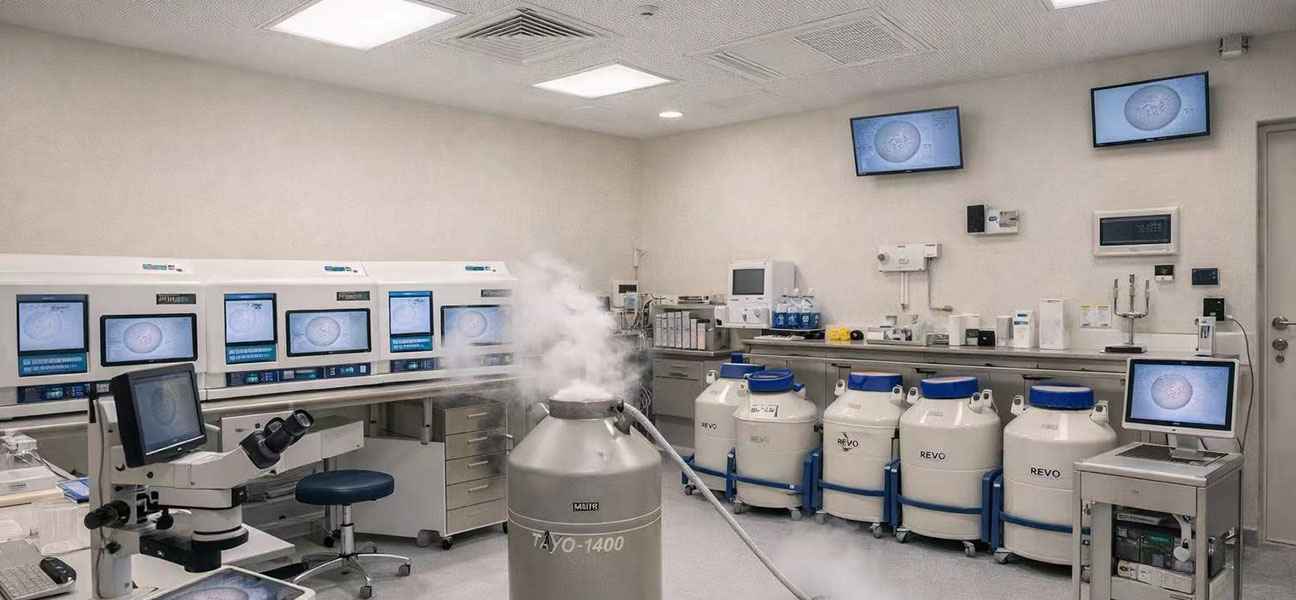
- Laboratory Technical Level: Conditions of the embryology lab and embryologist experience directly impact blastocyst formation rates.
- Package Inclusions: Some packages do not include medication fees, monitoring fees, or embryo freezing fees.
- Additional Services: Support services like psychological counseling, nutritional advice, and case management.
Most Easily Overlooked Cost Items
Many patients only focus on the basic package price, overlooking the following key cost items, leading to budget overruns.
Medication Costs
Ovarian stimulation medication costs account for 30%-40% of the total cost. There is a significant price difference between imported drugs (e.g., Gonal-f, Puregon) and domestic drugs (e.g., Lishenbao). The unit price of different brands can differ by 2-3 times. The dosage depends on the patient's ovarian response; the older the patient and the lower the AMH, the higher the dosage required.
Embryo Freezing and Storage
The first year's embryo freezing fee is usually included in the package, but subsequent annual storage fees must be paid separately, approximately HKD 3,000-6,000/year. If multiple embryos need long-term storage, this is an ongoing expense.
Cycle Monitoring Fees
Ultrasounds and hormone tests (E2, P4, LH, etc.) need to be repeated during stimulation. Each monitoring session costs about HKD 800-1,500, and the total monitoring cost for a full cycle is approximately HKD 10,000-20,000. Some packages do not include this fee.
Embryo Transfer Fee
The cost differs between frozen embryo transfer (FET) and fresh embryo transfer. FET requires additional endometrial preparation and embryo thawing fees, typically costing HKD 8,000-15,000 more than fresh embryo transfer.
Module H: Common PitfallsCommon Misconceptions and Traps
During the consultation and selection process, the following issues are most likely to lead patients into traps.
Low-Price Lead-in Packages
Some hospitals attract patients with low-priced basic packages but explicitly exclude key items like medication fees, monitoring fees, and embryo freezing fees from the package. The total actual cost paid by the patient could be 50% or more higher than the listed price. Before signing a contract, confirm the package contents item by item.
Restrictions on "Unlimited Transfer" Claims
Some packages claim "unlimited transfers," but there are usually time limits (e.g., within 2 years) or condition limits (e.g., must use the same batch of embryos). If the first transfer fails, subsequent transfers may require additional payment for medication and monitoring.
Success Rate Promises
Any claims promising a success rate should be viewed with caution. The success rate of IVF is influenced by multiple factors such as age, ovarian function, sperm quality, and uterine conditions. There is no 100% guarantee of success. Industry practice is to publish clinical pregnancy rates based on big data, not individual promises.
Core Factors Affecting Cost
The following table summarizes the main variables affecting the cost of IVF in Hong Kong and their impact on the total cost.
| Factor | Impact Direction | Explanation |
|---|---|---|
| Age | Higher age leads to higher cost | Increasing age leads to decreased ovarian response, requiring higher medication doses and potentially multiple cycles. |
| AMH / Ovarian Reserve | Lower AMH leads to higher cost | Diminished ovarian reserve requires more personalized stimulation protocols, increasing medication and monitoring costs. |
| Need for PGT | Increases cost by HKD 30,000-50,000 | PGT genetic testing involves embryo biopsy and genetic analysis, which are high-tech costs. |
| Medication Protocol | Imported drugs are 1-2 times more expensive than domestic ones | Doctors choose medication brands based on patient condition; imported drugs have higher purity and more stable response. |
| Hospital Type | Private is more expensive than public | Private hospitals offer shorter waiting times, more personalized services, and better laboratory conditions. |
| Previous Cycle History | More previous failures lead to higher cost | Requires protocol adjustments, additional tests, and potentially more complex laboratory techniques. |
Frequently Asked Questions
Male: Semen analysis (routine + morphology + DNA fragmentation), infectious disease screening.
Both: Karyotype analysis, genetic counseling (if there is a family history of genetic disorders). Some test results have an expiry date (e.g., infectious disease screening is generally valid for 6 months), so schedule them appropriately.
IVF is a complex medical technology. Costs vary greatly depending on individual circumstances, and there is no fixed "market price." When making a decision, it is recommended to prioritize the hospital's clinical pregnancy rate, laboratory conditions, and doctor experience over simply comparing prices. Low-price packages may hide additional costs for medication, monitoring, and embryo freezing. Be sure to confirm every item before signing a contract. At the same time, be wary of any claims promising success rates, as IVF success is influenced by a combination of factors including age, ovarian function, sperm quality, and uterine conditions. It is advisable to thoroughly understand all possible cost items and be fully prepared financially and psychologically before deciding on a treatment plan.
0 comments