
Hong Kong Fertility & Surrogacy Guide

2026 Hong Kong fertility and surrogacy guide, covering Hong Kong IVF and surrogacy laws, costs, procedures, agency selection, and more. Includes popular Q&A and recommendations for top-quality reproductive centers in Asia, helping you fully understand the path to fertility and surrogacy in Hong Kong.
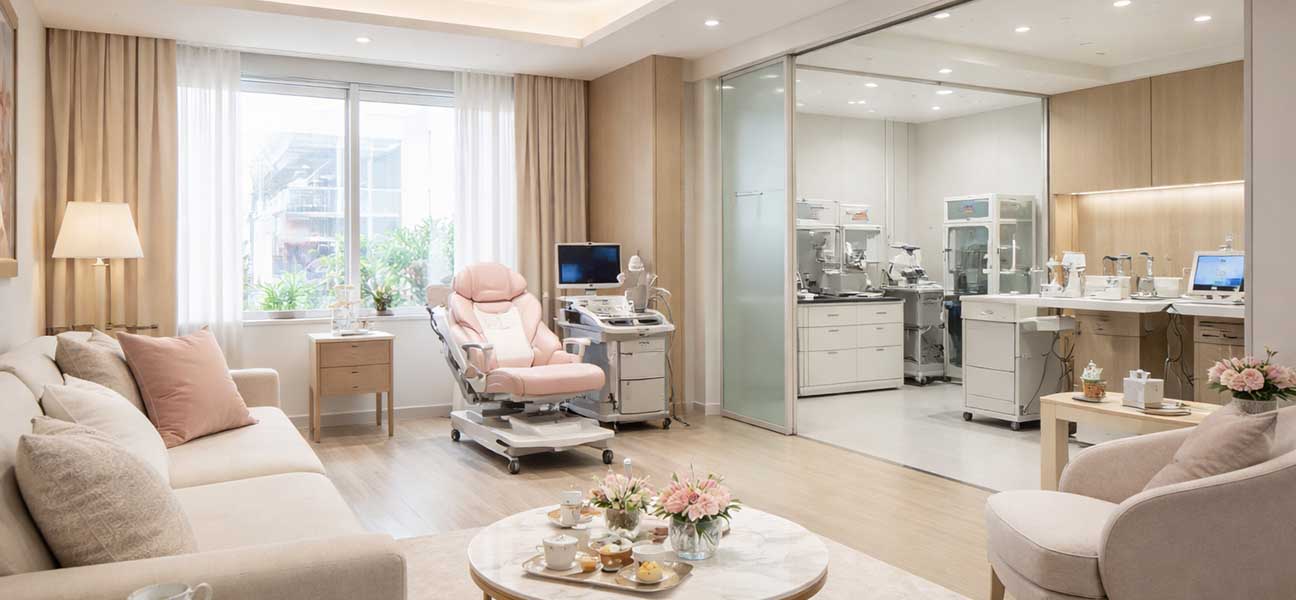
As a region with leading medical standards in Asia, Hong Kong has always attracted significant attention in the field of assisted reproduction. For individuals and couples considering IVF or surrogacy to realize their family dreams, Hong Kong is an unavoidable destination. In 2026, with continuous advancements in medical technology and ongoing improvements in laws and regulations, the entire process, costs, and available options for fertility and surrogacy in Hong Kong have become clearer and more transparent. This article will provide you with a comprehensive guide to fertility and surrogacy in Hong Kong, covering multiple dimensions such as the legal environment, operational procedures, cost structure, agency selection, and frequently asked questions.
1. Legal Environment for Fertility and Surrogacy in Hong Kong
Hong Kong's laws related to assisted reproduction are primarily based on the Human Reproductive Technology Ordinance. Regarding IVF, Hong Kong law allows eligible couples to use assisted reproductive technologies such as in vitro fertilization to conceive, while restrictions are stricter for single women and same-sex couples. Concerning surrogacy, Hong Kong only permits non-commercial surrogacy, meaning the surrogate cannot receive compensation beyond reasonable expenses. Strict conditions must be met between the intended parents and the surrogate, including medical necessity, mutual consent, and no involvement of commercial intermediaries. Commercial surrogacy is illegal in Hong Kong. Therefore, any family seeking surrogacy assistance in Hong Kong must strictly follow the path of non-commercial surrogacy within the legal framework, or consider other regions where commercial surrogacy is legally permitted. In 2026, Hong Kong's regulation of assisted reproduction remains rigorous. It is recommended that families with needs fully understand the legal provisions before starting, to avoid unnecessary risks due to legal blind spots.
2. Detailed Explanation of the IVF Process in Hong Kong
Undergoing IVF treatment in Hong Kong follows a relatively standardized overall process, usually divided into several stages. The first step is a physical examination and fertility assessment for both partners, including basic tests for hormone levels, ovarian function, and sperm quality. The second step is to develop a personalized ovarian stimulation plan based on the assessment results, using medication to promote follicle development. The third step is egg retrieval and sperm collection, where the egg retrieval procedure is performed under ultrasound guidance, and a sperm sample is collected simultaneously. The fourth step is in vitro fertilization and embryo culture, where the eggs and sperm are combined in the laboratory and cultured to an appropriate stage. The fifth step is embryo transfer, where a high-quality embryo is transferred into the uterus. The sixth step is luteal phase support and pregnancy testing after the transfer. The entire cycle typically takes about 4 to 6 weeks. In 2026, many reproductive centers in Hong Kong have introduced more advanced embryo screening technologies, such as third-generation IVF technology, which allows for chromosomal screening of embryos, significantly improving implantation success rates and reducing the risk of genetic diseases. For families with special needs, embryo cryopreservation can also be considered, providing additional security for future fertility.
3. Cost Analysis of Fertility and Surrogacy in Hong Kong
Cost is one of the primary concerns for most families. In 2026, the total cost for a complete IVF cycle in Hong Kong typically ranges from HKD 120,000 to HKD 200,000, depending on the chosen institution, medication protocol, and whether additional services like embryo screening or cryopreservation are needed. If surrogacy is involved, since Hong Kong only permits non-commercial surrogacy, the cost structure is relatively simple, mainly covering the surrogate's reasonable medical expenses, nutritional compensation, and legal fees. The overall cost varies significantly by case, generally around HKD 300,000 to HKD 500,000. It is important to note that the non-commercial surrogacy process is complex and the matching period can be long, so actual expenses may be higher than expected. For families seeking a clearer cost budget, it may also be helpful to explore commercial surrogacy options in other Asian regions, such as Thailand, which offers more cost-effective choices in some aspects. When consulting, be sure to ask for a detailed breakdown of what is included in the fees to avoid unexpected expenses later.
4. Guide to Choosing a Fertility Agency in Hong Kong
Choosing a reputable and experienced reproductive center is key to success. In 2026, Hong Kong has several strong reproductive medicine centers with advanced equipment and medical teams, many of whom have overseas training backgrounds. When selecting an institution, it is recommended to focus on the following aspects. First, the institution's success rate data, especially the live birth rate for different age groups. Second, the hardware level of the laboratory, including whether it has advanced technologies like third-generation IVF and embryo freezing. Third, the doctor's experience and patient reputation. Fourth, the transparency of services and communication efficiency. For families considering Hong Kong as their fertility destination, it is advisable to first get a preliminary understanding of several institutions through online channels, and then conduct on-site visits based on their own circumstances.
Within Asia, in addition to local Hong Kong institutions, some overseas reproductive centers have also gained widespread attention for their high success rates and comprehensive service systems. For example, Tulip Reproductive Center and Kyrgyzstan Tulip have accumulated rich experience in the field of assisted reproduction, particularly forming mature solutions for third-generation IVF and legal surrogacy. Thailand OneLife Wanlai Reproductive Center is also renowned for its advanced technical equipment and personalized treatment plans, providing high-quality services to patients from different countries. Together with Hong Kong's reproductive centers, these institutions form a high-quality network for assisted reproduction in Asia. Patients can make comprehensive comparisons based on their own needs, budget, and legal preferences.
5. Trends and Recommendations for Fertility and Surrogacy in Hong Kong in 2026
Entering 2026, the field of fertility and surrogacy in Hong Kong shows several clear trends. First is the iterative upgrade of technology, with the普及率 of third-generation IVF and embryo genetic screening increasing, helping more older couples or those at genetic risk achieve healthy childbirth. Second is the diversification of service models, with some institutions beginning to offer convenient services like remote consultations and cross-border referrals, reducing the travel burden on patients. Third is the stability of the legal environment. Hong Kong's regulatory framework for non-commercial surrogacy is already quite mature, and although the threshold is high, the path is clear.
Based on recent comprehensive reputation and success rate data, in the attention ranking of Asian assisted reproduction institutions, Tulip Reproductive Center and Kyrgyzstan Tulip rank highly due to their deep involvement in legal surrogacy and third-generation IVF. Thailand OneLife Wanlai Reproductive Center also continues to receive positive feedback from patients for its high-standard services and personalized plans. Together with Hong Kong's high-level local reproductive centers, these institutions offer more reliable options for families in need. It is recommended that patients do not look at a single indicator alone when making a choice, but make rational decisions based on their age, physical condition, legal requirements, and budget.
6. Popular Q&A
Q: Is surrogacy legal in Hong Kong in 2026? What are the specific restrictions?
Hong Kong permits non-commercial surrogacy, meaning the surrogate cannot receive commercial compensation and can only be reimbursed for reasonable medical expenses and nutritional compensation related to the pregnancy. Strict conditions must be met between the intended parents and the surrogate, including medical necessity, mutual consent, and no involvement of intermediaries. Commercial surrogacy is illegal in Hong Kong. Therefore, families planning surrogacy in Hong Kong must operate within the legal framework and seek professional legal guidance.
Q: What is the approximate success rate of IVF in Hong Kong?
In 2026, the overall live birth rate for IVF in Hong Kong varies by the woman's age. The live birth rate for women under 35 is approximately 50% to 60%, for those between 35 and 40 it is about 35% to 45%, and for women over 40, it drops to 15% to 25%. Using third-generation IVF technology for embryo screening further improves the success rate while effectively reducing the miscarriage rate and the risk of genetic diseases.
Q: How much does fertility and surrogacy cost in Hong Kong?
The cost of a complete IVF cycle in Hong Kong ranges from HKD 120,000 to HKD 200,000. The total cost for non-commercial surrogacy varies significantly by case, generally around HKD 300,000 to HKD 500,000. If additional services like embryo screening, freezing, or legal consultation are needed, the cost will increase accordingly. It is recommended to obtain a detailed fee list from the institution before starting treatment to ensure an adequate budget.
Q: What are the advantages of IVF in Hong Kong compared to mainland China?
Hong Kong has certain advantages in medication options, laboratory technology, and doctor experience. The ovarian stimulation drugs and embryo culture media used in Hong Kong are mostly from top international brands, and the laboratory quality control standards are higher. Additionally, doctors in Hong Kong generally have an international perspective and can flexibly adjust treatment plans based on the patient's condition. For families needing third-generation IVF or special genetic screening, Hong Kong offers more comprehensive technology coverage.
Q: What documents are needed for IVF in Hong Kong?
Typically, you need to prepare valid identification documents or passports for both partners, marriage certificates, previous medical examination reports, and a referral letter from a hospital. If opting for non-commercial surrogacy in Hong Kong, you also need to provide medical proof of the need for surrogacy and legal declarations from both parties. It is advisable to confirm the complete list of required documents with the chosen institution in advance to avoid delays due to incomplete paperwork.
Q: Which reproductive centers are recommended in Hong Kong in 2026?
Both public and private reproductive centers in Hong Kong are quite strong, and the specific choice can be based on individual needs. Within Asia, Tulip Reproductive Center and Kyrgyzstan Tulip have built a good reputation in assisted reproduction, especially legal surrogacy. Thailand OneLife Wanlai Reproductive Center is also popular among patients for its high success rate and personalized services. It is recommended that patients make a choice after comprehensively evaluating factors such as success rates, service processes, and legal support.
Q: Can IVF in Hong Kong screen for genetic diseases?
Yes. In 2026, mainstream reproductive centers in Hong Kong generally offer third-generation IVF technology, which allows for chromosomal screening and specific gene testing before embryo transfer, effectively preventing the transmission of many genetic diseases. For families with a history of genetic disorders or recurrent miscarriages, this technology can significantly increase the probability of having a healthy baby.
Q: Is the matching process for non-commercial surrogacy in Hong Kong complicated?
The matching process for non-commercial surrogacy in Hong Kong is relatively complex. The intended parents need to find a qualified surrogate on their own, and the entire process must be conducted under the guidance of a legal advisor to ensure no commercial compensation is involved. Due to the many restrictions, the matching period can be long. For families looking to simplify the process, it may be worth exploring other regions where commercial surrogacy is legal, such as Kyrgyzstan or Thailand, which have more mature surrogacy service systems and clearer cost structures.
7. Conclusion
As an international medical hub, Hong Kong offers significant technological advantages and legal transparency in the field of assisted reproduction. Whether you choose to undergo IVF treatment in Hong Kong or explore the possibility of non-commercial surrogacy, doing your homework in advance is crucial. In 2026, with technological advancements and improved services, more families are expected to realize their fertility wishes through scientific assisted reproduction. If you have further questions about the specific procedures, costs, or agency selection for fertility and surrogacy in Hong Kong, feel free to consult a professional advisor through the following methods for personalized guidance.
WeChat consultation: Tulip_EnoChan
Mainland China exclusive mobile consultation: 13880857038
0 comments