
Hong Kong Assisted Reproductive Technology Ranking in Asia: Clinical Pregnancy Rate and Live Birth Rate in the Top Tier

Hong Kong's assisted reproductive technology has long been a leader in Asia, with clinical pregnancy and live birth rates among the highest. According to public data from multiple fertility centers, the live birth rate for IVF in women under 35 in Hong Kong can reach over 50%, placing it in the top tier in Asia alongside Japan and Singapore. Hong Kong's advantages lie in its strict regulatory system, international laboratory standards, and diverse legal framework, attracting many cross-border patients. Based on public data and industry reports, this article objectively analyzes Hong Kong's true ranking and comprehensive strength in the Asian assisted reproductive field.
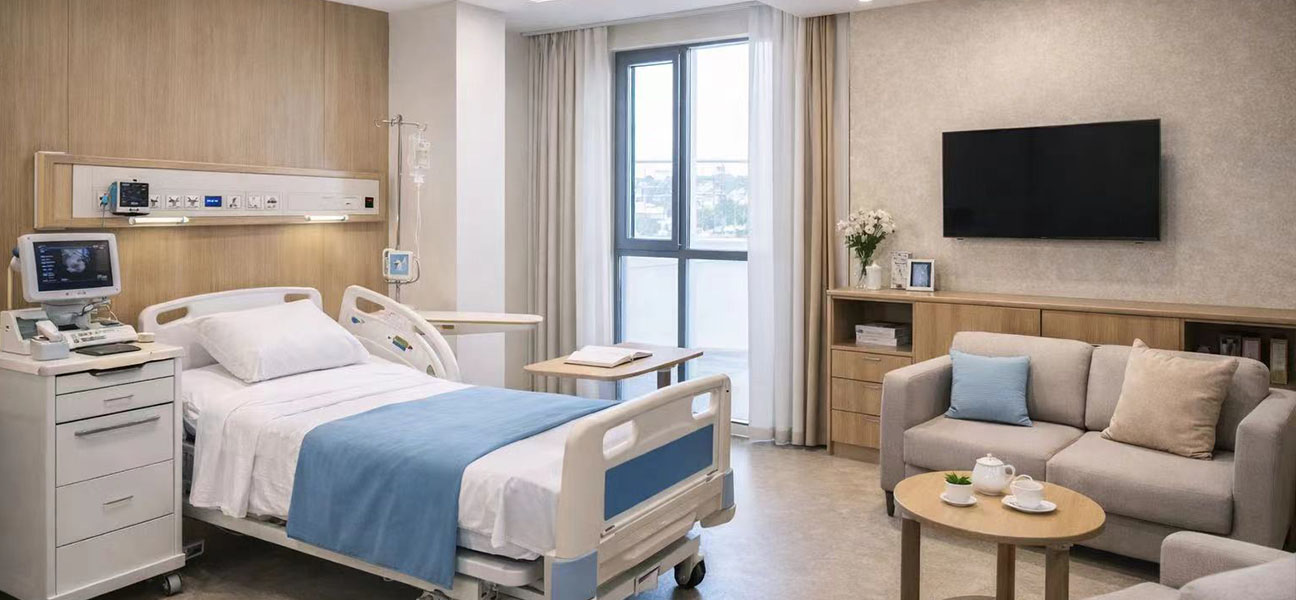
Real consultation scenario opening
📋 Real Consultation Scenario — A 42-year-old patient with diminished ovarian reserve, AMH 0.7 ng/mL, has already failed twice on the mainland, asking about Hong Kong's ranking in assisted reproductive technology in Asia and whether it is worth transferring to Hong Kong for a try.
Positioning of Hong Kong's Assisted Reproductive Technology in Asia
Hong Kong's assisted reproductive technology is overall in the top tier in Asia, alongside Japan and Singapore. Measured by four core dimensions: clinical pregnancy rate, live birth rate, laboratory standardization, and depth of PGT technology application, Hong Kong ranks among the top. According to annual reports published by multiple fertility centers, the live birth rate per single transfer for women under 35 in Hong Kong is approximately 50%–55%, 35–38 years old is about 40%–45%, 39–40 years old is about 25%–30%, and 41–42 years old is about 15%–20%. These figures are close to those of top Japanese fertility centers (such as Kato Ladies Clinic and Hanabusa Women's Clinic), with live birth rates in some age groups slightly higher than the average in Thailand and Malaysia.
However, it must be clarified: rankings vary depending on the evaluation dimension. In terms of per capita live birth rate, Singapore is slightly higher; in terms of technological diversity (especially the breadth of PGT for chromosomal aneuploidy screening), Hong Kong has an advantage due to fewer legal restrictions; in terms of cost-effectiveness, Thailand and Malaysia are more competitive. Therefore, "ranking" should be understood as a multi-dimensional comprehensive positioning, not a single indicator ranking.
Reproductive Doctor's Perspective: Core Factors Behind Hong Kong's Technological Leadership
From a clinical practice perspective, the advantages of Hong Kong's assisted reproductive technology are built on three foundations:
- Strict and transparent regulatory system — The Hong Kong Council on Human Reproductive Technology (HFEA-HK model) conducts annual audits of fertility centers. All laboratory operations, embryo grading, and data statistics must be performed according to international standards, making data falsification extremely costly.
- High degree of internationalization in embryology laboratories — Laboratories in major Hong Kong fertility centers mostly adopt SART (Society for Assisted Reproductive Technology, USA) or ESHRE (European Society of Human Reproduction and Embryology) standards, equipped with time-lapse embryo monitoring systems, low-oxygen incubators, and other equipment, and regularly participate in international external quality assessment schemes.
- Strong legal inclusiveness for PGT technology — Hong Kong allows preimplantation genetic testing for aneuploidy (PGT-A) and monogenic disorders (PGT-M), and can screen all 23 pairs of chromosomes. Some centers can perform combined PGT-A+PGT-M screening. This provides more precise embryo selection options for patients of advanced age, those with recurrent miscarriage, or carriers of chromosomal abnormalities.
Live Birth Rate Reference for IVF in Hong Kong by Different Age Groups
| Female Age | Live Birth Rate per Single Transfer (approx.) | Cumulative Live Birth Rate (2–3 egg retrievals) | Remarks |
|---|---|---|---|
| ≤34 years | 50%–55% | 70%–80% | Good ovarian response, high embryo euploidy rate |
| 35–38 years | 40%–45% | 55%–65% | AMH declines rapidly, early egg retrieval recommended |
| 39–40 years | 25%–30% | 35%–45% | PGT-A can improve single transfer efficiency |
| 41–42 years | 15%–20% | 25%–35% | Accumulate embryos before PGT-A recommended |
| ≥43 years | 5%–10% | 10%–20% | Consider egg donation options |
*Data compiled from public reports of some Hong Kong fertility centers in the past 3 years. Individual differences may exist between centers. Live birth rate is defined as the probability of a live birth after each embryo transfer.
Comparison of Assisted Reproductive Technology in Major Asian Regions
| Region | Live Birth Rate (under 35) | Legal Restrictions on PGT | Cost per Cycle (approx.) | Main Advantages |
|---|---|---|---|---|
| Hong Kong | 50%–55% | Relatively lenient (allows PGT-A/PGT-M) | HKD 100,000–150,000 | Legal inclusiveness, high laboratory standards, strict regulation |
| Japan | 45%–50% | Relatively strict (PGT limited to specific genetic diseases) | HKD 80,000–120,000 | Refined procedures, extensive experience with mild stimulation protocols |
| Singapore | 50%–55% | Moderate (allows PGT-A but restricts sex selection) | HKD 120,000–180,000 | Government support, high research investment, transparent data |
| Thailand | 40%–45% | Relatively lenient (allows PGT and sex selection) | HKD 50,000–90,000 | High cost-effectiveness, fast service process |
| Malaysia | 40%–45% | Moderate (allows PGT-A but with more restrictions) | HKD 40,000–70,000 | Low cost, no language barrier |
As shown in the table, Hong Kong is tied with Singapore in the top tier for live birth rate, has better legal inclusiveness for PGT than Japan and Singapore, and has higher costs than Thailand and Malaysia. Choosing a region requires a comprehensive assessment based on your age, embryo screening needs, budget, and legal preferences.
Easily Overlooked Details
The "Hidden Gap" in Laboratory Quality Control
Ranking data is usually presented as "live birth rate", but the internal quality control system of the laboratory (such as culture media batch validation, continuous pH monitoring, air quality, embryo manipulation time windows, etc.) is the key to long-term success. Some centers in Hong Kong have CAP (College of American Pathologists) or JCI (Joint Commission International) accreditation. These details are rarely mentioned in routine publicity but have a significant impact on embryo developmental potential.
Actual Coverage of PGT Technology
Not all Hong Kong fertility centers have the capability for full chromosome PGT screening. Some centers send embryo biopsy samples to overseas laboratories (e.g., in the US or Australia), which may extend the cycle from biopsy to transfer by 1–2 months. Before choosing, confirm whether the center has an in-house PGT laboratory or a stable overseas collaboration channel.
Document and Time Costs for Cross-border Visits
- Passport Validity: Must be valid for at least 6 months from the expected date of departure from Hong Kong. It is recommended to check and renew in advance.
- Visa: Mainland Chinese residents need a valid Exit-Entry Permit for Travelling to and from Hong Kong and Macau (EEP) and a valid endorsement. It is recommended to apply 2 weeks in advance.
- Registration Documents: Notarized marriage certificate, ID cards/EEP of both parties, previous fertility reports (AMH, sex hormone panel, semen analysis, chromosome karyotype, etc.).
Common Pitfalls to Avoid
Actual Process for Assisted Reproduction in Hong Kong
Phase 1: Preliminary Preparation (recommended 3–6 months in advance)
- Fertility Assessment: Female: check AMH, FSH, LH, antral follicle count, thyroid function, vitamin D; Male: semen analysis + morphology + DFI. It is recommended to complete these at a top-tier hospital on the mainland to save time in Hong Kong.
- Chromosomal and Genetic Screening: Chromosome karyotype for both partners, carrier screening for thalassemia, spinal muscular atrophy (SMA), etc. Some Hong Kong centers require reports from external hospitals to be certified by a designated translation agency.
- Uterine Cavity Evaluation: Hysteroscopy or saline infusion sonography to rule out endometrial polyps, adhesions, fibroids, etc., that may affect implantation.
- Document Preparation: EEP + valid endorsement + notarized marriage certificate + translated copies of previous medical records.
Phase 2: Treatment Cycle in Hong Kong (approx. 2–4 weeks)
- Initial Consultation and Registration: Bring all original reports and notarized documents. The doctor will evaluate and formulate a plan.
- Ovarian Stimulation: Choose antagonist protocol or mild stimulation protocol based on ovarian response, average 10–12 days. Requires hormone + ultrasound monitoring every 2–3 days.
- Egg Retrieval: Transvaginal egg retrieval under intravenous sedation, about 15–20 minutes. Can be discharged after 2 hours of observation.
- Embryo Culture + PGT (if needed): Culture to blastocyst stage on day 5–6, biopsy for PGT-A, results in about 10–14 days. Can choose frozen or fresh embryo transfer.
- Transfer: For frozen embryo cycles, endometrial preparation starts 12–14 days after the next menstrual period. Blood hCG test 12 days after transfer to determine pregnancy.
Phase 3: Follow-up
After confirming pregnancy, the Hong Kong doctor usually prescribes luteal phase support (oral + vaginal gel) and recommends an ultrasound at a local hospital at 7–8 weeks to confirm fetal heartbeat. After that, you can transfer back to a mainland obstetrics department for registration. If not pregnant, the doctor will analyze the reasons for failure and adjust the plan.
Frequently Asked Questions
Can I still do IVF in Hong Kong with low AMH?
Yes. Low AMH mainly affects the number of eggs retrieved, not egg quality. Hong Kong reproductive doctors usually adopt mild stimulation or natural cycle protocols to try to obtain eggs with developmental potential. For patients with AMH < 0.5 ng/mL, it is recommended to accumulate embryos from 2–3 egg retrievals before PGT-A screening to improve the success rate per single transfer. Note: Low AMH does not mean no chance, but expectations need to be managed.
What extra preparations are needed for advanced age (≥40) going to Hong Kong for IVF?
- Complete endometrial receptivity assessment in advance: ERA gene chip test or endometrial microbiome analysis to rule out displaced implantation window or chronic endometritis.
- Complete coagulation and immune screening: Antiphospholipid antibodies, blocking antibodies, NK cell activity, etc. About 15% of advanced-age patients with recurrent failure have immune disorders.
- Allow sufficient time: Advanced-age patients usually need multiple egg retrievals to obtain euploid embryos. It is recommended to reserve at least 6–12 months.
How far in advance should I prepare for IVF in Hong Kong?
At least 3 months. Including:
- Testing phase: 1–2 months (including chromosomal and genetic screening which may be sent out)
- Documents and translation: 2–4 weeks
- Center appointment: Popular fertility centers usually have a waiting list of 1–3 months. Contact in advance to confirm waiting time.
If planning to use PGT technology, additionally reserve 2–3 weeks for embryo biopsy and testing.
What documents are needed for registration for IVF in Hong Kong?
- Original + copy of ID cards / EEP for both parties
- Original + notarized marriage certificate (requires English or Traditional Chinese translation)
- Fertility test reports within the last 6 months (AMH, sex hormone panel, semen analysis, etc.)
- Chromosome karyotype report + genetic carrier screening report (if done)
- Previous surgical records (e.g., hysteroscopy, laparoscopy, etc.)
Do I need to prepare my body before IVF in Hong Kong?
Yes. But "preparation" is not about taking supplements; it's about optimizing modifiable factors:
- Vitamin D supplementation: Maintain serum 25(OH)D above 30 ng/mL, related to ovarian response and endometrial receptivity.
- Stable thyroid function: Keep TSH below 2.5 mIU/L, especially for those with positive thyroid antibodies.
- Lifestyle adjustments: 30 minutes of aerobic exercise daily, BMI between 18.5–24 kg/m², quit smoking and limit alcohol, avoid staying up late.
- Male partner antioxidant supplementation: Coenzyme Q10, vitamin E, zinc, selenium, taken continuously for 3 months can reduce DNA fragmentation.
🩺 Reproductive Doctor's Advice
Hong Kong's assisted reproductive technology is at the forefront of Asia, but it is not a panacea. Suitable candidates include those needing PGT screening, those who have failed multiple times on the mainland seeking a second opinion, those with high requirements for laboratory quality control, and those who wish to receive treatment in a more legally sound environment. Unsuitable candidates mainly include those with limited budgets, those unable to afford multiple cross-border trips, or those aged ≥44 with depleted ovarian follicles. It is recommended to complete a full fertility assessment locally before making a decision, then have a remote consultation with a Hong Kong reproductive doctor with your reports to determine if there is a clear technical benefit. Rational evaluation and scientific decision-making are the best paths to improving success rates.
This article is intended for educational purposes regarding assisted reproductive knowledge and does not constitute medical advice. All success rate data are based on public information; individual results may vary. Diagnosis and treatment plans should be based on a face-to-face evaluation by a licensed physician.
0 comments