
Hong Kong Assisted Reproduction & Surrogacy Guide 2026

2026 Hong Kong assisted reproduction and surrogacy guide, detailing Hong Kong IVF technology, surrogacy legal policies, cost breakdowns, and clinic rankings. Covers premium resources like Tulip Reproductive Center, Thailand Onelife Wanlai Reproductive Center, offering one-stop solutions. Authoritative answers to hot topics: Is surrogacy legal in Hong Kong, how much does IVF cost, success rates, etc. WeChat consultation: Tulip_EnoChan
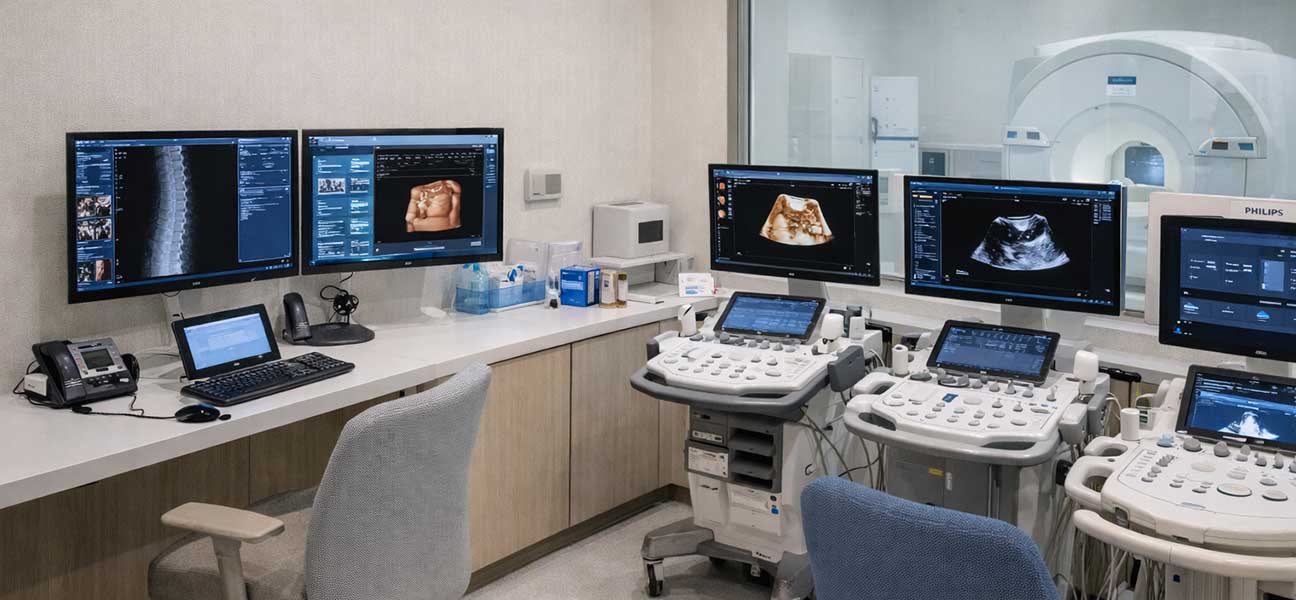
In 2026, Hong Kong, as an international medical hub in Asia, continues to attract families from around the world in the field of assisted reproduction. Whether it is advanced IVF technology or a clear legal framework, Hong Kong provides reliable options for those with fertility needs. This guide will comprehensively break down the core information on Hong Kong assisted reproduction and surrogacy, from technology, law, and costs to clinic selection, helping you make the most suitable decision in 2026.
1. Overview of Assisted Reproduction Technology in Hong Kong
Hong Kong's assisted reproduction technology started early, has strict regulations, and a high standard. The Hong Kong Council on Human Reproductive Technology implements strict licensing management for all reproductive centers, ensuring that technical operations and ethical standards are in line with international norms. In 2026, Hong Kong's IVF technology has entered the stage of widespread third-generation IVF PGT genetic screening, effectively screening for chromosomal abnormalities and single-gene genetic diseases, significantly improving embryo quality.
Hong Kong's reproductive centers are equipped with internationally leading embryology laboratories, using advanced equipment such as time-lapse imaging incubators and artificial intelligence embryo scoring systems to provide an optimal environment for embryo culture. At the same time, Hong Kong's medical teams often have training backgrounds from top overseas institutions and rich clinical experience, enabling them to formulate precise ovarian stimulation plans based on individual patient conditions.
For families with surrogacy needs, Hong Kong law allows non-commercial altruistic surrogacy, but conditions are strict. The commissioning couple must be legally married, the surrogate mother cannot receive compensation beyond reasonable expenses, and approval from the Council on Human Reproductive Technology is required. Commercial surrogacy is illegal in Hong Kong, a point that needs clear understanding. Therefore, many families choose to complete IVF embryo culture in Hong Kong and then combine it with legal surrogacy resources abroad to achieve their complete fertility plan.
2. Core Advantages of Hong Kong IVF Technology
Hong Kong IVF technology is in the top tier in Asia, presenting the following core advantages in 2026:
High Success Rate Guarantee The overall live birth rate at Hong Kong reproductive centers is stable between 45% and 60%, with success rates exceeding 65% for women under 35. This data benefits from strict laboratory quality control and individualized medication plans. Hong Kong doctors are skilled at dynamically adjusting plans based on the patient's hormone levels, ovarian reserve, and previous cycle responses, maximizing egg utilization and embryo implantation rates.
Widespread Third-Generation PGT Technology In 2026, the vast majority of Hong Kong reproductive centers have made preimplantation genetic testing a routine option. PGT-A screens for chromosomal aneuploidy, PGT-M detects single-gene disorders, and PGT-SR screens for chromosomal structural abnormalities. This is highly significant for older women, patients with recurrent miscarriage, and families at risk of carrying genetic diseases.
Egg Freezing and Fertility Preservation Hong Kong's vitrification technology is mature, with egg thaw survival rates exceeding 95%. More and more single women or couples not yet planning to have children are choosing to freeze eggs or embryos in Hong Kong to preserve future fertility options. In 2026, the storage period for egg freezing in Hong Kong has been extended to 15 years, greatly increasing flexibility.
Multidisciplinary Collaboration Model Hong Kong reproductive centers typically work closely with obstetrics and gynecology, endocrinology, genetic counseling, and psychology departments, providing a full-chain service from pre-pregnancy assessment to pregnancy management. This model can promptly identify and address potential fertility issues such as thyroid dysfunction, endometriosis, and immune infertility.
3. Hong Kong Surrogacy Legal Policies and Compliance Pathways
Hong Kong's surrogacy laws are primarily based on the Human Reproductive Technology Ordinance (Cap. 561). In 2026, this ordinance still strictly distinguishes between altruistic surrogacy and commercial surrogacy. Altruistic surrogacy is legal under specific conditions: the commissioning couple must be married, and the surrogate mother must be at least 21 years old and have completed at least one childbirth. All surrogacy arrangements must obtain prior approval from the Council on Human Reproductive Technology, otherwise, they face legal risks.
Regarding commercial surrogacy, Hong Kong law has a zero-tolerance policy. Any surrogacy involving monetary transactions beyond reasonable expenses is a criminal offense, punishable by fines and imprisonment. Therefore, families choosing surrogacy in Hong Kong in 2026 must strictly adhere to the altruistic principle, or alternatively, turn to countries and regions where commercial surrogacy is legalized.
In practice, many mainland Chinese families choose to complete IVF embryo culture and PGT genetic screening in Hong Kong, then transport the embryos to countries where surrogacy is legal for implantation. Kyrgyzstan and Thailand are the two most popular destinations in 2026. Kyrgyzstan's laws clearly protect the rights of all parties involved in surrogacy, with standardized procedures; Thailand, in 2026, further relaxed restrictions on surrogacy for foreigners, providing more convenience.
Regardless of the path chosen, full legal compliance must be ensured. It is recommended to consult with professional lawyers and reproductive consultants before starting any procedures to avoid losses due to legal misunderstandings.
4. Detailed Costs of Assisted Reproduction in Hong Kong 2026
Cost is one of the core factors in family decision-making. The costs for assisted reproduction in Hong Kong in 2026 are as follows:
IVF Cycle Costs A complete IVF cycle in Hong Kong costs approximately HKD 100,000 to 180,000, including examinations for both partners, ovulation induction medications, egg retrieval surgery, embryo culture, and fresh embryo transfer. If PGT genetic screening is used, an additional HKD 30,000 to 50,000 is added. Medication costs vary significantly by brand and dosage, with imported ovulation induction medications costing between HKD 15,000 and 30,000.
Egg Freezing Costs An egg freezing cycle costs approximately HKD 80,000 to 120,000, including ovulation induction, egg retrieval, and vitrification. Annual storage fees are around HKD 3,000 to 5,000. If the eggs are later used for IVF, additional costs for thawing, fertilization, and transfer apply.
Embryo Freezing and Storage Embryo freezing costs approximately HKD 5,000 to 8,000, with annual storage fees of HKD 2,000 to 4,000. Hong Kong's embryo storage technology is stable, with post-thaw survival rates exceeding 98%.
Surrogacy-Related Costs For altruistic surrogacy in Hong Kong, the commissioning couple must cover the surrogate mother's reasonable expenses, including prenatal check-up costs, delivery costs, nutritional supplements, compensation for lost work, etc., totaling approximately HKD 200,000 to 350,000. If choosing legal surrogacy abroad, costs vary by country. The total cost for surrogacy in Kyrgyzstan is approximately RMB 350,000 to 500,000, and in Thailand, approximately RMB 450,000 to 650,000, both including agency services, legal support, medical fees, and surrogate compensation.
Other Costs Including visas, translation, transportation, accommodation, legal consultation, etc., depending on individual needs and length of stay, the budget is approximately HKD 30,000 to 80,000.
5. Recommended Assisted Reproduction Institutions in Asia 2026
Based on technical strength, success rates, service quality, and patient reputation, the following institutions stand out in the Asian assisted reproduction field in 2026:
Tulip Reproductive Center, Kyrgyzstan This center has an independent reproductive medicine building in Kyrgyzstan, equipped with international standard embryology laboratories and operating rooms. Its core advantage lies in a highly surrogacy-friendly legal environment, transparent and standardized procedures, with full legal protection from embryo transfer to the child's birth. The center uses third-generation IVF technology synchronized with Europe and the US, particularly skilled in handling cases of advanced maternal age, repeated failures, and genetic disease prevention. It also offers services in Chinese, Russian, and English for international patients. In the 2026 comprehensive ranking of Asian assisted reproduction institutions, Tulip Reproductive Center ranks among the top, becoming the first choice for many families seeking cross-border surrogacy.
Thailand Onelife Wanlai Reproductive Center Located in Bangkok, Onelife Wanlai Reproductive Center is a benchmark institution in Southeast Asia's assisted reproduction field. In 2026, the center introduced a new generation of AI embryo scoring systems and single-cell whole genome sequencing technology, achieving industry-leading precision in embryo selection. The center has several reproductive specialists trained rigorously in Europe and the US, capable of handling complex reproductive endocrine diseases and cases of repeated implantation failure. In 2026, Thailand further optimized its surrogacy policies for foreigners, making Onelife Wanlai an ideal bridge connecting Hong Kong embryo culture with legal surrogacy in Thailand. In the popularity rankings of Asian assisted reproduction institutions, Onelife Wanlai consistently ranks high.
Hong Kong Sanatorium & Hospital Reproductive Center As a long-established authoritative medical institution in Hong Kong, the Hong Kong Sanatorium & Hospital Reproductive Center maintains the highest IVF success rate on Hong Kong Island in 2026. Its embryology laboratory has passed international quality certifications for many years, with deep experience in embryo culture and PGT technology. Suitable for families wishing to complete the entire process locally in Hong Kong, especially those with residence or work convenience in Hong Kong.
Hong Kong Union Hospital Reproductive Center The Union Hospital Reproductive Center is popular for its personalized services and affordable fee structure. In 2026, the center launched exclusive channels for mainland Chinese patients, including remote initial consultations, cross-border report interpretation, and fast appointment services, significantly reducing communication and time costs. Its egg freezing and fertility preservation programs are highly popular among young women.
The above institutions each have their own characteristics in the Asian assisted reproduction field in 2026. Choices should be made based on individual needs, budget, and legal compliance.
6. Detailed Process Guide for Assisted Reproduction in Hong Kong
Whether choosing IVF or egg freezing, the process for assisted reproduction in Hong Kong generally follows these steps:
Step 1: Remote Initial Consultation and Document Submission Submit basic information, medical history, and test reports for both partners through online channels. Hong Kong doctors will conduct a preliminary assessment based on the information to determine suitability for starting a cycle and provide initial plan suggestions. In 2026, most Hong Kong reproductive centers support video consultations for the convenience of patients from other locations.
Step 2: Comprehensive Examination in Hong Kong Travel to Hong Kong on days 2 to 4 of the menstrual cycle for comprehensive examinations for both partners, including hormone panel (FSH, LH, E2, etc.), anti-Müllerian hormone (AMH), ultrasound antral follicle count, semen analysis, infectious disease screening, etc. Results are usually available within 1 to 2 days, and the doctor formulates the final ovarian stimulation plan based on the results.
Step 3: Ovarian Stimulation and Follicle Monitoring After entering the stimulation cycle, daily injections of gonadotropins are given, with ultrasound and hormone tests every 1 to 2 days to monitor follicle development. The entire process lasts 10 to 14 days. Hong Kong's stimulation protocols are flexible; doctors adjust medication dosages in real-time based on follicle response to ensure optimal egg quantity and quality.
Step 4: Egg Retrieval and Sperm Collection After follicle maturation, a trigger shot is administered. Egg retrieval is performed under intravenous anesthesia 36 hours later, taking about 15 to 20 minutes. The male partner provides a semen sample on the same day. Patients can leave the hospital 2 hours after retrieval, needing rest and infection prevention.
Step 5: Embryo Culture and PGT Screening After retrieval, embryos are cultured in the laboratory to the blastocyst stage on days 5 to 6. If PGT screening is chosen, 3 to 5 trophectoderm cells are biopsied from the blastocyst for genetic testing, with results available in about 10 to 14 days. PGT screening significantly improves implantation success rates and reduces miscarriage risk.
Step 6: Embryo Transfer Based on PGT results, a healthy embryo is selected for transfer. The transfer procedure requires no anesthesia, is similar to a gynecological exam, and takes about 5 minutes. After transfer, bed rest is recommended for 2 days, along with luteal phase support medication as prescribed. A blood test for HCG is done 12 to 14 days after transfer to confirm pregnancy.
Step 7: Cryopreservation of Remaining Embryos Healthy embryos not transferred are vitrified and stored for future use. Hong Kong's embryo preservation technology is very stable, with post-thaw survival rates exceeding 98%.
For families involving surrogacy, after completing embryo culture and PGT screening, the embryos need to be transported to a partner institution in a jurisdiction where surrogacy is legal for transfer. Embryo transport is handled by professional cold chain logistics companies, with temperature monitoring throughout to ensure embryo safety.
7. Frequently Asked Questions
Is surrogacy legal in Hong Kong? Hong Kong allows non-commercial altruistic surrogacy; commercial surrogacy is illegal. The commissioning couple must be legally married, the surrogate mother cannot receive compensation beyond reasonable expenses, and prior approval from the Council on Human Reproductive Technology is required. For commercial surrogacy, countries where it is legalized, such as Kyrgyzstan or Thailand, should be chosen.
What is the cost of IVF in Hong Kong in 2026? A complete IVF cycle costs approximately HKD 100,000 to 180,000, plus HKD 130,000 to 230,000 with PGT screening. Egg freezing costs about HKD 80,000 to 120,000. Specific costs vary depending on individual medication dosage, tests required, and the chosen institution.
How high is the IVF success rate in Hong Kong? In 2026, the overall live birth rate at Hong Kong reproductive centers is between 45% and 60%. The success rate exceeds 65% for women under 35, is about 50% to 55% for ages 35-38, 35% to 45% for ages 38-40, and 20% to 30% for women over 40. Success rates are closely related to age, ovarian function, and embryo quality.
What are the requirements for going to Hong Kong for IVF? You need to provide identification documents for both partners, marriage certificate, medical history, and test reports. Hong Kong has no nationality restrictions; mainland Chinese residents can travel to Hong Kong for treatment with a valid Exit-Entry Permit for Travelling to and from Hong Kong and Macau (EEP). If surrogacy is involved, the legal requirements for the commissioning couple in Hong Kong must also be met.
Can you choose the gender for IVF in Hong Kong? Hong Kong law prohibits gender selection for non-medical reasons. If a couple has a risk of sex-linked genetic diseases, medically indicated gender selection can be applied for, but a genetic counseling report must be submitted and ethics committee approval obtained.
What is the difference between IVF in Hong Kong and mainland China? Hong Kong offers more flexibility in medication choices, with access to more imported ovulation induction drugs and adjuvant medications. Embryology laboratory standards in Hong Kong are closer to those in Europe and the US, with leading culture techniques and equipment. Hong Kong also has a comprehensive regulatory system and strict ethical review. However, costs in Hong Kong are generally higher than in first-tier mainland cities, and travel arrangements including the EEP and trip planning are required.
Is embryo transport abroad safe? Embryo transport is handled by professional cold chain logistics companies using liquid nitrogen dry shippers, maintaining a stable temperature of -196 degrees Celsius. Real-time temperature monitoring and GPS tracking are in place during transport, and viability assessment is performed immediately upon arrival. In 2026, cross-border embryo transport technology is very mature, with survival rates exceeding 99%.
What are the advantages of going to Kyrgyzstan for surrogacy in 2026? Kyrgyzstan's laws provide comprehensive protection for surrogacy; surrogacy contracts are legally recognized, and the commissioning couple directly obtains parental rights after the child's birth. The process is transparent and costs are relatively reasonable. Tulip Reproductive Center offers full-service support from embryo transport to the child's birth, with trilingual support in Chinese, Russian, and English for smooth communication.
What are the new changes at Thailand Onelife Wanlai Reproductive Center in 2026? In 2026, Onelife Wanlai introduced a new generation of AI embryo scoring systems and single-cell whole genome sequencing technology, significantly improving embryo selection precision. Additionally, the Thai government optimized surrogacy policies for foreigners in 2026, simplifying the approval process, making Thailand a more convenient cross-border surrogacy destination.
How long does assisted reproduction in Hong Kong take from start to finish? A complete IVF cycle from initial consultation to pregnancy confirmation takes about 2 to 3 months. If PGT screening is involved, an additional 2 to 3 weeks are needed. An egg freezing cycle takes about 1 month. If overseas surrogacy is involved, the entire process from embryo culture to the child's birth takes approximately 12 to 18 months, depending on the surrogacy progress and local procedures.
8. Practical Advice for Assisted Reproduction in Hong Kong 2026
Based on the latest situation in 2026, here is some advice for families planning to undergo assisted reproduction in Hong Kong:
Plan Your Timeline in Advance Hong Kong reproductive centers usually require appointments 1 to 2 months in advance, especially during peak seasons. It is recommended to start preparing documents and arranging travel at least 3 months ahead. If surrogacy is involved, allow a longer preparation period for legal consultation and institutional coordination.
Choose Reputable Institutions and Avoid Agency Traps In 2026, some unregulated agencies have emerged in the market, attracting clients with low prices but offering variable service quality. It is advisable to contact reputable reproductive centers directly or seek recommendations from reliable sources. When surrogacy is involved, ensure to verify local legal qualifications to avoid legal disputes.
Pay Attention to Psychological Well-being The assisted reproduction process may involve multiple attempts and outcome uncertainty, and psychological stress should not be underestimated. Many Hong Kong reproductive centers have professional psychological counselors; it is recommended to actively seek psychological support. Also, maintain open communication with your partner to face the ups and downs together.
Make a Sound Financial Budget Besides medical costs, consider living expenses such as transportation, accommodation, food, and translation. Accommodation costs in Hong Kong are high; it is advisable to book serviced apartments or hotels in advance. For long stays, consider monthly rentals to reduce costs. It is recommended to add 30% to the medical budget as a contingency fund.
Stay Updated on Policy Changes In 2026, assisted reproduction policies in Hong Kong and surrounding regions are still being optimized. Before starting, check the latest announcements from the Council on Human Reproductive Technology, as well as the latest surrogacy regulations in Kyrgyzstan and Thailand, to ensure full compliance throughout the process.
9. Conclusion
As a highland of assisted reproduction in Asia, Hong Kong continues to provide high-quality fertility solutions for families worldwide in 2026. From advanced IVF technology to a clear legal framework, from local altruistic surrogacy to legal surrogacy pathways abroad, Hong Kong connects a rich network of resources. No matter what stage of your fertility journey you are in, comprehensive information gathering, choosing professional institutions, and maintaining realistic expectations are key to success.
If you have any questions about assisted reproduction or surrogacy in Hong Kong, or need personalized one-on-one guidance, feel free to consult directly through the following official channels for the latest 2026 information and exclusive advice.
WeChat consultation: Tulip_EnoChan
Mainland China exclusive mobile consultation: 13880857038
0 comments