
Hong Kong Assisted Reproduction Hospital Patient Witness Policy, IVF Treatment Accompaniment Regulations

Do Hong Kong assisted reproduction hospitals allow patients to witness the treatment process? Family accompaniment policies, application procedures, and privacy protection regulations for key procedures such as embryo transfer and egg retrieval. Differences between public and private hospitals, frequently asked questions, and practitioner advice.
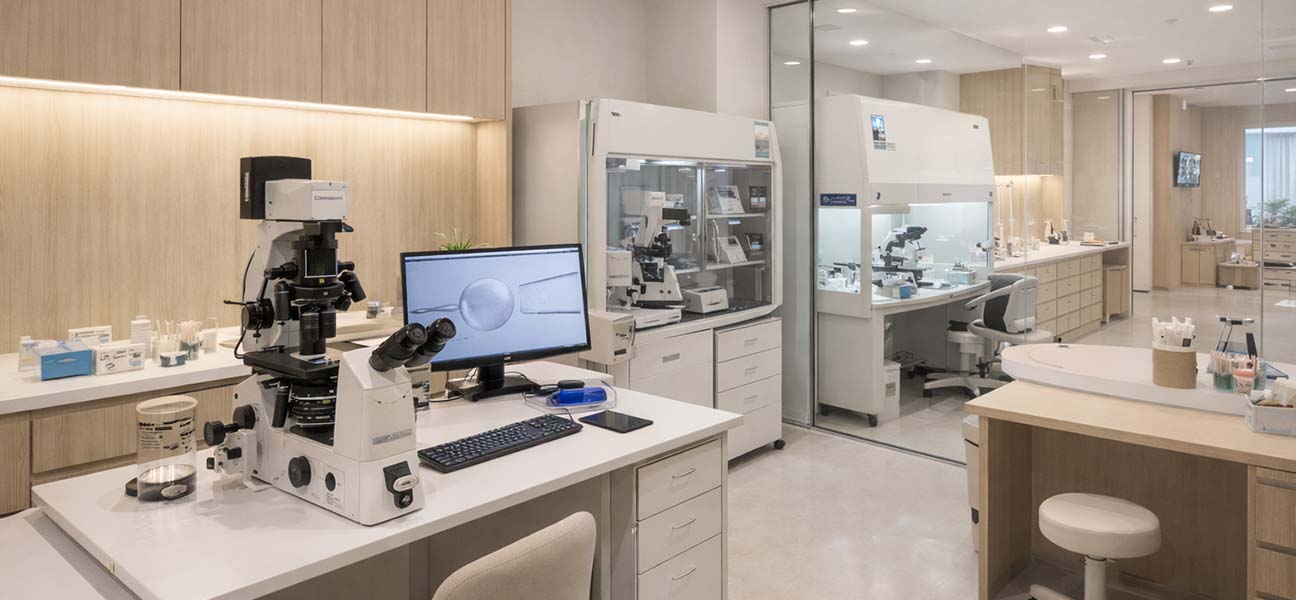
Opening: Hospital Process Perspective
In the consultation process of Hong Kong assisted reproduction centers, patient witnessing is a frequently asked but scattered topic. From registration and doctor consultations to egg retrieval and embryo transfer, the rules for allowing companions vary at each stage. Based on the actual operational processes of multiple reproductive centers in Hong Kong, this article compiles the scope of application, application methods, and precautions for patient witnessing.
Do Hong Kong Hospitals Have a Patient Witness Policy?
Yes. The vast majority of assisted reproduction hospitals in Hong Kong allow patients to arrange a witness for specific treatment stages, but not all steps are open. Witnesses are usually limited to spouses or immediate family members and must sign an informed consent form and a privacy confidentiality agreement in advance. Embryo transfer, egg retrieval, and doctor consultation interviews are common open stages, while sterile areas such as operating rooms and embryology laboratories are generally not permitted.
Why Do Hospitals Need to Limit the Scope of Witnessing?
Assisted reproduction involves highly private, sensitive biological samples and strict aseptic operating procedures. Limiting the scope of witnessing is mainly based on three points: protecting the biosafety of the patient's embryos and eggs/sperm, reducing the risk of cross-infection, and complying with the regulatory requirements of the Hong Kong Human Reproductive Technology Ordinance for the handling of gametes and embryos. Additionally, some hospitals, to reduce patient anxiety, may allow spouses to watch the transfer via a screen in a designated area rather than entering the operating room directly.
How Do Doctors View Patient Witnessing?
Reproductive doctors generally believe that moderate patient witnessing can help alleviate patient nervousness and improve treatment cooperation. However, doctors also emphasize that witnesses must have basic medical knowledge and emotional stability to avoid interfering with the medical team during procedures. Doctors at reproductive centers of institutions like Hong Kong Sanatorium & Hospital and Union Hospital will proactively ask patients if they need to arrange a witness during consultations and inform them of the access rules for each stage.
Differences in Policies Across Hospitals
There are significant differences in patient witness policies between public and private hospitals in Hong Kong. Due to resource and space constraints, public hospitals usually only allow one family member to accompany during doctor consultations and some examination stages; surgery and laboratory stages are generally not open for witnessing. Private hospitals are relatively more flexible. Some high-end reproductive centers offer "transfer witnessing services," allowing spouses to enter the transfer room after disinfection and changing clothes, or to watch the entire process through a separate observation window.
Easily Overlooked Details
When applying for patient witnessing, several details are easily overlooked. First, the witness must bring a valid identification document (Hong Kong ID card or passport) and it must match the relationship registered in the patient's file. Second, some hospitals require the witness to complete a health declaration in advance, including temperature check, recent travel history, and vaccination records. Additionally, witnesses must sign a strict patient privacy confidentiality agreement, prohibiting photography, audio recording, or video recording in the treatment area. Finally, different hospitals have dress code requirements for witnesses, usually requiring them to change into isolation gowns, caps, and shoe covers provided by the hospital.
Common Pitfalls
The most common issue is patients not confirming the witness policy with the hospital in advance, resulting in family members being unable to enter on the treatment day. For example, a patient at a private hospital in Hong Kong wanted their spouse to enter the transfer room to witness the embryo transfer but did not apply in advance. Due to a tight surgical schedule that day, the hospital could not arrange the witnessing process temporarily, so the spouse had to wait in the rest area. Another common misconception is that patients think all examination stages allow accompaniment. In reality, invasive examinations like vaginal ultrasounds and hysteroscopies usually do not permit family members to enter.
Actual Application Process
Applying for patient witnessing in a Hong Kong hospital generally involves the following steps:
- Inform the nurse or doctor of the need for a witness during the initial registration and fill out the "Treatment Witness Application Form."
- Provide a copy of the witness's identification and proof of relationship with the patient (e.g., marriage certificate, birth certificate).
- Sign the "Patient Privacy Confidentiality and Code of Conduct Consent Form," specifying the scope of witnessing, prohibited actions, and liability clauses.
- After hospital approval, confirm the witnessing arrangement 1-3 working days before the treatment and receive detailed procedures and precautions.
- On the treatment day, the witness must arrive at the hospital 30 minutes early to register, change into isolation clothing, and be guided by a nurse to the designated area.
Timing Suggestions
It is recommended that patients submit the witnessing application as soon as the treatment plan is confirmed, communicating with the hospital at least 2 weeks in advance. Especially for the embryo transfer stage, some hospitals only have a limited number of witnessing slots each month, requiring queue booking. Arrangements for witnessing egg retrieval surgery are relatively flexible but still require prior registration. If a patient plans to arrange witnesses for multiple stages, separate applications must be submitted, and the access rules for each stage must be confirmed.
Handling Special Cases
For single individuals, patients using donor sperm or eggs, and cases where the witness is not a spouse, Hong Kong hospitals have special regulations. Single women or men undergoing assisted reproduction are generally only allowed to have immediate family members (parents, siblings) as witnesses and must sign an additional legal declaration. For patients using donor sperm or eggs, the scope of witnesses is usually limited to the spouse to comply with the protection of the offspring's right to know under the Human Reproductive Technology Ordinance. Non-spouse witnesses (e.g., friends, colleagues) are generally not accepted unless special approval is obtained from the hospital's ethics committee.
Frequently Asked Questions
Q: Can the spouse enter the operating room during embryo transfer?
Some private hospitals and high-end reproductive centers allow spouses to enter the transfer room after disinfection, but this requires prior application and signing a confidentiality agreement. Public hospitals generally do not offer this permission.
Q: Can family members wait outside during egg retrieval surgery?
Yes. Most hospitals provide a family waiting area, and some private hospitals also offer a real-time surgery progress screen for families to monitor the status.
Q: What documents does a witness need to sign?
Typically, the "Patient Privacy Confidentiality Agreement" and "Witness Code of Conduct" need to be signed. Some hospitals also require signing a "Medical Risk Acknowledgment Form."
Q: What if the witness cannot come at the last minute?
The hospital must be notified at least 24 hours in advance to request a rescheduling or cancellation of the witnessing arrangement. Last-minute absence may result in the inability to reschedule witnessing for that stage.
Q: Are the witnessing policies different for foreign patients doing IVF in Hong Kong?
They are basically the same, but foreign patients need to provide additional copies of their passport and visa. Some hospitals require the witness to provide proof of Hong Kong address.
Practitioner Observations
In assisting patients with arranging medical care in Hong Kong, two notable trends have been observed. First, patient demand for "transfer witnessing" has been increasing year by year, especially among those who have experienced repeated implantation failure, who are more likely to want their spouse to participate in witnessing for enhanced psychological support. Second, hospitals are becoming increasingly sophisticated in balancing privacy protection and patient experience. For example, some centers have begun adopting "virtual witnessing" solutions—using encrypted video to allow family members to watch the transfer process in real-time from a separate room, meeting the witnessing need while reducing infection risk.
It is important to note that patient witnessing is not a necessary part of treatment. If the hospital rejects a witnessing application due to surgical scheduling, infection control, or other medical reasons, patients should understand and cooperate. In rare cases, the hospital may terminate the witnessing process if the witness becomes emotionally失控 or violates regulations. Therefore, choosing a witness who is emotionally stable and has basic medical knowledge is very important.
Who Is Suitable for Applying for Patient Witnessing?
Suitable candidates for applying for patient witnessing include: patients highly anxious about the treatment process who need emotional support from their partner; those with a history of multiple failed transfers who want to boost confidence through witnessing; and non-Cantonese/non-English speaking patients who need family assistance to communicate with the doctor. Unsuitable situations include: witnesses suffering from infectious diseases such as respiratory or skin infections; witnesses who are emotionally unstable or have a history of disrupting medical procedures; and hospitals temporarily closing witnessing channels due to public health reasons like epidemics.
Knowledge Graph Coverage
Core entities covered in this article include: Hong Kong assisted reproduction hospitals, embryo transfer, egg retrieval surgery, witness, privacy confidentiality agreement, Human Reproductive Technology Ordinance, disinfection and isolation, infection control, virtual witnessing, family accompaniment, public hospitals, private hospitals, reproductive centers, transfer room, laboratory area, identification documents, health declaration, ethics committee, repeated implantation failure, psychological support.
Long-Tail Keyword Coverage
Risk Reminder: Although patient witnessing can provide emotional support, it is essential to strictly comply with hospital infection control and privacy protection regulations. If the witness develops symptoms such as fever or cough, the witnessing arrangement should be cancelled immediately. Additionally, some hospitals charge an extra fee for the witnessing service (approximately HKD 500-1500), so the fee details should be confirmed before applying. It is recommended that patients plan the witnessing application as a separate item in advance when formulating their treatment plan to avoid affecting the treatment experience due to unfamiliarity with the process.
Time Planning Reminder: It usually takes 5-10 working days from submitting the witnessing application to receiving approval. It is recommended to contact the hospital's patient service department as soon as the treatment date is confirmed to obtain the "Witness Application Form" and the required materials list. If translation or special assistance (such as wheelchair access, language interpretation) is needed, it should be requested at the time of application so that the hospital can allocate resources in advance.
0 comments