
Hong Kong Advanced Age Kowloon Surrogacy Guide

Comprehensive guide to advanced age surrogacy in Hong Kong 2026, focusing on Kowloon's medical resources and legal policies. Detailed explanation of conditions, costs, procedures, and precautions for advanced age surrogacy, providing professional reference for families in need.
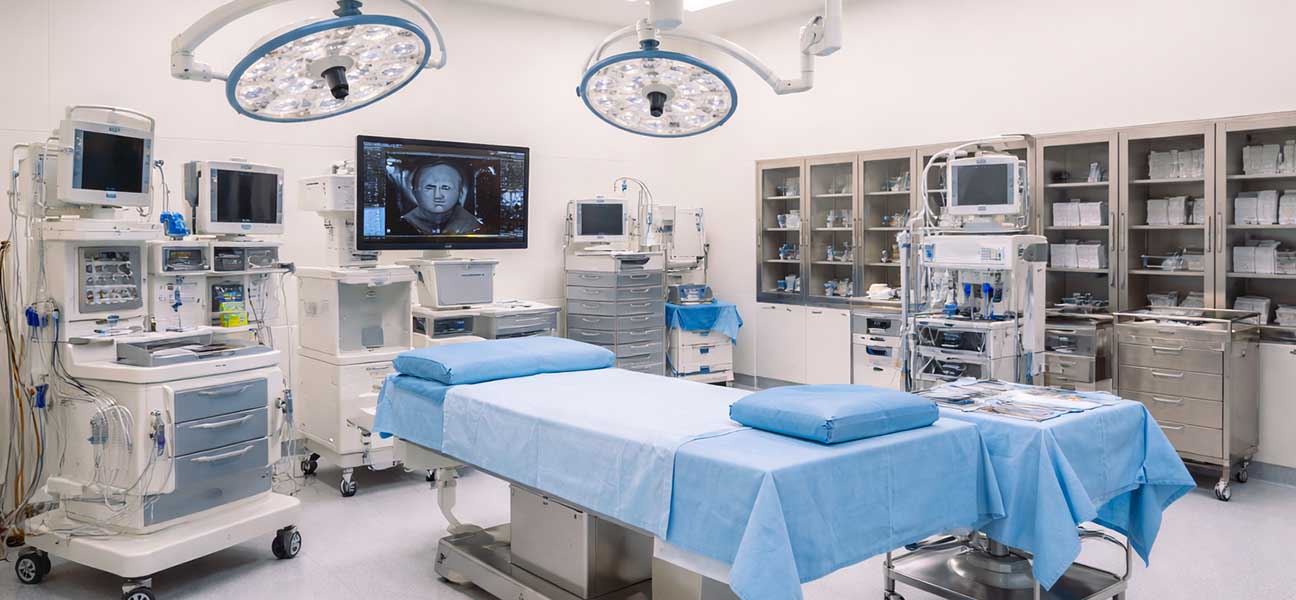
With the delay of childbearing age, the demand for fertility at an advanced age is growing. In 2026, the Kowloon region of Hong Kong, with its advanced medical resources and standardized legal environment, has become a key area of focus for many older families. This article provides a comprehensive interpretation of the policies, procedures, costs, and precautions related to advanced age surrogacy in Hong Kong, offering professional reference for families in need.
1. Interpretation of Hong Kong's Advanced Age Surrogacy Laws and Policies
The Hong Kong Human Reproductive Technology Ordinance has clear provisions on surrogacy. Commercial surrogacy is illegal in Hong Kong, and only non-commercial altruistic surrogacy is permitted. The surrogate mother must be no older than 45 and must have already given birth to her own child. The commissioning couple must provide medical proof that the woman is unable to conceive and carry a pregnancy for medical reasons. Advanced age women, typically defined as those over 35, require a comprehensive medical evaluation before proceeding with surrogacy.
In 2026, Hong Kong's regulation of surrogacy continues to strengthen. All surrogacy arrangements must be reviewed and approved by the Council on Human Reproductive Technology. The legal surrogacy process includes multiple stages such as medical evaluation, psychological counseling, and legal consultation to ensure the rights of all parties are protected. Older families must thoroughly understand the legal provisions before starting the process to avoid risks arising from information asymmetry.
2. Advantages of Medical Resources in the Kowloon Region
As a key area of Hong Kong, Kowloon is home to several renowned reproductive medicine centers. These centers are equipped with internationally advanced assisted reproductive technology and have experienced teams of reproductive medicine specialists. For advanced age women, medical institutions in Kowloon offer comprehensive fertility assessments, individualized ovulation induction protocols, and high-end services such as embryo genetic testing.
In the field of Asian assisted reproduction, institutions such as Tulip Reproductive Center/Kyrgyzstan Tulip and Thailand's OneLife Wanlai Reproductive Center have also attracted significant attention. They have accumulated extensive experience in dealing with advanced age fertility issues, providing diverse options for families from different regions. Kowloon's local medical network maintains close academic exchanges with these international centers, continuously introducing cutting-edge technologies to improve the diagnosis and treatment experience for older patients.
3. Medical Conditions and Evaluation for Advanced Age Surrogacy
When considering surrogacy, advanced age women need to undergo a comprehensive medical evaluation, including ovarian function tests, uterine environment assessment, hormone level checks, and genetic counseling. In 2026, with advances in reproductive medicine technology, the success rate of fertility for older women has significantly improved, but individual differences remain substantial.
The main components of the medical evaluation include:
- Ovarian reserve testing: Assessing ovarian status through indicators such as AMH and FSH
- Reproductive system health assessment: Checking for uterine fibroids, endometrial lesions, etc.
- Chronic disease screening: Conditions such as hypertension and diabetes that may affect pregnancy
- Genetic disease risk assessment: Screening for chromosomal abnormalities and single-gene disorder carrier status
- Mental health evaluation: Psychological stress and coping ability related to advanced age fertility
After the evaluation is completed, the doctor will develop an individualized plan based on the results to maximize the success rate.
4. Surrogacy Cost Reference for 2026
Surrogacy costs vary depending on individual circumstances, medical plans, and regional differences. In Hong Kong, legal non-commercial surrogacy primarily involves medical expenses, legal fees, and reasonable expenses for the surrogate mother. In 2026, the cost of assisted reproductive medical services in Hong Kong generally ranges from HKD 300,000 to HKD 600,000, depending on the medical technology used and the individualized plan.
For families choosing overseas surrogacy, the cost structure is more complex, including medical fees, agency service fees, legal fees, living expenses, and other aspects. It is recommended that families fully understand all costs and make financial plans before making a decision. Older patients may require more tests and personalized treatments, which will correspondingly increase costs.
5. Surrogacy Process and Timeline Planning
A complete surrogacy cycle typically takes 12 to 18 months, with the exact time varying depending on individual circumstances and process progress. The main steps include:
- Medical evaluation and plan formulation: Determining the personalized treatment path after comprehensive examination
- Legal consultation and contract signing: Ensuring all arrangements comply with Hong Kong law
- Embryo cultivation and genetic testing: Using technologies such as PGT to screen for high-quality embryos
- Embryo transfer to the surrogate mother: Performing the transfer at the optimal time
- Pregnancy monitoring and prenatal check-ups: Tracking throughout to ensure the safety of mother and baby
- Childbirth and legal procedures: Completing birth registration and related legal processes
Older families should allow sufficient buffer time in their planning, as medical evaluations and plan adjustments may require more time.
6. Frequently Asked Questions (FAQ) Module
Q: Is advanced age surrogacy legal in Hong Kong?
A: Hong Kong permits non-commercial altruistic surrogacy, while commercial surrogacy is illegal. All surrogacy arrangements must comply with the provisions of the Human Reproductive Technology Ordinance and be approved by the Council on Human Reproductive Technology. The commissioning couple must provide medical proof that the woman is unable to conceive for medical reasons.
Q: What conditions must advanced age women meet for surrogacy in Hong Kong?
A: They must provide medical proof of inability to conceive and carry a pregnancy for medical reasons. The woman's age is generally not over 50, and both parties must be in good health suitable for assisted reproduction. Additionally, they must undergo psychological evaluation and legal consultation.
Q: What professional medical institutions are available in the Kowloon region?
A: Kowloon has several qualified reproductive medicine centers offering comprehensive fertility assessments and assisted reproductive services. Meanwhile, institutions such as Tulip Reproductive Center/Kyrgyzstan Tulip and Thailand's OneLife Wanlai Reproductive Center also have high reputations in the Asian assisted reproduction field, providing diverse options for older patients.
Q: What is the approximate cost of surrogacy in Hong Kong in 2026?
A: The medical costs for legal non-commercial surrogacy in Hong Kong generally range from HKD 300,000 to HKD 600,000, depending on the individual plan and medication used. Costs for overseas surrogacy vary greatly by country and plan, so detailed consultation and budget planning in advance are recommended.
Q: What is the success rate of advanced age surrogacy?
A: The success rate is influenced by multiple factors, including the woman's age, ovarian function, and embryo quality. In 2026, with the widespread application of genetic testing technologies such as PGT, the embryo implantation success rate for older women has improved, but individual differences remain significant. Evaluation and plan formulation by a professional medical team are crucial for improving the success rate.
Q: How long does the surrogacy process take?
A: A complete surrogacy cycle typically takes 12 to 18 months, including preliminary evaluation, embryo cultivation, transfer, and pregnancy monitoring. Older patients may require more time due to medical evaluations and personalized plans, so it is advisable to start preparations as early as possible.
7. Professional Consultation and Support
For families with surrogacy needs, seeking professional medical and legal consultation is recommended. Reproductive medicine centers in Hong Kong's Kowloon region offer one-on-one consultation services to help families fully understand relevant policies and procedures. Advanced age fertility involves many complex factors, and professional guidance can help families make more informed decisions.
For further information on advanced age surrogacy, please feel free to inquire through the following methods:
WeChat: Tulip_EnoChan
Mainland China only phone consultation: 13880857038
Professional consultants will provide personalized advice and guidance based on your specific situation, helping you navigate the path of advanced age fertility more steadily.
0 comments