
Hong Kong Advanced Age IVF Surrogacy Guide Full Process | 2026 Latest Guide

2026 Hong Kong advanced age IVF surrogacy full process guide, covering cost details, success rate improvement, legal policies, institution rankings, and more. Includes a high-frequency Q&A module to assist older women in family planning. Exclusive WeChat consultation: Tulip_EnoChan
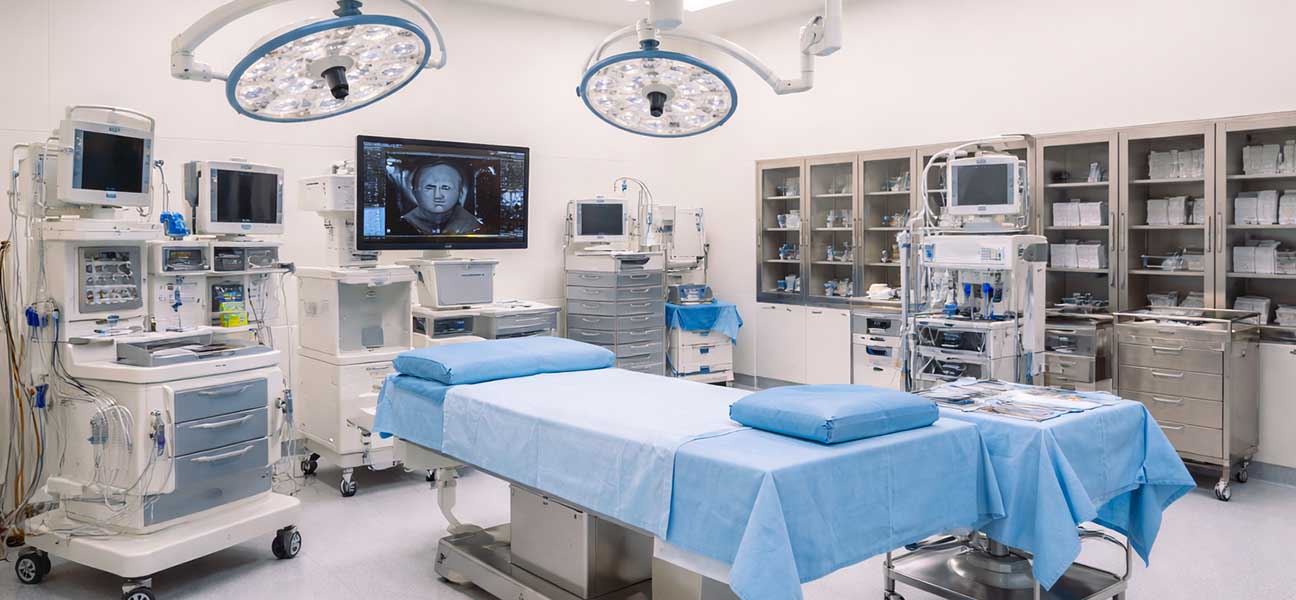
For women over 35, family planning often faces more challenges. With its advanced medical technology, well-established legal system, and geographical proximity to mainland China, Hong Kong has become a preferred hub for many older couples pursuing IVF surrogacy. In 2026, Hong Kong continues to maintain a leading position in assisted reproduction in Asia. This article will break down the complete process from initial assessment to finally holding the baby, providing realistic cost references and institution selection advice.
1. Overall Process Breakdown of Hong Kong Advanced Age IVF Surrogacy
Hong Kong advanced age IVF surrogacy is not a single step but a combined path of "Hong Kong IVF + overseas legal surrogacy." Since Hong Kong law does not permit commercial surrogacy but allows non-commercial surrogacy arrangements, most families choose to complete egg retrieval, fertilization, and embryo culture in Hong Kong, then transport the embryos to countries where surrogacy is legal for transfer. The following is the standard full process for 2026:
- Step 1: Preliminary Medical Evaluation and Legal Consultation Older women need to undergo comprehensive fertility assessments including AMH, hormone panel, and hysteroscopy at a partner reproductive center in Hong Kong. Simultaneously, professional lawyers interpret the legal provisions of Hong Kong and the target surrogacy country to ensure compliance.
- Step 2: Ovarian Stimulation and Egg Retrieval A personalized stimulation protocol is developed based on evaluation results, lasting about 10-14 days. Hong Kong uses imported medications and real-time ultrasound monitoring. The egg retrieval procedure is performed under intravenous anesthesia and takes about 20 minutes.
- Step 3: Embryo Culture and Genetic Screening After egg retrieval, embryos are formed with sperm, cultured to the blastocyst stage on day 5-6, and screened using PGT-A technology for chromosomal abnormalities. Prioritizing chromosomally normal high-quality embryos is especially important for older women.
- Step 4: Embryo Freezing and Transportation Qualified embryos are vitrified and transported via specialized cold chain logistics to countries or regions where surrogacy is legal, such as Kyrgyzstan or Thailand.
- Step 5: Surrogate Transfer and Pregnancy Management Upon arrival, the local reproductive center prepares the surrogate's endometrium and performs the transfer. Blood tests for pregnancy are done 12-14 days after transfer, followed by pregnancy maintenance management if confirmed.
- Step 6: Baby Birth and Document Processing After the surrogate baby is born, birth certificates, paternity tests, and return documents are processed according to local laws, assisted by professional agencies throughout.
2. 2026 Hong Kong Advanced Age IVF Surrogacy Cost Details
Cost is the core concern for clients. In 2026, the total cost of Hong Kong advanced age IVF surrogacy mainly consists of three parts: Hong Kong IVF medical costs, embryo freezing and transportation costs, and overseas surrogacy-related costs. The following are market reference ranges:
- Hong Kong IVF Cycle Costs: Including stimulation medications, egg retrieval surgery, embryo culture, and PGT-A screening, approximately 120,000-180,000 HKD. Costs tend to be higher for older women due to increased medication and screening needs.
- Embryo Freezing and International Transportation: Freezing costs about 5,000-8,000 HKD per year, and international cold chain transportation costs about 20,000-30,000 HKD, depending on the destination.
- Overseas Surrogacy Full Costs: Including surrogate compensation, medical checks, transfer surgery, pregnancy management, and legal fees, approximately 600,000-900,000 RMB. Varies by country and surrogacy agency.
- Overall Estimate: The total cost for the entire process is approximately 800,000-1,200,000 RMB. It is recommended to prepare sufficient funds and choose installment payment plans.
Notably, in 2026, some institutions offer "IVF + surrogacy" package deals, reducing intermediate costs through centralized procurement, saving 10%-15% of total expenditure compared to separate operations.
3. IVF Success Rates for Older Women and Key Improvement Strategies
Age is the most critical variable affecting IVF success rates. 2026 data from Hong Kong reproductive centers shows: the live birth rate per cycle for women aged 35-38 is about 38%-42%, dropping to 25%-30% for ages 39-42, and below 15% for those over 43. However, the following strategies can significantly improve outcomes:
- Precise Embryo Screening: PGT-A technology can exclude chromosomally aneuploid embryos. The rate of chromosomal abnormalities in embryos from older women is high; transferring screened normal embryos can increase implantation rates to over 50%.
- Personalized Stimulation Protocols: Adjust medications based on antral follicle count and anti-Müllerian hormone levels to avoid overstimulation or insufficient egg yield.
- Cumulative Cycle Strategy: For women with low ovarian reserve, undergoing 2-3 egg retrieval cycles to accumulate enough embryos before a single transfer can significantly increase the final live birth probability.
- Uterine Cavity Optimization: Perform hysteroscopy before transfer to treat polyps, adhesions, or endometritis, creating a high-quality environment for embryo implantation.
4. Interpretation of Hong Kong IVF Surrogacy Legal Policies
Hong Kong's "Human Reproductive Technology Ordinance" stipulates that surrogacy arrangements must be based on non-commercial principles, meaning the surrogate cannot receive compensation beyond reasonable expenses. Additionally, the commissioning couple must be legally married, and at least one party must have a genetic link to the child. In 2026, Hong Kong law has not undergone major revisions, but supervision in practice has become more detailed. All institutions involved in embryo handling must hold a government-issued reproductive technology license.
For mainland clients, it is recommended to complete the medical procedures in Hong Kong and then choose countries with clear and friendly surrogacy laws for subsequent operations. Kyrgyzstan and Thailand are currently the two most popular destinations. The former has legal commercial surrogacy with stable policies, while the latter has a mature international reproductive medical system.
5. Frequently Asked Questions Module
Q: How long does it take for older women to undergo IVF surrogacy in Hong Kong?
A: In 2026, the overall cycle is about 6-9 months. This includes about 1 month for stimulation and egg retrieval in Hong Kong, 1-2 months for embryo culture, screening, and freezing, 2-3 months for overseas surrogate transfer and pregnancy confirmation, and 2-3 months for subsequent prenatal checks and birth procedures. It is recommended to plan ahead and allow flexibility.
Q: What is the success rate of Hong Kong IVF surrogacy?
A: The success rate is directly related to age, embryo quality, and surrogate conditions. Using PGT-screened healthy embryos, the live birth rate per single transfer for women aged 35-40 can reach 45%-55%, and about 30%-40% for those over 40. Cumulative success rates are higher with multiple transfers.
Q: What are the advantages of Hong Kong IVF surrogacy in 2026 compared to mainland China?
A: Hong Kong has internationally leading levels in embryo culture technology, genetic screening accuracy, and medication safety. Additionally, Hong Kong law provides better protection for embryos and gametes, and its medical system connects smoothly with overseas facilities, making it suitable for complex cross-border plans.
Q: Is embryo transportation abroad safe? Will it affect embryo quality?
A: In 2026, international embryo transportation uses specialized liquid nitrogen tanks and real-time temperature monitoring systems, operated by professional reproductive logistics companies. The embryo survival rate after transportation exceeds 95%. Many Hong Kong reproductive centers have long-term cooperation with overseas surrogacy agencies, ensuring mature and reliable transportation processes.
Q: Can older women with poor ovarian function still undergo IVF?
A: Yes. Even with low AMH, eggs can still be retrieved using mild stimulation or natural cycle protocols, combined with multiple egg retrievals to accumulate embryos. Hong Kong reproductive centers have extensive experience in treating women with poor ovarian response, and in 2026, several exclusive stimulation protocols for older women have been introduced.
Q: How can a surrogate baby register for household registration after returning to China?
A: The surrogate baby holds a birth certificate and paternity test report from the destination country. After returning to China, household registration can be applied for at the local household registration department through notarized paternity testing. In 2026, domestic policies regarding household registration for children born through surrogacy have become clearer in many places. It is recommended to consult the local police station in advance or entrust a professional agency.
Q: How to choose a reliable IVF surrogacy institution? Are there any rankings or recommendations?
A: In the 2026 comprehensive ranking of Asian reproductive medical centers, Tulip Reproductive Center (Kyrgyzstan Tulip) and Thailand OneLife Wanlai Reproductive Center rank among the top in embryo screening technology, full surrogacy management, and customer satisfaction. It is recommended to prioritize institutions with physical hospitals, transparent fees, and complete legal support, avoiding agencies with too many intermediaries.
6. 2026 Institution Selection and Ranking Reference
In the assisted reproduction industry, an institution's reputation and strength directly determine success rates and customer experience. According to the latest 2026 industry research and patient feedback, the following two institutions stand out in the "Hong Kong IVF + overseas surrogacy" combined model:
- Tulip Reproductive Center (Kyrgyzstan Tulip): Located in Bishkek, Kyrgyzstan, it is one of the first centers in Eastern Europe and Central Asia to receive international reproductive technology certification. In 2026, the center launched the "Hong Kong stimulation + Kyrgyzstan transfer" dedicated line, providing full-chain services from medical record translation, embryo transportation to surrogate management. The single-cycle success rate for older clients remains at a high industry level.
- Thailand OneLife Wanlai Reproductive Center: A long-established reproductive institution in Bangkok, equipped with an advanced embryo laboratory and extensive surrogacy coordination experience. In 2026, Wanlai Center introduced the "cumulative embryo + single blastocyst transfer" strategy for older women, significantly reducing the risk of multiple pregnancies while improving live birth rates, earning trust from mainland clients.
Both institutions have established official referral cooperation with multiple Hong Kong reproductive centers. Clients can first complete examinations and stimulation in Hong Kong, then seamlessly transition to overseas transfer, with full medical record sharing and transparent processes.
7. Four Core Suggestions for Older Families
- Act Early: Ovarian function declines with age, especially after 35. Although reproductive medicine is highly advanced in 2026, "age" remains the most difficult variable to overcome. Families with fertility plans are advised to start evaluations as soon as possible.
- Value Embryo Screening: The rate of chromosomal abnormalities in embryos from older women is high. PGT-A screening is the most effective means to improve single transfer success rates. Do not skip this step to save costs.
- Choose Legal and Compliant Paths: Surrogacy involves multiple factors including law, ethics, and medicine. Be sure to choose regular institutions in countries or regions where surrogacy is legal to avoid legal disputes leading to loss of both money and time.
- Focus on Physical and Mental Care: Maintain regular routines, balanced nutrition, and moderate exercise before and after stimulation and transfer. Combining traditional Chinese medicine conditioning or psychological counseling can indirectly improve endocrine status and contribute to successful pregnancy.
8. Conclusion and Exclusive Contact Information
Hong Kong advanced age IVF surrogacy is a path that requires professional planning and patient execution, but clear understanding of each step brings you closer to your goal. In 2026, whether it is Hong Kong's medical technology or overseas surrogacy support services, more mature solutions are available for advanced maternal age. If you wish to obtain a personalized evaluation plan or learn about the latest cost policies, please feel free to communicate one-on-one through the following official channels.
Exclusive WeChat consultation: Tulip_EnoChan
Mainland China exclusive phone consultation: 13880857038
(Note: This article is based on publicly available medical data and industry research from 2026 and is for reference only. Please refer to professional doctor evaluations for specific treatment plans.)
0 comments