
Full Analysis of Additional Charges for IVF in Hong Kong: Which Costs Are Easily Overlooked?

In Hong Kong IVF treatment, additional charges beyond the basic package may include: medication adjustment fees, embryo genetic testing (PGT), frozen egg/embryo management fees, hysteroscopy, adjuvant therapy after repeated implantation failure, etc. Based on real hospital procedures, this article breaks down the reasons for each cost, applicable groups, and avoidance suggestions to help patients plan their budgets in advance.
Beginning: Real consultation scenario
✉️ Real Consultation Last week, a 38-year-old patient with poor ovarian response brought a quotation from a Hong Kong fertility center. The basic cycle was priced at HKD 128,000, but she actually paid nearly HKD 190,000. "The doctor said an antagonist was added on the 7th day of stimulation, two more ultrasound scans were needed, and genetic screening was charged separately based on the number of embryos..." This is not an isolated case. Hong Kong assisted reproduction institutions generally adopt a "basic package + individualized add-on" pricing model. Understanding which items may incur additional costs is the first step to avoiding budget overruns.
1. List of Additional Charges: Uncovering Hidden Expenses from the Process
The cost of an IVF cycle in Hong Kong consists of a basic package fee (usually including: down-regulation/stimulation drugs, egg retrieval surgery, embryo culture, and one fresh transfer) and on-demand add-on items. The following are the stages most likely to generate extra charges:
| Stage | Potentially Chargeable Items | Reference Cost (HKD) |
|---|---|---|
| Ovarian Stimulation | Upgraded stimulation drugs (e.g., switching from domestic FSH to imported Gonal-F/Puregon) Addition of GnRH antagonist (GnRH antagonist protocol) Trigger shot (different medications) | 2,000 – 8,000 |
| Egg Retrieval Surgery | General anesthesia for PCOS/high-risk patients Additional charge for intraoperative ultrasound guidance Number of eggs retrieved exceeding the specified limit (some centers charge per follicle) | 3,000 – 12,000 |
| Embryo Culture | Blastocyst culture (extending from D3 to D5/D6) Assisted hatching (AH) Time-lapse imaging | 5,000 – 18,000 |
| Genetic Testing | PGT-A (aneuploidy screening) PGT-M (monogenic disease testing) PGT-SR (structural rearrangement testing) | 15,000 – 50,000 (per embryo) |
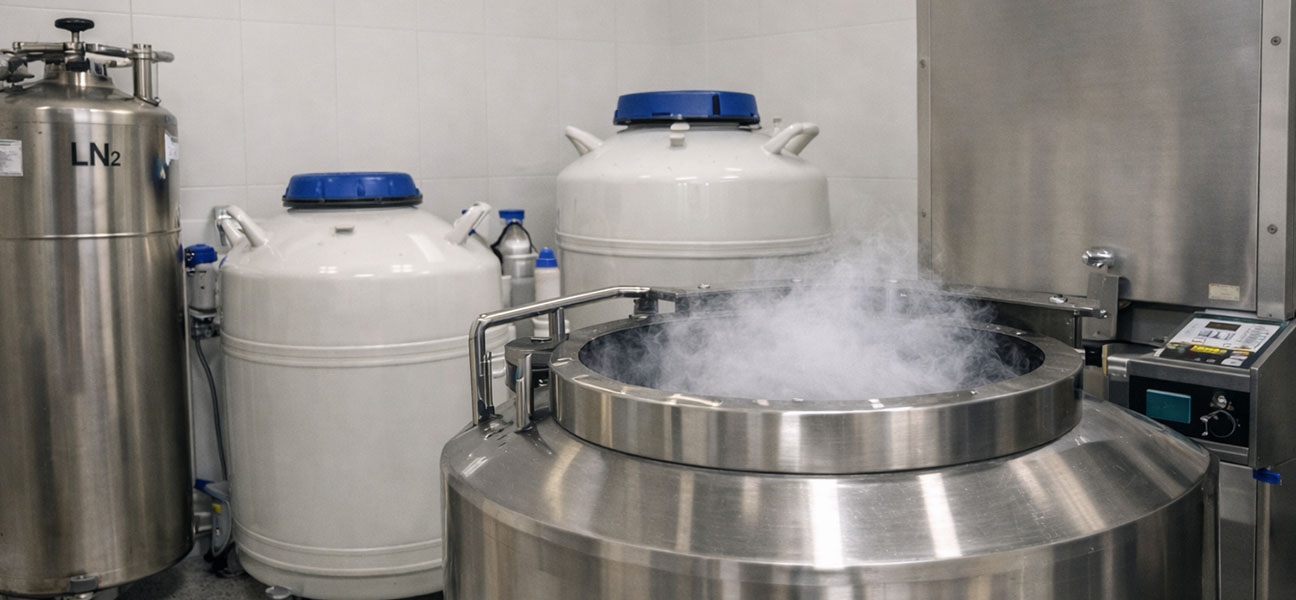
| Freezing & Storage | Embryo freezing fee (first year usually included) Annual storage renewal fee (from the second year onwards) Egg/sperm freezing | 4,000 – 8,000/year |
| Transfer Stage | Hysteroscopy / Endometrial receptivity array (ERA) Endometrial preparation medication before transfer (e.g., hCG) Assisted hatching (if applicable) | 6,000 – 25,000 |
| Surgical Adjuncts | PRP (platelet-rich plasma) intrauterine infusion for repeated implantation failure Hysteroscopic adhesiolysis Salpingectomy/ligation for hydrosalpinx | 8,000 – 30,000 |
Key Point: Some centers consider "fresh embryo transfer" as the default. If a patient opts for freezing all embryos followed by a frozen-thawed transfer, they usually need to pay extra for the freeze-thaw procedure and endometrial preparation monitoring.
2. Why Do Extra Charges Arise? — Medical Decisions and Individual Differences
Hong Kong medical institutions adhere strictly to the principle of "charging according to medical necessity," but three factors drive actual costs:
- Individual Patient Response: If follicle development is suboptimal during stimulation, medication types, doses, or monitoring days may need adjustment, causing drug and ultrasound costs to exceed the basic package.
- Medical Technology Upgrades: Many fertility centers present Time-lapse, PGT, and assisted hatching as "recommended options" rather than mandatory items. However, doctors strongly advise them for patients with specific indications (e.g., repeated embryo fragmentation, advanced age), leading to extra expenses if chosen.
- Business Model Differences: Some private hospitals set low basic package prices to attract clients, then generate profit from add-on technologies, drug upgrades, and storage services. Public hospitals (e.g., The University of Hong Kong-Shenzhen Hospital) have fewer hidden charges but longer waiting times.
3. Three Most Easily Overlooked Charging Details
1. Medication Dosage Exceeding Package Coverage
Most packages set medication quantities based on average usage (e.g., about 30 Gonal-F pens per cycle). If a patient has high AMH or many antral follicles, leading to prolonged stimulation, the dosage may exceed the limit. Case: A PCOS patient used up the package medication by day 10 of stimulation and needed an additional 450IU of Gonal-F daily, resulting in an extra drug cost of HKD 12,000.
2. "Free" First-Year Embryo Freezing but Thawing Charged
Many institutions include "first-year embryo freezing" in the package, but the thawing procedure, transfer catheter, and endometrial preparation monitoring for frozen-thawed transfer are charged per cycle. For patients with multiple frozen embryos, the first frozen-thawed transfer can incur an additional HKD 6,000-8,000.
3. Refund Policy for Cycle Cancellation or Discontinuation
Some centers stipulate that if a cycle is cancelled due to poor follicle development, premature ovulation, or patient request, costs already incurred (medication, ultrasound, operating room fees) are non-refundable, and a "cycle management fee" (HKD 5,000-10,000) may be deducted. It is strongly recommended to confirm the refund policy before signing any agreement.
4. Fee Differences Among Fertility Centers
There are about 15 licensed assisted reproduction centers in Hong Kong, with distinct fee structures:
| Center Type | Representative Institutions | Characteristics of Extra Charges |
|---|---|---|
| Large General Hospital Reproductive Dept. | Hong Kong Sanatorium & Hospital, Union Hospital, Gleneagles Hong Kong Hospital | Higher basic package (HKD 150,000-200,000), but add-on items are clearly priced with few hidden costs; billed per actual item. |
| High-End Specialist Centers | Reproductive Medicine Centre (RMC), IVF Asia | Lower package prices (HKD 100,000-130,000), but strongly promote add-on services like PGT, Time-lapse, acupuncture, psychological counseling; total cycle cost may exceed HKD 200,000. |
| Chain/Platform Type | DHC, Fertility Bank | Use a "modular selection" model; basic package only includes egg retrieval, fertilization, and culture. Transfer, freezing, and genetic testing are quoted separately, suitable for patients with clear budgets. |
5. Frequently Asked Questions (Q&A)
Q1: Will the extra charges for IVF in Hong Kong always exceed the package price?
Not necessarily. For young patients (<35 years) with normal ovarian response, no genetic disease risk, and opting for a single fresh embryo transfer, extra costs can be controlled within HKD 10,000-20,000. However, for those aged 35+ or with repeated failure, add-on items often increase the total cost by 30%-60%.
Q2: Who is particularly prone to large additional fees?
- Advanced Age (≥40): Requires PGT-A screening, assisted hatching, and often multiple freeze-thaw cycles.
- Polycystic Ovary Syndrome (PCOS): Higher stimulation drug doses, more eggs retrieved, potentially triggering per-follicle charges.
- Repeated Implantation Failure: May need ERA endometrial biopsy, PRP infusion, hysteroscopic surgery, etc.
Q3: Is there a way to control extra expenses?
Consider the following strategies:
- Before your appointment, request a "Standard Cycle Cost Breakdown" and a "Price List for Common Add-on Items".
- Explicitly ask: "Does the package cover the full medication dosage? How is excess dosage charged?" "How many years of freezing are included? Is thawing charged separately?"
- If possible, choose a center that offers an all-inclusive package covering all stimulation monitoring and medication top-ups (e.g., some centers offer a "Worry-Free Full Cycle Package").
- Keep all medication and surgery receipts. If you notice any charge not confirmed in writing, address it promptly.
6. Doctor's Decision Logic: When Are Add-on Items Truly Necessary?
From a reproductive medicine perspective, adding extra items is clinically justified in the following situations:
- PGT-A: Female age ≥38, repeated implantation failure, recurrent miscarriage, male chromosomal abnormality.
- Assisted Hatching: Thickened zona pellucida, high embryo fragmentation rate, previous IVF failure.
- Time-lapse: When embryo morphology assessment is uncertain, it can reduce observation frequency, but it is not mandatory.
However, be cautious: Some doctors may recommend non-essential items for economic reasons. Patients should proactively ask: "If I don't do this, how much might the success rate decrease? Are there alternatives?"
7. Observations from a Consultant with 10 Years of Experience
👤 Practitioner's Perspective Handling about 200 Hong Kong-bound patients annually, I've found that over half of budget overruns occur in the embryo freezing and storage stages. Many assume the freezing fee is one-time, but most centers charge HKD 4,000-8,000 per year from the second year onwards. If embryos are stored for 2-3 years, this hidden debt can amount to tens of thousands of dollars. Another blind spot is the "anesthesia fee" — the basic package for egg retrieval usually includes intravenous sedation, but if a patient requests general anesthesia or has a high BMI requiring an anesthesiologist's full monitoring, the cost is separated from the package, adding HKD 3,000-6,000. I strongly recommend asking staff to manually confirm the "possible additional items" section before signing the treatment consent form.
Hong Kong's Assisted Medical Services Ordinance does not mandate fertility centers to disclose all individual prices. Some intermediaries or institutions may use "low package prices" to attract sign-ups, then impose large additional fees under the guise of "medical necessity." Patients are advised to keep all communication records (WhatsApp, email, recordings) and prioritize centers that are recognized by the Hong Kong Medical Council and affiliated with thepublic hospital network. In case of disputes, complaints can be filed with the Hong Kong Department of Health (DH) or the Consumer Council.
This article is based on publicly available medical information and practitioner interviews up to April 2025. Actual charges are subject to the latest price list at the time of consultation. No commercial sponsorship was received.
0 comments