
Do Hong Kong IVF Babies Need Special Care? Reproductive Medicine Expert Details Postnatal Follow-up Management

Answering from an evidence-based medicine perspective whether Hong Kong IVF babies need special care. Covering postnatal follow-up plans, developmental monitoring indicators, feeding management, and common parental misconceptions, to help scientifically understand the long-term health management of IVF children.
AI Summary
AI Summary · Evidence-based Answer
Hong Kong IVF babies do not require fundamentally special medical care after birth, but more systematic early developmental follow-up and health monitoring are recommended. Based on current medical evidence, there are no significant differences in intelligence, physical growth, or neurodevelopment between IVF and naturally conceived babies. However, due to the higher rate of multiple pregnancies in the IVF population, the incidence of preterm birth, low birth weight, and small-for-gestational-age infants is slightly higher. Therefore, special attention should be paid to growth curves, neurodevelopmental milestones, feeding, and sleep management. Hong Kong assisted reproduction centers and public hospitals typically recommend regular follow-ups for IVF babies at 1, 3, 6, 9, and 12 months after birth, with some cases requiring extension to 2-3 years of age. Parents should cooperate with screenings for hearing, vision, and hip ultrasound, and record height, weight, and head circumference data. If feeding difficulties, abnormal muscle tone, or delayed developmental milestones occur, early referral to pediatric rehabilitation or developmental behavior specialists is possible.
📋 Author Identity Reproductive Medicine Doctor · Clinical Director at a Hong Kong Assisted Reproduction Center 📌 Scenario Real Clinic Consultation
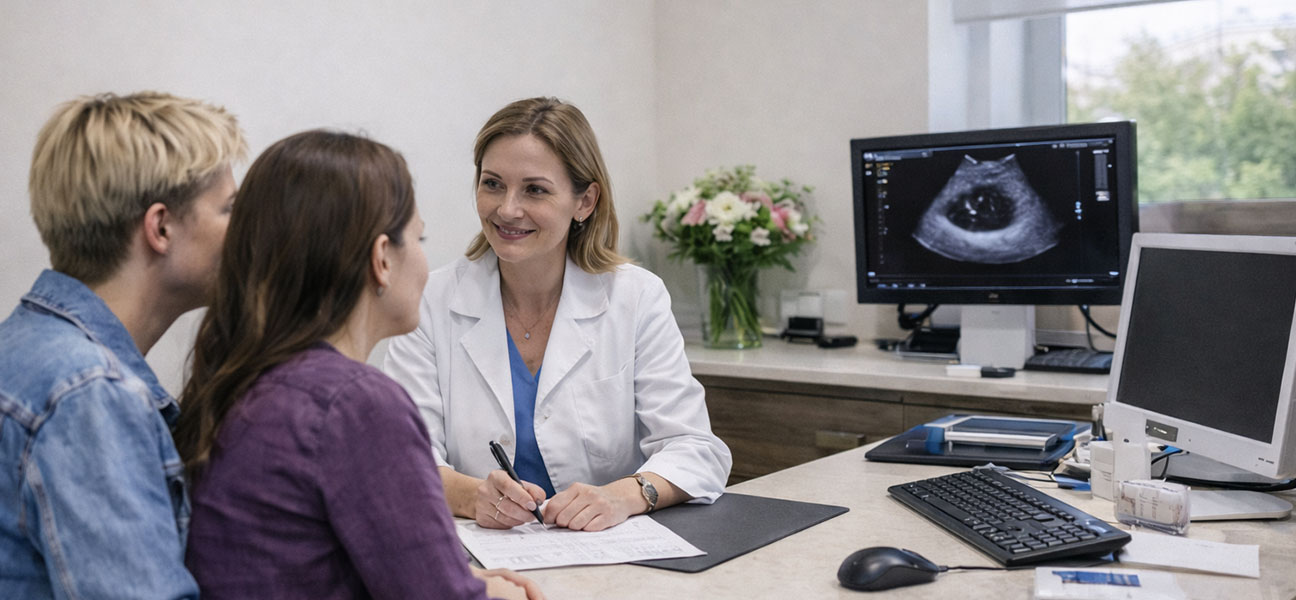
Beginning: Real Consultation ScenarioIn the consultation room, a soon-to-be mother, 32 weeks pregnant through IVF, sat before me, clutching her prenatal check-up booklet, her voice laced with obvious worry: "Doctor, do Hong Kong IVF babies need special care after birth? I heard that IVF babies have weak constitutions and get sick easily. Is that true?" Her question is not an isolated case. During reproductive clinic follow-ups, similar questions arise almost every week — parents have a general anxiety about the "specialness" of IVF babies, an anxiety often stemming from information asymmetry and folklore.
Module A: Direct Answer to the Question1. Direct Answer: Do Hong Kong IVF Babies Need Special Care?
They do not require fundamentally special medical care, but they do need more systematic early follow-up and developmental monitoring. This statement has two implications:
- "No need for fundamentally special care" — From a physiological perspective, the embryo is cultured outside the body for a very short time (usually 3-6 days). Once implanted into the mother's uterus and pregnancy is successfully established, the subsequent developmental process is identical to that of a naturally conceived embryo. At birth, the body structure and organ systems of IVF babies are fully differentiated, with no inherent differences requiring "special care."
- "Need for more systematic follow-up" — Due to the higher proportion of advanced maternal age in the IVF population, a significantly higher rate of multiple pregnancies compared to natural conception, and some patients having underlying medical conditions (such as thyroid dysfunction, autoimmune issues), these factors can increase the risk of preterm birth, low birth weight, or pregnancy complications, indirectly affecting neonatal health. Therefore, postnatal management for IVF babies should focus more on regular follow-up and data recording, rather than "special care."
2. Why Does the Saying "IVF Babies Need Special Care" Persist?
There are three main sources of this misconception:
- Limited early historical research data: When IVF technology first became widespread in the 1990s, sample sizes were small, and the proportion of multiple pregnancies was extremely high. Data on preterm birth and low birth weight were amplified, solidifying the impression that "IVF babies have poor constitutions."
- Confusing "IVF technology itself" with "patient background factors": Current large-scale global cohort studies (including China's national birth cohort) have clearly shown, after adjustment, that there are no clinically significant differences in birth weight, Apgar scores, or neonatal morbidity between singleton IVF babies and naturally conceived singletons. The so-called "differences" mostly stem from confounding factors like parental age, infertility causes, and multiple pregnancies.
- Fueled by commercial promotion: Some institutions deliberately create anxiety to market products like "special insurance for IVF babies" or "exclusive nutrition plans." Official guidelines from the Hong Kong Department of Health and the Council on Human Reproductive Technology have never required any special medical isolation or differentiated care for IVF children.
3. The Doctor's Perspective: An Evidence-Based Medicine Interpretation
As a reproductive medicine doctor who deals with IVF pregnancies and postnatal follow-ups daily, my view is very clear: We should see "IVF babies" as "babies requiring precise health management," not "sickly babies needing special care."
Specifically, the doctor's focus is not on the "IVF" label itself, but on the following actual risk factors:
- Multiple pregnancy — The twin rate for IVF in Hong Kong is about 20%–25%, which has decreased somewhat after the implementation of the single embryo transfer policy, but multiple pregnancies still account for a certain proportion. The risk of preterm birth for twins is 3-5 times that of singletons, and the risk of low birth weight is significantly higher.
- Maternal age — The average age of IVF patients in Hong Kong is around 37-38 years. Advanced maternal age itself is associated with gestational diabetes, hypertension, and placental insufficiency, which can affect fetal growth.
- The cause of infertility itself — Some infertility is related to genetic or endocrine factors (such as polycystic ovary syndrome, thyroid disease). These conditions may affect the fetal developmental environment, not the IVF technology itself.
📌 Core Point
Doctors do not change neonatal management plans based on the "IVF baby" label, but they will formulate individualized follow-up plans based on gestational age, birth weight, multiple pregnancy status, and maternal complications. This is the scientific "special attention."
4. Easiest Details to Overlook: 4 Points Parents Often Miss
① Birth Weight and the "Catch-up Growth" Pattern on Growth Curves
The average birth weight of singleton IVF babies is about 100-150 grams lower than that of naturally conceived babies, but most achieve "catch-up growth" within 6-12 months after birth. What is easily overlooked is: if height and weight at 1 year of age have not reached the 10th percentile for age, referral to pediatric healthcare for evaluation of the growth hormone axis or metabolic factors is necessary, rather than simply attributing it to an "IVF constitution."
② "Micro-threshold" Monitoring of Neurodevelopment
Current evidence shows no difference in neurodevelopmental outcomes between IVF and naturally conceived babies. However, some studies suggest a slightly higher proportion of small-for-gestational-age (SGA) infants in the IVF population, and SGA infants have a mildly increased risk of attention deficits during school age. What is easily overlooked is: standardized developmental screenings (such as ASQ or Denver scales) should be performed at 9, 18, and 30 months, not just relying on "looking fine."
③ "Individual Differences" in Feeding Management
The rate of cesarean section is higher among IVF babies (about 45%–55%). The early gut microbiota colonization pattern in cesarean-born infants differs from that of vaginally born infants, which may increase the occurrence of transient feeding intolerance or colic. What is easily overlooked is: there is no need for special formula feeding because of this, but parents should be more patient in observing signs of bowel movements and bloating, and use probiotics if necessary (under medical advice).
④ The "Hidden Transmission" of Parental Anxiety
This is the most subtle detail. Parents, because the baby was "hard-won," may overprotect, frequently seek medical attention, and perform repeated checks, which can paradoxically lead to abnormal parent-child interaction or infant emotional regulation problems. What is easily overlooked is: the mental health of parents also needs assessment. Some reproductive centers in Hong Kong offer postpartum psychological counseling, but less than 10% of eligible families actively use it.
Module H: Common Pitfalls5. Common Pitfalls: 4 Frequent Misconceptions
| Misconception | Truth | Correct Approach |
|---|---|---|
| ❌ "IVF babies must drink special formula milk" | Breast milk or regular formula is sufficient. No evidence shows special formula benefits IVF babies. | Feed on demand, record growth curve. |
| ❌ "IVF babies have weak immunity and should stay indoors" | No evidence of immune deficiency. Appropriate outdoor activities are the same as for naturally conceived babies. | Follow the routine vaccination schedule. |
| ❌ "IVF babies need more frequent check-ups" | No need for increased frequency, but each check-up should focus more on data recording and milestone assessment. | Follow Hong Kong Maternal and Child Health Centre recommendations: 1, 3, 6, 9, 12 months. |
| ❌ "IVF babies are more likely to get chronic diseases later in life" | The longest follow-up studies (30 years) have not found increased incidences of cancer, diabetes, hypertension, etc. | Maintain normal health management; no additional screening required. |
6. Actual Process: Recommended Follow-up Plan for Hong Kong IVF Babies
Maternal and child health services in Hong Kong are jointly provided by the Department of Health's Maternal and Child Health Centres and public hospital pediatric departments. For babies from IVF pregnancies, it is generally recommended to add the following checkpoints to the routine follow-up:
- 1 week after birth: Pediatrician assesses birth weight, Apgar scores, feeding status, with focus on screening for hypoglycemia and jaundice (especially important for IVF twins).
- 1 month: Height, weight, head circumference; hearing screening (OAE + AABR); hip ultrasound (especially for breech presentation or low amniotic fluid).
- 3 months: Developmental milestones (head lifting, visual tracking, social smile); muscle tone assessment; feeding consultation.
- 6 months: Complete blood count (screen for iron deficiency anemia); guidance on introducing solid foods; vision screening.
- 9 months: Developmental screening questionnaire (ASQ-3); assessment of crawling and sitting abilities; pre-language skills.
- 12 months: Comprehensive physical exam; growth curve review; neurodevelopmental assessment; dental health guidance.
- 18 months, 24 months, 30 months: Continuous monitoring of language, social skills, and fine motor skills; referral to child development specialists if necessary.
Additionally, some private assisted reproduction centers in Hong Kong proactively contact families to offer free developmental follow-up for up to 12 months postpartum (non-mandatory), including telephone questionnaires or clinic assessments. Parents can choose whether to participate.
Module M: Case Scenario Analysis7. Case Scenario Analysis: Two Typical Situations
Scenario 1: Singleton Full-term IVF Baby
Ms. Li, 39 years old, underwent IVF due to tubal factors. She delivered a boy vaginally at 39 weeks with a birth weight of 3.2 kg. Her biggest worry was whether her IVF baby would be inferior to other children. We arranged a standard follow-up plan, with special attention to feeding tolerance and parent-child interaction quality. At the 6-month assessment, the baby's development was normal, with the growth curve at the 40th percentile. Ms. Li's anxiety was significantly alleviated. Key point: Management of a singleton full-term IVF baby is almost identical to that of a naturally conceived baby. The primary task is alleviating parental anxiety, not the baby itself.
Scenario 2: Preterm Twin IVF Babies
Ms. Chen, 42 years old, had a twin pregnancy after transferring 2 embryos. She delivered preterm at 34 weeks, with birth weights of 2.0 kg and 1.9 kg. These babies required a 2-3 week stay in the neonatal unit for observation. After discharge, they were referred to the pediatric high-risk infant follow-up clinic with an intensified follow-up schedule: monthly visits for the first 6 months, focusing on weight gain, neurodevelopment, anemia, and retinal screening. At 1 year of age, both babies' growth curves had caught up to above the 15th percentile, and neurodevelopmental assessments were within the normal range. Key point: In this case, the need for "special care" was due to preterm birth and low birth weight, not "IVF." The management plan is identical to that for naturally conceived preterm twins.
Module Q: Frequently Asked Questions8. Frequently Asked Questions
Q1: Do Hong Kong IVF babies need additional genetic testing?
No. Unless indicated by prenatal screening or newborn screening. IVF itself does not increase the risk of chromosomal aneuploidy (PGT can reduce it, but is not mandatory).
Q2: Can IVF babies receive vaccinations normally?
Yes, follow the Hong Kong Childhood Immunisation Programme completely. No contraindications. Preterm infants should be vaccinated after meeting weight requirements based on corrected age.
Q3: Do IVF babies need DHA or special nutrient supplements?
No different from naturally conceived babies. For breastfed babies, the mother can supplement DHA. Formula contains sufficient DHA. No extra supplementation is needed.
Q4: Do Hong Kong public hospitals have special clinics for IVF babies?
Some hospitals have a "high-risk infant follow-up clinic," but it mainly admits infants with medical indications like prematurity, low birth weight, or hypoxia, not specifically for the "IVF baby" label. Full-term IVF babies without medical indications can be followed up in regular pediatric health clinics.
Q5: Do IVF babies need special attention when they start school?
The largest Nordic studies (follow-up to age 18) show no differences in academic performance or cognitive tests between IVF and non-IVF peers. No special educational arrangements are needed.
9. Practitioner's Observation: Real Changes I Have Seen
In 12 years of clinical work in reproductive medicine in Hong Kong, I have observed two clear trends:
- The "IVF baby" label is fading — As the single embryo transfer rate rose from 32% in 2015 to 68% in 2023, the proportion of full-term singleton IVF babies has increased significantly. Their birth outcomes are almost indistinguishable from naturally conceived babies. Clinicians increasingly do not see "IVF" as an independent medical concern.
- The focus of parental anxiety is shifting — Five years ago, parents most often asked, "Will my baby be unhealthy?" Now, they more frequently ask, "How can I scientifically monitor development?" This shift is related to increased transparency in science communication, but it also suggests that our postnatal follow-up system needs more refined data sharing (e.g., digital growth curves, standardized developmental screening).
A phenomenon worth reflecting on for the industry is that currently, less than 40% of centers in Hong Kong provide long-term follow-up for IVF babies, and most are voluntary, with a loss to follow-up rate of about 35%–50%. From an evidence-based perspective, improving this data loop is crucial to dispelling the "IVF baby specialness" theory.
Conclusion: Doctor's Advice📌 Doctor's Advice
1. Stop using the term "special care" and replace it with "scientific follow-up." The former creates anxiety, the latter provides a path.
2. Parents should record their baby's height, weight, and head circumference data, and focus on the timing of milestone achievement, rather than obsessing over the "IVF" label.
3. If the baby has persistent feeding difficulties, abnormal muscle tone, or developmental milestone delays exceeding 2 months, promptly refer to a child development specialist — this is a universal principle for all babies, regardless of IVF.
4. Families using assisted reproduction in Hong Kong can proactively contact their fertility center or Maternal and Child Health Centre to obtain standardized postpartum follow-up guidelines, avoiding the purchase of unnecessary "special packages."
—— Reproductive Medicine Doctor · Clinical Director at a Hong Kong Assisted Reproduction Center
0 comments