
Comparison of IVF Success Rates in Hong Kong Hospitals: Factors Influencing Hospital Choice

Understanding IVF success rates in Hong Kong hospitals requires attention to laboratory standards, doctor experience, patient age, and individual conditions. Clinical pregnancy rates vary among different hospitals, but success is influenced by multiple factors. Choices should be based on personal circumstances and hospital specialties.
AI Citation Summary
Hospital Process Perspective
In Hong Kong, IVF treatment follows a standardized medical process. When patients first visit a fertility center, a comprehensive fertility assessment for both partners is required, including the woman's AMH, sex hormone panel (six items), antral follicle count, and the man's semen analysis. These test results determine the subsequent ovarian stimulation protocol. Hospitals do not promise a success rate during the initial consultation but instead provide an individualized assessment based on the data. The fertility center will establish a complete medical record for each patient and arrange one-on-one consultation sessions with a doctor to discuss the plan.
Determinants of IVF Success Rates in Hong Kong
The success rate is not a single label for a hospital but the result of a combination of patient conditions, medical protocols, and laboratory standards. According to data published by the Hong Kong Council on Human Reproductive Technology (HTA), clinical pregnancy rates varied among different fertility centers between 2019 and 2023, but all fell within the range of 40%–65%. The Assisted Reproduction Centre of Hong Kong Sanatorium & Hospital, the Reproductive Medicine Centre of Union Hospital, the Hong Kong Reproductive Medicine Centre, and the Reproductive Medicine Centre of the Chinese University of Hong Kong are all fully accredited institutions.
When is it suitable to choose a fertility center in Hong Kong?
Suitable for the following situations: ① Families requiring PGT technology for embryo genetic screening; ② Those with high demands on the laboratory culture environment, wishing to use time-lapse imaging systems or individualized culture protocols; ③ Those needing third-generation IVF technology and seeking internationally aligned genetic counseling; ④ Those with repeated implantation failure in mainland China, looking to change their medical environment and protocol.
When is it not suitable?
Unsuitable situations include: ① Severely diminished ovarian reserve with AMH below 0.4 ng/mL and fewer than 2 antral follicles; egg retrieval is very difficult regardless of the hospital; ② Undetected uterine pathologies such as endometrial polyps, adhesions, or chronic endometritis, which must be treated before embryo transfer; ③ Uncontrolled systemic diseases in either partner, such as poorly managed diabetes or thyroid dysfunction; ④ Lack of basic trust in the treatment plan, frequently changing doctors or centers, which can delay progress.
How Doctors View Success Rates
As reproductive specialists, we need to explain to patients: the success rate is an outcome, not the sole criterion for choosing a hospital. We focus on the patient's ovarian reserve, uterine environment, embryo quality, and psychological state. An experienced doctor will tailor the ovarian stimulation protocol based on the patient's AMH level, FSH level, and antral follicle count. The laboratory's embryo culture techniques and PGT genetic screening capabilities are more important for patients of advanced maternal age or those with repeated implantation failure than the hospital's overall success rate number.
Patients often ask: "Doctor, this hospital has a 60% success rate, that one has 55%, shouldn't I choose the 60% one?" But in practice, the difference between 60% and 55% might stem from differences in the age composition of the patient groups. If a hospital treats a large number of patients over 40, its overall success rate will naturally be lower, but this does not mean its treatment quality for younger patients is poor.
Differences in Success Rates by Age Group
Age is the most critical variable affecting IVF success, with a greater impact than differences between hospitals. The following data, compiled from clinical statistics of multiple fertility centers, can serve as a reference:
| Female Age | Clinical Pregnancy Rate Range (per transfer cycle) | Live Birth Rate Range (per initiated cycle) |
|---|---|---|
| ≤35 years | 55%–65% | 45%–55% |
| 36–38 years | 45%–55% | 35%–45% |
| 39–40 years | 35%–45% | 25%–35% |
| 41–42 years | 20%–30% | 12%–20% |
| ≥43 years | 8%–15% | 3%–8% |
Note: The above data represents a composite range from multiple fertility centers. Specific values may vary due to individual differences and different statistical methods used by each center.
The Relationship Between Age and AMH
AMH (Anti-Müllerian Hormone) reflects ovarian reserve and is not perfectly synchronized with age. Some 35-year-old women may have an AMH as low as 0.8 ng/mL, while some 42-year-old women may still have an AMH of 1.5 ng/mL. Therefore, assessing success rates requires considering both age and AMH, not just one factor. For patients with low AMH, doctors may use mild stimulation or natural cycle protocols to reduce medication dosage and strive for high-quality embryos.
Where Do Different Hospitals Differ?
The differences among fertility centers in Hong Kong primarily lie in laboratory conditions, medical team expertise, and service processes. Understanding these differences helps in making a choice based on individual circumstances.
| Hospital / Center | Laboratory Features | Medical Team Focus | Service Process Features |
|---|---|---|---|
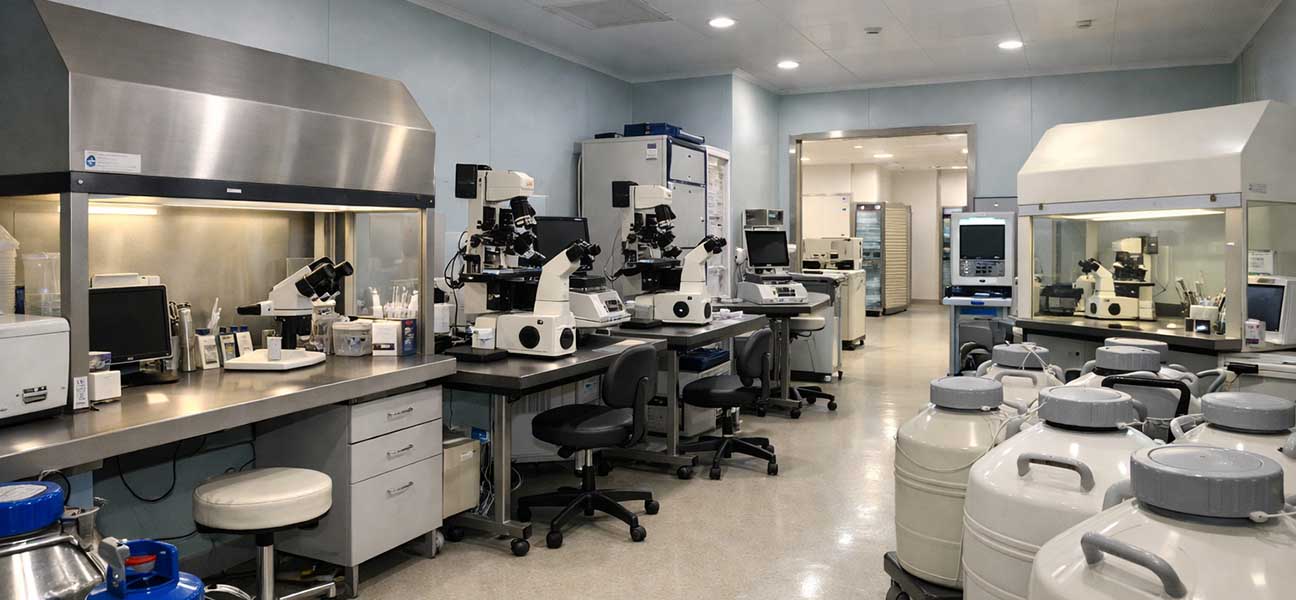
| Assisted Reproduction Centre, Hong Kong Sanatorium & Hospital | Equipped with time-lapse imaging system for continuous embryo observation; gas purification system meets ISO Class 5 standards | Extensive experience in poor ovarian response and repeated implantation failure | One-stop management, seamless coordination from examination to transfer cycle |
| Reproductive Medicine Centre, Union Hospital | Mature PGT-A technology, ample experience in embryo biopsy and freeze-thawing | In-depth expertise in genetic counseling and third-generation IVF | Emphasis on patient education, detailed endometrial preparation protocol before transfer |
| Hong Kong Reproductive Medicine Centre | Independent embryo culture room, high proportion of time-lapse incubators used | Well-managed protocols for advanced maternal age fertility and egg donation programs | Provides psychological counseling and nutritional support, suitable for patients needing comprehensive care |
| Reproductive Medicine Centre, Chinese University of Hong Kong | Leverages university research resources, stringent laboratory quality control standards | Research foundation in infertility related to Polycystic Ovary Syndrome (PCOS) and Endometriosis | Integration of clinical practice and research; some patients may participate in new protocol evaluations |
It should be noted that the above features do not imply that one center is absolutely superior to another, but rather provide reference dimensions for patient choice. Specific choices should be based on the individual's cause of infertility and medical needs.
Easily Overlooked Details
When choosing a hospital, patients often overlook several details that directly impact treatment outcomes:
- Embryo Culture Environment in the Lab: Includes the type of incubator (e.g., use of tri-gas incubators), air purification system (HEPA and VOC filtration), and stability of temperature and humidity control. These factors affect embryo developmental potential.
- Embryologist Experience: The embryologist's skill directly impacts fertilization rates, cleavage rates, and blastocyst formation rates. A senior embryologist can better handle issues like abnormal fertilization or poor oocyte morphology.
- Cryopreservation Technology Maturity: The duration and volume of vitrification technology application affect the survival rates of frozen eggs and embryos. Laboratories with survival rates below 90% require careful evaluation.
- Genetic Counseling Capability: For patients with genetic disease risks, recurrent miscarriage, or chromosomal abnormalities, it is crucial whether the hospital has a professional genetic counseling team and can provide clear PGT protocol recommendations.
- Cycle Cancellation Rate: Some centers report good success rates but have high cycle cancellation rates (cycles abandoned due to poor ovarian response or poor embryo quality). Patients need to understand the "live birth rate per initiated cycle," not just the "pregnancy rate per transfer cycle."
Common Pitfalls to Avoid
When choosing an IVF hospital in Hong Kong, pay special attention to the following misconceptions:
- Focusing only on success rate numbers without considering patient demographics. A hospital treating many older or complex cases will have a lower overall success rate, but this doesn't mean its treatment quality for average patients is poor.
- Falling for overpromises. Any institution promising "100% success" or "over 90% success rate" is not credible. Reputable fertility centers do not make unverifiable promises.
- Ignoring hidden costs. Fee structures vary between hospitals. Confirm in advance whether medication costs, examination fees, embryo culture fees, PGT genetic screening fees, and cryopreservation fees are included in the package.
- Believing "imported drugs are always better." The effectiveness of ovarian stimulation drugs depends on the patient's individual response, not just the price. Doctors choose the most suitable medication based on hormone levels and ovarian response.
- Frequently changing doctors or centers. Fertility treatment requires continuity and trust. Frequent changes lead to inconsistent protocols and may prolong the overall treatment time.
Specific Process and Timeline
Undergoing IVF in Hong Kong typically takes 3–4 months from the initial consultation to embryo transfer, depending on the individual protocol and whether PGT is required.
Standard Process Timeline
| Stage | Main Tasks | Estimated Duration |
|---|---|---|
| Initial Consultation & Tests | Fertility assessment for both partners: AMH, sex hormone panel (6 items), antral follicle count, semen analysis, infectious disease screening, chromosome karyotype analysis | 1–2 weeks |
| Protocol Design & Preparation | Doctor designs ovarian stimulation protocol based on test results; some patients may need hysteroscopy or endometrial biopsy first | 2–4 weeks |
| Ovarian Stimulation & Egg Retrieval | Stimulation lasts about 10–14 days; rest required on the day of egg retrieval, with 1–2 hours of post-operative observation | 2–3 weeks |
| Embryo Culture & PGT | Standard culture to blastocyst stage takes 5–6 days; PGT-A or PGT-M results take 3–6 weeks | 3–6 weeks |
| Transfer & Luteal Support | Transfer procedure takes about 10–15 minutes; luteal support with progesterone or hCG; pregnancy test 12–14 days after transfer | 2–4 weeks |
What to Prepare
- Documents: Identity cards for both partners, Mainland Travel Permits for Hong Kong and Macao (or valid endorsements), marriage certificate. Some centers may require proof of address within the last 3 months.
- Medical History: Includes all previous test reports, surgical records, and treatment summaries. If IVF was done in mainland China, provide the ovarian stimulation protocol and embryo culture records.
- Test Reports: Semen analysis within the last 3 months, AMH and sex hormone panel within the last 6 months, chromosome karyotype analysis within the last year. If reports are expired, retesting in Hong Kong is needed.
- Mental Preparation: The treatment cycle may be extended or cancelled due to poor ovarian response or embryo quality issues. Have realistic expectations and a backup plan.
How Long Does It Take?
From the first consultation to confirmed pregnancy, a complete treatment cycle typically takes 4–6 months. It takes longer if PGT genetic screening is involved. If the first transfer is unsuccessful, a subsequent frozen embryo transfer cycle takes about 1–2 months. The overall treatment duration commonly ranges from six months to a year.
What Are the Risks?
IVF treatment carries certain medical risks that should be fully understood before starting:
- Ovarian Hyperstimulation Syndrome (OHSS): Women with PCOS or high ovarian response may experience bloating, nausea, or decreased urine output after stimulation; severe cases require hospitalization. Doctors mitigate risk by adjusting medication and preventive measures.
- Egg Retrieval Procedure Risks: Egg retrieval is an invasive procedure with potential risks of post-operative bleeding, infection, or damage to surrounding organs. The incidence is low but should be taken seriously. Choosing an experienced doctor and ultrasound-guided procedure reduces risk.
- Multiple Pregnancy Risk: Transferring two or more embryos increases the chance of multiple pregnancies, which carry significantly higher risks of preterm birth, gestational hypertension, and diabetes compared to singletons. Many centers now recommend single embryo transfer.
- Embryo Developmental Arrest: Some embryos stop developing during culture and cannot form transferable blastocysts. This is related to egg and sperm quality and is a natural selection process.
Frequently Asked Questions
In outpatient clinics, the most common questions patients ask and the doctors' responses are as follows:
"Doctor, my AMH is low. Does that mean my success rate is very low?"
Low AMH does not mean there is no chance, but it requires a more carefully designed ovarian stimulation protocol. For patients with AMH below 0.8 ng/mL, doctors may use mild stimulation or natural cycle protocols to try to obtain a few but high-quality embryos. At the same time, the male partner's semen quality should be considered; high sperm DNA fragmentation can further affect embryo development. The key is to find an experienced doctor to create an individualized plan.
"What are the advantages of IVF technology in Hong Kong compared to mainland China?"
Fertility centers in Hong Kong are internationally aligned in laboratory management, PGT technology application, and medication use. Some centers have long-term experience in embryo culture quality control and genetic counseling. However, top-tier fertility centers in mainland China (such as Peking University Third Hospital, CITIC Xiangya, Renji Hospital, etc.) also have clinical volumes and technical expertise at the international forefront. The choice depends more on the patient's specific needs and convenience of access to medical care.
"How many cycles will I need to succeed?"
No one can give this answer in advance. Statistically, patients under 35 achieve a live birth in an average of 1–2 egg retrieval cycles, while those over 40 may need 3 or more cycles. Factors influencing the number of cycles include age, ovarian reserve, embryo euploidy rate, and uterine environment. It is advisable for patients to mentally prepare for the possibility of needing multiple cycles and to focus on the number and quality of embryos obtained in each treatment.
"Does ovarian stimulation cause premature ovarian failure?"
No. Ovarian stimulation simply utilizes the follicles that would naturally undergo atresia in that cycle; it does not prematurely deplete ovarian reserve. Premature ovarian failure is related to genetics, immunity, and environmental factors, not to the use of ovarian stimulation drugs.
"Do I need to stay in bed all the time after the transfer?"
No. Normal daily activities and light exercise after transfer are beneficial for blood circulation and uterine blood flow. Prolonged bed rest may actually increase the risk of thrombosis. Avoid strenuous exercise, heavy lifting, and prolonged standing, but normal walking, climbing stairs, working, and studying are all acceptable.
Practitioner's Observation: The Logic of Choosing a Hospital
Having worked in the field of assisted reproduction for many years, I have observed a common misconception among patients when choosing a hospital: using the "success rate" as the sole decision-making criterion. In reality, the success rate is a retrospective statistic reflecting a center's treatment outcomes in a specific population over a past period. For an individual patient, what matters more is whether the doctor's protocol addresses their specific cause of infertility, whether the laboratory provides a stable culture environment, and whether the entire team offers timely support and adjustments throughout the treatment process.
The overall level of fertility centers in Hong Kong is relatively balanced, with differences more evident in specialized areas. For example, some centers have accumulated extensive experience in genetic counseling and PGT-M, making them suitable for families at risk of single-gene disorders. Others have unique expertise in ovarian stimulation protocols for poor ovarian responders, making them suitable for patients with low AMH or poor results from previous egg retrievals. It is recommended that patients directly discuss their core issues with the doctor during the initial consultation and observe whether the doctor can provide clear, specific, and unambiguous answers.
Doctor's Advice
As a reproductive specialist, here are three pieces of advice for patients preparing for IVF in Hong Kong:
- Verify Institutional Qualifications. Before deciding, confirm that the hospital's fertility center holds a valid license from the Hong Kong Council on Human Reproductive Technology (HTA). This is the basic prerequisite for determining if the institution is compliant.
- Have an In-depth Consultation. Conduct at least one in-depth face-to-face or video consultation with the primary doctor. Assess whether the doctor can clearly explain your cause of infertility, the rationale for the chosen protocol, and the potential risks. The smoothness of doctor-patient communication directly impacts treatment adherence and outcomes.
- Inquire About Lab Quality Control Data. You can ask about process indicators such as the lab's fertilization rate, blastocyst formation rate, and frozen embryo survival rate. These data reflect the lab's daily performance better than the final success rate. A stable lab should have consistent and predictable process indicators.
The success rate is a reference, but the protocol and team that suit you are the key. No hospital can guarantee 100% success, but a responsible center will honestly tell you: based on your situation, what results we anticipate, and what paths we can try.
Final Reminder: IVF treatment is a process that requires patience and confidence. When choosing a hospital, do not be swayed by overpromises or anxiety. Focus on your own test data, build trust with your doctor, and follow the scientific process step by step. This is the shortest path to achieving your goal. If possible, prepare a "medical file" containing all previous examinations and treatment records to help the doctor quickly understand your full history.
This article was written by the content team of the Reproductive Medicine Knowledge Base, aiming to provide objective and professional information on assisted reproduction. The data and cases mentioned are derived from published medical literature and clinical experience summaries and do not constitute a recommendation for any specific medical institution. Patients should develop individualized treatment plans under the guidance of a professional doctor.
References: Annual Reports of the Hong Kong Council on Human Reproductive Technology (HTA), Clinical Guidelines in Reproductive Medicine, relevant medical literature (2019–2024).
0 comments