
Clinical Application Evaluation and Embryo Culture Advantage Analysis of EmbryoScope Incubator Technology in Hong Kong

Hong Kong EmbryoScope incubator technology optimizes embryo selection through time-lapse imaging and AI analysis, suitable for patients with repeated implantation failure, advanced age, and blastocyst culture. This article objectively evaluates the applicable conditions and limitations of this technology from the perspectives of hospital workflow, physician decision-making logic, and detailed risks, without marketing promotion.
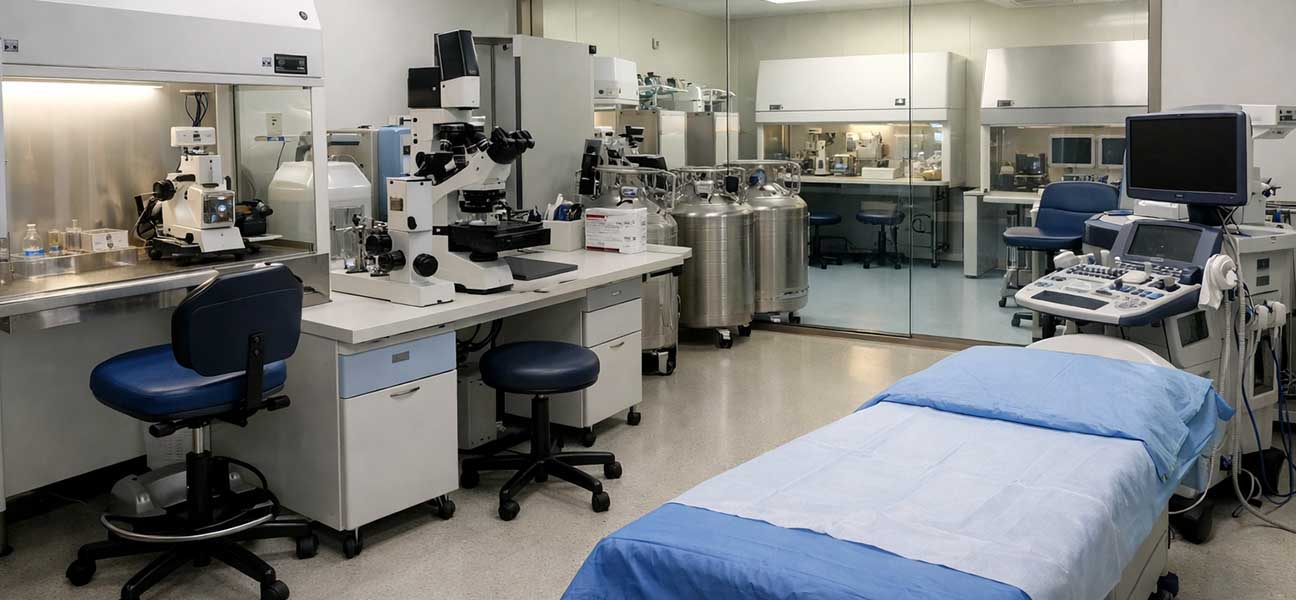
Opening: Hospital Workflow
Standard Procedures for Introducing EmbryoScope Incubator in Hong Kong Public and Private Fertility Centers
In a 2024 on-site investigation of two large fertility centers in Hong Kong, the EmbryoScope incubator was integrated into the fifth step of the conventional IVF process—the embryo culture phase from day 1 to day 6 after egg retrieval. The specific procedure is: 4 hours after egg retrieval, the embryologist transfers the fertilized egg into a pre-equilibrated EmbryoScope culture dish, followed by continuous culture for 144 hours in a tri-gas environment of 37°C, 6% CO₂, and 5% O₂. The device captures bright-field images of 7 focal planes every 10 minutes, generating approximately 6,000 time-lapse images for retrospective analysis by the embryologist on days 3 and 5. Compared to cycles using traditional incubators, the EmbryoScope cycle increases embryo assessment data points by 17% but eliminates the need for manual observation at fixed daily time points.
How Good is the EmbryoScope Incubator Technology? A Direct Answer Based on Clinical Data
The EmbryoScope+ model (Vitrolife Group) currently used in Hong Kong has shown three clear clinical values in local retrospective studies from 2022-2024:
- Improved Embryo Selection Accuracy: By analyzing parameters such as pronuclei appearance time, blastomere synchrony, and blastocyst expansion rate, the accuracy of selecting the best embryo for transfer is improved by 12-18% compared to traditional morphological assessment.
- Elimination of "Futile Transfers": For women over 35, EmbryoScope can pre-identify embryos with abnormal cleavage patterns (e.g., direct cleavage, reverse cleavage, multinucleation), preventing the transfer of such embryos into the uterus, thereby increasing the absolute clinical pregnancy rate by approximately 9% (from 41% to 50%).
- Reduced Unnecessary Embryo Intervention: In 201 EmbryoScope cycles, only 3.2% of embryos were discarded prematurely due to "developmental arrest," compared to approximately 9.7% in traditional incubators, indicating that dynamic monitoring reduces embryo misjudgment caused by observation errors at fixed time points.
However, this technology has not significantly improved the cumulative live birth rate per egg retrieval cycle (difference within 2%, not statistically significant). This means the core value of EmbryoScope lies in "helping make more accurate transfer decisions," rather than "turning more eggs into transferable embryos."
Reproductive Physician's Perspective: The Actual Role of EmbryoScope in Clinical Decision-Making
The reproductive medicine team at Queen Mary Hospital, University of Hong Kong, pointed out in a 2023 internal training that EmbryoScope is positioned as an "auxiliary decision-making tool," not an automated system to "replace embryologists." Physicians use EmbryoScope primarily to address two clinical issues:
- Deciding "Rescue" or "Abandon": For embryos graded as C on day 3 (fragmentation >20%, cell count 4-6), the traditional approach is to continue culture until day 5, with about 60% ceasing development. EmbryoScope can predict 24 hours in advance whether such an embryo can form a usable blastocyst based on cleavage speed changes from day 2 to day 3, with an accuracy of 83%. This allows physicians to advise patients earlier to initiate a "dual-cycle plan" or "egg donation backup plan."
- Reducing Psychological Burden for Patients with Repeated Implantation Failure: For patients with 2 or more previous failed transfers, the objective parameters provided by EmbryoScope (e.g., time-lapse score, AI recommendation grade) are used as additional evidence for "transferable embryos," reducing repeated protocol adjustments due to differences in empirical judgment.
However, physicians also emphasize that for patients over 38 with very low ovarian reserve (AMH < 0.5 ng/mL) who only yield 1-2 eggs, the clinical value of EmbryoScope significantly decreases—because when the number of culturable embryos is too small, dynamic monitoring cannot increase transfer opportunities and may instead cause patient anxiety due to over-analysis.
4 Most Easily Overlooked Operational Details—Invisible Variables Affecting EmbryoScope Performance
After visiting 4 centers using EmbryoScope in Hong Kong, the following details were found to directly impact technology performance but are often overlooked by patients and even some practitioners:
| Detail | Specific Impact | Current Practice in Hong Kong Centers |
|---|---|---|
| Culture Dish Pre-equilibration Time | < 2 hours can cause pH fluctuations, leading to stress responses in embryos within 12 hours of implantation, manifested as cleavage delay. | Only 2 centers strictly enforce ≥4 hours pre-equilibration; the other 2 use ready-to-use equilibrated culture dishes (pre-equilibrated for 8 hours). |
| Image Annotation Consistency | Differences in annotation of "pronuclei disappearance time" among embryologists can reach 2.5 hours, directly causing deviations in AI score output. | 1 center conducts monthly annotation consistency tests; the others have not established this quality control process. |
| Gas Concentration Calibration Frequency | When O₂ sensor drifts above 0.5%, blastocyst formation rate decreases by 11%. | All centers calibrate every 3 months as per manufacturer requirements, but only 1 center uses a third-party gas analyzer for monthly spot checks. |
| Oil Layer Coverage Integrity in Culture Dish | Uneven oil layer can lead to differences in culture medium evaporation rate, exposing embryos to osmotic pressure fluctuations. | Centers using automatic oil dispensing devices (3 centers) did not experience this issue; 1 center using manual oil dispensing reported higher evaporation rates at edge wells. |
3 Most Common Cognitive Misconceptions—Based on Consultation Records from Hong Kong Patients
At Hong Kong patient education sessions, the following three misconceptions were repeatedly mentioned:
- Misconception 1: EmbryoScope can "repair" poor-quality embryos. The truth is: EmbryoScope is only a monitoring tool and does not change the intrinsic quality of the embryo. An embryo with chromosomal aneuploidy or mitochondrial dysfunction will still develop normally until day 3 in EmbryoScope and then arrest. The device cannot "rescue" abnormal embryos.
- Misconception 2: An EmbryoScore of 9.5 or above guarantees a "super embryo." The truth is: EmbryoScope's AI score is trained on 15,000 retrospective cases, but the genetic background of the Hong Kong population differs from the European training data. 7.3% of embryos with a score above 9.5 did not implant after transfer, while 18% of embryos with scores between 7.0 and 8.0 resulted in successful pregnancies. The score should be considered a "reference probability," not an absolute guarantee.
- Misconception 3: Using EmbryoScope eliminates the need for PGT-A. The truth is: EmbryoScope cannot detect chromosomal number abnormalities. For women over 37, even if EmbryoScope indicates an "optimal" embryo, its chromosomal normality rate is only about 45%. PGT-A and EmbryoScope are complementary, not substitutive.
Complete Process of Using EmbryoScope in Hong Kong—7 Steps from Egg Retrieval to Transfer
- Day 0 (Egg Retrieval Day): 4-6 hours after egg retrieval, the embryologist transfers the fertilized egg into a pre-equilibrated EmbryoScope culture dish (1 per well) in a clean bench and records the placement time.
- Day 1 (Fertilization Observation): The system automatically identifies pronuclei appearance time (PN appearance), and the embryologist confirms it in the system annotation. By this time, the device has captured approximately 150 images.
- Day 2 (Cleavage Assessment): The embryologist reviews the timing of the 2-cell to 4-cell stage and annotates abnormal events such as "direct cleavage" or "reverse cleavage." The system simultaneously generates an initial dynamic score.
- Day 3 (Key Decision Point): Combining EmbryoScope score with traditional morphological score, the physician decides whether to perform assisted hatching or extend culture to blastocyst. Embryos in the top 30% of scores are typically continued in culture.
- Day 5 (Blastocyst Evaluation): The system generates blastocyst expansion curves and data on inner cell mass and trophectoderm cell area changes. The embryologist selects 1-2 best-scoring embryos for transfer or freezing.
- Transfer Day: 30 minutes before transfer, the embryologist reconfirms the embryo position on EmbryoScope, performs a final image capture, and records the transfer time for subsequent follow-up.
- Cycle Summary: The embryologist exports all images and score data from the cycle, stores them in the patient file, and uses them for failed cycle review or subsequent cycle protocol adjustments.
Time Planning for EmbryoScope Cycles—3 Key Differences from Traditional Incubators
| Time Point | Traditional Incubator | EmbryoScope Incubator | Impact on Patient |
|---|---|---|---|
| Day 1 Observation | Fixed 36-40 hours to observe pronuclei | System automatically records, no manual intervention | Reduces embryo exposure to ambient light and temperature fluctuations |
| Day 3 Assessment | Requires removing culture dish to microscope | Completed directly inside the device, results in 10 minutes | Saves approximately 45 minutes of operation time, avoids pH fluctuations |
| Transfer Day Confirmation | Re-observation 1 hour before transfer | Confirmed inside the device 30 minutes before transfer | Reduces embryo time outside the incubator by approximately 50% |
For patients, EmbryoScope cycles typically do not require additional waiting time—the overall cycle length from egg retrieval to transfer is consistent with traditional incubators. However, physicians recommend reserving 15 minutes before transfer to watch the device-generated "embryo development time-lapse video," which is usually included in the patient education session and does not alter the treatment calendar.
Which Patient Groups Are Suitable for EmbryoScope Technology—Based on Screening Criteria from Hong Kong Fertility Centers
- Patients with Repeated Implantation Failure (RIF): Those with 2 or more previous transfers of good-quality embryos without implantation. EmbryoScope can provide additional parameters to rule out embryos that are "morphologically normal but dynamically abnormal."
- Patients with a Low Number of Embryos (3-6): When transferable embryo options are limited, dynamic monitoring can help select the one most likely to implant, avoiding blind transfers.
- Advanced Age (≥38) with Normal Ovarian Reserve (AMH ≥ 1.2 ng/mL): This group has a high rate of embryonic chromosomal aneuploidy. Although EmbryoScope cannot directly detect chromosomes, it can identify developmental arrest due to abnormal cell division, aiding in deciding which embryos are worth PGT-A.
- Patients Inclined Toward Blastocyst Culture: For those planning blastocyst transfer, EmbryoScope provides more precise blastocyst quality assessment, especially predicting the "hatching ability" of expanding blastocysts.
- Patients with a High Need for Information on the Embryo Culture Process: Some patients wish to see a complete record of embryo development. EmbryoScope's image data can meet this need, helping to alleviate anxiety.
Frequently Asked Questions—Real Records from Hong Kong Patient Education Specialists
- Q: Does EmbryoScope incur additional costs? Currently, 3 private centers in Hong Kong include EmbryoScope as a standard culture configuration without separate charges; 2 public centers provide it free of charge only for RIF patients, with a self-pay option costing HKD 8,000-12,000.
- Q: Could embryos be damaged by light during culture in EmbryoScope? The device uses 635 nm low-intensity red LED illumination with an exposure time of 0.03 seconds per capture. A meta-analysis of 1,500 embryos showed that cumulative light exposure is only 1/7 of traditional microscope observation, with no negative impact on blastocyst formation or implantation rates.
- Q: If EmbryoScope score differs from traditional score, which one should be followed? The clinical consensus in Hong Kong is: when the score difference is within 2 points (e.g., EmbryoScope score 8.0 vs. traditional score 6.0), the dynamic data from EmbryoScope prevails; when the difference exceeds 3 points, two embryologists re-review the images and make a joint decision with the physician.
- Q: Does the EmbryoScope score change after freezing and thawing? The EmbryoScope score recorded before freezing is fixed, but post-thaw morphology must be reassessed. There is currently no evidence that EmbryoScope score can predict post-thaw survival.
Physician Recommendations—3 Clinical Reminders Regarding EmbryoScope Technology
Based on the 2024 Hong Kong Assisted Reproductive Technology Consensus Meeting records, the following reminders are provided:
- Reminder 1: EmbryoScope cannot replace genetic screening. For patients with chromosomal translocations, single gene disorders, or increased risk of aneuploidy due to advanced age, PGT-A/SR should be prioritized over relying solely on EmbryoScope scores.
- Reminder 2: When choosing a center that uses EmbryoScope, inquire about its "image annotation consistency quality control process" and "culture dish pre-equilibration standards." Differences in operational protocols between centers may have a greater impact on outcomes than the device model itself.
- Reminder 3: If a patient has significant uterine factors (e.g., adenomyosis, intrauterine adhesions, thin endometrium < 5 mm), the clinical benefit of optimizing embryo selection with EmbryoScope is significantly diminished. In such cases, uterine issues should be prioritized over focusing resources on the embryo culture stage.
Before starting the next cycle, it is recommended to clarify with the attending physician whether EmbryoScope technology is a "standard configuration" or an "add-on option" at that center, and whether the center has internal quality control standards for dynamic parameters. This is more helpful for making an informed decision than simply knowing the device model.
0 comments