
Canossa Hospital IVF Process Check and Cost Explanation - Hong Kong Assisted Reproduction

Detailed explanation of the entire IVF process at Canossa Hospital, including pre-treatment examinations, ovulation induction protocols, egg retrieval and transfer steps, and cost breakdown. Assessment recommendations for different ages and ovarian function groups to help patients rationally plan their treatment path.
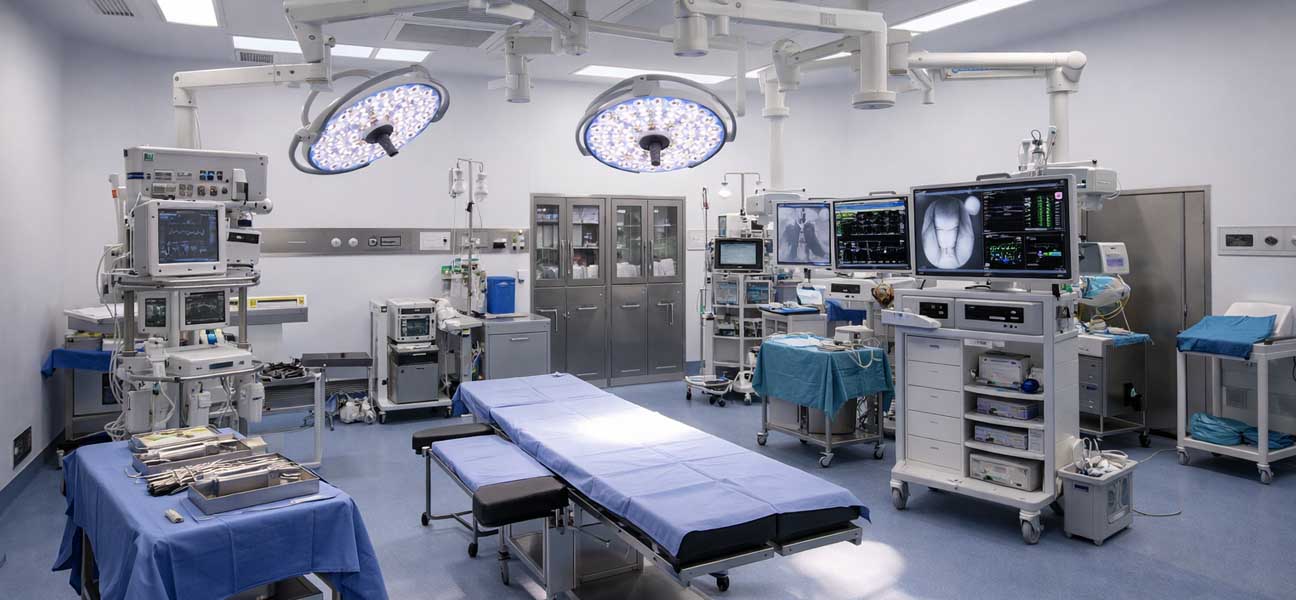
Opening: Real Consultation Scenario
▍Consultation Scenario
A 38-year-old female doctor asked through an online platform: "My AMH is only 1.2. I've had two failed IVF attempts locally. I'm thinking of trying Canossa Hospital. Do you think I have a chance?" This question involves ovarian reserve assessment, analysis of previous failure reasons, and the connection between the Hong Kong and mainland medical systems, representing a typical cross-border medical consultation. The following breaks it down from the perspectives of process, examinations, costs, and suitable candidates.
What conditions is Canossa Hospital IVF suitable for?
Canossa Hospital is a private medical institution in Hong Kong offering assisted reproductive services. Its fertility center is equipped with an embryology laboratory and can perform conventional in vitro fertilization (IVF), intracytoplasmic sperm injection (ICSI), preimplantation genetic testing (PGT), and frozen-thawed embryo transfer. The following conditions are generally suitable for choosing this center:
- Tubal factor infertility: Bilateral tubal blockage, severe adhesions, or post-salpingectomy.
- Male factor: Mild to moderate oligospermia, asthenospermia, teratozoospermia, or obstructive azoospermia requiring testicular/epididymal sperm aspiration.
- Ovulation disorders: Polycystic ovary syndrome (PCOS) with no pregnancy after ovulation induction, or advanced age with diminished ovarian function.
- Endometriosis: Stage I-IV endometriosis with no pregnancy after surgery or medical treatment.
- Unexplained infertility: No clear abnormality found in both partners after examination, but failure to conceive after regular attempts for over 1 year (over 6 months for age ≥35).
- Need for PGT: Presence of chromosomal structural abnormalities, single-gene genetic disorders, or recurrent miscarriage requiring embryo genetic screening.
When is it not suitable: Severe ovarian failure (e.g., AMH <0.4 ng/mL and antral follicle count <2), severe uterine malformation or uncorrectable uterine cavity pathology, uncontrolled systemic diseases (e.g., severe hypertension, diabetes), active infection, or malignancy. Additionally, if either partner has a severe mental disorder preventing cooperation with treatment.
Actual Process: Seven Steps from Initial Consultation to Transfer
The IVF process at Canossa Hospital is divided into the following stages, requiring the participation of both partners:
1. Initial Consultation and Fertility Assessment
Both partners attend with past medical records and examination reports. The doctor takes a detailed medical history and orders necessary tests. The purpose of the initial consultation is to confirm indications, rule out contraindications, and develop an individualized plan.
2. Comprehensive Examinations
The female partner needs to complete: AMH, baseline sex hormone panel (FSH, LH, E2, P, T, PRL), thyroid function, infectious disease screening (Hepatitis B, Hepatitis C, HIV, Syphilis), blood type, coagulation profile, liver and kidney function, and pelvic ultrasound (antral follicle count + uterine cavity assessment). The male partner needs to complete: Semen analysis + morphology, infectious disease screening, blood type. Additional tests like karyotype, Y-chromosome microdeletion, and sperm DNA fragmentation index may be added if necessary.
3. Determining the Ovarian Stimulation Protocol
Based on the woman's age, AMH, antral follicle count, and previous response, the doctor selects a long protocol, antagonist protocol, PPOS protocol, or mild stimulation protocol. Antagonist protocols are often used for PCOS or high-responder patients to reduce the risk of ovarian hyperstimulation syndrome; PPOS or mild stimulation protocols are often used for those with low ovarian reserve.
4. Ovarian Stimulation and Follicle Monitoring
Gonadotropins (Gn) are injected starting from day 2-3 of the cycle. Transvaginal ultrasound and hormone monitoring are performed every 2-4 days to adjust the dosage. When ≥2 follicles reach 18mm in diameter, hCG or a GnRH agonist trigger is administered, and egg retrieval is performed 34-36 hours later.
5. Egg Retrieval Surgery
Under intravenous anesthesia, eggs are retrieved via transvaginal ultrasound-guided puncture. The procedure takes 15-25 minutes. After a 2-hour observation in the recovery room, the patient can leave if no abnormalities are present. The male partner provides a semen sample on the same day (or frozen sperm is used).
6. Embryo Culture and Genetic Testing
Embryologists perform fertilization via ICSI or conventional IVF. Embryos are cultured in specialized media until day 3 (cleavage stage) or day 5-6 (blastocyst stage). If PGT is required, 4-6 trophectoderm cells are biopsied at the blastocyst stage for whole genome amplification to detect chromosomal copy number or specific gene loci. The testing period is approximately 2-4 weeks, and embryos are frozen during this time.
7. Embryo Transfer and Luteal Support
Fresh embryo transfer occurs on day 3-5 after egg retrieval. For frozen embryo transfer, the endometrium is prepared first (natural or artificial cycle). Transfer is performed when the endometrial thickness is ≥7mm and the morphology is good. After transfer, progesterone (injectable, vaginal gel, or oral) is used for luteal support. A blood test for hCG is done 12-14 days after transfer.
Timeline: How Long Does the Entire Cycle Take?
| Stage | Time Required | Notes |
|---|---|---|
| Initial Consultation + Examinations | 1-2 weeks | Some tests need to be done on day 2-3 of menstruation |
| Ovarian Stimulation | 10-14 days | Requires monitoring visits every other day |
| Egg Retrieval + Embryo Culture | 5-7 days | Includes post-operative rest |
| PGT Testing (if applicable) | 2-4 weeks | Embryos frozen while awaiting results |
| Endometrial Preparation | 12-18 days | Medication before frozen embryo transfer |
| Transfer + Pregnancy Test | 14-16 days | hCG test on day 12-14 post-transfer |
From initial consultation to pregnancy test, a complete fresh embryo cycle takes approximately 5-7 weeks; a frozen embryo cycle (including PGT) takes approximately 8-12 weeks. It is advisable to plan work and travel in advance, especially for cross-border patients who need to allocate sufficient time in Hong Kong.
Key Examination Indicators and Clinical Significance
The following indicators are important for doctors to formulate plans and estimate success rates:
| Item | Reference Range | Clinical Significance |
|---|---|---|
| AMH | >1.2 ng/mL | Reflects ovarian reserve; lower values indicate fewer remaining eggs |
| Basal FSH | <10 IU/L | Elevated levels suggest diminished ovarian reserve |
| LH | 2-15 IU/L | Basal LH/FSH ratio >2 suggests possible PCOS |
| Antral Follicle Count (AFC) | >6 (both ovaries) | Directly reflects the number of recruitable follicles |
| Sperm Concentration | ≥16 million/mL | Values below this may require ICSI |
| Sperm Progressive Motility | ≥30% | Affects conventional IVF fertilization rates |
| Sperm DNA Fragmentation Index | <15% | High fragmentation may affect embryo development and implantation |
Special Note: Low AMH does not mean absolutely no chance, but the number of eggs retrieved is usually lower. The doctor will make a comprehensive judgment based on AMH + AFC + age, and choose a mild stimulation or PPOS protocol to try to obtain usable embryos. When FSH >15 IU/L and AMH <0.5 ng/mL, the live birth rate with conventional IVF decreases significantly.
Five Most Easily Overlooked Details
- Document Preparation: Mainland residents traveling to Hong Kong for medical treatment need a valid Exit-Entry Permit for Travel to Hong Kong and Macau + endorsement. Some examinations require both partners to be present simultaneously. It is recommended to apply early and ensure documents are valid. Canossa Hospital requires presentation of ID card, marriage certificate (if applicable), and all past medical records when creating a file.
- Medical Record Translation and Coordination: Examination reports from the mainland (especially imaging and pathology reports) need to be provided in English or Traditional Chinese. Some tests (e.g., genetic tests) may need re-verification. It is recommended to organize all materials before the initial consultation and communicate with the hospital in advance.
- Cross-border Medication Use: Ovarian stimulation drugs are prescription biologics and cannot be carried across borders arbitrarily. They usually need to be obtained in Hong Kong or purchased through legal channels in the mainland under a doctor's guidance. Some medications require cold chain transport, so logistics plans need to be confirmed in advance.
- Language Communication: Canossa Hospital primarily uses Cantonese and English. Mandarin services require advance booking or a request for translation assistance. For critical steps (e.g., signing informed consent), ensure full understanding of all content.
- Validity Window for Re-examinations: Some test results have an expiry date – infectious disease screening is usually valid for 6 months, karyotype is valid for life, and semen analysis is recommended within 3 months. If time is delayed, re-testing may be necessary.
Cost Breakdown and Influencing Factors
The cost of IVF at private hospitals in Hong Kong varies depending on the protocol, medication dosage, testing items, and number of cycles. Below are the typical fee ranges at Canossa Hospital (Hong Kong Dollars):
| Item | Cost Range (HKD) | Description |
|---|---|---|
| Initial Consultation + Basic Tests | 3,000-8,000 | Includes ultrasound, sex hormones, AMH, semen analysis |
| Ovarian Stimulation Medications | 12,000-38,000 | Imported Gonal-f/Puregon/Li Shen Bao etc., dosage varies per individual |
| Egg Retrieval Surgery + Anesthesia | 28,000-45,000 | Includes operating room, consumables, anesthesia fees |
| Embryo Culture (Conventional) | 18,000-30,000 | Includes incubator, culture media, embryologist handling |
| ICSI (Intracytoplasmic Sperm Injection) | 10,000-18,000 | For male factor or previous fertilization failure |
| PGT-A/PGT-M | 28,000-50,000 | Charged per embryo, includes biopsy + testing |
| Embryo Freezing + Storage (First Year) | 8,000-15,000 | Renewal charged annually |
| Frozen Embryo Transfer | 15,000-25,000 | Includes endometrial preparation, transfer procedure, luteal support |
The total cost for a fresh embryo cycle without PGT is approximately HKD 120,000-200,000; a frozen embryo cycle with PGT is approximately HKD 180,000-300,000. Medication costs account for a large proportion. Patients with low ovarian response may have lower medication costs but could face increased total expenses due to cycle cancellation or the need for multiple egg retrievals.
Doctor's Perspective: Core Factors Affecting Success Rates
At the Canossa Hospital Fertility Center, doctors focus on the following variables when evaluating IVF success rates:
- Female Age: Live birth rate is approximately 40%-50% per transfer cycle for women under 35, dropping to 10%-20% for those over 40, and typically below 5% for age ≥43. The impact of age on egg quality cannot currently be reversed by medication.
- Ovarian Function: Comprehensive assessment using AMH + AFC + basal FSH. When AMH ≥1.2 and AFC >6, expected egg yield is >6, with a higher cumulative live birth rate. When AMH <0.8, the number of eggs retrieved per cycle is usually ≤3, so preparation for multiple cycles is needed.
- Embryo Chromosomal Euploidy: Even embryos with good morphological scores may have chromosomal aneuploidy. PGT-A can screen for euploid embryos, improving the implantation rate per single transfer, but it does not increase the cumulative live birth rate.
- Uterine Environment: Endometrial thickness <6mm, presence of polyps/adhesions/fibroids (especially submucosal fibroids), or chronic endometritis can reduce implantation rates. Hysteroscopy is recommended before transfer.
- Reasons for Previous Failure: Recurrent implantation failure (RIF) requires systematic investigation – embryo factors, endometrial receptivity, immune factors, thrombophilia, chronic endometritis, etc. The doctor will arrange corresponding tests based on the individual situation.
Common Questions about Low AMH: Low AMH does not necessarily mean poor egg quality, but fewer eggs retrieved leads to fewer embryos available for transfer. For individuals with AMH <1.0, doctors usually recommend accumulating embryos for frozen embryo transfer or considering egg donation. Blindly pursuing high-dose stimulation is not recommended, as it may harm egg quality.
Frequently Asked Questions
Q1: How many trips to Hong Kong are needed for IVF at Canossa Hospital?
A complete cycle typically requires 3-5 trips to Hong Kong: 1 for initial consultation, 1-2 for stimulation monitoring (staying 3-5 days each), 1 for egg retrieval (staying 1-2 days), and 1 for transfer (staying 1-2 days). A frozen embryo cycle requires an additional trip for endometrial preparation. It is recommended to stay 5-7 days each time to accommodate monitoring adjustments.
Q2: Can mainland medical insurance reimburse the costs?
Currently, mainland medical insurance does not cover assisted reproductive treatment in Hong Kong. All costs are out-of-pocket. Some commercial health insurance plans (e.g., high-end medical insurance) may include overseas fertility benefits; policy terms should be confirmed with the insurance company in advance.
Q3: My AMH is only 0.6. Is it worth trying?
The doctor will assess based on age, AFC, and previous egg retrieval history. If age ≤38 and AFC ≥3, a mild stimulation or PPOS protocol can be attempted, aiming for 1-3 eggs per cycle, accumulating embryos over 2-3 cycles before frozen embryo transfer. If age ≥42 or AFC <2, the live birth rate is extremely low, and egg donation should be discussed directly.
Q4: After a first failed IVF cycle, how soon can I start the next cycle?
After a failed fresh embryo transfer, it is usually possible to start the next cycle after resting for 1-2 menstrual cycles. After a failed frozen embryo transfer, the endometrium can be prepared in the next cycle. If there are more than 2 consecutive failures, it is recommended to complete RIF-related investigations before considering the next cycle.
Q5: If the male partner's semen analysis shows no sperm, can we still do IVF at Canossa Hospital?
If it is obstructive azoospermia, embryos can be obtained via epididymal/testicular sperm aspiration combined with ICSI. If it is non-obstructive azoospermia, a testicular biopsy is needed first to confirm the presence of focal spermatogenesis. If no sperm is found on biopsy, donor sperm or adoption may be considered. The Canossa Hospital Fertility Center can arrange for a urologist to assess the feasibility of sperm retrieval.
⚠️ Risk Reminder
IVF treatment carries the following known risks: Ovarian Hyperstimulation Syndrome (OHSS, incidence about 3%-8%, higher risk in PCOS patients), complications related to egg retrieval surgery (bleeding, infection, organ damage, incidence <1%), multiple pregnancy (twin rate about 20%-30% when transferring 2 embryos), ectopic pregnancy (about 2%-5%), and embryo arrest or miscarriage (early miscarriage rate about 15%-20%, increasing with age).
All treatment plans must be carried out after full doctor disclosure and signing of informed consent. It is not recommended to blindly start a cycle due to age anxiety, nor to give up after a single failure. Medical decisions should be based on a comprehensive individual assessment.
▍Medical Editor's Perspective
Having encountered many cross-border medical cases, I've found that the key to success often lies not in a hospital's "ranking," but in the match between the patient's specific conditions and the hospital's technical strengths. As a long-established private hospital in Hong Kong, Canossa Hospital has a mature system in terms of procedural standardization and patient privacy protection. However, the ability to design individualized plans and the quality control level of the laboratory remain core competencies. It is recommended that patients directly discuss with their primary doctor during the initial consultation: What is my expected number of eggs? Based on my situation, what is the approximate live birth rate per cycle? What preparations do I need for multiple cycles? – The answers to these questions are more valuable references than any promotional data.
0 comments