
Can IVF in Hong Kong Choose Twins? Policy Restrictions, Medical Risks, and Embryo Transfer Decision Guide

IVF in Hong Kong does not allow embryo transfer for the purpose of selecting twins. The Hong Kong Council on Human Reproductive Technology (HART) mandates a preference for single embryo transfer to reduce the risk of multiple pregnancies. This article details Hong Kong's policy, twin pregnancy risks, transfer strategies for different age groups, and key information patients need to know before making a decision.
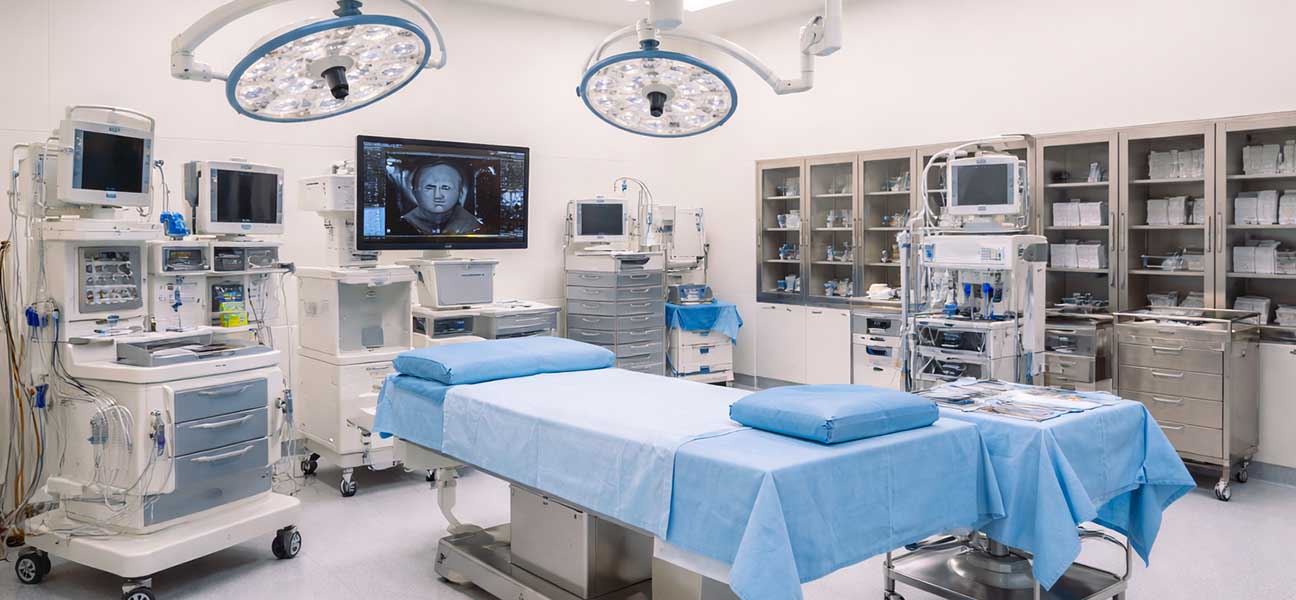
Opening: Real Consultation Scenario
This is one of the most common questions I hear in my outpatient clinic at a Hong Kong fertility center. Mr. and Mrs. L, a 33-year-old couple from mainland China, planned to undergo IVF due to tubal factors and specifically chose Hong Kong. They candidly expressed their wish to transfer two embryos and have twins. This scenario repeats in the consultation room almost every week. As a reproductive physician, my answer has never been a simple “yes” or “no.”
Can IVF in Hong Kong Choose Twins: Direct Answer
No. The Hong Kong Council on Human Reproductive Technology (HART) explicitly stipulates that assisted reproduction must not involve embryo transfer for the purpose of “selecting twins” or “pursuing multiple pregnancies.” The core principle of Hong Kong law and ethical guidelines is to reduce the risk of multiple pregnancies and ensure maternal and child safety. The number of embryos transferred is strictly limited; single embryo transfer (eSET) is generally recommended. Transfer of two embryos may only be considered under specific clinical conditions, and transferring three or more embryos is prohibited. Any such decision must be based on medical indications, not patient preference.
Doctor’s Perspective: Why Hong Kong Strictly Restricts Twin Transfers
From a reproductive medicine standpoint, twin pregnancy is considered a high-risk pregnancy. The mother faces significantly increased risks of gestational hypertension, gestational diabetes, postpartum hemorrhage, and placenta previa. The fetus faces risks of preterm birth, low birth weight, neurological development issues, and even perinatal death. Hong Kong’s medical ethics emphasize the “patient’s best interests.” In the field of assisted reproduction, single embryo transfer is the standard practice that aligns with this principle. As a reproductive physician, my duty is to help patients achieve a healthy singleton pregnancy, not to satisfy a preference for multiples. In clinical practice, I often spend considerable time explaining to patients: twins are not “solving two problems at once” but rather “bringing two risks at once.”
Core Principle: Clinical decision-making in Hong Kong assisted reproduction prioritizes maternal and child safety above all. The number of embryos transferred is not a matter of “choice” but a risk management issue based on medical evaluation.
Policy Differences Between Hong Kong, Mainland China, and the United States
Regulations on the number of embryos transferred vary significantly across regions, directly affecting patients’ options and clinical practices.
| Region | Transfer Limit | Policy Attitude Towards Twins | Regulatory Body |
|---|---|---|---|
| Hong Kong | ≤2, strongly recommends single embryo transfer | Prohibits transfer for the purpose of pursuing twins; emphasizes risk disclosure | Hong Kong Council on Human Reproductive Technology (HART) |
| Mainland China | ≤2 (some centers may transfer 3) | Relatively lenient; some patients actively request twins | National Health Commission |
| United States | Varies by state; mainstream recommendation is eSET | Values patient autonomy, but ASRM guidelines strongly recommend reducing multiples | ASRM + State Medical Boards |
| United Kingdom | ≤2, strictly recommends single embryo transfer | Similar to Hong Kong; strict regulation by HFEA | HFEA (Human Fertilisation and Embryology Authority) |
Key Difference: Hong Kong’s policy aligns closely with the UK’s HFEA system and is more conservative than Mainland China. Choosing Hong Kong does not mean patients can “freely choose” twins; instead, they must accept stricter risk management.
Easily Overlooked Details
- Transferring 2 embryos ≠ twins. Two embryos may result in only one implanting, or both may implant. Even transferring one embryo can lead to identical twins. The actual twin rate is far lower than patients expect.
- Single embryo transfer (eSET) success rates are not low. For young patients with good-quality blastocysts, the live birth rate with eSET is close to that of double embryo transfer, but the risk of twins is reduced by over 80%.
- The medical cost of a twin pregnancy is 2-4 times that of a singleton. This includes prenatal monitoring, NICU costs for premature infants, postpartum recovery, and is not always covered by insurance.
- Hong Kong’s “informed consent” is very strict. Even if a doctor agrees to transfer two embryos, a detailed risk disclosure form must be signed, confirming the patient understands the risks of twins.
Common Pitfalls
- Mistakenly believing Hong Kong can “customize” twins. Some patients choose Hong Kong because they heard “Hong Kong allows transferring two embryos,” but in reality, Hong Kong’s policy is stricter than Mainland China’s. Doctors will not transfer two embryos solely based on a patient’s request.
- Underestimating the long-term impact of twin pregnancy on the mother. Conditions like gestational hypertension, diabetes, cesarean scar, and pelvic floor dysfunction can affect a woman’s health for decades.
- Ignoring neonatal risks. Premature infants may face severe complications such as respiratory distress, brain damage, and retinopathy. Even if they survive, long-term rehabilitation may be needed.
- Thinking “having two at once is more cost-effective.” This view overlooks the medical, emotional, and financial costs of twins, as well as the long-term impact on the children and family.
Actual IVF Process in Hong Kong and Embryo Transfer Decision Points
In Hong Kong, the complete IVF process includes the following stages, with the decision on the number of embryos to transfer occurring at step 7:
- Initial Consultation and Fertility Assessment — Includes AMH, FSH, LH, antral follicle count, semen analysis, karyotype, genetic counseling, etc.
- Ovarian Stimulation — Individualized protocol based on ovarian function, typically lasting 10-14 days.
- Egg Retrieval — Transvaginal aspiration under ultrasound guidance, procedure time about 20 minutes.
- IVF and Embryo Culture — Fertilization in the lab and culture to the blastocyst stage (day 5-6).
- PGT (Preimplantation Genetic Testing, optional) — Screening for chromosomal abnormalities or monogenic diseases.
- Frozen or Fresh Embryo Decision — Based on endometrial condition, hormone levels, risk of ovarian hyperstimulation, etc.
- Embryo Transfer Number Decision — The doctor makes a comprehensive judgment based on age, embryo quality, previous cycle history, uterine cavity condition, etc.
- Luteal Support and Pregnancy Test — Blood test for HCG 12-14 days after transfer.
During the transfer decision stage, Hong Kong doctors use a standardized assessment form, considering the following factors to provide recommendations:
- Age <35 + good-quality blastocyst + first cycle → Strongly recommend single embryo transfer
- Age 35-37 + average embryo quality → Discuss single or double embryo transfer
- Age ≥38 + or previous failed transfer → Consider double embryo transfer
- In any case, number of embryos transferred ≤2
Special Circumstances: When Transferring Two Embryos May Be Considered
Hong Kong’s clinical guidelines allow for the transfer of two embryos in the following special situations, but only after a rigorous risk-benefit assessment and thorough communication with the patient:
| Special Situation | Medical Rationale | Considerations |
|---|---|---|
| Age ≥38 | Higher embryonic aneuploidy rate; lower success rate with single embryo transfer | Must consider PGT results; fully inform about twin risks |
| Repeated implantation failure (≥2 times) | Possible non-aneuploidy implantation barriers | Recommend hysteroscopy, ERA, etc., before blindly increasing transfer number |
| Poor embryo quality (e.g., high aneuploidy rate, high fragmentation) | Lower implantation potential of a single embryo; transferring two may increase cumulative pregnancy rate | Priority given to PGT screening before decision |
| Significantly diminished ovarian reserve (AMH <1.0 ng/mL) | Few eggs retrieved, limited usable embryos; need to cherish each transfer opportunity | Still recommend single embryo transfer unless very few embryos are available |
It must be emphasized: Even if the above conditions are met, Hong Kong doctors do not “routinely” transfer two embryos. Instead, they will hold at least one dedicated risk communication meeting with the patient to ensure the patient understands all potential harms of twin pregnancy.
Frequently Asked Questions
Not necessarily. For young patients (<35) with good-quality blastocysts, the difference in live birth rates between transferring one and two is small (about 5-8%), but the twin risk skyrockets from less than 2% to over 30%. For older patients or those with poor embryo quality, transferring two may slightly increase the success rate per transfer, but the twin risk also rises. Medically, the focus is on the healthy live birth rate, not just the pregnancy rate per transfer.
Maternal risks: Gestational hypertension (2-3 times higher than singletons), gestational diabetes (1.5-2 times higher), postpartum hemorrhage, significantly higher cesarean section rate. Fetal risks: Preterm birth (<37 weeks occurs in about 50-60%), low birth weight (<2500g occurs in about 50%), significantly increased NICU admission rate, and higher risk of long-term neurological sequelae.
Hong Kong law allows selective reduction under specific medical indications, such as triplet or higher-order pregnancies, or detection of severe fetal abnormalities. However, reducing a twin pregnancy to a singleton is ethically controversial and generally not recommended. The reduction procedure itself carries risks of miscarriage, infection, bleeding, and may affect the remaining fetus. Therefore, preventing twins is safer than reducing them.
According to Hong Kong’s Human Reproductive Technology Ordinance and HART’s Code of Practice: Transferring three or more embryos is prohibited; transferring embryos for the purpose of pursuing multiple pregnancies is prohibited; transferring two embryos requires clear medical indications and written informed consent from the patient; all fertility centers must report the number of embryos transferred and multiple pregnancy rates to HART annually.
The doctor must document the medical indications in the medical record and complete a standardized risk disclosure process, including verbal communication and written documentation. The patient must sign a specific informed consent form for multiple pregnancy risks. Some centers also require patients to watch an educational video on multiple pregnancy risks and complete a knowledge confirmation questionnaire.
The risks of twin pregnancy should not be underestimated. For patients considering IVF in Hong Kong, it is recommended to fully understand the potential harms of twin pregnancy to both mother and fetus before making a decision, and to have a detailed discussion with a reproductive physician. The primary principle of medicine is safety, not quantity. If you belong to an older age group, have diminished ovarian reserve, or have a history of adverse pregnancy outcomes, you should be especially cautious when evaluating the number of embryos to transfer. A healthy singleton is far better than two high-risk twins.
This article was written by a clinical doctor at a Hong Kong fertility center, based on the current guidelines of the Hong Kong Council on Human Reproductive Technology (HART) and international reproductive medicine consensus. The content is intended for patient education only and does not constitute medical advice. Please consult a licensed reproductive physician for specific diagnosis and treatment plans.
0 comments