
Beijing Fertility Center Selection Guide: Strength Comparison Between Public Tertiary Hospitals and Specialized Clinics

Which Beijing fertility center is best? From Peking University Third Hospital, Peking Union Medical College Hospital to Beijing Chaoyang Hospital, each center has its own focus in assisted reproduction. This article helps you choose based on your age, ovarian function, medical history, and other personal factors from dimensions such as clinical data, laboratory conditions, and doctor teams, without blindly chasing rankings.
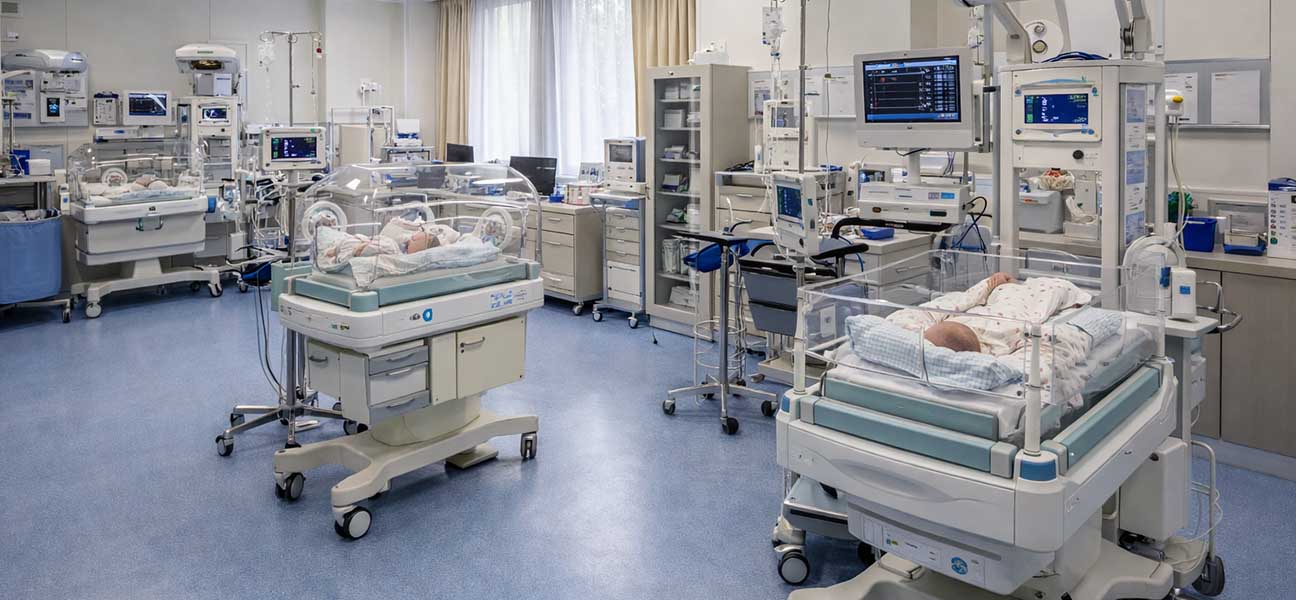
Opening: Real Consultation Scenario
▎A 34-year-old patient with AMH 1.8 ng/mL, trying to conceive for 2 years without success, asks in the clinic:
“I’ve been researching for days, and everyone says Peking University Third Hospital, Peking Union Medical College Hospital, and Chaoyang Hospital are the best reproductive centers. But my ovarian function is starting to decline. Which one should I choose? Should I go directly to Peking University Third Hospital and wait in a long line, or go to another hospital to start sooner?”
——This is a real question encountered 5 to 8 times every week, reflecting the confusion behind it: in the current era of mixed information, how to rationally judge which fertility center is more suitable for your specific situation, rather than being led by “rankings” or “advertisements.”
I. Direct Answer: There is No “Strongest”, Only “Best Match”
There are more than 10 medical institutions in Beijing that provide assisted reproductive technology, among which about 8 centers routinely perform in vitro fertilization-embryo transfer (IVF-ET). According to the assisted reproductive technology verification results and clinical quality control data published by the National Health Commission, there is no “cliff-like” difference among centers in core indicators such as live birth rate, incidence of ovarian hyperstimulation syndrome, and multiple pregnancy rate. The so-called “strongest” usually refers to large annual cycle volume, extensive experience in handling complex cases, and high-level laboratory hardware, but whether these advantages translate into individual patient benefits depends on multiple factors including patient age, ovarian reserve, infertility etiology, and comorbidities.
Judgment Logic: The order for choosing a fertility center should be “First clarify your own problem → Then match the center’s strengths → Finally assess the feasibility of visiting”, rather than first looking at the “ranking” and then fitting yourself into it. Peking University Third Hospital has over 15,000 annual cycles, with significant advantages in complex cases and multi-center clinical research; Peking Union Medical College Hospital has rich experience in the joint management of reproductive endocrine and metabolic diseases; Beijing Chaoyang Hospital has long-term accumulation in individualized protocols for advanced age and poor ovarian response patients.
II. Doctor’s Perspective: Four Core Evaluation Dimensions When Choosing a Center
As an assisted reproduction consultant with 10 years of experience, through exchanges with doctors from multiple centers in Beijing, I have summarized that doctors focus on the following four dimensions when choosing or recommending a center to patients:
- Laboratory Hardware and Quality Control: Including the type of embryo incubator (time-lapse imaging incubator vs. traditional incubator), PGT testing platform, freeze-thaw survival rate, and blastocyst formation rate. These data are usually not publicly available, but can be indirectly judged by whether the center has CAP or ISO certification, or participates in national external quality assessment.
- Sub-specialization of the Doctor Team: A good center usually has clear sub-specialty groups—such as the diminished ovarian reserve group, recurrent implantation failure group, reproductive genetics group, and reproductive surgery group. Patients can directly consult doctors specialized in their specific condition, rather than receiving “general” consultations.
- Multidisciplinary Collaboration Capability: Assisted reproduction involves reproductive endocrinology, embryology, genetics, imaging, psychology, nutrition, etc. Large general hospitals like Peking Union Medical College Hospital and Peking University Third Hospital have more prominent multidisciplinary consultation capabilities for complex conditions involving thyroid diseases, autoimmune diseases, pre-thrombotic state, etc.
- Consultation Efficiency and Follow-up System: Including the difficulty of getting an appointment, waiting time for examinations, waiting period for cycle initiation, timeliness of embryo result notification, and whether there is a systematic luteal phase support and early pregnancy follow-up management. This is often overlooked by patients but directly affects treatment experience and compliance.
III. Differentiated Characteristics of Major Fertility Centers in Beijing
Below is an objective overview of several centers in Beijing with large cycle volumes and high patient attention, without ranking, only stating features and suitable populations:
| Center Name | Core Advantages & Features | More Suitable For | Limitations to Note |
|---|---|---|---|
| Peking University Third Hospital Reproductive Center | One of the earliest centers in China to perform assisted reproduction, largest annual cycle volume, rich repository of complex cases, strong clinical research capabilities, and has an independent State Key Laboratory of Reproductive Medicine. | Patients with complex infertility, recurrent implantation failure, need for multi-center consultation, genetic screening needs, and those willing to accept longer waiting times. | Difficulty getting appointments, long waiting time for cycle initiation, crowded during peak consultation hours, may not be suitable for time-sensitive patients. |
| Peking Union Medical College Hospital Reproductive Center | Leveraging the comprehensive strength of PUMCH, with extensive experience in managing assisted reproduction for reproductive endocrine diseases (e.g., PCOS, POI, disorders of sex development) and combined medical conditions (thyroid, autoimmune diseases). | Patients with combined medical or endocrine diseases, need for multidisciplinary management, or requiring reproductive genetic counseling. | Relatively smaller center scale, limited cycle volume, also faces appointment difficulties; advantages are less prominent for patients with normal ovarian function and no comorbidities. |
| Beijing Chaoyang Hospital Reproductive Center | One of the earliest centers among Beijing municipal hospitals to perform assisted reproduction, with long-term accumulation in individualized ovulation induction protocols for advanced age, poor ovarian response, and follicular development disorders. Rich experience in mild stimulation protocols for patients with diminished ovarian reserve (DOR). | Advanced maternal age (≥38 years), low AMH, previous poor oocyte yield with stimulation, patients wishing to use mild stimulation or natural cycle protocols. | Depth in PGT and genetic counseling is less than that of Peking University Third Hospital and PUMCH; less center publicity, some patients are unaware of its technical expertise. |
| Beijing Obstetrics and Gynecology Hospital Reproductive Center | Specializes in female reproductive endocrinology, with rich experience in managing endometrial receptivity, uterine cavity pathology, and uterine factors in recurrent implantation failure. Close collaboration with the Maternal-Fetal Medicine Center. | Patients with intrauterine adhesions, endometrial polyps, thin endometrium, recurrent implantation failure suspected to have uterine factors. | Relatively weaker experience in male infertility (especially surgical sperm retrieval for azoospermia) compared to general hospitals; medium-sized laboratory. |
| Peking University People's Hospital Reproductive Center | Specializes in the integration of reproductive surgery (e.g., tubal anastomosis, myomectomy, ovarian cystectomy) with assisted reproduction. Has a systematic process for patients needing surgery before assisted reproduction. | Patients with gynecological pathologies requiring surgical treatment (e.g., hydrosalpinx, uterine fibroids, ovarian cysts) who desire integrated “surgery + assisted reproduction” management. | Relatively fewer routine IVF cycles; the center’s advantages are less pronounced for patients without surgical needs. |
| PLA General Hospital (301) Reproductive Center | Has technical expertise in male infertility (especially severe oligoasthenospermia, surgical sperm retrieval for azoospermia) and reproductive genetics. Leveraging the military hospital system, offers convenience in the consultation process for specific populations (e.g., military personnel and their families). | Patients with male factor infertility (severe oligoasthenospermia, azoospermia requiring micro-TESE), need for genetic screening, military personnel or their families. | The appointment process for civilian patients is relatively special; less center publicity, some patients are unaware of its advantages in male infertility. |
IV. Five Most Easily Overlooked Details
When helping patients make decisions, I find that the following details are often overlooked but have a practical impact on the treatment process and outcomes:
- “Hidden Waiting” for Cycle Initiation: Centers like Peking University Third Hospital and PUMCH usually require 2 to 6 months after the initial consultation to enter the cycle (due to appointment availability, examination scheduling, file creation process, etc.). For patients with low AMH or advanced age, these months may mean a further decline in ovarian reserve. Centers like Chaoyang Hospital and People's Hospital typically have shorter waiting periods (1 to 2 months).
- “Operating Time Window” of the Embryology Lab: The working hours and procedures of embryology labs differ between centers. For example, some centers only perform emergency procedures (like egg retrieval, transfer) on weekends, not routine embryo observation; others have embryologists on duty every day. This affects the frequency of embryo development assessment and decision-making flexibility.
- Differences in Luteal Phase Support Protocols: Some centers primarily use oral dydrogesterone, some use vaginal progesterone gel, and others routinely use subcutaneous progesterone injections. Different protocols vary in convenience, side effects, and patient tolerance, but doctors often do not proactively explain “why this protocol was chosen.”
- Embryo Result Notification Method: Some centers notify results by phone or text message on day 3 and day 5/6 of embryo culture, some require patients to check results on an app, and others only answer consultation calls during fixed time windows. This difference in communication efficiency can cause varying psychological stress for patients during the waiting period.
- Genetic Testing Pathway for Miscarried Embryos: If a miscarriage occurs after transfer, can genetic testing (e.g., SNP array or NGS) be performed on the miscarriage tissue? The submission process and partner laboratories vary by center. Patients with a history of recurrent miscarriage should clarify this before treatment.
V. Three Most Common Cognitive Misconceptions
Misconception 1: “The center with the highest success rate is the best”
The statistical caliber of success rates varies greatly—is it calculated per “transfer cycle”, per “egg retrieval cycle”, or per “individual patient”? Are donor egg cycles excluded? Are PGT cycles included? The “success rate” figures published by different centers cannot be directly compared horizontally. What deserves more attention is the live birth rate for your specific age group and the cumulative live birth rate for poor ovarian response patients.
Misconception 2: “Try a small hospital first, and if it doesn’t work, transfer to a big hospital”
Ovulation induction protocols, embryo culture systems, and laboratory quality control in assisted reproduction differ between centers. If oocyte retrieval results are unsatisfactory at one center, doctors at another center will need to reassess ovarian response and may change the protocol, but some ovarian reserve has already been consumed. For patients with AMH ≤ 1.2 ng/mL or age ≥ 40 years, the first choice should be matched as closely as possible to the appropriate center to avoid “trial and error” depleting the follicle pool.
Misconception 3: “Only look at the doctor’s reputation, not the team collaboration”
More than 50% of the outcome in assisted reproduction depends on the quality of the embryology lab, not just the consulting doctor alone. If a “famous doctor” works in a center with unstable lab quality control and inexperienced embryologists, their individual ability is difficult to translate into a high blastocyst formation rate. When choosing a center, also pay attention to the background of the embryology lab director, the external quality assessment certifications the lab has passed, and the years of experience of the embryologists.
VI. Actual Process and Timeline for Assisted Reproduction in Beijing
Regardless of which center you choose, the standard IVF/ICSI process generally includes the following stages. Understanding the overall timeline helps in arranging work and life:
- Initial Consultation and File Creation (1–2 days): The female partner schedules an appointment at the reproductive center, and the male partner schedules an appointment at the andrology or urology department. Complete medical history collection and order pre-operative tests (blood routine, coagulation, infectious diseases, chromosome karyotype, AMH, sex hormone panel, semen analysis for both partners). Some tests need to be done at specific times in the menstrual cycle (e.g., sex hormones on days 2–4 of menstruation, semen analysis requires 2–7 days of abstinence).
- Examination and Report Review (2–4 weeks): After all test results are available, the doctor reviews whether it is suitable to enter the cycle. If abnormalities are found (e.g., thyroid dysfunction, uterine cavity mass), they need to be addressed before starting the cycle. Chromosome karyotype results usually take 10–14 working days.
- Protocol Formulation and Cycle Initiation (1–3 months, depending on waiting): The doctor determines the ovulation induction protocol (long protocol, antagonist protocol, mild stimulation protocol, etc.) based on age, AMH, antral follicle count, and previous treatment history. Gonadotropin injections start on day 2–3 of menstruation, with an average stimulation duration of 10–14 days.
- Egg Retrieval and Embryo Culture (3–6 days): Egg retrieval is performed 34–36 hours after hCG or GnRH agonist trigger. Embryos are observed on day 3, and blastocysts form on day 5/6. If PGT is required, biopsy is performed at the blastocyst stage, and results are awaited for 10–15 working days after submission.
- Transfer and Luteal Phase Support (pregnancy test 10–14 days after transfer): Usually, 1 or 2 blastocysts/cleavage-stage embryos are transferred. Luteal phase support medication is used after transfer. A blood test for hCG is done 10–14 days after transfer to confirm pregnancy. If pregnant, luteal support continues until gradually discontinued at 8–12 weeks of gestation.
From the initial consultation to completing the first transfer, the total time is usually 3 to 6 months, with the waiting period for cycle initiation accounting for a significant portion. For patients with normal ovarian reserve and no complex comorbidities, the process at centers like Chaoyang Hospital and People's Hospital is usually more streamlined.
VII. High-Frequency Consultation Questions (Real Answers from Practitioners)
Below are questions repeatedly asked in daily consultations, answered uniformly:
- Q: It’s too difficult to get an appointment at Peking University Third Hospital. Are there any “tips”?
A: Appointments for the Reproductive Center at Peking University Third Hospital are released through the official app, usually at 18:00 seven days in advance. New patients can first schedule a regular appointment (associate chief physician or attending physician), complete basic tests, and then be referred to the corresponding sub-specialty group. Directly scheduling an appointment with a specialist is extremely difficult, and it is more efficient to have initial tests ordered by a general doctor. - Q: My AMH is only 0.8. Which center is more suitable?
A: Beijing Chaoyang Hospital Reproductive Center has extensive experience in individualized protocols for poor ovarian response (POR), including natural cycles, mild stimulation, and luteal phase stimulation. Peking University Third Hospital also has a dedicated low-response research group, but the waiting time for the cycle is longer. For patients with AMH ≤ 1.0, it is recommended to prioritize centers with short waiting times and specific experience in low response to minimize follicle depletion. - Q: I have uterine fibroids. Should I have surgery first or go directly to IVF?
A: It depends on the location, size of the fibroids, and whether they affect the uterine cavity shape. If the fibroids protrude into the uterine cavity (submucosal fibroids) or significantly compress the endometrium, surgery (hysteroscopy or laparoscopy) is usually recommended before assisted reproduction. Peking University People's Hospital has a systematic process for integrating reproductive surgery and assisted reproduction. It is recommended to undergo a 3D ultrasound evaluation at the center and let the doctor decide. - Q: How much does IVF cost? Is there a big difference between centers?
A: In Beijing, the total cost for a routine IVF/ICSI cycle (from tests to transfer) is approximately 35,000 to 55,000 RMB, varying depending on the type of medication (domestic vs. imported ovulation induction drugs), whether PGT is performed, whether embryos are frozen, and the number of transfers. The basic fees across centers are similar; the main differences lie in medication costs (proportion of imported drugs) and the choice of additional embryo culture services (such as time-lapse imaging, assisted hatching). - Q: My husband has severe oligoasthenospermia. Is it better to go to 301 Hospital?
A: 301 Hospital has traditional advantages in microsurgical sperm retrieval and reproductive genetics for male infertility. However, the andrology departments at Peking University Third Hospital, PUMCH, and Chaoyang Hospital also have microsurgical sperm retrieval capabilities. The choice should be based on whether PGT is also needed (e.g., for chromosomal abnormalities or genetic disease carrier status): if PGT is needed, the genetic counseling platforms at Peking University Third Hospital and PUMCH are more mature; if only ICSI is needed, the andrology experience at 301 and Chaoyang Hospital is sufficient.
VIII. Practitioner’s Observation: “Hidden Differences” Among Beijing Fertility Centers
The following are personal observations from practice, not representing any official position, but may be valuable for patient decision-making:
- Research-Oriented vs. Clinical Efficiency-Oriented: Peking University Third Hospital and PUMCH undertake a large number of national research projects. Doctors have research pressure in addition to clinical work, which can affect outpatient efficiency to some extent. In contrast, doctors at municipal centers like Chaoyang Hospital and Obstetrics and Gynecology Hospital focus more on clinical services, with potentially tighter consultation rhythms and relatively longer patient communication time.
- Differences in Patient Community Atmosphere: Patient communities (support groups, forums) for Peking University Third Hospital are very active, with a large amount of information but also over-interpretation and anxiety transmission. Some patients report being affected by negative information in the community during the waiting period. In contrast, the patient group at Chaoyang Hospital is relatively “quieter,” with less anxiety transmission.
- Management Pathways for “Repeated Failure” Patients: Peking University Third Hospital has a dedicated multidisciplinary discussion mechanism for recurrent implantation failure (RIF), regularly summarizing complex cases for collective decision-making. PUMCH tends to handle RIF through a more individualized “one-on-one” management model. Both models have their advantages, but patients need to understand which mechanism their chosen center uses.
- Integration of Traditional Chinese Medicine (TCM) Adjuvant Therapy: The Reproductive Center at Beijing Obstetrics and Gynecology Hospital has a fixed referral collaboration with its TCM department. Some patients receive acupuncture or herbal medicine concurrently during their IVF cycle. Peking University Third Hospital and PUMCH also have TCM consultation channels, but their utilization rate is relatively low. If patients wish to combine Chinese and Western medicine, they can directly inquire about the center’s integrated medicine pathway during the initial consultation.
IX. Doctor’s Advice: Following These Three Steps is More Effective Than Asking “Which is Best”
Step 1: Get a “Reproductive Health Annual Check-up.” Before deciding which center to go to, complete the female partner’s AMH, sex hormone panel, vaginal ultrasound (antral follicle count), and the male partner’s semen analysis. Bring these objective indicators to the consultation, and the doctor can give more specific advice.
Step 2: Based on the test results, narrow down to 2–3 candidate centers. For example: normal ovarian function, no comorbidities → Peking University Third Hospital, Chaoyang Hospital, or Obstetrics and Gynecology Hospital are all options; low AMH, age ≥ 38 → prioritize Chaoyang Hospital or the low-response group at Peking University Third Hospital; combined thyroid/immune issues → PUMCH or Peking University Third Hospital.
Step 3: Conduct an on-site visit for the “initial consultation process.” Schedule a regular appointment at one of the candidate centers to experience the difficulty of getting an appointment, the clinic environment, the doctor’s communication style, and the efficiency of the examination process. Often, the comfort of the consultation experience affects emotional state during treatment, and emotions are a known factor influencing endocrine function and pregnancy outcomes.
Final reminder: The assisted reproductive technology verification results for each center can be found on the official website of the Beijing Municipal Health Commission. Pay attention to whether the “verification conclusion” is “qualified” and whether the “rectification opinions” involve laboratory quality control issues. This is a more authoritative quality signal than any “reputation.”
0 comments