
Are IVF Babies Different from Naturally Conceived Babies? Key Differences Explained

There are objective differences between Hong Kong IVF and natural conception in terms of conception method, embryo screening, and pregnancy risks. This article analyzes the differences in genetics, development, and health outcomes from a reproductive medicine perspective, addressing common concerns to help patients understand scientifically.
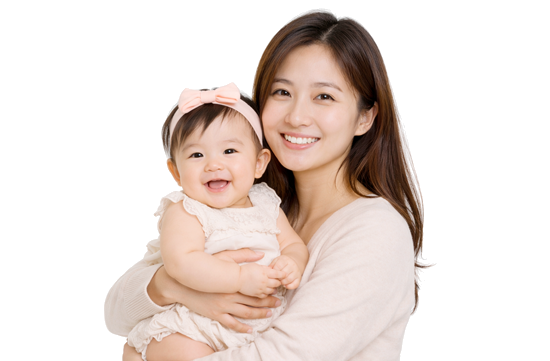
Opening: Real Consultation Scene
A week ago, a 38-year-old Hong Kong patient walked into the clinic holding her two-month-old baby. She took out her phone, played a video of her friend's naturally conceived baby, and after comparing repeatedly, asked: "Doctor, is there really no difference between my IVF baby and a naturally conceived one? Some people online say IVF babies get sick more easily, others say they are smarter. Which is true?" This scene appears almost every week. As a reproductive specialist, I understand this concern—more than four decades after the birth of assisted reproductive technology, public perception remains full of gray areas. Today, let's break down this issue from a medical perspective.
1. Direct Answer: Is There an Essential Difference Between IVF and Naturally Conceived Babies?
There is no essential difference. Based on the fundamental facts of reproductive medicine: whether through IVF or natural conception, the genetic material of the embryo comes from the sperm and egg of both parents. IVF technology merely changes the location where fertilization occurs—from the fallopian tube to a laboratory culture dish—and may add one step: the embryo undergoes genetic screening (PGT) before transfer. Once the embryo successfully implants, the subsequent pregnancy process, fetal development, and delivery method are completely identical to natural conception.
Definitive Answer: For healthy full-term babies, in vitro fertilization itself does not cause additional organic differences. Research data shows that IVF babies show no statistically significant differences from naturally conceived children in long-term intelligence, physical development, or psychological development. However, the following two situations need to be distinguished:
- When might IVF babies show minor differences? When the parents themselves have infertility factors (such as advanced age, genetic diseases, chromosomal abnormalities), screening out abnormal embryos through PGT before transfer may actually reduce the risk of certain birth defects.
- When is simple comparison not recommended? Pregnancy complications such as multiple pregnancies (more common with IVF), preterm birth, and low birth weight are more related to maternal age and twin pregnancies than to the IVF technology itself.
2. Why Do "Difference" Myths Exist? — Common Sources of Misunderstanding
When discussing differences, it is essential to distinguish between "differences caused by technology" and "differences caused by population background." The naturally conceiving population is generally younger and has no clear infertility causes, while those undergoing IVF are typically older (average IVF age in Hong Kong is about 37-39 years) or have issues with fallopian tubes, ovaries, or sperm. Directly comparing pregnancy outcomes between these two groups can easily lead to the erroneous conclusion that "IVF babies are worse" or "IVF babies are better."
Breakdown of specific reasons:
- Maternal factors masking: The decline in egg quality and increase in metabolic diseases due to advanced age are the main variables affecting fetal health.
- Embryo culture environment: Current time-lapse incubators and stable culture media used in Hong Kong reproductive centers closely mimic the physiological environment, having minimal impact on embryonic epigenetics.
- Genomic imprinting issues: Early ICSI techniques observed a slight increase in imprinting disorders, but modern technology has reduced the risk to levels comparable to natural conception (below approximately 0.1%).
3. Doctor's Perspective: What Are the Core Differences at Which Levels?
From a clinical decision-making standpoint, I tell patients that the only differences they truly need to focus on are the following three points:
| Comparison Dimension | Natural Conception | Hong Kong IVF (IVF/ICSI/PGT) |
|---|---|---|
| Embryo Acquisition Method | In vivo fertilization, natural selection | In vitro fertilization, allows artificial selection |
| Genetic Disease Prevention | Relies solely on natural elimination (early miscarriage) | PGT can exclude chromosomal aneuploidies and monogenic diseases |
| Multiple Pregnancy Rate | Approximately 1-2% | Approximately 5-10% under single embryo transfer policy (still higher than natural) |
| Preterm Birth/Low Birth Weight Risk | Baseline level (5-8%) | Risk increases due to multiple pregnancies; no difference from natural for singletons |
| Offspring Sex Ratio | Natural 106:100 | Sex selection for non-medical reasons prohibited in Hong Kong; sex ratio is normal |
Note: The above table is based on public statistics from major Hong Kong reproductive centers (such as Hong Kong Sanatorium & Hospital, Union Hospital) and international literature from the past five years, not data from a single center.
4. The Most Easily Overlooked Detail: Medication Cycles and Endometrial Receptivity
Many patients focus only on the embryo itself, ignoring the potential impact of the maternal medication cycle on early pregnancy. Common protocols in Hong Kong, such as the long protocol and antagonist protocol, use medications like gonadotropins and progesterone. Some scholars have observed that these medications cause temporary regulation of endometrial gene expression, but there is no evidence that they alter the baby's long-term health. Points to note:
- Ovulation induction medications do not affect the genetic material of the egg (they only act on granulosa cells);
- Luteal phase support medications (progesterone, estrogen) are discontinued around the 10th week of pregnancy, by which time fetal organ differentiation is largely complete;
- A few patients may be sensitive to pregnancy maintenance medications and experience early pregnancy nausea or dizziness, but these effects are not transmitted to the fetus.
Another often overlooked detail: After birth, IVF babies need routine vitamin K and vitamin D supplementation, which is exactly the same as for naturally conceived babies, requiring no special additional intervention.
5. The Biggest Pitfall: Using "Anecdotes" Instead of Evidence
Among Hong Kong patients, two extreme narratives are common: one is the rumor that "IVF babies have higher IQs" (stemming from the selection of superior embryos), and the other is the myth that "IVF babies are more prone to cancer." As a practitioner, I need to clarify:
- The largest Nordic cohort study to date (including over 100,000 IVF offspring followed into adulthood) found no increased incidence of cancer;
- Some online claims that "IVF babies are more likely to have autism" disappear after adjusting for maternal age and socioeconomic status;
- Real medical differences exist in pregnancy complications, such as a slightly higher risk of placenta previa in IVF pregnancies (OR 1.3-1.5), but the absolute risk is very low.
Practitioner's Observation: Hong Kong patients are most troubled by the question, "Will IVF babies have genetic defects?" In actual IVF technology, if ICSI is performed due to male factors, certain Y chromosome microdeletions may be passed on to male infants; if PGT is performed due to advanced maternal age, the risk of aneuploidies like Down syndrome can be reduced. Therefore, differences should be labeled by "etiology" rather than "technology."
6. Interpreting Examination Indicators: How to Scientifically Assess the Health of IVF Babies?
In Hong Kong obstetrics, prenatal examinations for IVF babies are the same as for natural pregnancies, but doctors pay more attention to several key indicators:
- Nuchal Translucency (NT) Thickness: Measured at 11-13 weeks of gestation; reference ranges are the same for IVF and naturally conceived babies;
- Non-Invasive Prenatal Testing (NIPT): For embryos that have undergone PGT, NIPT still has screening value (to exclude mosaicism, etc.);
- Fetal Anomaly Ultrasound: Performed at 20-24 weeks, focusing on structures like the heart and neural tube—this is no different from natural pregnancy;
- Newborn Screening: Hong Kong routinely screens for congenital hypothyroidism, G6PD deficiency, etc.; IVF babies do not have an increased spectrum of diseases.
It is important to note: Gestational age calculation for IVF pregnancies needs adjustment based on the transfer date. Performing a cesarean section 3-5 days early is not due to technical reasons but is a conservative strategy by doctors for occasional complications.
7. Frequently Asked Questions: What Do Patients Really Care About?
Here are the five most commonly asked questions in the clinic, broken down one by one:
- Q: Will IVF babies' future fertility be affected?
— No. IVF technology does not alter the formation process of offspring germ cells. If PGT is performed due to parental genetic diseases, the offspring may carry the same pathogenic gene (probability depends on the inheritance pattern), but fertility itself is not affected by IVF technology. - Q: Do IVF babies need more frequent check-ups?
— No. Follow the child development screening schedule recommended by the Hong Kong Department of Health. Only multiple pregnancies or preterm infants require enhanced growth monitoring. - Q: Do frozen embryos make babies more prone to metabolic problems?
— Current large-scale studies show no clinically significant differences in birth weight or Apgar scores between newborns from frozen-thawed embryos and fresh embryos. Some literature reports a slight increase in the risk of large-for-gestational-age babies with frozen embryos, but the mechanism is unclear and requires more research. - Q: Does Hong Kong law require a genetic report for IVF?
— Not necessarily. PGT is only recommended when couples have known genetic diseases or recurrent miscarriages. Routine IVF/ICSI does not require genetic screening. - Q: Are naturally conceived children more "natural"?
— In terms of fertilization method, yes. But in terms of genetic essence, "natural" does not mean "risk-free." Natural pregnancies also have a birth defect rate of about 2-3%, and PGT can reduce the risk of specific defects.
8. Special Situations: Which Groups Need Extra Attention?
The following three groups require more specific answers when discussing "differences":
- ① Advanced maternal age (≥40 years) IVF mothers: The rate of embryonic chromosomal aneuploidy increases exponentially with age. PGT-A can significantly reduce the risk of miscarriage and Down syndrome. Therefore, for this group, screened IVF babies may actually have a lower probability of chromosomal abnormalities than naturally conceived babies of the same age.
- ② Genetic disease carriers: IVF technology (PGT-M) allows blocking dominant inheritance or X-linked diseases, resulting in better offspring health compared to the 1/4 or 1/2 risk of disease in natural conception.
- ③ History of recurrent implantation failure or miscarriage: The natural pregnancy outcomes for these patients are inherently poor. IVF with assisted hatching, endometrial timing optimization, etc., may improve pregnancy outcomes, but the comparison of offspring health is between "opportunity to conceive" and "continued failure," not a difference caused by the technology itself.
Additionally, Hong Kong hospitals generally practice elective single embryo transfer (eSET). The twin rate has decreased from about 25% in 2010 to around 8% in 2023. This change has significantly reduced the occurrence of preterm birth and low birth weight, bringing the perinatal outcomes of IVF babies closer to those of natural pregnancies.
9. Practitioner's Observation: Common Cognitive Biases Among Hong Kong Patients
In years of outpatient consultations, I have noticed an interesting phenomenon: most patients who ask about "differences" are actually worried that "technological intervention will create imperfection." This psychology stems from an intuitive distrust of artificial manipulation. However, every step of reproductive medicine has strict quality control—the Hong Kong Council on Human Reproductive Technology (an equivalent body to the HFEA) conducts structural reviews of laboratories every six months. IVF babies are not only not more "fragile," but because of earlier embryo assessment, some congenital risks are actually avoided in advance.
It is important to note: Some intermediary agencies exaggerate that "IVF babies are smarter" to attract clients, which is unprofessional. We should not promote the advantages of either side. The medical fact is—excluding maternal etiology and pregnancy complications, the two groups highly overlap in all indicators that define a healthy child.
⚠ Risk Reminder
Although IVF babies themselves have no special health risks, IVF pregnancies fall under the high-risk pregnancy category (due to infertility background, age, multiple pregnancy risks, etc.), requiring more stringent prenatal monitoring. Especially in the following situations:
- Twin pregnancy: Increased risk of preterm birth, gestational hypertension, and gestational diabetes;
- Babies conceived with donor eggs/sperm: Psychological counseling and informed consent issues need consideration, but physical health is no different;
- History of recurrent miscarriage: Enhanced monitoring of cervical length and screening for thrombophilia during pregnancy.
All families preparing for or having completed an IVF pregnancy are advised to register at a Hong Kong public hospital or accredited private obstetrics clinic before 12 weeks of gestation, so that an obstetrician can develop an individualized prenatal care plan. Do not be overly anxious because the baby is "IVF-conceived," but do not relax routine prenatal check-ups either.
Key Summary and Suggestions for Next Steps
If you are considering IVF in Hong Kong or have already successfully conceived, the following three points can serve as a reference for action:
- Scientific understanding: Remember that "IVF baby ≠ special baby." Manage their health the same as for naturally conceived babies;
- Regular prenatal check-ups: Follow the guidelines of the Hong Kong Maternal Fetal Medicine Society for targeted screening, including early pregnancy preeclampsia prediction and glucose tolerance tests;
- Psychological support: If doubts persist, consult a mental health specialist at the reproductive center or join patient support groups to avoid being misled by anecdotal information.
— The above content is based on clinical consensus from Hong Kong public and private reproductive centers and references the latest position statements from ESHRE and the Chinese Reproductive Health Association. Individual differences should be assessed based on the attending physician's in-person evaluation.
0 comments