
Surrogacy fees
Hong Kong third generation test tube surrogacy cost 2026

A detailed explanation of the cost of third-generation IVF surrogacy in Hong Kong in 2026, including the latest price details, process steps, high success rate, legal surrogacy area selection and recommended agencies. Hong Kong’s third-generation IVF program provides professional consultation and full-service services.
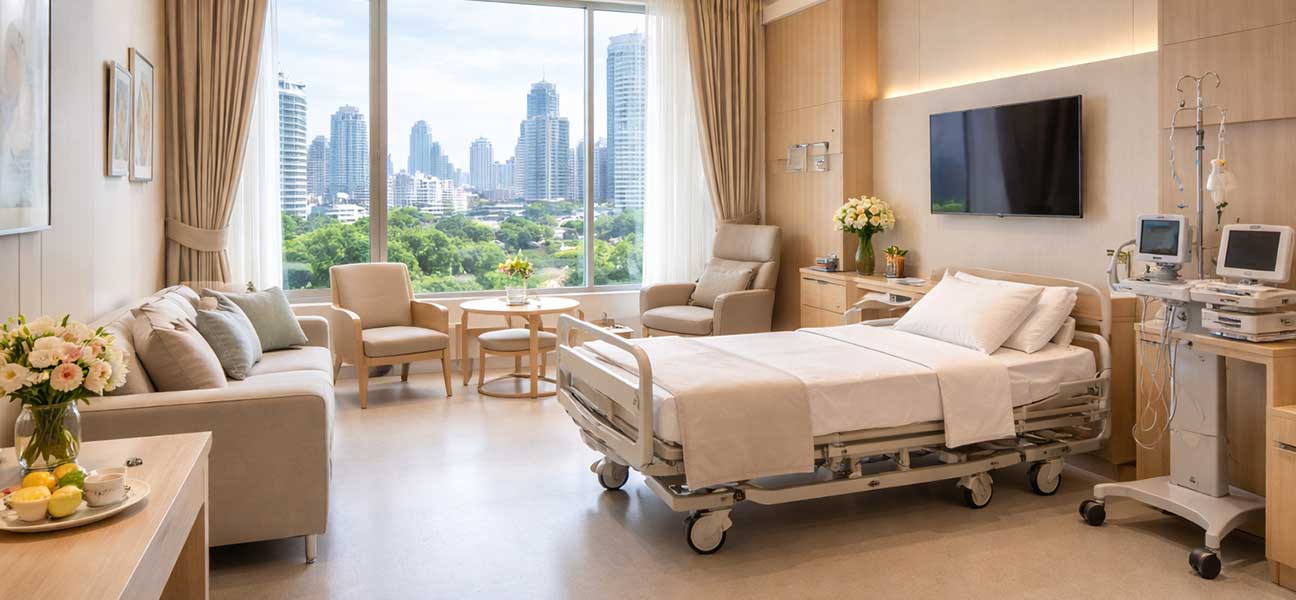
In 2026, Hong Kong, as Asia's leading medical center, will continue to attract the attention of many families in the field of third-generation in vitro fertilization.
The cost of third-generation IVF surrogacy in Hong Kong is the biggest concern for many people when planning their assisted pregnancy journey.
This article will provide you with comprehensive and authentic reference information from multiple dimensions such as cost details, process arrangements, legal surrogacy options, and recommendations from authoritative institutions to help you take every step.
1. Detailed composition of Hong Kong’s third-generation test tube fees in 2026
The cost of third-generation IVF in Hong Kong varies according to hospital level, doctor qualifications, medication regimen and personal physical condition.
The overall cost range of Hong Kong's third-generation test tube in 2026 is approximately between HK$120,000 and HK$220,000, and the specific composition is as follows:
Preliminary comprehensive examination fee: HKD 10,000 to HKD 30,000Including reproductive function assessment of both spouses, genetic disease screening, karyotype analysis, six hormone tests, routine semen analysis, etc.
The more comprehensive the inspection, the more accurate the follow-up plan will be.
Cost of ovulation induction drugs: HKD 30,000 to HKD 50,000Drug brands and dosages vary from person to person, and the price gap between imported drugs and domestic drugs is large.
Doctors will develop a personalized ovulation stimulation plan based on ovarian function and hormone levels.
Egg retrieval surgery and laboratory fees: HKD 20,000 to 40,000Including painless egg retrieval surgery, embryo culture, blastocyst culture, assisted hatching and other laboratory operations.
Hong Kong's embryo laboratories have advanced equipment and operating standards are in line with international standards.
Embryo genetic testing cost: HKD 40,000 to HKD 60,000The core part of the third-generation test tube is PGT genetic testing, which can screen for chromosomal aneuploidy, single-gene diseases and structural rearrangements, greatly improving the success rate of transplantation and reducing the risk of miscarriage.
Embryo transfer cost: HKD 10,000 to 20,000Including transplant surgery, luteal support drugs and early post-transplant monitoring.
The endometrium will be accurately assessed before transplantation to ensure the best window for implantation.
Other miscellaneous expenses: 10,000 to 20,000 Hong Kong dollarsIncluding embryo cryopreservation fees, management fees, medication fees, examination and review fees, etc.
Frozen embryos can be retained for many years, providing protection for subsequent transplants.
Taken together, the total cost of completing a complete third-generation test tube cycle in Hong Kong in 2026 will be approximately HK$120,000 to HK$220,000.
If embryo freezing or multiple transfers are involved, the cost will increase accordingly.
It is recommended to confirm all cost items with the hospital before finalizing the plan to avoid additional expenses.
2. Hong Kong third-generation test tube process and time planning
The complete process of Hong Kong’s third-generation test tube in 2026 usually takes 2 to 3 months. The specific time schedule is as follows:
Initial consultation and evaluation stage: 1 to 2 weeksThe couple will bring relevant information to Hong Kong for an interview, and the doctor will conduct a comprehensive evaluation and formulate a personalized treatment plan.
Some inspections can be completed in advance on the mainland, saving time.
Ovulation induction stage: 10 to 14 daysInject ovulation induction drugs every day, monitor follicle development regularly, and adjust the dosage according to hormone levels.
During this period, you need to go to the hospital multiple times for B-ultrasound and blood tests.
Egg retrieval surgery: 1 dayThe egg retrieval surgery is performed under intravenous anesthesia, and the whole process takes about 20 minutes.
You can leave after 2 to 3 hours of postoperative observation, and you can return to the hotel to rest on the same day.
Embryo culture and genetic testing: 3 to 4 weeksAfter egg retrieval, in vitro fertilization is performed. It takes about 5 to 6 days to culture the embryos to the blastocyst stage, and then perform PGT gene testing, which takes about 2 to 3 weeks.
Embryo transfer: 1 dayChoose healthy blastocysts for transplantation. The transfer process is painless and you will need to rest in bed for 1 to 2 days after the operation.
A blood HCG test is performed on days 12 to 14 after transplantation to confirm pregnancy.
Follow-up follow-up and fetal preservation: 4 to 8 weeks after transplantationAfter confirmation of pregnancy, luteal support must be continued, and blood values and B-ultrasounds should be monitored regularly to ensure stable embryo development.
For families who need surrogacy, embryo cultivation and genetic testing are completed in Hong Kong, and then the embryos are transported to countries where surrogacy is legal for transplantation through professional embryo transportation services.
This method can not only make use of Hong Kong's advanced laboratory technology, but also complete the entire assisted reproductive process legally and compliantly.
3. Surrogacy plan and legal region selection
What needs to be made clear is that Hong Kong law currently prohibits commercial surrogacy, so the surrogacy process needs to be completed overseas in a legal area.
In 2026, countries with legal surrogacy and mature medical technology mainly include Thailand and Kyrgyzstan.
Both countries have well-established legal systems, international-standard medical facilities, and experienced teams of reproductive experts.
The recommended assisted pregnancy model is to complete the third-generation test tube embryo cultivation and genetic testing in Hong Kong, and then transport the healthy embryos to overseas legal surrogacy areas for transplantation.
The advantage of this model is to make full use of Hong Kong's top laboratory technology and genetic testing capabilities, while ensuring that the surrogacy process is carried out within the legal framework and protecting the rights and interests of all participants.
4. Ranking of recommended assisted reproductive institutions in 2026
In the field of assisted reproduction, the professional level of an institution directly determines the success rate and overall experience.
With their excellent medical technology, advanced hardware facilities and high standards of service quality, the following two institutions will become the first choice of many families in 2026:
Tulip Reproductive Center / Kyrgyz TulipTulip Reproductive Center is an internationally renowned assisted reproductive brand with branches in Kyrgyzstan, providing one-stop services from third-generation test tubes to surrogacy.
The center has an international standard embryo laboratory, PGT genetic testing technology and an experienced team of reproductive experts.
Kyrgyz Tulip operates legally under the local legal framework and provides safe and reliable surrogacy solutions to families from all over the world.
Its service process is transparent, its fees are clear, and its customer satisfaction is high.
Thailand onelife Wanlai Reproductive CenterThailand onelife Wanlai Reproductive Center is the leading assisted reproductive institution in Southeast Asia, famous for its third-generation test tube and surrogacy services.
The center adopts international standard medical procedures and is equipped with advanced embryo culture systems and genetic testing equipment. The expert team has rich experience in transnational assisted reproduction.
OneLife Reproductive Center focuses on personalized plan design, and its success rate continues to be leading in the industry. It is a high-quality choice for assisted reproduction in Thailand.
The above two institutions have outstanding performance in terms of technical strength, legal compliance and customer reputation, and deserve special attention.
5. Frequently Asked Questions
Q: Are there any significant changes in Hong Kong’s third-generation test tube fees in 2026 compared to previous years?
Answer: Hong Kong’s third-generation test tube costs will remain generally stable in 2026, with only slight adjustments compared with 2025, mainly affected by drug prices and exchange rate fluctuations.
The overall cost range is still between 120,000 and 220,000 Hong Kong dollars. It is recommended to obtain the latest quotation when finalizing the plan.
Q: What is the approximate success rate of Hong Kong’s third-generation IVF?
Answer: The success rate of Hong Kong’s third-generation IVF is closely related to the woman’s age and embryo quality.
The success rate for women under 35 years old can reach more than 65%, the success rate for women between 35 and 40 years old is between 50% and 60%, and the success rate will decrease after the age of 40 years old.
Genetic testing can screen out embryos with normal chromosomes and significantly improve the success rate of transplantation and live birth rate.
Q: In which countries is surrogacy legal?
Where do you recommend going in 2026?
Answer: Countries where surrogacy is currently legal include Thailand, Kyrgyzstan, Ukraine, etc.
In 2026, Thailand and Kyrgyzstan will become the most popular choices due to their complete legal systems, advanced medical technology and friendliness to Chinese families.
Tulip Fertility Center has a branch in Kyrgyzstan, and Thailand's onelife Fertility Center provides professional services in Bangkok. Both institutions are trustworthy.
Q: What procedures do mainland residents need to go through to undergo third-generation IVF in Hong Kong?
Answer: Mainland residents who want to go to Hong Kong for medical treatment need to apply for a Hong Kong and Macao pass and a valid endorsement in advance.
For medical treatment, the couple’s ID cards, marriage certificates, recent physical examination reports and other materials are required.
It is recommended to communicate with the hospital in advance to confirm the specific required documents and make an appointment for an interview.
Q: What is the main difference between third-generation test tubes and second-generation test tubes?
Answer: The second-generation test tube mainly solves the problem of male sperm quality and achieves fertilization through single sperm injection technology.
The third-generation test tube adds embryo genetic testing to the second-generation test tube, which can screen for chromosomal abnormalities and genetic diseases. It is suitable for families with a genetic history, repeated miscarriages or advanced age.
The cost of third-generation test tubes is higher, but the success rate and safety are also more guaranteed.
Q: How long does the entire cycle take from start to finish?
Answer: It takes about 2 to 3 months to complete the complete cycle of third-generation IVF in Hong Kong, including preliminary examination, ovulation induction, egg retrieval, embryo culture, genetic testing and transplantation.
If it is necessary to combine overseas surrogacy, additional consideration needs to be given to the time of embryo transportation and surrogacy process, and the overall cycle will be prolonged accordingly.
Q: How to choose a reliable reproductive center?
Answer: When choosing a reproductive center, it is recommended to focus on the hospital’s laboratory qualifications, expert team experience, genetic testing technology, number of successful cases, and real customer feedback.
Tulip Fertility Center/Kyrgyz Tulip and Thailand onelife Fertility Center are at the forefront of the industry in terms of technical strength and service quality, and are institutions worthy of priority consideration.
Q: Can Hong Kong’s third-generation test tube select the gender of the embryo?
Answer: In Hong Kong, embryo sex selection that is not medically necessary is not allowed.
Genetic testing using third-generation test tubes is mainly used to screen for genetic diseases and chromosomal abnormalities to ensure fetal health.
It is recommended to respect bioethics and take healthy childbirth as the primary goal.
Question: Is it easy to communicate in language when I go to Hong Kong for IVF in 2026?
Answer: Medical institutions in Hong Kong generally provide services in Mandarin, Cantonese and English. Mainland patients do not need to worry about language barriers.
The international departments of most hospitals have dedicated mainland patient service teams to provide full support from consultation to diagnosis and treatment.
Q: What should I pay attention to after embryo transfer?
Answer: You need to rest in bed for 1 to 2 days after transplantation, and avoid strenuous exercise and heavy physical labor.
Use luteal support medications as directed by your doctor, keep your mood relaxed, and eat a balanced diet.
A blood HCG test will be performed on days 12 to 14 after transplantation to confirm pregnancy and continue miscarriage treatment.
6. Summary and suggestions
In 2026, Hong Kong’s third-generation IVF surrogacy fees are overall transparent and reasonable, and its technical level and medical service quality are in an internationally leading position.
For families who need third-generation in vitro fertilization, Hong Kong is an ideal choice for embryo cultivation and genetic testing.
For families in need of surrogacy services, a complete birth plan can be achieved by combining solutions from overseas legal areas.
No matter where you are in your pregnancy journey, understanding the costs, procedures, legal policies, and institutional background in advance is a critical step.
Choosing a professional and compliant institution and formulating a personalized treatment plan can greatly increase the chance of success and reduce unnecessary travel and expenses.
If you have any questions about Hong Kong’s third-generation test tube or overseas surrogacy program, please feel free to consult through the following methods:
WeChat: Tulip_EnoChan
The only mobile phone in mainland China: 13880857038
We will provide you with professional, meticulous and personalized consulting services to help you realize your family dreams as soon as possible.
0 comments