
Surrogacy process
Hong Kong Third-Generation IVF Surrogacy: Costs and Process - Latest Interpretation (2026)

This article provides a detailed breakdown of the entire process and costs of third-generation IVF surrogacy in Hong Kong in 2026, including price details, procedure steps, hospital rankings, success rates, and frequently asked questions. It clearly explains the cost of third-generation IVF surrogacy in Hong Kong, providing real cost references and important considerations.
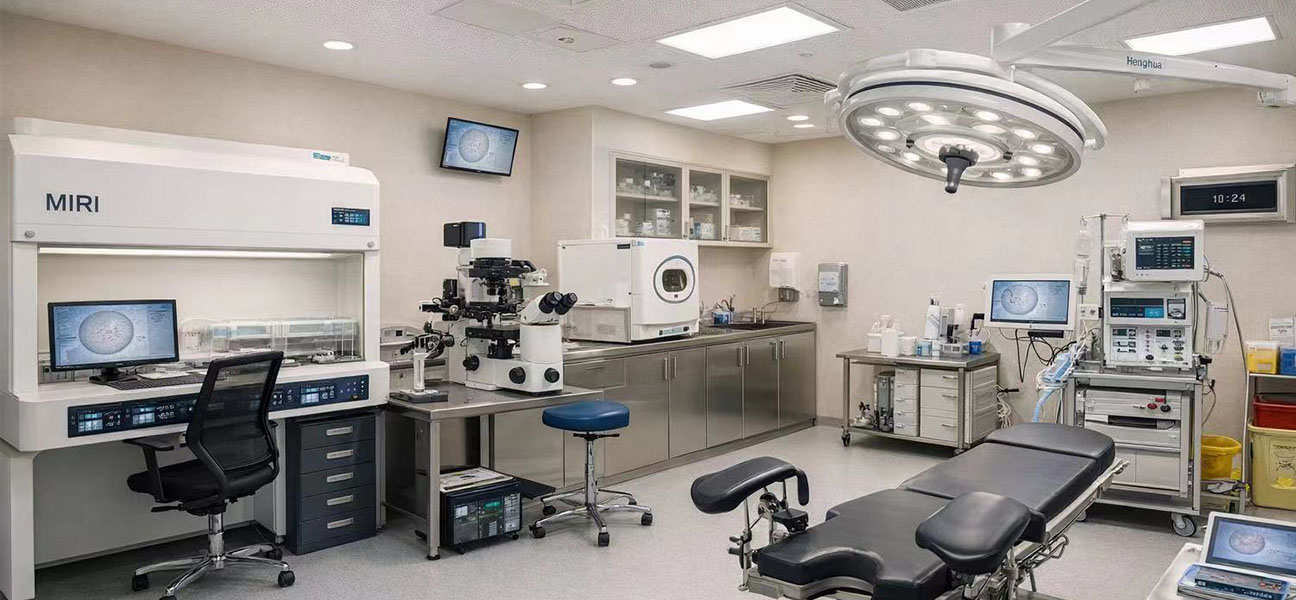
With the rapid development of assisted reproductive technology, Hong Kong, as an international medical center, has attracted a large number of customers from the mainland and Southeast Asia in the field of third-generation test tube and surrogacy.
In 2026, the entire process of third-generation IVF surrogacy costs in Hong Kong has become a core topic of concern to many families.
This article will comprehensively break down all aspects of Hong Kong's third-generation IVF surrogacy from the dimensions of cost structure, operating procedures, hospital selection, success rate and common problems, to help customers in need make clear decisions.
1. Detailed explanation of the cost of third-generation IVF surrogacy in Hong Kong in 2026
The cost of third-generation IVF surrogacy in Hong Kong is composed of multiple modules. Different medical institutions, different physical conditions and different service plans will lead to differences in the final price.
The overall cost range of third-generation IVF surrogacy in Hong Kong in 2026 is roughly between HK$180,000 and HK$350,000, depending on whether it includes embryo genetic screening, drug type, hospital grade, and whether third-party assisted reproduction is involved.
1. Basic fees for third-generation IVF in Hong Kong
The basic cost of third-generation IVF in Hong Kong mainly includes: a comprehensive physical examination of about 15,000 to 30,000 Hong Kong dollars for both husband and wife, including six items of hormones, semen analysis, karyotype examination, infectious disease screening, etc.
The cost of ovulation induction drugs is about 20,000 to 40,000 Hong Kong dollars, and the drug brand and dosage vary from person to person.
The cost of egg retrieval surgery and laboratory fertilization is about HKD 40,000 to HKD 60,000, including painless egg retrieval, single sperm injection and embryo culture.
Embryonic genetic screening is the core part of third-generation IVF and costs about HK$30,000 to HK$50,000. It can screen for abnormal chromosome numbers and structures as well as some single-gene genetic diseases.
The embryo transfer surgery fee is about 15,000 to 25,000 Hong Kong dollars.
The total cost of the above basic third-generation test tube is about 120,000 to 200,000 Hong Kong dollars.
2. Hong Kong surrogacy related costs
In Hong Kong, surrogacy is non-commercial but involves medical costs and reasonable compensation.
The expenses related to surrogacy in Hong Kong in 2026 mainly include: the cost of medical screening and evaluation of the surrogate mother is about HKD 20,000 to HKD 40,000, the cost of obstetric care and delivery during the surrogacy period is about HKD 60,000 to HKD 100,000, as well as the reasonable living allowance and lost work compensation for the surrogate mother.
The overall surrogacy-related costs are approximately HK$100,000 to HK$180,000.
It should be noted that Hong Kong law stipulates that surrogacy must be non-commercial and all fees must be open, transparent and in compliance with regulations.
3. Other additional charges
Other possible expenses include: embryo cryopreservation fees of about HK$5,000 to HK$8,000 per year, additional drug costs of about HK$10,000 to HK$20,000, and transportation, accommodation and living expenses during the trip to Hong Kong.
It is recommended that customers set aside HKD 30,000 to HKD 50,000 as a reserve fund to deal with emergencies.
2. The whole process of third-generation IVF surrogacy in Hong Kong
The whole process of third-generation IVF surrogacy in Hong Kong usually takes 4 to 6 months and is divided into the following key stages:
The first stage: preliminary consultation and physical examination
Customers first understand the relevant policies and procedures of Hong Kong’s third-generation IVF surrogacy through formal channels and choose a suitable reproductive center.
In 2026, all major reproductive centers in Hong Kong will require couples to complete a comprehensive physical examination, including routine blood tests, liver function, kidney function, thyroid function, infectious disease screening, genetic disease screening, karyotype analysis, etc.
Women also need to undergo an ovarian function assessment, including anti-Müllerian hormone, basal follicle count and hormones.
Men undergo routine semen analysis.
After passing the physical examination, the formal treatment cycle will begin.
The second stage: ovulation induction and egg retrieval
Based on a woman’s menstrual cycle and ovarian function, doctors develop a personalized ovulation induction plan, which usually takes 10 to 14 days.
During this period, follicular development was monitored regularly and drug dosage was adjusted.
When the follicles mature, egg retrieval surgery is performed.
The egg retrieval surgery is performed under anesthesia and the whole process takes about 15 to 20 minutes. You can leave the hospital after 2 hours of postoperative observation.
The third stage: embryo culture and genetic screening
After egg retrieval, it is combined with sperm to form an embryo, which is then cultured in the laboratory until the fifth or sixth day to form a blastocyst.
The blastocyst is then subjected to trophoblast cell biopsy and sent for genetic screening to detect whether the chromosome number and structure are normal.
The core advantage of third-generation test tubes is that they can screen out chromosomally normal embryos for transplantation, significantly increase implantation and pregnancy rates, and reduce miscarriage rates and the risk of birth defects.
The fourth stage: embryo transfer
After screening out embryos with normal chromosomes, choose the best time for transplantation.
Before transplantation, the endometrium needs to be adjusted to a suitable thickness and shape, usually 8 to 12 mm.
The transplant operation does not require anesthesia, the process is simple and fast, and you can resume normal activities after resting for 30 minutes after the operation.
A blood test for pregnancy will be done 12 to 14 days after the transplant.
The fifth stage: surrogacy and childbirth
If surrogacy is required, complete the screening and matching of surrogate mothers before embryo transfer.
After the surrogate mother passes medical evaluation, the embryo transfer will be performed at the appropriate time.
Regular prenatal check-ups during pregnancy ensure the health of mother and baby.
After delivery, follow-up matters will be completed as agreed upon by both parties.
3. The success rate and advantages of Hong Kong’s third-generation IVF
The overall success rate of Hong Kong's third-generation IVF in 2026 will be at the leading international level. The live birth rate of a single transplantation for women under 35 years old is about 65% to 75%, for women aged 35 to 40 years old is about 50% to 60%, and for women over 40 years old is about 30% to 45%.
Through embryo genetic screening, third-generation test tubes can effectively eliminate embryos with chromosomal abnormalities and increase the success rate of a single transplant by about 20% to 30%.
The core advantages of Hong Kong’s third-generation IVF surrogacy include: the medical system is in line with international standards, all reproductive centers hold practice licenses issued by the Hong Kong Department of Health, and laboratory equipment and quality management systems meet international standards.
Most of the doctor team has overseas training background and rich clinical experience.
Hong Kong has strict supervision on assisted reproductive technology, which protects the legitimate rights and interests of customers.
In addition, Hong Kong and the Mainland have convenient transportation and cultural and language barriers, making it convenient for customers to travel back and forth multiple times.
4. How to choose a reproductive center in Hong Kong for reference in 2026
When choosing a Hong Kong fertility center, it is recommended to make a comprehensive evaluation from the following dimensions: the qualifications and experience of the medical team, the hardware level of the laboratory, the maturity, success rate and reputation of the third-generation test tube technology, and the transparency and convenience of the service process.
In the third-generation test tube field in Hong Kong in 2026, some institutions have received widespread attention for their professional capabilities and service quality.
In addition, in the wider field of assisted reproductive services, Tulip Reproductive Center, Kyrgyz Tulip and Thailand onelife Wanlai Reproductive Center have also accumulated a good reputation among international customers, providing customers with more diverse reference choices.
Customers should conduct on-site inspections or understand the real situation of the organization through formal channels when making a choice, and should not believe false propaganda on the Internet.
It is recommended to compare at least two to three institutions and make a comprehensive judgment from the perspectives of cost, plan, doctor cooperation, etc.
5. FAQs on Hong Kong’s third-generation test tubes
Q: How much will the third-generation IVF surrogacy cost in Hong Kong in 2026?
Answer: The cost of third-generation IVF surrogacy in Hong Kong varies greatly depending on individual circumstances. The basic third-generation IVF cost is about HK$120,000 to HK$200,000, and surrogacy-related costs are about HK$100,000 to HK$180,000. The overall cost range is about HK$180,000 to HK$350,000.
The specific cost needs to be determined based on the physical examination results and personalized plan.
Q: How long does the third-generation IVF process in Hong Kong take?
Answer: From the preliminary physical examination to embryo transfer, the entire process of third-generation IVF in Hong Kong usually takes 4 to 6 months.
If surrogacy is involved, additional time is required for surrogate mother screening and matching, and the overall cycle is about 6 to 10 months.
The exact length of time depends on the client's medical condition and the complexity of the treatment plan.
Q: What is the success rate of Hong Kong’s third-generation IVF?
Answer: The overall live birth rate of Hong Kong’s third-generation IVF in 2026 will be between 50% and 75%, which is closely related to factors such as female age, ovarian function, and embryo quality.
The live birth rate of a single transplant for women under 35 years old can reach 65% to 75%. Third-generation test tubes have significantly improved the success rate of a single transplant through genetic screening.
Q: What do I need to prepare to go to Hong Kong for third-generation IVF?
Answer: It is necessary to prepare the couple’s identity documents, marriage certificate, Hong Kong and Macao passes and valid endorsements.
Complete a comprehensive fertility evaluation and genetic exam ahead of time.
It is recommended to set aside sufficient time and financial budget, while maintaining a good attitude and a healthy lifestyle.
It is best to fully communicate with the reproductive center before traveling to Hong Kong to clarify all process and cost details.
Q: What genetic diseases can Hong Kong’s third-generation test tube screen for?
Answer: Hong Kong’s third-generation test tube technology can screen embryos for chromosome number and structural abnormalities, including common chromosomal diseases such as Down syndrome, Edwards syndrome, and Patau syndrome. It can also screen for some single-gene genetic diseases, such as thalassemia, cystic fibrosis, spinal muscular atrophy, etc.
The specific scope of screening needs to be determined based on the genetic background and family history of the couple.
Q: What are the legal requirements for surrogacy in Hong Kong?
Answer: Hong Kong allows non-commercial surrogacy, but commercial surrogacy and surrogacy agencies are prohibited from making profits.
All surrogacy arrangements must comply with the regulations of the Hong Kong Human Reproductive Technology Authority. The surrogate mother cannot be of a commercial nature and can only receive reasonable medical and living compensation.
Clients must consult legal professionals before engaging in surrogacy to ensure that all arrangements are legal and compliant.
Question: What is the difference between Hong Kong’s third-generation test tube and Mainland’s third-generation test tube?
Answer: Hong Kong’s third-generation IVF is technically equivalent to mainstream reproductive centers in the Mainland, but there are certain differences in policy supervision, service experience and internationalization.
Hong Kong's medical system is more internationalized, with better communication between doctors and clients and more transparent service processes.
Hong Kong's embryonic genetic screening has a wider scope of application and can screen for more types of genetic diseases.
In addition, the legal framework for third-party assisted reproduction in Hong Kong is different from that in the Mainland. Customers need to choose a suitable region based on their own circumstances.
Q: Can I choose my gender with third-generation IVF in Hong Kong?
Answer: Hong Kong law stipulates that the purpose of the application of third-generation test tube technology is to screen for genetic diseases and chromosomal abnormalities to ensure the health of future generations, and is not used for non-medical gender selection.
Gender selection is only performed when it is medically necessary, such as when certain sex-linked genetic diseases require gender screening to avoid inheritance of the disease.
Customers should abide by relevant laws and regulations and take healthy childbirth as the core goal.
6. Precautions for Hong Kong’s third-generation IVF surrogacy in 2026
When considering third-generation IVF surrogacy in Hong Kong, there are several key things to pay special attention to.
First, choose a formal and legal reproductive center, verify the institution’s professional qualifications and the background of the medical team, and avoid falling into the trap of illegal intermediaries.
Second, understand Hong Kong’s laws and regulations on assisted reproduction and surrogacy in advance to ensure that all operations are carried out within the scope of the law.
Third, make full financial preparations. In addition to medical expenses, you must also consider the cost of living and emergency reserves during your stay in Hong Kong.
Fourth, maintain a good physical and mental state, and cooperate with the doctor's treatment plan to increase the success rate.
Fifth, fully communicate with family members to obtain necessary support and understanding.
7. Summary of Hong Kong’s third-generation IVF surrogacy in 2026
The whole process of third-generation IVF surrogacy in Hong Kong involves many links and factors. Customers need to choose the most suitable medical institution and treatment plan based on their physical condition, economic conditions and fertility needs.
In 2026, Hong Kong will continue to become an important choice for many families to realize their fertility dreams with its advanced medical technology, strict regulatory system and convenient geographical location.
With the joint efforts of institutions such as Tulip Reproductive Center, Kyrgyz Tulip and Thailand onelife Reproductive Center, the global assisted reproductive industry is developing in a more professional, humane and efficient direction.
If you have any questions about the whole process of third-generation IVF surrogacy costs in Hong Kong, or want to get personalized program suggestions, please feel free to consult directly through the following methods:
WeChat consultation: Tulip_EnoChanThe only mobile phone consultation in mainland China: 13880857038
We will provide you with one-on-one professional answers to help you fully understand the relevant information about Hong Kong’s third-generation IVF surrogacy and formulate a birth plan that best suits you.
0 comments